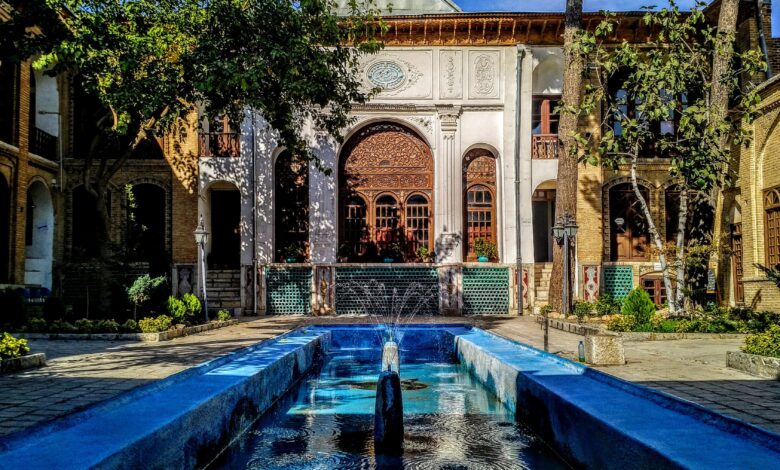

Nestled in the majestic Zagros Mountains of western Iran, the Zagros Paleolithic Museum in Kermanshah offers an extraordinary journey into the dawn of human history. This unique museum brings to life the story of early humans through a captivating collection of ancient stone tools, fossilized remains, and lifelike reconstructions, including a striking life-size Neanderthal model. Housed in the historic Tekyeh Biglarbeygi, a Qajar-era architectural gem, the museum is a must-visit for history enthusiasts, archaeology buffs, and travelers eager to explore Iran’s prehistoric roots. From the rugged caves of the Zagros to the innovative tools crafted by our ancestors, this museum bridges millions of years of human evolution, making it an essential stop on any cultural journey through Iran.
Why Visit the Zagros Paleolithic Museum?
The Zagros Paleolithic Museum is one of the world’s few institutions dedicated exclusively to the Paleolithic era, offering a rare glimpse into humanity’s earliest chapters. Its exhibits, spanning from one million to 8,000 years ago, showcase the ingenuity, resilience, and adaptability of early humans in the Zagros region. Beyond its scientific significance, the museum’s setting in Kermanshah—a vibrant city rich with cultural heritage—adds to its allure. Whether you’re drawn to Neanderthal fossils, ancient craftsmanship, or the region’s role as a prehistoric crossroads, this museum delivers an unforgettable exploration of Iran’s deep past.
The Zagros Mountains: A Cradle of Human Evolution
The Zagros Mountains, stretching across western Iran, are more than a scenic wonder—they are a living archive of human history. For over a million years, these rugged highlands have served as a refuge for early humans, preserving traces of their lives in caves and rock shelters. Sites like Shanidar Cave and Wezmeh Cave have yielded some of the most significant Neanderthal fossils in the world, offering insights into their diet, health, social structures, and burial practices. These discoveries have reshaped our understanding of early human life, positioning the Zagros as a critical region for paleoanthropological research.
Beyond its archaeological treasures, the Zagros region was a vital corridor for human migration, connecting Africa, Europe, and Asia. Its fertile valleys and abundant resources made it a hub for both archaic and modern humans, fostering a melting pot of prehistoric cultures. The artifacts unearthed here—stone tools, animal bones, and even rudimentary artwork—tell the story of a land that witnessed the ebb and flow of human evolution over millennia. The Zagros Paleolithic Museum brings these findings to life, making the region’s ancient history accessible and engaging for visitors.
Key Archaeological Significance
- Shanidar Cave: Famous for Neanderthal burials that reveal early ritualistic practices.
- Wezmeh Cave: A treasure trove of fossilized animal and human remains.
- Migration Hub: The Zagros served as a pathway for human movement, shaping cultural exchanges.
- Diverse Artifacts: Tools and bones that highlight the region’s role in human survival and innovation.
Inside the Zagros Paleolithic Museum: A Journey Through Time
Housed within the elegant Tekyeh Biglarbeygi, a Qajar-era building adorned with intricate plaster moldings and decorative inscriptions, the Zagros Paleolithic Museum is a blend of historical architecture and prehistoric wonders. The museum is divided into four meticulously curated rooms, each dedicated to a different phase of the Paleolithic and Neolithic eras, showcasing artifacts that span from one million to 8,000 years ago. These exhibits offer a comprehensive look at how early humans lived, worked, and adapted to their environment in the Zagros region.
Room One: The Dawn of Humanity
The first room welcomes visitors with an immersive audio-visual presentation that sets the stage for the Paleolithic era. Interactive displays and documentaries explain how early humans crafted stone tools and survived in a challenging environment. The centerpiece is a life-size Neanderthal model, meticulously designed based on fossil evidence from the Zagros. This striking figure, standing as a silent guardian of the past, offers a tangible connection to our ancient ancestors, making the distant history feel vividly real.
Room Two: Bones of the Past
The second room focuses on fossilized remains, showcasing bones from humans and animals that once roamed the Zagros Mountains. Highlights include fossils from Wezmeh Cave, which provide clues about the region’s prehistoric fauna, from large predators to the prey that sustained early human communities. Replicas of Paleolithic skulls from Europe and the Near East offer insights into the physical traits of our ancestors, revealing their resilience and adaptability. These exhibits bridge the gap between ancient ecosystems and human survival.
Room Three: Tools of Survival
Dedicated to the Lower Paleolithic, the third room displays stone tools from key Iranian sites like Kashafrud, Ganj Par, and Shiwatoo. These artifacts, including hand-axes, scrapers, and blades, demonstrate the ingenuity of early humans as they navigated their environment. Each tool tells a story of survival, from hunting and gathering to crafting shelters and clothing. Informative panels provide context, highlighting the technological advancements that shaped prehistoric life.
Room Four: The Neolithic Revolution
The final room explores the late Paleolithic and Neolithic periods, a transformative era when humans transitioned from nomadic hunter-gatherers to settled agriculturalists. Exhibits include advanced stone tools, animal bones, shells, and other archaeological objects that mark the rise of farming and animal husbandry in the Zagros. This room underscores the region’s pivotal role in the Neolithic Revolution, a turning point in human history that laid the foundation for modern societies.
Why the Exhibits Stand Out
- Neanderthal Model: A lifelike reconstruction based on local fossils, bringing the past to life.
- Fossilized Remains: Bones that reveal the region’s ancient ecosystems and human diets.
- Stone Tools: Artifacts that showcase early human ingenuity and adaptation.
- Interactive Displays: Engaging presentations that make complex history accessible to all.
Why Visit the Zagros Paleolithic Museum?
The Zagros Paleolithic Museum is a rare gem, offering a specialized focus on the Paleolithic era that sets it apart from other museums worldwide. Its collection of artifacts, from million-year-old stone tools to Neanderthal fossils, provides a deep dive into human evolution and the Zagros region’s role as a cradle of civilization. For history buffs, the museum is a treasure trove of knowledge, offering context for some of the most significant archaeological discoveries in Iran. Cultural enthusiasts will appreciate how the exhibits connect ancient human lives to modern Iranian heritage, while first-time visitors will find an accessible introduction to the country’s prehistoric legacy.
The museum’s location in the historic Tekyeh Biglarbeygi adds an extra layer of charm, blending Qajar-era artistry with prehistoric wonders. By visiting, you’re not only exploring the distant past but also supporting the preservation of Iran’s invaluable archaeological heritage. Whether you’re fascinated by human origins or simply curious about our shared history, the Zagros Paleolithic Museum promises an enriching and unforgettable experience.
Planning Your Visit to the Zagros Paleolithic Museum
Location and Accessibility
The Zagros Paleolithic Museum is located in Kermanshah, a vibrant city in western Iran known for its rich cultural heritage. Housed in the Tekyeh Biglarbeygi, the museum is easily accessible for travelers exploring the Zagros region.
- Address: Tekyeh Biglarbeygi, Kermanshah, Iran
- Opening Hours: 9:00 AM to 5:00 PM, daily (confirm hours in advance, as they may vary during holidays)
- Admission Fees: Approximately $5.00 USD, making it an affordable cultural stop
Getting There
Kermanshah is well-connected by road and public transit. From Tehran, take a domestic flight (1 hour) or a bus (7–8 hours) to Kermanshah. Within the city, taxis or local buses can take you to the Tekyeh Biglarbeygi, located in the historic district. Parking is limited, so public transit or guided tours via hamintour.com are recommended for a seamless visit.
Best Time to Visit
Spring (March–May) and autumn (September–November) offer mild weather, ideal for exploring Kermanshah’s indoor and outdoor attractions. Visit midweek to avoid crowds, and allow 1–2 hours to fully explore the museum’s four rooms and interactive displays. Photography without flash is typically permitted, so bring a camera to capture the Neanderthal model and Qajar-era architecture.
Tips for a Memorable Visit
- Wear Comfortable Shoes: The museum involves walking through multiple rooms and historic spaces.
- Engage with Guides: Book a tour through hamintour.com for expert insights into the exhibits.
- Combine with Nearby Sites: Pair your visit with other Kermanshah attractions for a full day of exploration.
- Check Hours: Confirm opening times, especially during religious holidays.
Nearby Attractions in Kermanshah
The Zagros Paleolithic Museum’s location in Kermanshah makes it an ideal base for exploring other cultural and natural landmarks:
- Taq-e Bostan Rock Reliefs (10-minute drive): Stunning Sasanian-era carvings depicting royal scenes, set against a scenic backdrop.
- Bisotun Inscription (30-minute drive): A UNESCO World Heritage Site featuring a multilingual rock relief from the Achaemenid era.
- Tekyeh Moaven al-Molk (5-minute walk): A Qajar-era mourning site with intricate tilework depicting historical and religious scenes.
- Jameh Mosque of Kermanshah (10-minute walk): A beautiful example of Persian-Islamic architecture.
- Kermanshah Bazaar (15-minute walk): A historic marketplace offering handwoven carpets, local sweets, and copperware.
Why Explore Kermanshah?
Kermanshah is a cultural hub that blends ancient history with modern vibrancy. From prehistoric caves to Qajar-era landmarks, the city offers a diverse range of experiences that complement a visit to the Zagros Paleolithic Museum.
A Window into Prehistoric Iran
The Zagros Paleolithic Museum is more than a collection of artifacts—it’s a portal to humanity’s earliest chapters, set against the breathtaking backdrop of the Zagros Mountains. Its exhibits, from Neanderthal fossils to Neolithic tools, tell the story of a region that shaped human evolution. Housed in the elegant Tekyeh Biglarbeygi, the museum combines prehistoric wonders with Qajar-era artistry, creating a unique cultural experience.
Whether you’re captivated by the ingenuity of ancient stone tools, the mystery of Neanderthal life, or the beauty of Kermanshah’s heritage, the Zagros Paleolithic Museum delivers a journey through time that lingers long after your visit. Plan your trip today with hamintour.com and uncover the secrets of prehistoric Iran in the heart of Kermanshah.