

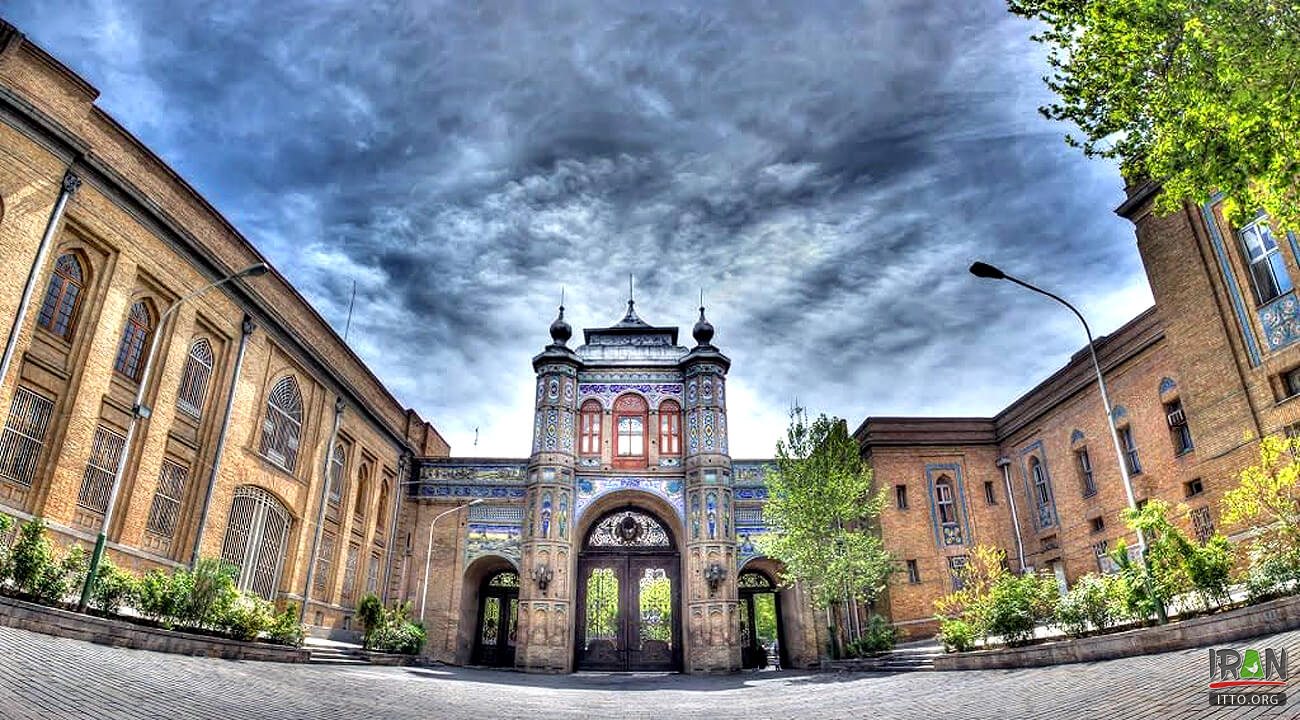
Hidden beneath the bustling streets of Tehran, Iran’s vibrant capital, lies Bagh-e Melli, or the National Garden, a serene sanctuary that embodies the heart of Iran’s cultural, historical, and political heritage. Far more than a mere park, Bagh-e Melli is a living testament to Iran’s storied past, seamlessly blending imperial grandeur with modern aspirations. Surrounded by towering skyscrapers and lush greenery, this iconic destination offers visitors a chance to step back in time while exploring a vibrant urban oasis. Whether you’re a history buff, an architecture enthusiast, or a traveler seeking authentic experiences, hamintour invites you to discover the captivating story of Bagh-e Melli, a jewel of Tehran’s cultural landscape.
A Journey Through History: The Legacy of Bagh-e Melli
Unveiling Iran’s Rich Historical Tapestry
Bagh-e Melli’s origins trace back to the Qajar dynasty (1797–1834), a transformative period in Iran’s history marked by significant urban development. Initially constructed under Fath-Ali Shah Qajar as part of a grand royal complex, the garden was later reimagined by Reza Shah Pahlavi (1925–1941) as a symbol of modernization. Under his visionary leadership, Bagh-e Melli evolved into a ceremonial hub, hosting military parades, state ceremonies, and official events that showcased the Pahlavi dynasty’s ambitions for a modern Iran.
Throughout its history, Bagh-e Melli has stood as a silent witness to Iran’s triumphs and challenges, from the rise of the Pahlavi era to the pivotal moments of the 1979 Islamic Revolution. Its enduring presence reflects Iran’s resilience and ability to adapt through changing times. Today, it remains a powerful symbol of national pride, offering visitors a glimpse into the country’s multifaceted history. With hamintour, you can explore this historical gem and uncover the stories etched into its landscapes and architecture.
Architectural Splendor: A Fusion of Persian and European Elegance
Discover the Stunning Designs of Bagh-e Melli
Bagh-e Melli is a masterpiece of architectural diversity, blending traditional Persian aesthetics with European influences introduced during the Pahlavi era. The garden is surrounded by historic buildings that showcase intricate tilework, ornate domes, and neoclassical elements, creating a visual feast for visitors. These structures reflect Iran’s efforts to modernize while preserving its cultural identity.
One of the most iconic landmarks associated with Bagh-e Melli is the Azadi Tower (formerly Shahyad Tower), located nearby and often considered part of the garden’s historical context. Built in 1971 to commemorate the 2,500th anniversary of the Persian Empire, the tower combines pre-Islamic and Islamic architectural motifs, symbolizing Iran’s rich heritage. Its majestic arches and intricate design make it a must-see for anyone visiting Tehran.
Within the garden itself, the National Museum of Iran stands as a testament to the country’s ancient legacy. Designed by French architect André Godard in 1937, the museum’s brickwork draws inspiration from the iconic Taq Kasra arch of Ctesiphon, a nod to Iran’s pre-Islamic heritage. Housing a vast collection of artifacts, including pottery, metalwork, and manuscripts, the museum offers a deep dive into Persia’s cultural and artistic achievements.
Another gem is the Malek National Library and Museum, renowned for its exquisite tilework and muqarnas dome. This cultural institution preserves a vast collection of rare manuscripts, books, and paintings, making it a haven for scholars and art enthusiasts. The nearby Ministry of Foreign Affairs building, with its neoclassical columns and symmetrical design, reflects the European influences that shaped Tehran’s architectural landscape during the Pahlavi period. A visit with hamintour allows you to marvel at these architectural wonders while learning about their historical significance.
A Green Haven: Bagh-e Melli’s Natural Beauty
Escape to Tehran’s Tranquil Urban Oasis
Amid the chaos of Tehran’s urban sprawl, Bagh-e Melli offers a peaceful retreat where visitors can reconnect with nature. Designed in the traditional Persian garden style, or bagh, the garden embodies the concept of paradise on Earth, with its symmetrical layout, water features, and lush greenery. Shaded pathways, manicured lawns, and ornate fountains create a serene ambiance, inviting locals and tourists alike to unwind and reflect.
The garden’s towering sycamore trees and vibrant flowerbeds provide a stark contrast to the surrounding cityscape, making it a popular spot for relaxation and contemplation. Whether you’re strolling along its wide alleys or pausing by a tranquil fountain, Bagh-e Melli offers a moment of calm in the heart of Tehran. hamintour ensures you experience this natural oasis while immersing yourself in its cultural and historical significance.
A Cultural and Educational Epicenter
Immerse Yourself in Iran’s Artistic and Intellectual Heritage
Bagh-e Melli is more than a scenic destination; it’s a thriving hub for cultural and educational exploration. The National Museum of Iran houses artifacts from ancient civilizations, including the Elamites, Achaemenids, and Sassanians, offering a comprehensive look at Iran’s contributions to art, science, and technology. From intricately crafted pottery to ancient manuscripts, the museum brings Iran’s past to life.
The Malek National Library and Museum is another highlight, with its extensive collection of rare books, Persian literature, and historical documents. Scholars and researchers flock to this institution to study its invaluable resources, which include works of philosophy, poetry, and history. The library’s stunning architecture, adorned with colorful arabesque tilework, adds to its allure.
Throughout the year, Bagh-e Melli hosts cultural events, exhibitions, and lectures that celebrate Iran’s heritage. These activities provide an interactive way to engage with the country’s art, history, and traditions, making the garden a dynamic center for learning and discovery. With hamintour, you can participate in these enriching experiences and gain a deeper understanding of Iran’s cultural legacy.
A Symbol of National Pride
Celebrating Iran’s Identity Through Bagh-e Melli
Bagh-e Melli is more than a collection of gardens and buildings; it’s a powerful symbol of Iran’s national identity. Its architecture, history, and cultural institutions reflect the country’s rich and diverse heritage, connecting the past with the present. For Iranians, the garden is a source of pride, representing their shared history and cultural achievements. For visitors, it offers a unique opportunity to explore the soul of Iran, from its ancient roots to its modern aspirations.
By visiting Bagh-e Melli with hamintour, you’ll experience the essence of Iran’s national heritage, from the intricate tilework of its buildings to the tranquil beauty of its gardens. This iconic destination serves as a bridge between Iran’s storied past and its vibrant future, making it a must-visit for anyone exploring Tehran.
Plan Your Visit to Bagh-e Melli with hamintour
Essential Tips for an Unforgettable Experience
A visit to Bagh-e Melli is a highlight of any trip to Tehran, offering a perfect blend of history, culture, and natural beauty. Here are some practical tips to ensure a memorable experience:
- Getting There: Located in Tehran’s District 12 on Imam Khomeini Street, Bagh-e Melli is easily accessible by public transportation, including metro and buses. Its central location makes it a convenient base for exploring nearby attractions.
- Best Time to Visit: Spring (April–June) and autumn (September–November) offer mild weather, ideal for strolling through the garden and enjoying its outdoor spaces.
- What to See: Allocate time to explore the National Museum of Iran, Malek National Library and Museum, and the historic Cossack Gate. Don’t miss the intricate tilework and serene fountains throughout the garden.
- Cultural Events: Check the schedule for exhibitions, lectures, or cultural festivals hosted at Bagh-e Melli to enhance your visit with interactive experiences.
- Photography: Capture the garden’s stunning architecture and greenery, but be mindful of any restrictions in cultural institutions like museums.
- Respect the Environment: Follow guidelines to preserve the garden’s beauty, such as avoiding littering and respecting restricted areas.
Address: Tehran, District 12, Imam Khomeini St, MCP8+CQF, Iran
View Bagh-e Melli on Google Maps
Conclusion: Experience the Soul of Iran at Bagh-e Melli
Discover Tehran’s Cultural Heart with hamintour
Bagh-e Melli is a captivating blend of history, architecture, and nature, offering a window into Iran’s rich cultural heritage. From its majestic buildings adorned with Persian tilework to its tranquil gardens that echo the paradise-like bagh tradition, this iconic destination is a must-visit for anyone seeking to understand the soul of Iran. Whether you’re exploring the National Museum’s ancient artifacts, delving into the Malek Library’s manuscripts, or simply enjoying the serenity of the garden, Bagh-e Melli promises an unforgettable journey through time.
Plan your visit with hamintour and immerse yourself in the beauty and legacy of Bagh-e Melli. Let this national treasure guide you through Iran’s past, present, and future, leaving you with memories that will last a lifetime.
FAQs About Bagh-e Melli: Iran’s National Heritage
- What is Bagh-e Melli, and why is it significant?
Bagh-e Melli, or the National Garden, is a historic park in Tehran that symbolizes Iran’s cultural and political heritage, featuring stunning architecture, lush gardens, and key cultural institutions. - When was Bagh-e Melli established, and by whom?
Originally built during the Qajar era under Fath-Ali Shah (1797–1834), it was transformed into its current form by Reza Shah Pahlavi (1925–1941) as part of Tehran’s modernization. - What cultural institutions are located in Bagh-e Melli?
The garden is home to the National Museum of Iran, Malek National Library and Museum, and the Ministry of Foreign Affairs, each offering a unique perspective on Iran’s heritage.