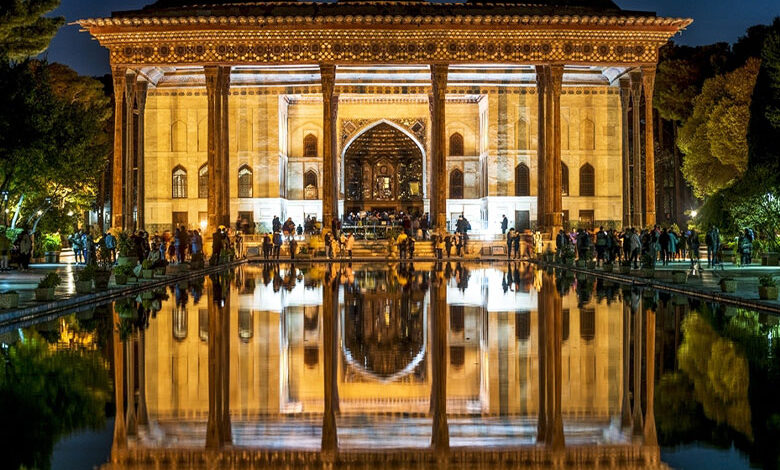

Nestled in the heart of Isfahan, the Chehel Sotoun Palace is a breathtaking testament to the Safavid era’s architectural brilliance and artistic heritage. Built in the mid-17th century under Shah Abbas II, this UNESCO World Heritage site captivates visitors with its elegant design, intricate frescoes, and serene gardens. Named “Forty Columns” for the optical illusion created by its twenty slender wooden pillars reflected in a shimmering pool, the palace blends Persian, Chinese, and European influences. With Hamintour, you can plan a visit to this iconic landmark, explore its rich history, and immerse yourself in Isfahan’s cultural splendor.
Chehel Sotoun: A Safavid Gem
The Chehel Sotoun Palace, a UNESCO World Heritage site, is one of Isfahan’s most iconic landmarks, showcasing the artistic and architectural prowess of the Safavid dynasty. Constructed in the mid-17th century, this palace sits within a 67,000-square-meter landscaped garden, offering a tranquil escape from the bustling city. Its intricate frescoes, vibrant tilework, and grand murals depict Persian court life and historical events, making it a must-visit for anyone eager to explore Iran’s cultural heritage.
Located near Chahar Bagh Avenue and Naqsh-e Jahan Square, the palace is a cornerstone of Isfahan’s golden age. Hamintour offers guided tours and hotel bookings to ensure a seamless visit to this architectural masterpiece.
Why Visit?
- UNESCO World Heritage site
- Stunning Safavid architecture
- Rich historical and cultural insights
Historical Background
The origins of Chehel Sotoun trace back to Shah Abbas I, the visionary Safavid king who transformed Isfahan into Persia’s capital in the late 16th century. His ambitious urban projects, including the creation of Chahar Bagh Avenue, laid the foundation for Isfahan’s golden age. The palace began as a modest pavilion near Ali Qapu Palace, used for hosting Nowruz celebrations and diplomatic gatherings, as recorded in 1614.
Under Shah Abbas II in the mid-17th century, the pavilion was expanded into the grand palace we see today. Shah Abbas II added ornate wooden columns, mirrored halls, and intricate ceiling paintings, elevating it into a venue for royal receptions and international diplomacy. The palace’s renovations reflect the Safavid era’s sophistication, blending functionality with aesthetic grandeur. Book a tour with Hamintour to explore this historical legacy.
Historical Highlights
- Initiated by Shah Abbas I in the 16th century
- Expanded by Shah Abbas II in the 17th century
- Hosted Nowruz and diplomatic events
Architectural Marvel
Spanning 67,000 square meters, the Chehel Sotoun Palace is a masterpiece of Safavid architecture, drawing inspiration from Persian, Chinese, and European styles. The palace’s main pavilion features a grand terrace supported by 20 slender cypress wood columns, intricately carved and adorned with mirrors. These columns, reflected in the adjacent pool, create the illusion of 40, giving the palace its name.
Inside, the main hall is adorned with vibrant frescoes and murals depicting historical battles, royal feasts, and Persian mythology. Ornate tilework and gilded ceilings add to the opulence, while arched doorways and stained-glass windows enhance the palace’s elegance. The surrounding gardens, with their manicured lawns and fountains, provide a serene backdrop. Hamintour offers guided tours to uncover the palace’s architectural secrets.
Architectural Features
- 20 cypress columns with reflective pool
- Intricate frescoes and tilework
- Persian-Chinese-European design fusion
The Meaning Behind “Forty Columns”
The name Chehel Sotoun, meaning “Forty Columns” in Persian, is both a literal and symbolic marvel. The palace’s front pavilion features 20 slender wooden columns, which, when reflected in the central pool, appear as 40. This optical illusion adds a magical charm to the palace, captivating visitors with its clever design.
In Persian culture, the number 40 symbolizes abundance, grandeur, and completeness. During the Safavid era, it represented the palace’s magnificence and its role as a center of royal hospitality. The name reflects both the architectural ingenuity and the cultural significance of this iconic site. Hamintour can arrange visits to experience this unique feature firsthand.
Name Significance
- 20 columns doubled by reflection
- “Forty” symbolizes grandeur in Persian culture
- Optical illusion enhances aesthetic appeal
Cultural Significance
The Chehel Sotoun Palace is more than an architectural gem; it’s a cultural bridge connecting Iran’s past and present. Its murals narrate key moments in Safavid history, from royal banquets to military victories, offering insights into Persian court life. The palace served as a venue for diplomatic receptions, showcasing Iran’s wealth and sophistication to foreign dignitaries.
As a UNESCO World Heritage site, Chehel Sotoun underscores Isfahan’s role as a cultural hub during the Safavid era. Its gardens and artistic details reflect the Persian love for beauty and harmony. Visitors can immerse themselves in this heritage through Hamintour’s curated tours.
Cultural Highlights
- Murals depicting Safavid history
- Venue for royal and diplomatic events
- UNESCO-recognized cultural treasure
Nearby Attractions
The palace’s location near Chahar Bagh Avenue and Naqsh-e Jahan Square makes it a perfect base for exploring Isfahan’s other landmarks:
- Naqsh-e Jahan Square: A UNESCO site with the Imam Mosque, Sheikh Lotfollah Mosque, and Ali Qapu Palace.
- Ali Qapu Palace: The Safavid royal residence with stunning views and intricate stucco work.
- Hasht Behesht Palace: A nearby Safavid pavilion known for its elegant design and gardens.
- Si-o-se-pol Bridge: A historic bridge over the Zayandeh River, perfect for evening strolls.
Hamintour offers packages to combine your Chehel Sotoun visit with these iconic sites.
Attraction Highlights
- Naqsh-e Jahan’s architectural splendor
- Historic bridges and palaces nearby
- Easy access via Hamintour tours
Visiting Tips & Access
The Chehel Sotoun Palace is open daily from 9:00 AM to 5:00 PM, except on public holidays. Located at Ostandari St., Isfahan, it’s easily accessible by taxi, bus, or on foot from Chahar Bagh Avenue. Admission fees are affordable, with discounts for students and groups. Hamintour provides guided tours and transportation options for a hassle-free visit.
Visitor Details
- Hours: 9:00 AM–5:00 PM, closed on public holidays
- Location: Ostandari St., near Chahar Bagh Avenue
- View on Google Maps
Why Visit Chehel Sotoun?
The Chehel Sotoun Palace is a captivating blend of history, art, and architecture, offering a window into the Safavid era’s grandeur. Its reflective columns, intricate murals, and serene gardens make it a must-visit for cultural enthusiasts. As a UNESCO site, it stands as a testament to Isfahan’s golden age, inviting travelers to explore Iran’s rich heritage. Hamintour ensures a seamless visit with expert guides and nearby hotel bookings.
Top Reasons
- Iconic “Forty Columns” illusion
- UNESCO World Heritage status
- Rich Safavid art and history
Plan Your Isfahan Adventure
Ready to visit the Chehel Sotoun Palace? Book your stay with Hamintour for exclusive deals on hotels near the palace, such as the Abbasi Hotel or Keryas Traditional Hotel. Explore nearby Naqsh-e Jahan Square, Si-o-se-pol Bridge, and more. Secure affordable flights to Isfahan via Hamintour’s flight booking page for a seamless journey.
Travel Tips
- Visit in spring for blooming gardens.
- Wear comfortable shoes for exploring the grounds.
- Book with Hamintour for guided tours and deals.
Conclusion: A Historical Journey
The Chehel Sotoun Palace is a jewel of Isfahan, showcasing the Safavid era’s architectural brilliance and cultural richness. Its reflective columns, vibrant frescoes, and lush gardens create an unforgettable experience for travelers. As a UNESCO World Heritage site, it invites visitors to step into Iran’s storied past. Book with Hamintour to explore this masterpiece, enjoy secure bookings, and immerse yourself in Isfahan’s timeless beauty.
FAQs: Chehel Sotoun Guide
1. Where to eat near Chehel Sotoun Palace?
Nearby options include Azadegan Teahouse for traditional Persian tea and snacks, Shahrzad Restaurant for authentic Iranian cuisine, and Bastani Restaurant for a mix of Persian and international dishes.
2. Where to stay near Chehel Sotoun Palace?
Top hotels include the Abbasi Hotel (5-star, historic charm), Keryas Traditional Hotel (boutique, Persian style), and Setareh Hotel (budget-friendly), all bookable via Hamintour.
3. How do I get to Chehel Sotoun Palace?
Located at Ostandari St., Isfahan, it’s accessible by taxi, bus, or a short walk from Chahar Bagh Avenue. Hamintour offers transportation and tour packages.