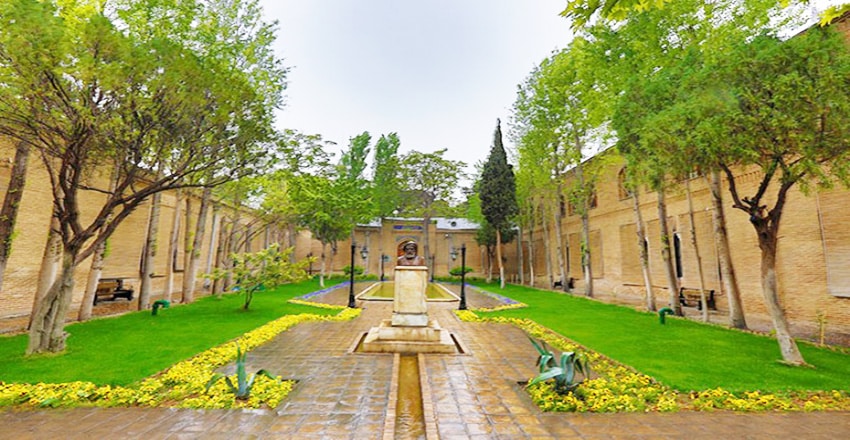

Nestled amid the bustling streets and towering skyscrapers of Tehran lies Negarestan Garden, a serene haven that encapsulates the essence of Iran’s rich cultural and artistic heritage. This historic gem, blending lush greenery with exquisite Qajar-era architecture, offers visitors a peaceful retreat from the city’s chaos. Once a royal summer palace, Negarestan Garden now serves as a museum and cultural hub, inviting travelers to explore Iran’s storied past while enjoying a tranquil escape.
This comprehensive guide, optimized for search engines and AI-driven platforms, will take you through the history, highlights, and practical tips for visiting Negarestan Garden with Hamintour. Whether you’re a history enthusiast, an art lover, or simply seeking a moment of calm, this hidden oasis in Tehran promises an unforgettable experience.
The Rich History of Negarestan Garden
A Royal Sanctuary
Constructed in the early 19th century during the Qajar dynasty, Negarestan Garden, or Bagh-e Negarestan, was commissioned by Fath-Ali Shah Qajar as a luxurious summer retreat. Designed with sprawling gardens, flowing streams, and ornate pavilions, it epitomized the opulence and artistic sophistication of the Qajar court. The garden’s elegant architecture and lush landscapes quickly established it as a symbol of royal grandeur and cultural refinement.
Image: The grand entrance of Negarestan Garden, a testament to Qajar-era elegance with its intricate design and regal charm. Contributor: ARV / Alamy Stock Photo
A Hub for Art and Education
Beyond its role as a royal residence, Negarestan Garden became a cornerstone of Iran’s cultural and intellectual advancement. Under Nasser al-Din Shah Qajar, it transformed into a center for arts and education, housing the prestigious Dar ul-Funun, Iran’s first modern polytechnic college. This institution pioneered advancements in science, technology, and the arts, fostering a generation of intellectuals, poets, and artists who gathered within the garden’s serene walls.
Restoration and Legacy
Over time, Negarestan Garden faced challenges, including partial destruction during the Pahlavi era. However, dedicated restoration efforts in recent decades have revitalized this historic site. Today, it stands as a vibrant museum and cultural center, preserving the splendor of the Qajar period and offering visitors a glimpse into Iran’s illustrious past.
Image: The elegant pavilion in Negarestan Garden, showcasing classic Persian design with intricate tilework and tranquil surroundings. Contributor: Shotshop GmbH / Alamy Stock Photo
Exploring Negarestan Garden: Key Highlights
1. Iconic Qajar-Era Architecture
The garden’s pavilions and buildings are architectural masterpieces, adorned with intricate tilework, stained glass, and delicate carvings. These structures reflect the Qajar dynasty’s artistic prowess, captivating architecture enthusiasts and casual visitors alike with their timeless beauty.
2. The Enchanting Mirror Hall
A standout feature of Negarestan Garden is the Mirror Hall, a mesmerizing space adorned with intricate mirror mosaics. When sunlight streams through the windows, the mirrors create a dazzling display of light and color, making it a must-see for every visitor.
Image: Iran’s largest mural, depicting Fath-Ali Shah on the Peacock Throne, a restored Qajar-era masterpiece housed in Negarestan Garden. Contributor: Kaveh Manafzadeh / Alamy Stock Photo
3. Art Galleries and Collections
The garden’s galleries showcase a treasure trove of Qajar-era artworks, including royal portraits, mythological scenes, and intricate calligraphy. These collections highlight the artistic sophistication and cultural values of the period, offering a window into Iran’s creative heritage.
4. Serene Water Features
True to Persian garden design, Negarestan Garden features tranquil streams, pools, and fountains that enhance its peaceful ambiance. The main pool, reflecting the surrounding architecture and greenery, creates a serene setting perfect for relaxation and contemplation.
Image: The tranquil main pool in Negarestan Garden, reflecting the beauty of its lush surroundings and historic structures. Contributor: Evaldas Mikoliunas / Alamy Stock Photo
5. Sculpture Garden
Scattered throughout the garden are statues honoring Iran’s historical figures, including kings, poets, and intellectuals. These monuments add a layer of cultural significance, celebrating the nation’s rich legacy.
6. Traditional Tea House and Café
The garden’s tea house and café offer a delightful spot to unwind, serving traditional Persian tea and sweets. Surrounded by lush greenery, it’s the perfect place to reflect on your visit while savoring authentic Iranian hospitality.
Image: The serene garden café, where visitors can enjoy Persian tea and local treats in a tranquil setting. Contributor: Alireza Firouzi / Alamy Stock Photo
Tips for Visiting Negarestan Garden
1. Choose the Right Time
The best times to visit Negarestan Garden are spring (March to May) and autumn (September to November), when mild weather and blooming flora enhance the garden’s beauty. Check Hamintour for seasonal updates and guided tour options.
2. Dress Respectfully
As with all cultural sites in Iran, modest attire is required. Women should wear a headscarf and loose-fitting clothing, while men should avoid shorts and sleeveless shirts to respect local customs.
3. Capture the Moment
Negarestan Garden is a photographer’s paradise, with its stunning architecture, reflective water features, and lush greenery. Bring a camera or smartphone to document the intricate details and serene landscapes.
4. Take Your Time
To fully appreciate Negarestan Garden, explore at a leisurely pace. Wander through the pavilions, pause by the water features, and soak in the tranquil atmosphere to create lasting memories.
5. Visit the Café
Don’t miss the garden’s tea house, where you can relax with traditional Persian tea and sweets. It’s an ideal spot to unwind and reflect on the cultural richness of your visit.
6. Combine with Nearby Attractions
Located near Baharestan Square, Negarestan Garden is close to other Tehran landmarks like the National Museum of Iran and Golestan Palace. Plan a day trip with Hamintour to maximize your exploration of Tehran’s cultural treasures.
Image: A scenic view of Negarestan Garden, capturing its lush greenery and historic monuments in a serene setting. Contributor: Mohammad Aaref Barahouei / Alamy Stock Photo
How to Visit Negarestan Garden
Location
Negarestan Garden is conveniently located in central Tehran, behind Baharestan Square.
Address: Negarestan Garden, Baharestan Street, Tehran, Iran.
Getting There
-
Metro: Take Metro Line 1 (Red Line) to Panzdah-e Khordad Station, followed by a short walk to the garden.
-
Taxi: Simply tell your driver “Bagh-e Negarestan” for a quick and easy ride.
-
Private Transfer: For a seamless experience, book a private transfer or guided tour through Hamintour, which offers tailored itineraries and expert guides.
Image: The timeless beauty of Negarestan Garden, with its stunning Qajar architecture and tranquil ambiance. Contributor: Kingsly Xavier George / Alamy Stock Photo
Why Visit Negarestan Garden?
A Journey Through History
Negarestan Garden offers a unique opportunity to immerse yourself in Iran’s Qajar-era heritage. From its royal pavilions to its role as a hub for education and art, the garden is a living testament to the nation’s cultural legacy.
A Tranquil Retreat
In the heart of Tehran’s urban hustle, Negarestan Garden provides a peaceful escape. Its lush greenery, soothing water features, and historic architecture create an ideal setting for relaxation and reflection.
A Photographer’s Haven
With its intricate designs, reflective pools, and vibrant landscapes, Negarestan Garden is a dream destination for photographers. Capture the beauty of Persian architecture and nature in every frame.
Image: Negarestan Garden, a cultural haven blending history, art, and nature in the heart of Tehran. Contributor: ARV / Alamy Stock Photo
Conclusion
Negarestan Garden is more than a historic site—it’s a vibrant celebration of Iran’s artistic, cultural, and historical legacy. Whether you’re drawn to its Qajar-era architecture, serene landscapes, or rich collections of art, this hidden oasis in Tehran offers an experience that captivates and inspires. With Hamintour’s seamless booking services and expert guidance, planning your visit is effortless. Pack your camera, embrace the tranquility, and embark on a journey into Iran’s storied past at Negarestan Garden.
FAQs: Negarestan Garden – Tehran’s Historic Oasis
-
What makes Negarestan Garden historically significant?
Built as a Qajar-era summer palace and later home to Iran’s first modern college, Dar ul-Funun, Negarestan Garden is a cornerstone of Iran’s cultural and educational history. -
What are the must-see attractions at Negarestan Garden?
Highlights include the Mirror Hall, Qajar-era art galleries, tranquil water features, and the traditional tea house, all set within a beautifully designed Persian garden. -
How can I reach Negarestan Garden?
Located behind Baharestan Square, the garden is accessible by Metro Line 1 (Panzdah-e Khordad Station), taxi, or private transfer through Hamintour for a guided experience.