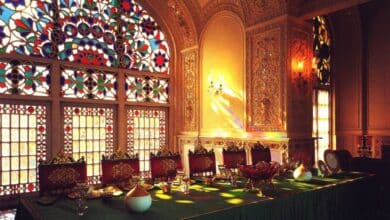

Tehran, Iran’s dynamic capital and one of the world’s most vibrant urban centers with over 14 million inhabitants, seamlessly blends ancient heritage with contemporary energy. Nestled in the shadow of the Alborz Mountains, this sprawling metropolis offers a treasure trove of cultural gems, from bustling bazaars to serene parks. Among its crown jewels is the Niavaran Palace Historical Cultural Complex, a mesmerizing blend of opulent architecture, lush gardens, and storied past that captivates history buffs, art lovers, and nature enthusiasts alike. hamintour, your trusted partner in unveiling Iran’s hidden wonders, invites you to immerse yourself in this iconic site through expertly curated tours that highlight its grandeur and depth. Spanning about 11 hectares of verdant landscape, the complex traces its roots to the Qajar era, evolving into a symbol of royal elegance during the Pahlavi dynasty. Whether you’re strolling through manicured pathways or admiring intricate interiors, a visit here promises an unforgettable journey into Persia’s regal legacy.
Unraveling the History of Niavaran Palace Complex
The story of Niavaran Palace begins in the early 19th century, when Fath-Ali Shah Qajar transformed a humble reed thicket—known as “Ney Avaran” or “growing reeds”—into a luxurious summer retreat amid the cool northern foothills of Tehran. This visionary ruler, seeking respite from the summer heat, commissioned the creation of Niavaran Garden around 1800, laying the foundation for what would become a royal haven. Over the decades, successive Qajar monarchs expanded the estate: Mohammad Shah added modest pavilions, while Naser al-Din Shah, in 1850, erected the majestic Sahebgharaniyeh Palace to commemorate his adoption of the title “Sahebghran.” By the reign of Ahmad Shah, the last Qajar ruler, the complex included the charming Kushk mansion, designed as a private summer escape.
The Pahlavi era marked a dramatic renaissance for Niavaran. In 1958, Mohammad Reza Shah Pahlavi, Iran’s final monarch, ordered the demolition of older structures to make way for a modern marvel—a sleek palace blending Iranian motifs with Western influences, completed in 1967. Initially intended as a venue for hosting dignitaries, it soon became the imperial family’s intimate residence, where the Shah, Empress Farah, and their children spent their final years before the 1979 Revolution. The palace’s innovative features, like its retractable glass ceiling in the grand hall, symbolized a bridge between tradition and modernity, allowing natural light to flood the space while offering panoramic views of the gardens below. Today, preserved as a national heritage site since 1998, Niavaran stands as a poignant testament to Iran’s layered history, drawing over a million visitors annually who flock to its gates for a glimpse into royal life. hamintour’s guided explorations delve deeper, sharing lesser-known anecdotes—like the garden’s role in diplomatic summits—and ensuring you experience the site’s serenity away from the crowds.
Key Attractions Within Niavaran Palace Complex
The Niavaran Complex is a mosaic of museums, palaces, and gardens, each telling a unique chapter of Iranian artistry and innovation. hamintour’s immersive tours navigate these highlights with insider insights, making your visit both educational and enchanting. Here’s a closer look at the must-see sections:
Niavaran Exclusive Palace: A Royal Retreat Frozen in Time
At the heart of the complex lies the Niavaran Exclusive Palace, a two-and-a-half-story modernist gem spanning 9,000 square meters, designed by architect Mohsen Foroughi. Step inside to discover opulent rooms adorned with French porcelain, German chandeliers, and Persian carpets woven with intricate motifs of flora and fauna. The ground floor boasts a private cinema—equipped for 16mm and 35mm projections—a formal dining room for state banquets, and the iconic Blue Hall with its azure walls evoking serene Caspian skies. Ascend to the middle floor for intimate spaces like Empress Farah’s secretary office and Princess Leila’s bedroom, filled with personal artifacts that humanize the monarchy. The upper level reveals the Shah’s study, complete with leather-bound volumes on Iranian history, and the children’s quarters, playfully decorated with custom murals.
What truly sets this palace apart is its architectural flair: the grand reception hall’s movable roof, a engineering feat from the 1960s, once opened to stargaze on balmy evenings. hamintour enhances your tour with audio guides recounting royal anecdotes, such as the 1971 Persepolis celebrations planned here, turning a simple walkthrough into a narrative adventure.
Sahebgharaniyeh Palace: Echoes of Qajar Splendor
Just 900 meters from the main palace, this 19th-century edifice—built in 1850 by Naser al-Din Shah—exudes Qajar romance with its arched verandas and mirrored halls. Originally a summer residence, it was revamped by Reza Shah in the 1920s for his son’s wedding and later served as Mohammad Reza’s office. Post-revolution renovations in the 1980s transformed it into a museum showcasing Qajar portraits, constitutional-era photographs, and the mesmerizing Jahan Nama Hall, where mirrored ceilings create infinite reflections of gilded frescoes. Wander its corridors to spot the Shah’s original desk, etched with diplomatic notes, or admire hunting scenes depicting Naser al-Din Shah’s adventures. hamintour’s experts highlight the palace’s role in pivotal events, like early 20th-century reform discussions, adding layers of political intrigue to your exploration.
Jahan Nama Museum: A Global Art Odyssey
Flanking Sahebgharaniyeh’s western wing, this 1976-founded gallery—gifted to Empress Farah—houses over 400 masterpieces across five halls, blending ancient relics with modernist icons. Marvel at Picasso’s vibrant abstracts alongside Sohrab Sepehri’s ethereal landscapes, or Dali’s surreal bronzes next to Parviz Tanavoli’s poetic sculptures. The basement features millennia-old terracotta from Elamite sites, while the central hall’s ceiling blooms with Shirazi floral motifs in intricate woodwork. Artifacts from Sumerian, Assyrian, and Sasanian eras underscore Iran’s crossroads of civilizations. hamintour’s art-focused itineraries include curator-led talks, revealing how these pieces were acquired during Farah’s international tours, fostering a deeper appreciation for cultural diplomacy.
Ahmad Shahi Kushk: The Qajar Crown Jewel
This petite pavilion, erected in 1918 as Ahmad Shah’s summer hideaway, spans 800 square meters with a central hall opening to four verandas. Reza Shah later repurposed it as his office, adding functional elegance. Admire the north veranda’s stunning plasterwork of a lion-and-sun emblem, a Zoroastrian symbol of power, and the second-floor music room where royal ensembles once performed. Its compact scale belies its charm—perfect for quiet reflection amid blooming jasmine. With hamintour, uncover tales of Ahmad Shah’s youthful escapades here, blending whimsy with historical weight.
Automobile Museum: Wheels of Royalty
Tucked in a repurposed 200-square-meter garage 500 meters northwest, this 2013-opened exhibit displays the Pahlavi fleet: sleek Cadillacs, vintage Mercedes, and mini-motorcycles for the royal children. Replicas of ceremonial cars add interactive flair, illustrating the era’s automotive passion. hamintour’s tours often include fun facts, like the Shah’s favorite rides during state processions.
Niavaran Inscription Museum Garden: Ancient Voices in Stone
Established in 2007 in the garden’s eastern expanse, this open-air gallery features 43 ancient inscriptions from Medes to Sasanians, including Shapur I’s Naqsh-e Rostam epics. Carved in cuneiform and Pahlavi scripts, they narrate conquests and decrees, bridging epochs. Stroll shaded paths for a tactile connection to Iran’s 3,000-year legacy. hamintour pairs this with storytelling sessions, decoding scripts for modern travelers.
Beyond the Palaces: Gardens and Hidden Gems
Enveloping these treasures is Niavaran Garden, a verdant oasis with towering cypresses, fountains, and seasonal blooms that once hosted lavish picnics. Don’t miss the Royal Library’s 23,000-volume collection on Persian literature and history, or the Hozkhaneh Museum’s royal attire displays. hamintour’s eco-tours emphasize sustainable practices, like garden conservation efforts, ensuring your visit honors this living heritage.
Why Choose hamintour for Your Niavaran Adventure?
hamintour elevates your Niavaran experience with seamless logistics, from private transfers to multilingual guides versed in Tehran’s lore. Our small-group tours minimize wait times, while customizable add-ons—like photography sessions amid the gardens—cater to every passion. Committed to authentic, responsible tourism, hamintour supports local artisans and heritage preservation, making your journey not just a visit, but a meaningful connection to Iran’s soul. Book with us to unlock exclusive access and insider stories that bring the complex’s whispers to life.
Final Reflections on Niavaran’s Enduring Legacy
The Niavaran Palace Complex transcends its royal origins, emerging as a vibrant cultural hub where Qajar opulence meets Pahlavi innovation. From mirrored halls reflecting infinite histories to gardens whispering ancient secrets, it encapsulates Iran’s resilient spirit. As you depart, carry the echo of its grandeur—a reminder that Tehran’s pulse beats with timeless allure. With hamintour, transform this exploration into cherished memories, ready for your next Iranian odyssey.
Niavaran Palace Complex FAQ
Where is Niavaran Palace located? Nestled in northern Tehran’s Shemiranat district, at the intersection of Pasdaran (Bahnar) and Darabad Streets, near Niavaran Square—easily accessible via taxi or metro from central Tehran.
When was Niavaran Palace built? The modern Niavaran Exclusive Palace was designed in 1958 and completed in 1967 during Mohammad Reza Shah’s reign, though the site’s garden dates to around 1800 under Fath-Ali Shah Qajar.
When was the palace of Niavaran renewed? Major renovations occurred from 2013 to 2018, restoring paintings, mirrors, furniture, and installing modern systems like air conditioning and CCTV; it reopened to the public in March 2018.
What are the best times to visit Niavaran Palace? Spring (March-May) and autumn (September-November) offer mild weather and blooming gardens; aim for weekdays to avoid crowds, with tickets around 200,000 IRR for foreigners.
Is photography allowed inside Niavaran Palace? Yes, in most outdoor areas and select interiors, but no flash or tripods; hamintour tours provide tips for capturing the site’s stunning architecture without restrictions.
How long does a typical visit to the complex take? Plan 2-3 hours to explore fully, including gardens and museums; hamintour’s guided options extend to 4 hours with deeper historical dives.