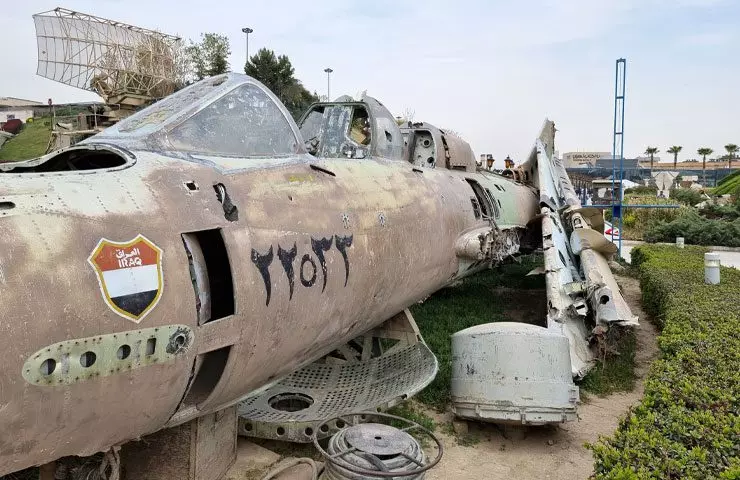

The Holy Defense Museum, located in the heart of Tehran, stands as one of Iran’s most prominent national landmarks and a cornerstone of cultural heritage in the Islamic world. Renowned as one of the largest war-focused museums globally, it preserves the legacy of the Iran-Iraq War (1980–1988) and the Islamic Revolution. Often referred to as the National Museum of the Islamic Revolution and Holy Defense, this iconic institution houses a vast collection of artifacts, offering an immersive journey through Iran’s modern history. For travelers and history enthusiasts, this museum is a must-visit destination to explore the resilience and sacrifices of a nation.
Nestled within a beautifully landscaped garden, the museum is not just a repository of relics but a vibrant cultural hub in Tehran. Its serene surroundings and diverse facilities, including a bookstore, a national library, an art garden, and interactive exhibitions, make it a multifaceted destination. Join us as we dive into the captivating features of the Holy Defense Museum, its unique sections, and why it’s a top attraction for visitors to Iran.
A Glimpse into the Holy Defense Museum’s Legacy
Established in 2004, the Holy Defense Museum spans an impressive 205,000 square meters, blending historical significance with architectural elegance. The museum’s outdoor area is a visual delight, featuring lush greenery, towering trees, and a stunning artificial lake that reflects the serene beauty of the complex. The lake serves as a canvas for captivating video and image projections, adding a modern touch to the tranquil garden pathways. These thoughtfully designed spaces create an inviting atmosphere, perfect for reflection and exploration.
The museum’s outdoor courtyard is a testament to its commitment to blending nature with history. Visitors can stroll along picturesque walkways, immersing themselves in the peaceful ambiance while learning about Iran’s storied past. Whether you’re a history buff, a cultural explorer, or simply seeking a unique experience in Tehran, the Holy Defense Museum offers something for everyone.
Exploring the Diverse Sections of the Holy Defense Museum
The Holy Defense Museum is a treasure trove of historical and cultural exhibits, divided into several distinct areas. From state-of-the-art museums to conference halls and art galleries, the complex is designed to educate and inspire. Below, we explore the key sections that make this museum a standout destination.
Main Museum: A Journey Through History
Opened in 2012, the Main Museum is the heart of the Holy Defense Museum, offering a comprehensive look at the Islamic Revolution and the Iran-Iraq War. Spanning seven intricately designed halls, this section uses cutting-edge technology to bring history to life. Interactive displays, multimedia presentations, and carefully curated artifacts guide visitors through the pivotal moments of Iran’s modern history, from the revolution led by Imam Khomeini to the eight-year war. Each hall complements the others, creating a cohesive narrative that is both educational and emotionally resonant.
Martyr Qasem Soleimani Museum: Honoring Resistance
Dedicated to the legacy of Martyr Qasem Soleimani, this museum was established to highlight the evolution of the Resistance Front. Comprising 12 unique sections, it explores various aspects of resistance, including enemy recognition, the role of holy sites, and the struggles in Iraq and Palestine. The museum uses innovative storytelling and exhibits to provide a deeper understanding of Soleimani’s contributions and the broader resistance movement. This section is a must-see for those interested in the geopolitical and cultural dynamics of the region.
Shia Shrines Exhibit: A Celebration of Faith
The Shia Shrines Exhibit is a captivating display that reflects Iran’s rich religious heritage. Located within the museum, this permanent exhibit showcases the cultural and spiritual significance of Shia holy sites. Through carefully curated artifacts and visual storytelling, visitors gain insight into the deep-rooted beliefs that have shaped Iran’s identity. This exhibit is a powerful reminder of the intersection between faith and history in the Islamic Republic.
Fakkeh Exhibition Space: Art and History Intertwined
Spanning 500 square meters, the Fakkeh Exhibition Space is dedicated to artistic expressions of the Islamic Revolution and the Iran-Iraq War. This gallery features a rotating collection of artworks, including paintings, sculptures, and installations, that capture the spirit of the era. Regular artistic workshops held in this space engage visitors and foster creativity, making it a dynamic part of the museum experience.
Permanent Exhibit in Military Attire: A Leader’s Legacy
This unique exhibition, inaugurated in 2023 under the presidency of Shahid Raisi, showcases rare documents and correspondence from Iran’s current leader, Ayatollah Khamenei, during the Sacred Defense period. Accompanied by a narrative of his wartime experiences, this exhibit offers a personal perspective on the Iran-Iraq War. It’s a fascinating glimpse into the leadership and resilience that defined this critical chapter in Iran’s history.
Conference Halls: A Hub for Dialogue
The Holy Defense Museum is also a center for intellectual and cultural exchange, hosting seminars, film screenings, and documentaries in its state-of-the-art conference halls. Key venues include the Persian Gulf Hall, with a capacity of 460 and equipped with advanced lighting and projection systems, and the Howeyzeh Conference Hall, which seats 121 and features modern audiovisual equipment. Other notable halls, such as Azadegan, Sosangerd, and Qasr-e Shirin, provide additional spaces for events and discussions on war-related topics.
Accommodations Near the Holy Defense Museum
For visitors planning a trip to the Holy Defense Museum, Tehran offers a range of accommodations to suit every budget. Nearby hotels such as Eram, Kourosh, Homa, and Pariz provide comfortable stays with easy access to the museum. For a luxurious experience, consider the Espinas Palace Hotel, known for its elegance and proximity to cultural landmarks. Many of these hotels offer dining options, allowing you to savor authentic Persian cuisine without venturing far from the museum.
To book your stay, explore options through hamintour for exclusive deals and seamless travel planning. Whether you’re visiting for a day or an extended trip, these accommodations ensure a convenient and enjoyable experience.
How to Visit the Holy Defense Museum
Located in Tehran’s Abbas Abad district along Shahid Haqani Highway, the Holy Defense Museum is easily accessible by metro, taxi, or BRT. For those using public transportation, disembark at Haqani Station on Line 1 of the Tehran Metro and take a short walk to the museum. If driving, the museum offers a spacious, well-equipped parking area for your convenience.
The museum welcomes visitors from 11 AM to 6 PM, providing ample time to explore its exhibits and facilities. Whether you’re a solo traveler or visiting with family, the museum’s accessible location and engaging displays make it an ideal destination.
Why Visit the Holy Defense Museum?
The Holy Defense Museum is more than a historical archive; it’s a vibrant testament to Iran’s resilience, culture, and faith. For those passionate about history, warfare, or the Islamic Revolution, this museum offers a profound and immersive experience. Beyond its historical exhibits, the museum’s library, publishing house, art galleries, and conference halls provide a wealth of resources for researchers, students, and cultural enthusiasts.
Plan your visit with hamintour to uncover the rich history and cultural significance of this iconic landmark. From interactive exhibits to serene garden pathways, the Holy Defense Museum promises an unforgettable journey through Iran’s past and present.
FAQs About the Holy Defense Museum
- Where is the Holy Defense Museum located?
The museum is situated in Tehran’s Abbas Abad district along Shahid Haqani Highway, easily accessible by metro, taxi, or car. - What are the key sections of the Holy Defense Museum?
The museum includes the Main Museum, Martyr Qasem Soleimani Museum, Shia Shrines Exhibit, Fakkeh Exhibition Space, and multiple conference halls, among other facilities. - How can I reach the Holy Defense Museum?
Visitors can use the Tehran Metro (Haqani Station, Line 1), taxis, or BRT. A parking area is available for those driving. - What are the visiting hours of the Holy Defense Museum?
The museum is open daily from 11 AM to 6 PM, welcoming visitors to explore its exhibits and facilities.