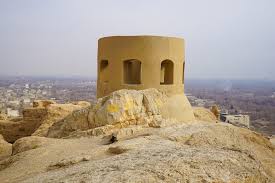

Perched majestically atop Maras Hill, overlooking the serene Zayandeh River, the Isfahan Atashgah, or Fire Temple of Isfahan, is a captivating relic of Iran’s pre-Islamic past. Dating back to the Sassanian era (224–651 CE), this ancient Zoroastrian temple once housed an eternal flame, a sacred symbol of divine purity and the presence of Ahura Mazda, the supreme deity in Zoroastrianism. Despite the passage of centuries, the Atashgah remains a powerful testament to Iran’s rich spiritual and cultural heritage, drawing historians, spiritual seekers, and curious travelers alike.
Though weathered by time, the temple’s weathered mud-brick walls and iconic chartaq architecture continue to evoke the grandeur of Persia’s ancient civilization. From its breathtaking views of Isfahan’s landscapes to its profound historical significance, the Atashgah offers a unique glimpse into Zoroastrian rituals and Persian artistry. In this guide, we explore the temple’s history, architectural brilliance, cultural importance, and essential visitor information to help you plan an unforgettable visit. Book your trip with hamintour for a seamless journey into Iran’s ancient past!
The Historical Roots of Isfahan Atashgah
The Isfahan Atashgah stands as a living monument to Zoroastrianism, one of the world’s oldest monotheistic religions, founded by the prophet Zarathustra (Zoroaster) around the 6th century BCE. Zoroastrianism, centered on the worship of Ahura Mazda, emphasizes the eternal struggle between good and evil, with fire symbolizing divine light and purity. Fire temples, like the Atashgah, were sacred spaces where eternal flames were tended by priests, serving as focal points for worship and community gatherings.
During the Sassanian Empire, Zoroastrianism was the state religion, and fire temples were constructed across Persia, including in Isfahan, a cultural hub even in ancient times. The Atashgah, with its strategic hilltop location, was likely a prominent center for religious ceremonies, offering both spiritual solace and a vantage point over the Zayandeh River. Its enduring presence reflects the resilience of Zoroastrian traditions, even as Iran transitioned to Islam after the 7th-century Arab conquest. Today, the Atashgah stands as a bridge between Iran’s pre-Islamic and Islamic identities, inviting visitors to explore its storied past.
Architectural Marvel of the Atashgah
The Isfahan Atashgah is a striking example of Sassanian architecture, blending functionality with spiritual symbolism. Built primarily from mud-brick, the temple features the classic chartaq design—a square structure with four arches supporting a domed roof, a hallmark of Zoroastrian fire temples. The “Tower of Sacrifice,” a prominent feature, was likely used for rituals and offerings, adding to the site’s sacred aura.
The temple’s hilltop location enhances its grandeur, offering panoramic views of Isfahan’s lush valleys and the Zayandeh River. The entrance, once adorned with intricate tilework and vaulted arches, reflects the Persian craftsmanship of the era, though much of the original decoration has faded. Inside, the main hall, designed to house the sacred fire, is bathed in natural light, creating a serene and contemplative atmosphere. Avestan inscriptions, written in the sacred language of Zoroastrian scriptures, are etched into the walls, connecting visitors to the temple’s ancient rituals.
While the eternal flame no longer burns, the fire altar remains the centerpiece of the Atashgah, symbolizing the enduring spirit of Zoroastrian faith. The structure’s weathered yet majestic appearance, combined with its scenic surroundings, makes it a must-visit for those seeking to understand Iran’s architectural and spiritual heritage.
Cultural Significance of the Atashgah
The Isfahan Atashgah is more than a historical site—it’s a cultural treasure that embodies the legacy of Zoroastrianism in Persia. As one of the few remaining fire temples in Iran, it offers a rare window into the rituals, beliefs, and daily life of Zoroastrians during the height of the Persian Empire. The temple’s sacred fire once inspired art, philosophy, and governance, shaping Persia’s cultural identity for centuries.
Today, the Atashgah serves as a cultural bridge, connecting modern visitors with Iran’s pre-Islamic roots. It attracts a diverse audience, from historians studying Zoroastrianism’s influence to spiritual seekers exploring the philosophy of good versus evil. The site also hosts occasional cultural events, such as lectures on Zoroastrian history or exhibitions of Persian art, fostering dialogue between Iran’s past and present. For the global Zoroastrian diaspora, the Atashgah is a symbol of resilience, preserving traditions in a rapidly modernizing world.
The temple’s serene setting, surrounded by gardens and rolling hills, enhances its spiritual allure. Visitors often find the tranquil environment perfect for reflection, whether contemplating the site’s historical significance or simply soaking in the natural beauty. The Atashgah is a reminder of Iran’s diverse cultural tapestry, where Zoroastrian, Islamic, and modern influences coexist harmoniously.
What to Expect When Visiting the Atashgah
Visiting the Isfahan Atashgah is a journey into history and nature, offering both educational and scenic experiences. Here’s what you can expect:
- Guided Tours: Knowledgeable guides are available to share insights about the temple’s history, Zoroastrian rituals, and architectural features. Tours often include explanations of the chartaq design and the symbolism of the sacred fire.
- Photography Opportunities: The temple’s hilltop location and surrounding landscapes provide stunning photo opportunities, especially at sunset when the Zayandeh River glows with golden hues. Photography is permitted, but flash may be restricted inside to preserve the site.
- Hiking and Exploration: The climb to the Atashgah is a moderate hike, offering breathtaking views of Isfahan. Wear comfortable shoes and bring water, especially in warmer months.
- Cultural Immersion: Engage with local guides to learn about Zoroastrian traditions, such as the reverence for fire and water, and their influence on Persian culture.
Tip: Book a guided tour through hamintour to enhance your visit with expert insights and seamless logistics.
Practical Visitor Information
Location
The Isfahan Atashgah is located on Maras Hill, approximately 8 km west of Isfahan’s city center, offering a serene escape from the urban bustle. The hilltop setting provides stunning views of the Zayandeh River and surrounding gardens, making it a perfect blend of history and nature.
Operating Hours
The Atashgah is open year-round, typically from 8:00 AM to 6:00 PM. Check ahead for exact hours, as they may vary during Zoroastrian holidays or festivals like Nowruz (Persian New Year). Advance booking through hamintour is recommended to avoid crowds.
Entry Fee
The entry fee is minimal, typically around 200,000–300,000 IRR (~1–2 USD), contributing to the site’s maintenance and cultural programs. Discounts may be available for students or groups.
Dress Code
As a sacred site, modest clothing is required. Women should wear a headscarf and loose-fitting attire, while men should avoid shorts. Respectful dress honors the temple’s spiritual significance.
Getting There
- By Car: A 20–30-minute drive from central Isfahan, with parking available near the base of Maras Hill. Book a taxi or car rental through hamintour for convenience.
- By Public Transport: Take a bus or taxi to the Maras Hill area, followed by a short hike to the temple. Shared taxis are a budget-friendly option from Isfahan’s city center.
- By Foot: For adventurous travelers, a scenic hike from nearby neighborhoods offers a rewarding experience, though it’s best suited for cooler months.
Tip: Visit in spring (March–May) or autumn (September–November) for mild weather and vibrant landscapes. Summer visits are best early in the morning to avoid heat.
Legacy of the Atashgah: A Beacon of Persian Heritage
In an era of rapid modernization, the Isfahan Atashgah stands as a timeless symbol of Iran’s Zoroastrian heritage, connecting past and present. Its weathered walls and sacred altar tell the story of a faith that once shaped Persian art, philosophy, and governance. For modern Iranians and the global Zoroastrian community, the Atashgah is a place of pride and reflection, fostering cultural dialogue and preserving ancient traditions.
The temple’s revival in recent years, through educational programs and cultural events, underscores its role as a living monument. Whether you’re a historian, a spiritual seeker, or a traveler drawn to architectural beauty, the Atashgah offers a profound experience. Its serene hilltop setting, rich history, and spiritual resonance make it a must-visit destination in Isfahan.
Plan Your Visit with hamintour
To make the most of your trip to the Isfahan Atashgah, book your accommodations and tours through hamintour. Stay at nearby hotels like the Isfahan Traditional Hotel for an authentic Persian experience, or join a guided cultural tour to explore Isfahan’s UNESCO-listed sites, including Naqsh-e Jahan Square and Si-o-se-pol Bridge. With hamintour, your journey to the Atashgah will be seamless, enriching, and unforgettable.
FAQs About Isfahan Atashgah
- What kind of place is the Isfahan Atashgah?
The Atashgah is a Sassanian-era Zoroastrian fire temple on Maras Hill in Isfahan, known for its chartaq architecture and historical significance as a place of worship. - Who is the founder of Zoroastrianism, and when was it founded?
Zoroastrianism was founded by the prophet Zarathustra (Zoroaster) around the 6th century BCE, making it one of the world’s oldest monotheistic religions. - What do visitors see when they come to the Atashgah?
Visitors can explore the temple’s mud-brick chartaq structure, fire altar, Avestan inscriptions, and stunning views of the Zayandeh River, with guided tours offering insights into Zoroastrian rituals and history.