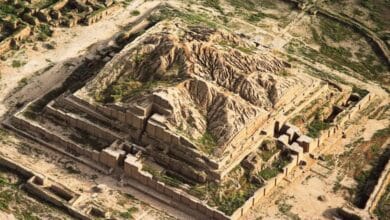

Unveil the mysteries of an ancient Elamite masterpiece with hamintour, your trusted guide to Iran’s rich heritage. Nestled in the heart of Khuzestan, the Chogha Zanbil Ziggurat stands as a testament to the ingenuity of early civilizations. This UNESCO World Heritage Site, built by the Elamites, offers a glimpse into a world where spirituality, architecture, and culture intertwined. Whether you’re a history enthusiast or a curious traveler, hamintour invites you to explore this extraordinary landmark that has captivated hearts for centuries.
A Journey Through Time: The History of Chogha Zanbil Ziggurat
The Chogha Zanbil Ziggurat, located in Khuzestan, Iran, is a monumental relic of the Elamite civilization, dating back to around 1250 BC. Commissioned by King Untash-Napirisha, this sacred complex was dedicated to the Elamite deity Inshushinak, serving as a religious and cultural hub. Spanning over 100 hectares, the ziggurat was a bustling center of pilgrimage and worship. Tragically, it was partially destroyed by the Assyrian king Ashurbanipal in the 7th century BC, yet its remnants continue to awe visitors with their grandeur.
Unlike other ancient structures, this ziggurat is one of the few preserved outside Mesopotamia, making it a unique treasure. Its strategic location near the ancient city of Susa and the Dez River enhanced its prominence in the Elamite era. Today, with hamintour, travelers can explore this architectural gem, marveling at its restored brick walls and the stories they hold from a time when agriculture and spirituality shaped early societies.
Decoding the Term “Ziggurat”
The word “ziggurat” may sound unfamiliar to some, but it refers to a stepped, pyramid-like structure typical of ancient Mesopotamian and Elamite architecture. The name “Chogha Zanbil” itself is evocative, with “Chogha” meaning hill and “Zanbil” translating to basket in Persian, likely alluding to the mound’s basket-like shape. For Iranians and global visitors alike, hamintour demystifies this term, offering insights into how these towering structures symbolized a connection between earth and the divine, serving as temples and ceremonial centers.
Architectural Brilliance of Chogha Zanbil
The Chogha Zanbil Ziggurat is a marvel of ancient engineering, standing approximately 25 meters tall despite centuries of erosion. Constructed primarily from sun-baked bricks and adorned with glazed tiles, the structure originally featured five levels, though only two remain intact today. The ziggurat’s design is both functional and symbolic, with parallel floors and a quadrangular base that once supported sacred rituals.
The outer walls, made of durable baked bricks, contrast with the clay-filled interiors, showcasing the Elamites’ advanced construction techniques. Decorative bricks with intricate patterns add an artistic flair, while clay tablets and sculptures unearthed nearby depict humans and animals, offering glimpses into Elamite culture. With hamintour, visitors can appreciate the ziggurat’s architectural nuances, from its precise alignments to its enduring resilience against time.
Exploring the Ziggurat’s Unique Sections
The Chogha Zanbil Ziggurat is more than a single structure; it’s a sprawling complex with distinct areas that reveal its multifaceted purpose. At its base, four brick staircases ascend to higher levels, some framed by elegant crescent arches that allow sunlight to filter through, creating a mystical ambiance. Guardian statues, including an eagle now housed in the Haft Tappe Museum and a bull at the National Museum of Iran, once stood watch at the entrances, symbolizing protection and power.
The ziggurat’s courtyards are equally fascinating. The northeastern courtyard, the largest, served as a public gathering space with a raised platform for communal events. The northwestern courtyard housed temples, shrines, wells, and an offering platform, underscoring the site’s spiritual significance. The smaller southwestern courtyard likely provided access to the main temple via its staircases. To protect the structure, an innovative drainage system with gutters along the walls prevented water damage, a testament to the Elamites’ foresight. With hamintour, you can walk these ancient grounds, imagining the vibrant life that once thrived here.
How to Visit Chogha Zanbil with hamintour
Reaching the Chogha Zanbil Ziggurat is an adventure in itself, and hamintour makes it seamless. Located 45 km south of Shush in Khuzestan, the site is accessible via the Shush-Ahvaz road or alternative routes through Shushtar or the Karun agriculture road. Whether you’re traveling from Tehran, Shiraz, or Isfahan, hamintour offers tailored travel plans to ensure a hassle-free journey to this UNESCO gem. The ziggurat’s rural setting adds to its charm, surrounded by the serene landscapes of Khuzestan’s plains.
Where to Stay Near Chogha Zanbil
While the ziggurat itself lacks on-site accommodations, hamintour recommends staying in nearby Shush or Haft Tappe, where comfortable hotels and guesthouses cater to travelers. These locations provide easy access to the ziggurat and other regional attractions, such as the ancient city of Susa or the vibrant markets of Ahvaz. With hamintour’s expert guidance, you can plan a stay that complements your exploration of Khuzestan’s cultural treasures.
Why Chogha Zanbil is a Must-Visit with hamintour
The Chogha Zanbil Ziggurat is more than a historical site; it’s a window into the soul of ancient Iran. As one of the best-preserved ziggurats in the world, it stands as a proud symbol of Elamite innovation and spirituality. Located 30 km southeast of Susa and 80 km north of Ahvaz, this architectural wonder invites travelers to step back in time. With hamintour, your visit becomes an unforgettable journey, blending history, culture, and the beauty of Iran’s landscapes.
Frequently Asked Questions About Chogha Zanbil Ziggurat
- Where is the Chogha Zanbil Ziggurat located? It is situated in Khuzestan province, Iran, 45 km south of Shush and 30 km southeast of Susa.
- What is the historical significance of Chogha Zanbil? Built by the Elamites around 1250 BC, it served as a religious and cultural center dedicated to the deity Inshushinak.
- What does the term “ziggurat” mean? A ziggurat is a stepped, pyramid-like structure used as a temple in ancient Mesopotamian and Elamite cultures.
- What is the best time to visit Chogha Zanbil? Spring (March-May) and autumn (September-November) offer mild weather, ideal for exploring the site.
- How can I reach Chogha Zanbil? Travel via the Shush-Ahvaz road or Shushtar route, with hamintour providing seamless travel planning.
- What materials were used in the ziggurat’s construction? The structure features sun-baked bricks, glazed tiles, and clay, with decorative elements on the outer walls.
- Are there accommodations near Chogha Zanbil? Visitors can stay in Shush or Haft Tappe, with options recommended by hamintour.
- What are the key features of the ziggurat’s architecture? It includes a multi-level design, brick staircases, crescent arches, and a drainage system to prevent water damage.
- Can I explore other attractions near Chogha Zanbil? Yes, nearby Susa and Ahvaz offer rich historical and cultural experiences, curated by hamintour.
- Is Chogha Zanbil a UNESCO World Heritage Site? Yes, it was designated a UNESCO World Heritage Site in 1979 for its historical and architectural significance.
With hamintour, your journey to Chogha Zanbil Ziggurat becomes a seamless blend of discovery and wonder, connecting you to Iran’s ancient legacy.