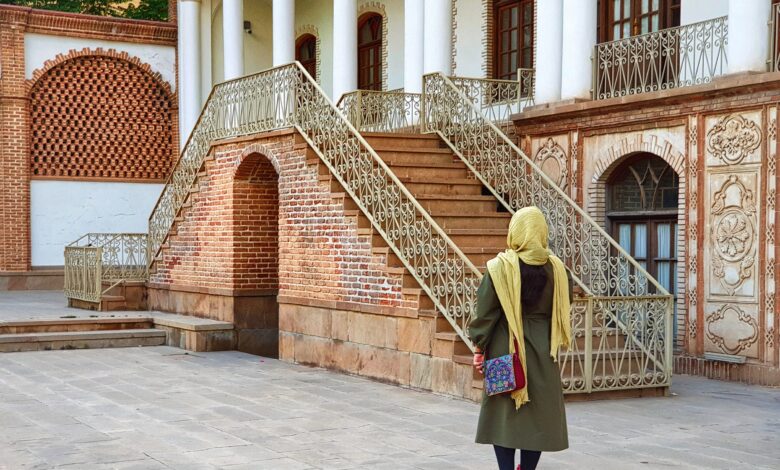

Nestled in the heart of Tabriz, a city celebrated for its vibrant history and cultural depth, the Qajar Museum, housed in the magnificent Amir Nezam House, stands as a testament to Iran’s Qajar-era grandeur. This architectural gem, recognized on Iran’s National Heritage List, is one of Tabriz’s top attractions, offering visitors an immersive journey through Persian history, art, and culture. Whether you’re a history enthusiast, an architecture lover, or a curious traveler, the Qajar Museum promises an unforgettable experience that blends elegance, heritage, and storytelling.
Why Visit the Qajar Museum in Tabriz?
The Qajar Museum, also known as the Amir Nezam House, is more than a museum—it’s a portal to Iran’s past. With its stunning Qajar-style architecture, meticulously curated artifacts, and rich historical narrative, this landmark captures the essence of a bygone era. From intricate tilework to royal relics, the museum offers a deep dive into the opulence and ingenuity of the Qajar dynasty, making it a must-visit destination for anyone exploring Tabriz.
A Journey Through the Qajar Museum’s History
The Qajar Museum, located in the historic Amir Nezam House, was originally built in the mid-19th century as the private residence of Hassan Ali Khan Garrousi, a prominent figure during the reign of Naser al-Din Shah, the fourth Qajar king. Known as Amir Nezam Garrousi, this influential minister, diplomat, and scholar left an indelible mark on Iran’s cultural and political landscape. His grand estate, reflecting the lavish lifestyle of the Qajar elite, was later acquired by Iran’s Cultural Heritage, Handicrafts, and Tourism Organization in 1991. After years of careful restoration, it opened its doors as a museum in 2006, welcoming visitors from across the globe.
Today, the Qajar Museum stands as a cultural beacon, showcasing the architectural brilliance and historical significance of the Qajar era. Its exhibits, ranging from royal artifacts to everyday items, tell the story of a dynasty that shaped modern Iran. For travelers seeking to uncover Tabriz’s rich heritage, this museum is an essential stop on any itinerary.
Amir Nezam Garrousi: A Visionary of the Qajar Era
Hassan Ali Khan Garrousi was no ordinary statesman. Born into a distinguished family in Bijar, he served as an ambassador to England, Austria, the Ottoman Empire, and France, fostering diplomatic ties that strengthened Iran’s global presence. His contributions extended beyond politics—he introduced coin-minting machines, established postage systems, and funded educational institutions like Moshafarieh and Rashidieh schools in Tabriz. A gifted calligrapher, Garrousi also oversaw the printing of Persian literary classics, leaving a legacy that the Qajar Museum proudly preserves.
Architectural Splendor of the Amir Nezam House
The Qajar Museum is a masterpiece of Persian architecture, embodying the elegance and sophistication of the Qajar period. Spanning 3,000 square meters, with a 1,500-square-meter built area, the Amir Nezam House is divided into two distinct sections: the inner quarters (andaruni) for family life and the outer quarters (biruni) for public and official functions. This layout reflects the Qajar era’s architectural philosophy, blending functionality with aesthetic brilliance.
As you approach the museum, the grand veranda, supported by intricately plastered columns, immediately captures attention. A sprawling courtyard, centered around a serene blue pool framed by vibrant flowers, creates a tranquil setting. The basement features a traditional pool house (hoz khaneh), designed as an octagonal retreat with windcatchers to cool the air during Tabriz’s warm summers. Every detail, from the seven-color tilework to the stained-glass windows in rich reds and purples, showcases the artistry of Qajar craftsmen. Mythical motifs, royal emblems, and mirror work adorn the interiors, reflecting the era’s obsession with opulence and beauty.
Unique Architectural Highlights
- Vibrant Tilework: The museum’s tiles feature intricate Persian motifs, showcasing the Qajar era’s mastery of color and design.
- Stained-Glass Windows: These colorful windows cast a magical glow, enhancing the mansion’s ethereal ambiance.
- Mirrored Interiors: The andaruni’s mirrored walls create a dazzling effect, a hallmark of Qajar luxury.
- Traditional Pool House: The octagonal hoz khaneh, with its central basin and cooling windcatchers, offers a glimpse into Qajar-era innovation.
Exploring the Qajar Museum’s Diverse Exhibits
The Qajar Museum is a treasure trove of artifacts, organized across multiple halls that bring the Qajar era to life. Each section is thoughtfully curated to highlight different aspects of the period, from daily life to royal decrees. Visitors are greeted by statues of Qajar luminaries like Abbas Mirza, Amir Kabir, and Amir Nezam Garrousi, adding a personal touch to the museum’s historical narrative.
Key Exhibit Halls
- Architecture and Urban Planning Hall: Discover relics that showcase the Qajar era’s advancements in design and city planning.
- Notables and Decrees Hall: Explore artifacts related to key figures and official edicts that shaped Qajar Iran.
- Lantern Hall: Admire period lighting fixtures, reflecting the era’s blend of functionality and artistry.
- Weapons Hall: View antique arms, offering insight into the military history of the Qajar dynasty.
- Stone Hall: Marvel at intricately carved stones that highlight Persian craftsmanship.
- Lock Hall: Examine vintage locks, showcasing the ingenuity of Qajar artisans.
- Music Hall: Discover musical instruments that echo the cultural richness of the period.
- Metals Hall: Explore metalwork artifacts, from tools to decorative pieces.
- Glassware and Porcelain Halls: Admire delicate vessels and fine china that reflect Qajar elegance.
- Coins Hall: Trace the evolution of currency during the Qajar era.
- Textiles Hall: View woven goods that highlight the artistry of Qajar textile production.
- Inlay Hall: Appreciate khataam-crafted items, showcasing intricate inlay techniques.
Must-See Artifacts
The museum’s collection includes Amir Nezam’s personal belongings, kitchen utensils, coins, inlaid objects, metal instruments, glassware, porcelain, musical instruments, textiles, and even Naser al-Din Shah’s first camera. Old photographs and weapons add depth to the exhibits, making the Qajar Museum a paradise for history buffs and culture enthusiasts alike.
The Courtyard and Inner Quarters: A Serene Escape
The Qajar Museum’s courtyard is a visual delight, with its central blue pool reflecting the vibrant stained-glass windows. Surrounded by blooming flowers and flowing water channels, the courtyard creates a serene ambiance, perfect for photography or quiet reflection. Narrow channels extend water to other garden areas, enhancing the tranquil setting and showcasing the Qajar era’s attention to harmony and beauty.
The inner quarters (andaruni), once reserved for women and servants, are equally captivating. Mirrored walls, stained-glass lattice windows, and ornate plastered columns create a sense of timeless elegance. The andaruni also includes a kitchen and storage rooms, offering a glimpse into the daily life of a Qajar household. These spaces, rich with history and craftsmanship, transport visitors back to a time of opulence and tradition.
Nearby Attractions to Enhance Your Tabriz Adventure
The Qajar Museum’s prime location in Tabriz’s Sheshgelan neighborhood makes it an ideal starting point for exploring other cultural gems. Here are some nearby attractions to add to your itinerary:
- Behtuni Museum (350m, 5-minute walk): A quirky museum showcasing food-themed sculptures by artist Ahmad Behtuni. Open 9:00–14:30, free entry.
- Tomb of the Poets (450m, 6-minute walk): A peaceful mausoleum honoring over 400 poets, blending history and mysticism.
- Tabriz Pottery House (1km, 15-minute walk): A Qajar-era home turned pottery museum, open 9:00–16:30, closed Fridays, free entry.
- Parvin Etesami House (1.2km, 17-minute walk): The birthplace of the renowned poet, open 9:00–14:00.
- Tabriz Sound Museum (2.2km, 30-minute walk): Iran’s only music museum, open 9:00–19:00, showcasing musical heritage.
- Tabriz Grand Bazaar (1.8km, 20-minute walk): A UNESCO-listed market brimming with gold, spices, and Persian carpets, open 10:00–17:00, closed Fridays.
Why Explore Tabriz’s Cultural Scene?
Tabriz is a city where history and culture intertwine, and the Qajar Museum serves as a gateway to its rich heritage. Pair your visit with these nearby attractions to create a comprehensive cultural experience, perfect for travelers seeking authenticity and discovery.
Planning Your Visit to the Qajar Museum
Location and Accessibility
The Qajar Museum is located in Tabriz’s Sheshgelan neighborhood, part of Municipal District 10, near the Children’s Hospital and Sheikh Attar School. To reach it, drive via Chaykenar Street and Qari Bridge to Seqat-ol-Eslam Street, then turn into Shahriar Alley. Public transport options include the Sayyed Hamzeh bus stop (650m, 8-minute walk) or the Sheshgelan metro station on Line 2 (800m, 10-minute walk). For up-to-date hours and entry fees, contact the museum at +98 41 3523 6568.
Best Time to Visit
The museum is open daily from 9:00 to 18:00, though occasional maintenance closures may occur—call ahead to confirm. Midweek mornings offer a quieter experience, while June and October provide pleasant weather, avoiding Tabriz’s extreme summers and winters. Plan for 2–3 hours to fully explore the museum’s halls, courtyard, and exhibits. Photography without flash is permitted, making it easy to capture the beauty of this historic site.
Tips for a Memorable Visit
- Bring comfortable walking shoes, as the museum’s sprawling layout includes stairs and outdoor areas.
- Visit in the morning for cooler temperatures and fewer crowds.
- Combine your trip with nearby attractions like the Tabriz Grand Bazaar for a full day of exploration.
- Check hamintour.com for guided tours and travel tips to enhance your Tabriz experience.
Where to Stay in Tabriz
Tabriz offers a range of accommodation options to suit every traveler’s needs. For a boutique experience, consider the Mirza Mehdi Farash Bashi Hotel, blending traditional charm with modern comfort. The upscale Tabriz International Hotel is perfect for those seeking luxury, while budget-friendly options like Hotel Deniz cater to cost-conscious visitors. For extended stays, hotel apartments like Nobar and Elif provide convenience and flexibility. Book your stay through hamintour.com to find the best deals and plan a seamless trip.
Why Choose Tabriz for Your Next Trip?
With its blend of history, culture, and hospitality, Tabriz is an ideal destination for travelers seeking an authentic Persian experience. The Qajar Museum, with its stunning architecture and rich exhibits, is just the beginning of what this vibrant city has to offer.
Why the Qajar Museum is a Must-Visit
The Qajar Museum in Tabriz is more than a historical site—it’s a celebration of Iran’s cultural and artistic legacy. From its breathtaking architecture to its meticulously curated artifacts, the Amir Nezam House offers a window into the Qajar era’s elegance and innovation. Whether you’re drawn to the intricate tilework, the serene courtyard, or the stories of figures like Amir Nezam Garrousi, this museum delivers an enriching experience that resonates with travelers of all interests.
Plan your visit today with hamintour.com and immerse yourself in the timeless splendor of Tabriz’s Qajar Museum. Discover the heart of Persian heritage and create memories that will last a lifetime.