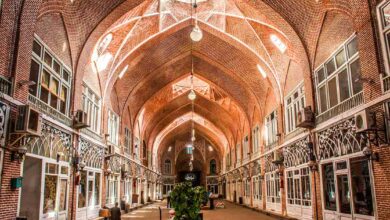

Nestled in the heart of Tabriz, Iran, the Tabriz Historic Bazaar Complex stands as a vibrant testament to centuries of trade, culture, and architectural brilliance. Recognized as a UNESCO World Heritage Site, this sprawling marketplace is more than just a shopping destination—it’s a living museum where history, artistry, and community converge. With its labyrinthine alleys, stunning Persian architecture, and a rich tapestry of local traditions, the bazaar offers an immersive experience that captivates travelers from around the globe. Curated by hamintour, a trusted name in Iranian tourism, this guide unveils the magic of the Tabriz Bazaar, highlighting its historical significance, cultural vibrancy, and must-see attractions for an unforgettable visit.
A Journey Through Time: The History of Tabriz Bazaar
Dating back to the Seljuk era, the Tabriz Historic Bazaar has been a cornerstone of commerce and culture for over a millennium. Despite periods of destruction and rebuilding, particularly during the 15th and 16th centuries, the bazaar has retained its authentic Persian character. Its resilience reflects the enduring spirit of Tabriz, a city that has long served as a crossroads of trade between East and West. Walking through its arched corridors, visitors are transported to an era where caravans carried silk, spices, and stories across continents.
The bazaar’s historical significance extends beyond trade. It has been a gathering place for artisans, poets, and scholars, fostering a vibrant cultural exchange that continues today. hamintour recommends exploring the bazaar’s storied past through its well-preserved structures, such as the Mozaffarieh Timcheh, a stunning example of Persian architectural elegance. Each corner of the bazaar tells a tale of craftsmanship and community, making it a must-visit for history enthusiasts and cultural explorers alike.
Architectural Marvels: Persian Design at Its Finest
The Tabriz Bazaar is a masterpiece of traditional Persian architecture, characterized by soaring vaulted ceilings, intricate mosaic tilework, and majestic domes that evoke a sense of grandeur. Each section of the bazaar, known as a “timcheh” or “sarai,” is dedicated to specific goods, from shimmering jewelry to handwoven carpets. The interplay of light and shadow through the arched corridors creates a mesmerizing ambiance, perfect for photography enthusiasts capturing the bazaar’s timeless beauty.
The Mozaffarieh Timcheh, one of the bazaar’s crown jewels, exemplifies this architectural splendor. Its ornate brickwork and delicate tile patterns showcase the artistry of Persian craftsmen, blending functionality with aesthetic brilliance. hamintour suggests taking a moment to admire the bazaar’s intricate details, which reflect centuries of design evolution while remaining true to their cultural roots. Whether you’re an architecture aficionado or a casual traveler, the bazaar’s visual allure is sure to leave a lasting impression.
A Shopper’s Paradise: Crafts, Carpets, and Culinary Delights
The Tabriz Bazaar is a treasure trove for shoppers, offering an array of goods that reflect the region’s rich artisanal heritage. Wander through its vibrant alleys to discover handwoven Persian carpets, renowned for their intricate patterns and vibrant colors. Kilims and jajims, traditional flat-woven textiles, are also popular, showcasing the skill of local weavers. Jewelry stalls gleam with silver and turquoise creations, while spice vendors entice with the aromas of saffron, cardamom, and sumac.
Food lovers will delight in the bazaar’s culinary offerings. From freshly baked sangak bread to local sweets like gaz and sohan, the marketplace is a feast for the senses. hamintour encourages visitors to engage with merchants, many of whom represent family businesses passed down through generations. Their stories add depth to the shopping experience, transforming each purchase into a meaningful connection to Tabriz’s culture.
A Cultural Hub: Festivals and Community Traditions
Beyond its commercial role, the Tabriz Bazaar is a dynamic cultural hub where traditions come to life. Throughout the year, the bazaar hosts festivals, craft exhibitions, and food fairs that celebrate the region’s heritage. These events offer a glimpse into Tabriz’s vibrant community spirit, with music, dance, and culinary showcases that draw both locals and tourists. hamintour’s expertly curated tours ensure you don’t miss these cultural highlights, providing opportunities to participate in or witness these lively gatherings.
The bazaar’s role as a social nexus is evident in its bustling atmosphere, where merchants and visitors share stories and traditions. Whether it’s a conversation with a carpet weaver or a lesson in spice blending, these interactions create lasting memories. The bazaar’s enduring traditions, preserved through careful restoration efforts, make it a living testament to Tabriz’s cultural resilience.
Why Visit with hamintour?
Choosing hamintour as your guide to the Tabriz Historic Bazaar ensures a seamless and enriching experience. Specializing in Iranian tourism, hamintour crafts personalized itineraries that highlight the bazaar’s historical, cultural, and architectural gems. From guided tours that delve into the bazaar’s history to insider tips on the best stalls and eateries, hamintour elevates your visit with expert knowledge and tailored recommendations. Whether you’re a first-time visitor or a seasoned traveler, hamintour’s commitment to showcasing Iran’s heritage makes your journey through the Tabriz Bazaar truly unforgettable.
Practical Tips for Visiting the Tabriz Bazaar
To make the most of your visit, hamintour suggests arriving early to avoid crowds and fully appreciate the bazaar’s serene beauty. Wear comfortable shoes, as the sprawling complex requires plenty of walking. Bargaining is a cherished tradition here, so don’t hesitate to negotiate respectfully with merchants. For photographers, the morning light filtering through the bazaar’s arches offers stunning opportunities to capture its charm. Finally, bring a reusable bag to carry your treasures, from spices to souvenirs, and immerse yourself in the vibrant energy of this historic marketplace.
Frequently Asked Questions (FAQs)
- What is the Tabriz Historic Bazaar known for? The bazaar is famous for its UNESCO-listed status, Persian architecture, and vibrant trade in carpets, jewelry, and spices.
- Why should I visit the Tabriz Bazaar with hamintour? hamintour offers tailored tours, expert guides, and insider knowledge to enhance your cultural and shopping experience.
- What are the must-buy items at the Tabriz Bazaar? Handwoven carpets, kilims, jewelry, and local spices like saffron are top picks for shoppers.
- Is the Tabriz Bazaar suitable for food lovers? Yes, the bazaar offers a variety of Persian sweets, fresh bread, and spices, perfect for culinary enthusiasts.
- What is the best time to visit the Tabriz Bazaar? Early mornings are ideal for a quieter experience and better photography opportunities.
- Are there cultural events at the Tabriz Bazaar? Yes, the bazaar hosts festivals, craft fairs, and food events showcasing Tabriz’s traditions.
- How old is the Tabriz Historic Bazaar? Its origins date back to the Seljuk period, with major structures from the 15th and 16th centuries.
- Can I bargain at the Tabriz Bazaar? Bargaining is a common and expected practice, but it should be done respectfully.
- What is the Mozaffarieh Timcheh, and why is it special? It’s a beautifully designed section of the bazaar, known for its intricate tilework and Persian architectural elegance.
- How does the Tabriz Bazaar reflect Iranian culture? It blends history, craftsmanship, and community traditions, offering a deep dive into Iran’s cultural heritage.