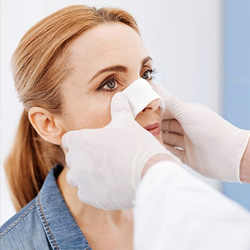

Undergoing rhinoplasty is a significant step toward enhancing your appearance, and proper aftercare is crucial for optimal healing and results. At hamintour, a leading medical tourism company in Iran, we guide patients through every stage of their rhinoplasty journey, ensuring a seamless recovery with expert support. This SEO-optimized guide details the essential dos and don’ts for the first month after rhinoplasty, including dietary recommendations, to help you heal effectively and avoid complications. With hamintour’s comprehensive packages, you’ll receive personalized care from top surgeons in Iran, making your recovery as smooth as your new look.
Post-Rhinoplasty Dos: Steps for a Healthy Recovery
Following rhinoplasty, your body needs careful attention to promote healing and minimize discomfort. Here are the key practices to follow, supported by hamintour’s expert guidance:
- Start with Clear Liquids and Soft Foods: Four hours post-surgery, begin with clear liquids like water or diluted fruit juice (e.g., mango or pineapple). On day 1, sip 15 ml (1 tablespoon) every 30 minutes for 2 hours, then every 15 minutes. Days 2–3, increase to 2 tablespoons every 15 minutes. Soft foods like mashed potatoes or strained chicken soup can be introduced on day 1, avoiding solids.
- Elevate Your Head: Rest at home or in your hotel on the day of surgery, keeping your head elevated with 2–3 pillows to reduce swelling. hamintour’s accommodation packages ensure comfortable, recovery-friendly environments.
- Follow Medication Guidelines: Take prescribed medications, such as acetaminophen (500 mg every 4–6 hours for pain), as directed by your surgeon. Avoid alcohol, as it can interact with medications and harm your kidneys. hamintour’s team coordinates with surgeons to ensure you understand your medication schedule.
- Clean Your Nose Properly: From day 2, remove any nasal dressing and clean inside your nose 5 times daily with the provided washing solution and syringe. Apply ointment to sutured areas 3 times daily to prevent infection.
- Use Compresses: Apply cold compresses (gently, without pressure) to your nose and eyes for the first 48 hours to reduce swelling. Switch to warm compresses for the next 48 hours. hamintour provides recovery kits with suitable compresses.
- Walk Daily: Start 30-minute walks on day 3 to promote circulation, with approval from hamintour’s coordinating team.
- Sneeze Carefully: If sneezing, do so with an open mouth to avoid pressure on your nose, minimizing the risk of complications.
- Attend Follow-Up Visits: Visit your surgeon between days 5–7 to remove the nasal cast, splint, or sutures. Take a bath beforehand but don’t remove the cast yourself. Bring juice and chocolate to your appointment for energy. hamintour arranges these visits for seamless care.
- Monitor Normal Symptoms: Expect watery discharge for 48 hours, mild swelling, bruising, or discoloration around the nose, eyes, or upper lip, which typically fades within 2–3 weeks. Contact hamintour if you experience persistent issues.
- Secure a Fit-to-Fly Certificate: Before your return flight, ask your surgeon for a certificate confirming you’re safe to travel. hamintour assists with all travel logistics.
Post-Rhinoplasty Don’ts: Avoiding Complications
Certain activities and habits can hinder your recovery or affect your results. Avoid these to ensure a smooth healing process:
- No Smoking: Refrain from smoking or using hookahs 2–3 weeks before and after surgery, as nicotine slows healing and increases complication risks.
- No Aspirin or Ibuprofen: Avoid these medications for 2 weeks before and after surgery, as they can increase bleeding risks.
- No Strenuous Exercise: Avoid exercise for 1 month. After 30 days, light activities like swimming or treadmill workouts are allowed, but avoid diving or contact sports for 6 months.
- No Tight Clothing: For 2 weeks, avoid pullovers or T-shirts that go over your head, as they can disturb the nasal splint. Opt for button-up shirts.
- No Self-Washing Hair: Avoid washing your hair alone in the first week to prevent wetting the splint, which can cause rashes or infections. Salon-style washes are safe if the splint stays dry.
- No Face Washing: Avoid washing your face for the first week to keep the splint dry. Body showers are permitted. Use a hairdryer if the splint gets wet.
- No Eyeglasses: Avoid wearing glasses (including sunglasses) for 3 months, as they can pressure healing nasal bones. Tape glasses to your forehead if necessary, or use contact lenses after 2–3 days.
- No High-Adrenaline Activities: Avoid sexual intercourse or activities like masturbation for 10–14 days, as they can cause nasal inflammation or bleeding.
- No Harsh Toothbrushing: Use a soft toothbrush and brush gently to avoid irritating your nose or gums.
- No Sun Exposure: Avoid intense sunlight for 6 months, as it can cause inflammation. Use sunscreen if necessary.
- No Hasty Judgments: Don’t assess your final results until at least 6–18 months post-surgery, as swelling can take time to fully subside.
Emergency Situations: When to Seek Help
Contact hamintour immediately if you experience:
- Persistent nosebleeding (beyond normal clear discharge)
- High fever (above 38.5°C)
- Ongoing nausea, vomiting, or diarrhea
- Dizziness or extreme nasal pain
- Shortness of breath or rapid heart/breathing rate
- Widespread acne-like bumps on your body
For minor bleeding within 12 hours post-surgery, use a cold compress and take prescribed painkillers or antiemetic medications to manage pain or nausea, which can elevate blood pressure. hamintour’s 24/7 support ensures you have access to medical advice at any time.
Dietary Guidelines After Rhinoplasty
Proper nutrition supports healing and prevents discomfort. Here’s how to approach eating and drinking post-surgery, with hamintour’s guidance:
Day of Surgery
- Liquids: Four hours post-surgery, sip clear liquids like water, mango, or pineapple juice (avoid acidic juices like orange). Aim for 1700–2000 ml daily, sipping slowly without straws to prevent stomach upset.
- Soft Foods: Start with easily digestible options like strained chicken soup, mashed potatoes, or cooked vegetables. Avoid solid foods, dairy, spicy foods, or high-fiber foods that may cause indigestion.
- Avoid: Alcohol, as it dehydrates and increases bleeding risk.
First Week
The first week is critical for recovery, and proper nutrition is essential despite reduced appetite or nausea concerns. hamintour’s packages include access to hotel restaurants with suitable menus, and our guides can assist with sourcing fresh foods.
- Hydration: Drink plenty of water (avoid straws) to stay hydrated and support healing. Alcohol is prohibited, as it slows recovery.
- Soft Foods: Continue with soft, non-spicy foods like pureed soups, mashed bananas, or cooked vegetables. Avoid tough foods requiring hard chewing (e.g., apples, carrots, sandwiches).
- Meal Planning: Opt for fresh, minimally processed foods. If cooking isn’t feasible, order from hotel restaurants or boil canned foods for 20 minutes. hamintour’s team can arrange bazaar trips for fresh fruits and juices.
- Fiber Intake: Include moderate fiber (e.g., in pureed vegetables) to regulate bowel movements, but avoid excessive fiber to prevent digestive strain.
Sample Meal Plan (First Week)
- 8:00 AM: 1 cup water
- 9:00 AM: 1 cup mango juice
- 10:00 AM: 1 cup strained chicken soup
- 12:00 PM: 1 cup mashed potato
- 2:00 PM: 1 cup pineapple juice
- 4:00 PM: 1 cup cooked, pureed vegetables
- 6:00 PM: 1 cup water
- 8:00 PM: 1 cup strained vegetable soup
Why Choose hamintour for Your Rhinoplasty Recovery?
At hamintour, we make your rhinoplasty experience in Iran exceptional by offering all-inclusive packages that cover surgery, accommodations, transfers, visa assistance, and interpreters. Our partnerships with top surgeons and clinics ensure you receive world-class care, while our dedicated team provides 24/7 support to address any recovery concerns. Whether you’re managing swelling, navigating dietary needs, or exploring Iran’s cultural attractions during recovery, hamintour ensures a stress-free, transformative journey.
Frequently Asked Questions (FAQs)
- What should I eat immediately after rhinoplasty? Start with clear liquids like water or mango juice 4 hours post-surgery, then introduce soft foods like mashed potatoes. hamintour provides dietary guidance to support healing.
- How should I sleep after rhinoplasty? Keep your head elevated with 2–3 pillows to reduce swelling. hamintour’s accommodations are designed for comfortable recovery.
- Can I exercise after rhinoplasty? Avoid exercise for 1 month. Light activities are allowed after 30 days, but no contact sports for 6 months, as advised by hamintour’s team.
- Why is smoking harmful after rhinoplasty? Nicotine slows healing and increases complications. hamintour’s recovery plans emphasize avoiding smoking for optimal results.
- How do I clean my nose after surgery? Clean inside your nose 5 times daily with the provided solution and apply ointment to sutures 3 times daily. hamintour supplies recovery kits.
- Can I wear glasses after rhinoplasty? Avoid glasses for 3 months to prevent pressure on healing bones. Use contact lenses or tape glasses to your forehead, as guided by hamintour.
- What if I experience nosebleeding? Minor bleeding within 12 hours is normal; use a cold compress and take prescribed medications. Contact hamintour for persistent bleeding.
- How long will swelling last after rhinoplasty? Swelling subsides significantly within 1 month but may take 6–18 months to fully resolve. hamintour monitors your progress with follow-up care.
- Can I wash my hair after surgery? Salon-style washes are safe in the first week if the nasal splint stays dry. hamintour advises on safe hygiene practices.
- How does hamintour support rhinoplasty recovery? hamintour offers personalized care, including surgeon coordination, dietary plans, and 24/7 support, ensuring a smooth and successful recovery in Iran.