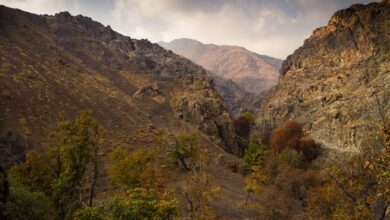

Introduction Darakeh, a tranquil highland in northwest Tehran, is a haven for hikers and nature lovers seeking respite from the city’s bustle. Nestled near the Alborz Mountains and the Darakeh River, this scenic valley offers refreshing air, lush trails, and cultural landmarks like the 800-year-old Seyyed Mohammad Vali shrine. Known for its cool climate and vibrant flora, Darakeh is a perfect day trip for Tehranis and tourists alike. With hamintour, a premier Iranian tourism provider, your Darakeh adventure is enriched with guided hikes, cultural insights, and seamless logistics. This guide covers everything you need to know about Darakeh in 2025, from its trails to practical tips.
Where is Darakeh?
Darakeh lies in Tehran’s Shemiranat district, stretching from Tochal Mountain (north) to Evin neighborhood (south), Shahid Beheshti University lands (east), and Saadat Abad/Tochal Bazaar (west). Its highland setting, at the base of the Alborz range, features the Darakeh River and peaks like Shahneshin (3,800 meters). Easily accessible from central Tehran, it’s a 20-30 minute drive from Valiasr. Hamintour’s private transfers make reaching this serene retreat effortless, ideal for urban escapees.
Access Routes to Darakeh
Darakeh is reachable by private vehicle or public transport:
- Chamran Expressway Route: Drive via Chamran Expressway, pass Yemen and Rashid al-Din Fazlullah Streets, then enter Davoodiyan Street to Darakeh Square.
- Yadegar-e Imam Expressway Route: Take Yadegar-e Imam Expressway to Evin Street, leading directly to Darakeh.
- Tajrish Square Route: From Valiasr or Shariati Street, reach Tajrish Square, then follow Darakeh Street (avoid due to heavy traffic).
- Public Transport: Use metro (Tajrish Station, Line 1) or buses to Darakeh Square, followed by a short taxi ride.
Hamintour’s air-conditioned shuttles from central Tehran ensure a stress-free journey, with options for group or solo travelers.
Darakeh Trail
The main Darakeh trail, a 6-km route to Palangchal Shelter or Tochal Station 5, winds through Darakeh Valley alongside the river. Known for gentle slopes and protective railings, it’s smoother than other Tehran trails, suitable for all ages. Highlights include:
- Scenic Views: Lush valley vistas and river sounds.
- Accessibility: Paved sections and rest stops make it beginner-friendly.
- Duration: 2-3 hours one way, best started early morning to avoid crowds.
Hamintour’s guided hikes include trail maps and safety briefings, ensuring a rewarding trek with stops at key viewpoints.
History of Darakeh
Darakeh’s history spans 800 years, dating to the 5th century AH (Islamic calendar). The Seyyed Mohammad Vali shrine, linked to a descendant of Imam Sajjad, anchors its spiritual legacy, with local Sayyids tracing their lineage here. Ancient stone mortars and ovens, still preserved at the shrine, highlight its historical depth. Traditionally, residents focused on gardening and farming, with some serving as eulogists for Ahl al-Bayt. Surviving structures like water reservoirs and a bathhouse reflect Darakeh’s enduring rural charm. Hamintour’s cultural tours explore these historical facets, including shrine visits.
The Origin of the Name Darakeh
“Darakeh” likely derives from “Dar” (valley) and “Keh” (small), meaning “small valley.” An alternative legend ties it to “Darag,” a traditional footwear used for snowy terrain, suggesting the name evolved from local customs. Hamintour’s guides share these intriguing narratives, adding folklore to your hike.
Characteristics of Darakeh
Darakeh’s unique features include:
- Altitude: Shahneshin Peak at 3,800 meters, with trails from 1,800-2,800 meters.
- Climate: Cool, averaging 16°C, with 300-400 mm annual rainfall, ideal for year-round visits.
- Flora: 21 endemic plant species, including medicinal herbs, thriving in the valley.
- Water System: Rainwater feeds the Darakeh River, irrigating orchards and aiding Tehran’s water supply.
This biodiversity and cool microclimate make Darakeh a refreshing escape. Hamintour’s eco-tours highlight its flora and sustainable water systems.
Essentials for Hiking in Darakeh
Prepare for a safe and enjoyable hike with:
- Backpack: Lightweight, with space for essentials.
- Insulated Water Flask: Carry 1-2 liters of water.
- Season-Appropriate Clothing: Layers for spring/summer, thermal gear for winter.
- Hiking Boots: Sturdy, with good grip for rocky trails.
- First Aid Kit: Bandages, antiseptics, and personal medications.
- Hiking Poles: For stability on steeper slopes.
- Snacks: Energy bars, nuts, or dried fruits.
- Hat/Sunscreen: For sun protection in summer.
- Sleeping Mat: Optional for rest stops.
Hamintour provides gear checklists and optional rentals, ensuring you’re trail-ready.
Darakeh River
Originating from Shahneshin Peak and Tochal’s Seven Springs, the 15-km Darakeh River flows through the valley’s eastern side. Its steep gradient and springtime surge create a fish-free ecosystem but stunning waterfalls like Band Abdullah, Kara, and Haft Hoz. The river’s soothing rush enhances hikes, with scenic rest spots. Hamintour’s riverside picnics pair local cuisine with these natural wonders.
Kara Forest in Darakeh
A hidden gem, Kara Forest lies 40 minutes along the Palangchal trail, reached via a steep descent near Kara cabin. Its autumnal orange canopy, rustling leaves, and serene ambiance make it a photographer’s paradise. Year-round beauty peaks in fall (September-November). Hamintour’s guided forest treks include photography tips and seasonal insights.
Palangchal Shelter
At 2,450 meters, Palangchal Shelter, a 10-km hike from Darakeh Square (2-3 hours), accommodates 70 hikers. Nestled on the Palangchal Peak route, it offers basic amenities and panoramic views. Ideal for overnight treks, it’s a base for mountaineers. Hamintour’s group hikes include shelter bookings and trail support.
Chin Kalagh Peak
At 2,820 meters, Chin Kalagh is a central Alborz peak, surrounded by Palangchal, Do Shakh, and Darakeh Valley. The ascent features Divaneh Dareh Waterfall, Do Sang Cave, and Paradise Valley, with springtime flora and fauna thriving. Hamintour’s peak treks, led by expert mountaineers, cater to adventurers seeking 360-degree vistas.
Best Seasons to Visit Darakeh
- Spring (March-May): Blooming flora, mild temperatures (15-20°C), and gushing rivers make it ideal.
- Summer (June-August): Cool mornings (20-25°C) attract crowds; early hikes beat the heat.
- Autumn (September-November): Kara Forest’s orange hues and crisp air (10-18°C) are enchanting.
- Winter (December-February): Snowy trails and sub-zero temperatures require gear and group travel due to avalanche risks.
Hamintour’s seasonal packages optimize visits, with spring and fall tours highlighting natural beauty.
Important Tips for Visiting Darakeh
- Avoid Weekends: Crowds peak on holidays; visit weekdays for serenity.
- Stick to Trails: Unmarked paths can be hazardous; follow designated routes.
- Winter Precautions: Use professional guides and avalanche-rated gear in snowy months.
- Respect Nature: Avoid littering; preserve Darakeh’s ecosystem.
- Check Weather: Spring rains or winter snows can affect trails; hamintour provides real-time updates.
Why Visit Darakeh?
Darakeh is Tehran’s ultimate nature escape, blending rugged trails, serene rivers, and cultural landmarks like the Seyyed Mohammad Vali shrine. Its cool climate, endemic plants, and peaks like Chin Kalagh offer a refreshing contrast to urban life. In 2025, enhanced trail signage and eco-friendly initiatives elevate the experience. With hamintour, enjoy guided hikes, cultural storytelling, and bundled Tehran itineraries, making Darakeh a must for adventurers and relaxation seekers alike.
Frequently Asked Questions (FAQs)
- Where is Darakeh located? In northwest Tehran’s Shemiranat, near Valiasr and Evin, at the Alborz foothills.
- How do I reach Darakeh? Drive via Chamran or Yadegar-e Imam Expressways, or use metro (Tajrish Station) and taxis; hamintour offers private transfers.
- What is the Darakeh trail like? A 6-km, beginner-friendly hike to Palangchal, with gentle slopes and river views.
- What’s the history of Darakeh? Dating back 800 years, it’s tied to the Seyyed Mohammad Vali shrine and traditional farming.
- Why is it called Darakeh? Likely from “Dar” (valley) and “Keh” (small), or linked to “Darag” footwear for snow.
- What should I bring for hiking? Backpack, water flask, hiking boots, first aid kit, snacks, and seasonal clothing.
- What are key attractions in Darakeh? Darakeh River, Kara Forest, Palangchal Shelter, Chin Kalagh Peak, and waterfalls.
- When is the best time to visit? Spring or autumn for mild weather and scenic beauty; winter requires avalanche precautions.
- Are there dining options in Darakeh? Small cafés in Darakeh Square serve tea and snacks; hamintour includes picnic options.
- How does hamintour enhance a Darakeh visit? Hamintour offers guided hikes, cultural tours, gear rentals, and bundled Tehran itineraries for a seamless adventure.