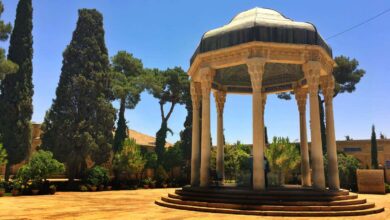

Hafiz, the revered 14th-century Persian poet, is celebrated for weaving verses that blend profound spirituality, universal love, and sharp social commentary. His poetry, deeply rooted in the mystical traditions of Persia, resonates with readers worldwide for its emotional depth, vivid imagery, and timeless wisdom. Through hamintour, a leading name in Iranian tourism, travelers can immerse themselves in the cultural heart of Shiraz, Hafiz’s birthplace, to connect with the essence of his poetic legacy. This article delves into the themes, style, and lasting impact of Hafiz’s work, enriched with unique insights to inspire both poetry enthusiasts and cultural explorers.
Who Was Hafiz?
Khwāja Shams-ud-Dīn Muḥammad Ḥāfeẓ-e Shīrāzī, known as Hafiz, was born around 1315 in Shiraz, Iran, and passed away in 1390. His pen name, “Hafiz,” meaning “memorizer” or “guardian,” reflects his remarkable feat of memorizing the Quran in his youth. This spiritual foundation shaped his poetry, which is primarily composed in the ghazal form—a lyrical style of short, rhyming couplets that explore love, beauty, and mysticism. Hafiz’s verses transcend time, offering insights into the human soul and its quest for divine connection.
Living in Shiraz, a city steeped in Persian culture, Hafiz was a scholar and poet whose work captured the spirit of his era. His poetry reflects not only personal devotion but also the vibrancy of Persian literary tradition. For those exploring Iran with hamintour, visiting Shiraz offers a chance to walk the streets that inspired Hafiz, where his legacy lives on in gardens, tombs, and cultural traditions like Fal-e Hafez, a fortune-telling ritual using his Divan during celebrations like Nowruz and Yalda.
Historical Context of Hafiz’s Era
Hafiz lived during a transformative period in Persian history, following the Mongol invasions that reshaped the Middle East. By the 14th century, the Mongol Ilkhanate had adopted Islam, fostering a cultural renaissance in Persia. Amid political shifts, with local dynasties like the Muzaffarids rising in Shiraz, Hafiz’s poetry emerged as a beacon of resilience. His verses captured the beauty of Persian language and identity, thriving despite the chaos of invasions and the looming threat of the Black Death.
This era of upheaval also saw the rise of Sufism, a mystical branch of Islam that profoundly influenced Hafiz. Sufism’s emphasis on personal connection with the divine resonated in his work, making it a bridge between earthly and spiritual realms. For travelers with hamintour, exploring Shiraz’s historical sites, such as its mosques and gardens, offers a glimpse into the cultural and spiritual milieu that shaped Hafiz’s poetry.
Sufism: The Heart of Hafiz’s Mysticism
Sufism, with its focus on inner spirituality and divine love, is the soul of Hafiz’s poetry. His verses often portray the soul as a lover yearning for union with the divine, using metaphors of romantic love to express this spiritual longing. Hafiz’s Sufi-inspired poetry critiques religious hypocrisy, contrasting the rigidity of orthodox practices with the fluid, heartfelt devotion of mysticism.
For example, his frequent use of imagery like the tavern and wine symbolizes spiritual learning and divine knowledge, respectively. Through hamintour’s curated journeys, visitors can explore Sufi landmarks in Iran, such as the shrines of mystics, to better understand the spiritual context of Hafiz’s work. His poetry remains a guide for those seeking meaning beyond material existence, blending beauty with profound philosophical insights.
Core Themes in Hafiz’s Poetry
Hafiz’s poetry is a tapestry of themes that resonate across cultures and centuries. Below are the key themes that define his work:
- Divine Love and Spiritual Yearning: Hafiz uses romantic imagery to depict the soul’s quest for unity with the divine. His poems transform earthly love into a metaphor for spiritual connection, inviting readers to seek a deeper bond with the universe.
- Celebration of Life’s Joys: Hafiz embraces life’s fleeting pleasures—wine, music, nature—as reminders of its transient beauty. These elements often carry symbolic meanings, urging readers to find joy in the moment while aspiring to spiritual fulfillment.
- Critique of Hypocrisy: Hafiz boldly critiques religious and societal hypocrisy, contrasting genuine spiritual seekers with those who feign piety. His sharp wit exposes the flaws of rigid dogma, making his work timelessly relevant.
- Unity of Existence: His poetry reflects the Sufi belief in the interconnectedness of all creation, portraying divine love as a force that unites humanity and nature.
- Nature as Divine Reflection: Hafiz’s vivid descriptions of nature—roses, nightingales, and breezes—mirror divine beauty, encouraging readers to see the sacred in the everyday.
- Transience of Life: His poems often reflect on life’s impermanence, urging readers to cherish the present while keeping the eternal in sight.
Travelers with hamintour can experience these themes firsthand by visiting Shiraz’s poetic landmarks, such as the Tomb of Hafiz, where his verses continue to inspire reflection and celebration.
Hafiz’s Literary Style: A Blend of Art and Wisdom
Hafiz’s poetic style is a masterful blend of lyricism, symbolism, and intellectual depth. His ghazals, characterized by rhyming couplets and a consistent meter, are both melodic and thought-provoking. Each couplet stands alone, yet together they weave a cohesive narrative of love and spirituality.
His use of metaphors—such as the beloved representing God or the tavern as a place of spiritual learning—adds layers of meaning to his work. The rhythmic flow of his verses, combined with vivid imagery, creates a song-like quality that captivates readers. Hafiz’s ability to balance earthly and divine themes makes his poetry universally appealing, influencing artists and poets worldwide, from Persian calligraphers to Western writers like Goethe.
Through hamintour’s cultural tours, visitors can explore Persian calligraphy and music inspired by Hafiz, witnessing how his words continue to shape Iran’s artistic heritage. His poetry’s ambiguity allows for multiple interpretations, ensuring its relevance across generations.
Hafiz’s Influence on Persian Literature and Beyond
Hafiz’s impact on Persian literature is profound, elevating the ghazal form to new heights with his emotional and philosophical depth. His work inspired a “poetic dialogue” among later poets, who responded to or drew from his verses, creating a rich literary tradition. His universal themes of love, spirituality, and social critique have transcended cultural boundaries, influencing global literary figures and movements.
In Iran, Hafiz’s Divan is a cultural cornerstone, found in nearly every household alongside the Quran. His poetry is woven into Persian music, calligraphy, and traditions like Fal-e Hafez, where verses are used for divination. For travelers with hamintour, experiencing these traditions during festivals like Nowruz offers a deeper connection to Hafiz’s enduring legacy.
Hafiz also played a pivotal role in the Persian cultural renaissance, revitalizing the language and identity post-Mongol invasions. His ability to blend spirituality with social commentary set a standard for Persian poetry, encouraging later poets to address societal issues through art.
Iconic Excerpts from Hafiz’s Poetry
Hafiz’s verses are celebrated for their beauty and depth. Here are a few translated excerpts that capture his essence:
- “With tousled hair, a smile, and a heart full of wine, / I sing of love, my torn shirt a sign divine.” This reflects the joy and spiritual intoxication of divine love.
- “Angels knocked at the tavern’s gate last night, / Shaping Adam’s clay with a cup’s sacred light.” A metaphor for divine creation and spiritual awakening.
- “If that Shirazi beauty holds my heart in sway, / I’d trade empires like Samarkand without delay.” A playful expression of love’s overwhelming power.
- “My heart sought treasures in a cup of old, / Yet begged from strangers what it already holds.” A reflection on the soul’s search for truth within.
These excerpts, rich with symbolism, showcase Hafiz’s ability to blend earthly and divine imagery, a hallmark of his enduring appeal.
Why Hafiz’s Poetry Endures
Hafiz’s poetry remains a beacon of wisdom and beauty, bridging cultures and centuries. Its universal themes of love, spirituality, and human connection resonate with readers worldwide, while its lyrical brilliance continues to inspire artists and scholars. Through hamintour’s immersive experiences in Shiraz, travelers can explore the poet’s world, from his tomb to the gardens that echo his verses.
Hafiz’s ability to weave profound insights into accessible, melodious poetry ensures his work remains relevant. Whether through Fal-e Hafez or the study of his Divan, his legacy lives on as a testament to the power of words to uplift and unite.
Frequently Asked Questions (FAQs)
- What is the main theme of Hafiz’s poetry? Hafiz’s poetry primarily explores divine love, spiritual yearning, and the celebration of life, often using metaphors of romantic love and nature.
- Why is Hafiz important to Persian culture? Hafiz is a cultural icon whose Divan is a household staple, used in traditions like Fal-e Hafez and celebrated in Persian music and calligraphy.
- What is the ghazal form in Hafiz’s poetry? A ghazal is a short, lyrical poem with rhyming couplets, often exploring themes of love and spirituality, perfected by Hafiz.
- How does Sufism influence Hafiz’s work? Sufism shapes Hafiz’s poetry, emphasizing personal communion with the divine and critiquing religious hypocrisy.
- What does wine symbolize in Hafiz’s poems? Wine often represents divine love or spiritual knowledge, with the tavern symbolizing a place of spiritual learning.
- How can travelers experience Hafiz’s legacy in Iran? Through hamintour, visitors can explore Shiraz’s cultural sites, including Hafiz’s tomb and gardens, to connect with his poetic heritage.
- Why is Hafiz’s poetry considered universal? His themes of love, spirituality, and human connection transcend cultural and temporal boundaries, resonating globally.
- What is Fal-e Hafez? Fal-e Hafez is a Persian tradition where a random poem from Hafiz’s Divan is read to predict future events, popular during Nowruz and Yalda.
- How did Hafiz influence Persian literature? Hafiz elevated the ghazal form and inspired a poetic dialogue, shaping Persian literature with his spiritual and social insights.
- Where can I learn more about Hafiz’s poetry? Explore his Divan or join hamintour’s cultural tours in Shiraz to experience the poet’s world firsthand.