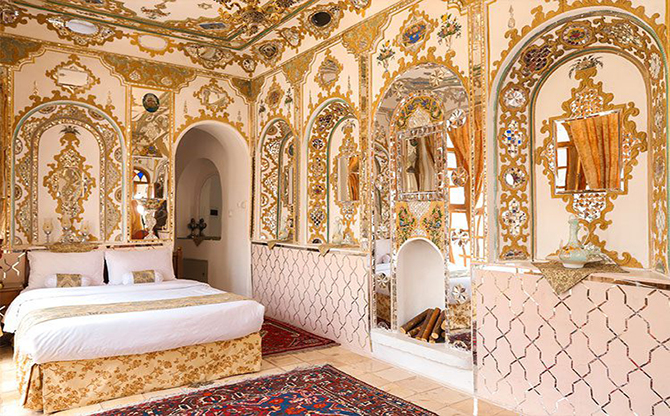

Discover the Elegance of Persian Artistry
In the heart of Isfahan, a city celebrated as “half the world” for its unparalleled historical and cultural treasures, lies Ghasr Monshi Palace—a lesser-known yet mesmerizing symbol of Persian architectural brilliance. This Qajar-era masterpiece, now transformed into the luxurious Ghasr Monshi Hotel, offers a unique blend of history, artistry, and modern comfort. With its intricate tilework, serene courtyards, and rich cultural legacy, the palace stands as a testament to Isfahan’s enduring charm. In this guide, we delve into the history, architectural splendor, and contemporary allure of Ghasr Monshi Palace, making it a must-visit for travelers exploring Iran’s cultural capital.
Why Ghasr Monshi Palace is a Must-Visit in Isfahan
Ghasr Monshi Palace, meaning “Palace of the Scribe,” is a captivating example of Qajar-era architecture, reflecting the grandeur and sophistication of 19th-century Persia. Once a residence for royal scribes and a venue for hosting dignitaries, the palace has evolved into a boutique hotel that seamlessly blends historical charm with modern luxury. Its central location in Isfahan makes it an ideal stop for tourists visiting nearby landmarks like Naqsh-e Jahan Square and Chehel Sotoun Palace. Whether you’re a history buff, an architecture enthusiast, or a traveler seeking a unique cultural experience, Ghasr Monshi offers an unforgettable journey into Iran’s past.
Key Highlights of Ghasr Monshi Palace:
- Historical Significance: A Qajar-era residence for royal officials, showcasing Persia’s cultural legacy.
- Architectural Beauty: Intricate tilework, mirror mosaics, and traditional Persian design elements.
- Modern Comforts: A boutique hotel offering a luxurious stay with authentic Persian aesthetics.
- Cultural Hub: Hosts art exhibitions and events, preserving Isfahan’s artistic heritage.
The Rich History of Ghasr Monshi Palace
Constructed during the Qajar dynasty (1789–1925), Ghasr Monshi Palace emerged during a period when Isfahan was a thriving center of culture and administration under Fath-Ali Shah Qajar (1797–1834). The palace’s name, “Ghasr Monshi,” suggests its role as a residence for esteemed scribes or officials within the royal court, who managed administrative tasks and hosted formal events. The palace served as a symbol of Qajar opulence, blending traditional Persian design with European influences, a hallmark of the era’s architectural innovation.
Over the centuries, Ghasr Monshi has adapted to changing times. After the fall of the Qajar dynasty, it briefly served as a residential complex, leading to periods of neglect. However, recent restoration efforts have revitalized the palace, preserving its historical charm while transforming it into a boutique hotel and cultural landmark. Today, Ghasr Monshi stands as a vibrant testament to Isfahan’s enduring legacy, inviting visitors to explore its storied past through guided tours and cultural events.
Historical Milestones:
- Qajar Era: Built as a royal residence and administrative hub.
- Post-Qajar Period: Repurposed as a residential complex, facing periods of neglect.
- Modern Era: Restored as a boutique hotel and cultural site, open to the public.
Photo Credit: Mohammadreza Dehghanpour / Alamy Stock Photo for stunning visuals of Ghasr Monshi’s elegant interiors.
Architectural Splendor of Ghasr Monshi Palace
Ghasr Monshi Palace is a masterpiece of Persian architecture, blending classic elements with Qajar-era innovations. Its design reflects the harmony and elegance of traditional Persian aesthetics, creating a visually captivating experience for visitors.
Key Architectural Features:
- Central Courtyard
At the heart of the palace lies a serene courtyard, a hallmark of Persian garden design. Surrounded by symmetrical buildings, lush greenery, and a reflective pool, the courtyard embodies the Persian concept of a “paradise on earth.” The tranquil ambiance makes it a perfect spot for relaxation and reflection. - Ornate Decorations
The palace is adorned with intricate stucco work, vibrant tile mosaics, and dazzling mirror designs. Floral motifs, geometric patterns, and calligraphic inscriptions dominate the tilework, showcasing the artistry of Qajar craftsmen. Vibrant colors like turquoise, cobalt blue, and gold enhance the palace’s aesthetic allure. - Traditional Iwans
Elegant arched iwans serve as transitional spaces between indoor and outdoor areas, adorned with detailed plasterwork and tile mosaics. These porches reflect the grandeur of Qajar architecture and provide shaded areas for guests to enjoy. - Andaruni and Biruni Spaces
The palace is divided into private (Andaruni) and public (Biruni) areas, a traditional Persian architectural practice. The Andaruni offered privacy for family members, while the Biruni hosted official receptions and events, balancing functionality with elegance. - Orosi Windows and Doors
Intricately carved wooden doors and lattice Orosi windows allow natural light to filter into the interiors, creating mesmerizing patterns of light and shadow. These features enhance the palace’s aesthetic while maintaining privacy.
Photo Credit: Maryam Rahmanian / Alamy Stock Photo for captivating images of Ghasr Monshi’s intricate tilework and courtyards.
Transformation Over Time: From Palace to Boutique Hotel
Ghasr Monshi Palace has undergone significant transformations throughout its history. After the Qajar dynasty’s decline, the palace lost its royal status and was repurposed as a residential complex, leading to wear and tear over time. However, dedicated restoration efforts in recent decades have breathed new life into this architectural gem. Today, parts of the palace have been converted into the Ghasr Monshi Hotel, offering guests a unique opportunity to stay in a historical setting while enjoying modern amenities.
The restoration process preserved the palace’s original features, such as its tile mosaics and stucco work, while incorporating contemporary comforts like luxurious bedding, Wi-Fi, and fine dining. This adaptive reuse ensures that Ghasr Monshi remains a living part of Isfahan’s cultural landscape, blending the past with the present.
Booking Tip: Reserve your stay at Ghasr Monshi Hotel through hamintour for exclusive deals and personalized travel planning.
A Contemporary Experience at Ghasr Monshi Hotel
Today, Ghasr Monshi Hotel offers a one-of-a-kind experience, combining historical grandeur with modern luxury. Guests can stay in beautifully restored rooms adorned with Persian carpets, ornate chandeliers, and traditional decor, all while enjoying amenities like air conditioning, high-speed internet, and gourmet dining. The hotel’s restaurant serves authentic Persian cuisine, featuring dishes like saffron-infused kebabs and aromatic stews, set against the backdrop of the palace’s elegant interiors.
The palace also hosts cultural events, art exhibitions, and traditional music performances, making it a vibrant hub for preserving and promoting Persian heritage. The serene courtyard, with its soothing fountains and shaded seating, is an ideal spot for weddings, gatherings, or quiet contemplation.
Photo Credit: Mohammad Nouri / Alamy Stock Photo for images of guests enjoying Ghasr Monshi’s luxurious ambiance.
Location and Accessibility
Address: Ghasr Monshi Palace, Central Isfahan, Fars Province, Iran
Located in the heart of Isfahan, Ghasr Monshi is easily accessible by taxi, bus, or private car. Its proximity to iconic landmarks like Naqsh-e Jahan Square, Chehel Sotoun Palace, and Si-o-se-pol Bridge makes it a convenient stop for tourists exploring the city.
Travel Tip: Use hamintour to book guided tours and transportation for a seamless visit to Ghasr Monshi and other Isfahan attractions.
Ghasr Monshi Palace and Tourism
Ghasr Monshi Palace is a key destination for travelers seeking to immerse themselves in Isfahan’s rich history and culture. Its central location makes it an ideal addition to any itinerary, with guided tours offering insights into its Qajar-era significance and ongoing restoration efforts. Photography enthusiasts will find endless inspiration in the palace’s intricate tilework, mirrored interiors, and lush courtyards. The boutique hotel experience allows visitors to live like royalty, making Ghasr Monshi a standout attraction in Isfahan.
Nearby Attractions:
- Naqsh-e Jahan Square: A UNESCO World Heritage Site, showcasing Persian architectural splendor.
- Chehel Sotoun Palace: A stunning example of Safavid-era design.
- Si-o-se-pol Bridge: An iconic 17th-century bridge over the Zayandeh River.
Photo Credit: Terry Allen / Alamy Stock Photo for breathtaking views of Naqsh-e Jahan Square’s grandeur.
Final Thoughts: Why Ghasr Monshi Palace is Unmissable
Ghasr Monshi Palace is a hidden treasure in Isfahan, offering a perfect blend of Qajar-era elegance, Persian artistry, and modern luxury. Its intricate architecture, from vibrant tile mosaics to serene courtyards, tells the story of Iran’s cultural and political past. Whether you’re strolling through its tranquil gardens, dining in its historic restaurant, or staying in its beautifully restored rooms, Ghasr Monshi promises an immersive experience that captures the essence of Isfahan’s heritage. Plan your visit with hamintour to explore this architectural gem and discover the timeless allure of “half the world.”
Frequently Asked Questions About Ghasr Monshi Palace
- Where is Ghasr Monshi Hotel located?
Ghasr Monshi Palace is situated in central Isfahan, Fars Province, Iran, near landmarks like Naqsh-e Jahan Square. - Is there an entrance fee to visit the palace?
Entrance fees vary; check with hamintour for the latest pricing and guided tour options. - Can I book a stay at the boutique hotel in Ghasr Monshi Palace?
Yes, the palace operates as a boutique hotel. Book through hamintour for exclusive deals and a seamless reservation process.