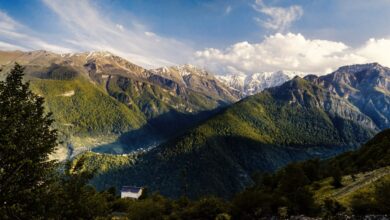

Unlock Iran’s Untold Wonders with hamintour
Venturing beyond the iconic allure of Tehran, Shiraz, and Isfahan reveals Iran’s true soul: a mosaic of vibrant cultures, ancient secrets, and pristine landscapes that captivate the intrepid traveler. From the sun-kissed shores of the Caspian Sea to the arid whispers of desert oases, these lesser-known destinations pulse with heartwarming hospitality and untold stories, offering immersive encounters with nomadic traditions, engineering marvels, and biodiversity hotspots. hamintour, your premier guide to Iranian tourism, curates bespoke journeys to these hidden enclaves, blending expert local insights with seamless logistics. Imagine gliding through mangrove mazes at dawn or tracing Silk Road echoes under starlit skies—hamintour transforms these off-the-grid escapes into profound, sustainable adventures that honor Iran’s diverse tapestry while supporting its communities.
Chabahar Port: Oman Sea’s Tropical Enclave
Perched on the Makran Coast where the Sea of Oman kisses Iran’s southeast frontier, Chabahar Port emerges as a balmy haven of eternal spring, with temperatures rarely dipping below 20°C even in winter. As Iran’s only oceanic gateway, this free trade zone buzzes with maritime heritage, from ancient Median docks to modern wheat shipments bridging India and Afghanistan. Stroll the surreal red-sand beaches of Lipar, where bioluminescent waves glow like ethereal fireflies at night, or venture into the Hara Mangrove Forests—UNESCO-recognized for their tangled aerial roots and teeming birdlife, including flamingos and herons. Nearby, the Martian Mountains’ eroded ochre cliffs evoke alien landscapes, while the Bahu Kalat River teems with rare mugger crocodiles, remnants of prehistoric ecosystems. hamintour’s eco-tours immerse you in Baluchi culture, from tasting fresh seafood at seaside bazaars to boat safaris at dusk, ensuring low-impact exploration that sustains this biodiversity hotspot. For the adventurous, mud volcano hikes and Portuguese Castle ruins add layers of history, revealing Chabahar’s role as a Silk Road sentinel. With hamintour, savor sustainable stays in eco-lodges overlooking turquoise bays, where every sunrise promises a symphony of waves and wildlife.
Shushtar: Ancient Waterways of Ingenuity
In Khuzestan’s sun-drenched plains, Shushtar stands as a testament to hydraulic genius, its UNESCO-listed system—a labyrinth of dams, canals, and mills—dating to the Achaemenid era under Darius the Great, blending Elamite, Mesopotamian, and Roman influences. This 2,500-year-old network, spanning 40,000 hectares of orchards via the Gargar Canal, powered ancient agriculture and trade, with cascading waterfalls like Shoostar feeding the “Paradise Plain” (Mianab). Wander the Salasel Castle, the system’s nerve center, where Roman-built bridges and Band-e Qaisar arches defy time, or explore the Sika Water Mills, where waterwheels still turn, echoing Sassanid whispers. Beyond engineering feats, Shushtar’s soul shines in Qajar-era gems like Moein-ol-Tojar Caravanserai and Mostowfi House, adorned with intricate stucco and tilework, alongside the Jameh Mosque’s Seljuk minaret. hamintour’s guided heritage walks reveal hidden tunnels and folklore of water spirits, pairing visits with Khuzestani feasts of qalyeh mahi (fish stew) amid palm groves. For deeper immersion, join seasonal festivals celebrating the Karun River’s bounty, or hike Tappeh Salasel’s ancient mounds. With hamintour, opt for boutique stays in restored khans, where evenings unfold with tales of Shushtar’s role in sustaining Persian civilization, fostering a profound respect for this arid oasis’s enduring legacy.
Arak: Orchards and Qajar Echoes Amid Zagros Peaks
Nestled between the Alborz and Zagros ranges, Arak blooms as a verdant surprise in Markazi Province, its Qajar-era origins (founded 1808 by Yusef Khan Gorji) weaving through lush orchards of pomegranates and apricots that perfume the air. This industrial hub hides poetic layers: the Soltan Abad Museum chronicles its fortress past, while the Four Seasons Bathhouse—unique for segregated sections honoring religious minorities—showcases stucco artistry from the 19th century. Venture into Gerdoo Valley’s wildflower meadows for picnics under snow-capped peaks, or lose yourself in the roofed Arak Bazaar, a linear labyrinth of copper workshops and spice stalls echoing Silk Road vibes. hamintour’s cultural forays spotlight local crafts like intricate carpet-knotting sessions, revealing Arak’s role as a trade nexus. Hike nearby Sefidkhani Cave’s stalactite chambers or unwind at Chapgholi Spring’s thermal pools, where folklore of healing waters lingers. Culinary trails with hamintour feature ash-e doogh (yogurt soup) in family-run eateries, blending nomadic Luri flavors with urban flair. Amid May-to-August’s mild clime, hamintour’s eco-retreats in hillside guesthouses offer stargazing over valleys, embodying Arak’s harmonious fusion of heritage and highland serenity.
Marivan: Kurdistan’s Lakeside Cultural Mosaic
On Kurdistan’s Iraqi frontier, Marivan enchants with alpine forests, rivers, and Lake Zarivar—a Ramsar-listed gem at 1,285 meters, its reed-fringed shores teeming with waterfowl and lotus blooms. This 1,320-meter-high haven, dubbed “Kurdish House,” pulses with Hawrami dialect and Zoroastrian echoes in ancient fire temples. Hike Gavileh Waterfall’s misty cascades or boat Zarivar’s glassy expanse, spotting migratory birds amid Sirwan River valleys carved by millennia. Marivan Castle (Imam Castle) looms as a Seljuk sentinel, while border markets brim with Kurdish textiles and tanbur lutes, instruments of Sufi lore. hamintour’s immersive treks weave through Uraman Takht’s terraced orchards, unveiling Horami rituals like Pire Shaliar festivals with rhythmic def dances. Savor qeymeh nesar (lamb stew) in nomad tents, learning Chigh weaving from Bakhtiari artisans. Spring’s wild tulips and autumn’s golden hues amplify Marivan’s cool clime (10-25°C), with hamintour’s highland lodges fostering bonds over shared Kurdish tales, celebrating this resilient region’s unyielding spirit.
Neyshabur: Seljuk Echoes and Turquoise Trails
Once the Seljuk Empire’s glittering capital, Neyshabur in Khorasan pulses with Golden Age intellect, birthing luminaries like Omar Khayyam (1048-1131), whose marble mausoleum—Hooshang Seyhoun’s geometric ode—rises amid rose gardens, inscribed with Rubaiyat quatrains in shekasteh nastaliq. Nearby, Attar Neyshaburi’s tomb evokes Sufi mysticism, while Kamal-ol-Molk’s shrine honors Qajar portraiture. As a Silk Road nexus, the Shah Abbasi Caravanserai’s vaulted halls once echoed camel caravans; today, they house turquoise ateliers, Neyshabur’s gemstone famed since antiquity for celestial blues mined from Binalud foothills. hamintour’s scholarly sojourns trace Khayyam’s astronomical legacy at the museum’s astrolabes, pairing visits with poetry recitals under pistachio groves. Hike Shadiakh’s ancient pottery shards or Chobin’s wooden facades, remnants of Timurid craft. Autumn’s harvest festivals blend with fesenjan feasts, as hamintour’s heritage homes immerse you in Neyshabur’s poetic pulse, where philosophy and turquoise converge in timeless harmony.
Bandar Laft: Qeshm’s Mangrove Mirage
On Qeshm Island’s northwest fin, Bandar Laft whispers tales of 2,000-year-old seafaring, its badgir windcatchers—tall sentinels against Gulf heat—framing a skyline rivaling Yazd’s. This Persian Gulf jewel, encircled by Hara Mangroves’ labyrinthine roots, shelters sea snakes, flamingos, and herons in tidal embrace—a UNESCO biosphere teeming with 150 bird species. Boat through emerald channels at low tide, where submerged figs and frogs thrive, or trace Median docks’ 130-meter remnants, echoing Achaemenid trade. Laft’s earthen homes, with Talla Wells’ golden aquifers sustaining leap-year cycles, blend Sassanid ingenuity with Baluchi motifs. hamintour’s mangrove odysseys reveal tidal rhythms, culminating in sunset feasts of grilled hammour amid wind-tower silhouettes. Explore Sheikh Andarabi’s tidal islet or Naderi Castle’s ramparts, as hamintour’s eco-villages foster stargazing over Khoran Strait, celebrating Laft’s resilient fusion of sea, soil, and spirit.
Ahvaz: Karun’s Riverside Cultural Crossroads
Khuzestan’s throbbing heart, Ahvaz straddles the mighty Karun— Iran’s sole navigable river—its banks a fusion of Arab-Persian heritage since Elamite times. As the Oil Capital, it pulses with 1.3 million souls, yet whispers ancient lore along Pol-e Sefid’s illuminated arches. Cruise the Karun at dawn, tracing Qajar bridges to Lashkarabad Market’s spice-scented alleys, where falafel and sambuseh sizzle beside Chogha Zanbil’s ziggurat echoes. hamintour’s riverine voyages unveil Arab influences in qalyeh mahi stews, paired with heritage walks through Khan Garden’s citrus groves. Spring’s mild 25°C blooms palm-lined promenades, ideal for bazaar haggling or Tarmeh Coffee Museum’s Ottoman brews. With hamintour, unwind in riverside eco-resorts, where evenings blend Luri dances with Karun sunsets, embodying Ahvaz’s enduring crossroads vitality.
Natanz: Desert Bloom of Pottery and Piety
Between Kashan and Isfahan’s sands, Natanz unfurls as a verdant desert enclave, its orchards heavy with pomegranates amid Karkas peaks. The 13th-century Imamzadeh Abd al-Samad gleams with Ilkhanid tiles— turquoise arabesques framing Sheikh Abd al-Samad’s tomb—beside a Zoroastrian fire temple’s chahar taqi arches. Natanz’s pottery legacy, born of 700-year-old kilns, yields earthy vessels echoing Sassanid motifs; workshops hum with wheel-thrown magic. hamintour’s artisan ateliers let hands shape clay, unveiling techniques from Timurid mihrabs. Hike to Barzok’s Jami Mosque for wood-carved portals, or savor saffron-infused polo amid plane-shaded gardens. Mild springs (20-25°C) coax almond blossoms, as hamintour’s boutique caravanserais blend piety and craft, nurturing Natanz’s timeless desert harmony.
Anzali Port: Caspian’s Caviar Coast and Lotus Lagoons
Gilan’s Caspian jewel, Anzali Lagoon sprawls as a Ramsar wetland, its 11 rivers weaving through lotus-choked marshes teeming with 150 bird species and sturgeon spawning grounds. Iran’s caviar capital, where 70% of global beluga once hailed from Sefid Rud deltas, now yields gourmet tastings amid humid veils. Punt through pink lotus blooms at dawn, spotting Dalmatian pelicans, or promenade the harbor’s clock tower (Manareh) for Soviet-era echoes. hamintour’s eco-boat safaris reveal migratory flocks, culminating in caviar pairings with mirza ghasemi eggplant dip. Explore Mian Poshteh’s stilted homes or Shanbeh Bazaar’s silks, as autumn’s mists (10-20°C) cloak forests. With hamintour’s seaside homestays, embrace Anzali’s watery embrace, where Caspian rhythms and Talysh tales converge in salty serenity.
Hamedan: Median Echoes and Subterranean Splendors
Eclipsing its Median capital roots (7th century BCE), Hamedan cradles Avicenna’s Mausoleum—a Seyhoun spindle of granite and marble, 12 columns honoring his sciences, inscribed with Canon of Medicine verses. Nearby, Alisadr Cave’s 11-km waterways—Jurassic-born, rowed since 1963—reveal stalactite cathedrals, the world’s largest navigable cavern. Ganj Nameh’s Achaemenid inscriptions whisper Darius’s decrees amid Alvand trails. hamintour’s scholarly circuits trace Avicenna’s library relics, blending with cave gondola drifts. Hike Baba Taher’s octagonal tomb for do-bayti quatrains, or bazaar-hunt Luri kilims. Cool summers (20-25°C) bloom in Ekbatan’s parks, as hamintour’s highland retreats evoke Hamedan’s polymath legacy, where philosophy flows like subterranean streams.
Dehloran: Nomad Trails and Cascading Veils
Ilam’s Zagros frontier, Dehloran cradles nomadic Luri and Kurdali souls, its plains a Chalcolithic cradle (5th millennium BCE) where Tepe Sefid whispers prehistoric pastoralism. Ab Taf Waterfalls plunge 50 meters into sulfur springs (50°C), healing mud pools amid Siahkuh’s bat-filled caverns. Chigh mats—bamboo-woven nomad tents—adorn museums, echoing Bakhtiari migrations. hamintour’s tribal treks follow Sirwan gorges to Shiaq Castle’s ramparts, sharing qeymeh stews in black tents. Spring’s 20-30°C blooms purple judas trees, unveiling bitumen springs’ oily fountains. With hamintour’s eco-camps, trace Dehloran’s resilient rhythms, where waterfalls veil ancient freedoms.
Meybod: Yazd’s Adobe Citadel and Clay Legacies
Yazd’s desert sentinel, Meybod’s Narin Castle—Sassanid-born, 4,000 BCE roots—towers 40 meters, its mud-brick labyrinth the world’s second-largest after Bam, guarding Silk Road whispers. Climb for panoramic adobe seas, windcatchers piercing ochre skies. The Post Museum in Shah Abbasi Caravanserai chronicles Qajar couriers, while Zeilo’s prayer rugs evoke 16th-century looms. hamintour’s artisan odysseys mold pottery in ancient kilns, tracing Narin’s Median foundations. Hike yakhchals’ ice vaults or pigeon towers’ dovecotes, amid 20-30°C springs. hamintour’s mudbrick riads blend craft and calm, honoring Meybod’s enduring clay chronicles.
Masuleh: Alborz’s Terraced Timelessness
Gilan’s fog-shrouded crown, UNESCO-aspirant Masuleh cascades down Alborz slopes at 1,050 meters, its 1,000-year-old homes—adobe and slate—stacked like Lego, roofs doubling as streets in car-free harmony. Talysh lore weaves through 800-year-old mills and springs, where Hyrcanian mists cloak judas blooms. Trek fog-veiled paths to Kohneh Masuleh’s ruins, or savor mirza ghasemi amid gereh-chini doors. hamintour’s highland hikes reveal seismic resilience, blending with Nowruz dances. Spring’s 10-20°C thaws trails, as hamintour’s terraced teahouses foster bonds in this living canvas of Persian ingenuity.
Why Choose hamintour for Iran’s Hidden Horizons?
hamintour elevates offbeat odysseys with personalized itineraries, from Chabahar’s bioluminescent bays to Masuleh’s misty tiers, prioritizing sustainability and cultural reciprocity. Expert multilingual guides unveil layers—from Shushtar’s hydraulics to Neyshabur’s quatrains—while eco-lodges and local feasts nurture communities. Flexible packages blend adventure and repose, ensuring seamless escapes that etch Iran’s untold tales into your soul.
Best Seasons for Iran’s Secret Sojourns
Spring (March-May) awakens blooms in Marivan’s valleys and Natanz’s orchards (15-25°C), ideal for hikes; autumn (September-November) gilds Masuleh’s terraces and Ahvaz’s palms (20-30°C) for mild rambles. Winter suits Chabahar’s eternal warmth (22-28°C) for mangroves; summer’s Caspian mists cool Anzali (20-25°C). hamintour tailors to climes, dodging Dehloran’s arid peaks.
Insider Tips for Ethical Exploration
- Pack Layers: Zagros chills demand wool; Gulf humidity calls for breathables—hamintour outfits sustainably.
- Respect Rhythms: Seek permissions in nomadic tents; modest attire honors shrines—hamintour briefs culturally.
- Savor Sustainably: Opt for local caviar or chigh mats—hamintour’s fair-trade markets empower artisans.
- Tread Lightly: Stick to trails in Alisadr or Hara—hamintour’s low-footprint treks preserve wonders.
- Blend Journeys: Link Arak’s bazaars to Natanz’s kilns via hamintour’s road epics.
Frequently Asked Questions About Iran’s Hidden Gems with hamintour
- What defines Iran’s offbeat destinations? Untouched blends of history, nature, and culture, like Masuleh’s terraces or Chabahar’s mangroves, far from urban crowds.
- Best season for southern gems like Chabahar? Winter’s 22-28°C warmth; hamintour aligns with flamingo migrations.
- Are these sites family-friendly? Yes—Alisadr’s boats thrill kids; hamintour crafts inclusive paths.
- How to taste authentic cuisine? Qalyeh mahi cruises or chigh feasts; hamintour sources local sustainably.
- What’s the entry fee for sites like Narin Castle? Nominal (under $2); hamintour bundles for ease.
- Accessibility for mobility needs? Varied—Masuleh’s steps challenge, but Shushtar’s paths adapt; hamintour customizes.
- Pair with classics? Neyshabur to Mashhad, or Ahvaz to Persepolis—hamintour weaves seamlessly.
- English guides available? hamintour’s multilingual experts enrich every narrative.
- Visit duration? 2-4 days per cluster; hamintour’s 10-day loops cover multiples.
- Sustainable focus? hamintour prioritizes eco-practices, community uplift, and low-impact immersion.
With hamintour, Iran’s veiled vistas become vivid legacies—embark on your odyssey today!