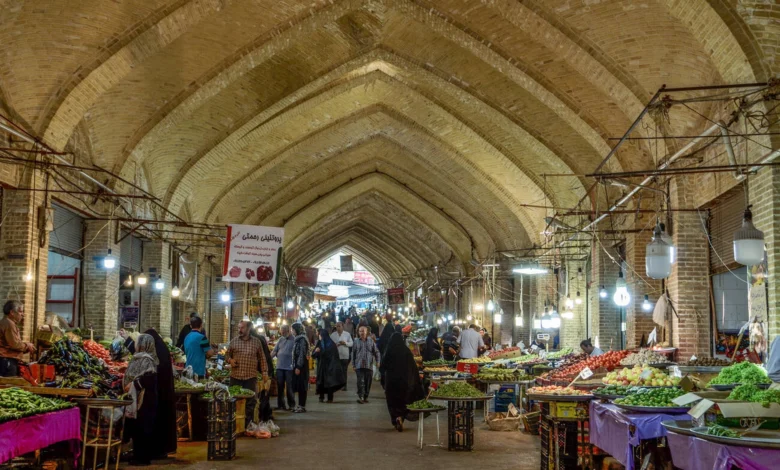

Nestled in the historic city of Kermanshah in western Iran, the Bazaar of Kermanshah is a captivating blend of tradition, craftsmanship, and community spirit. As one of Iran’s oldest and most culturally significant marketplaces, this bazaar is far more than a shopping destination—it’s a living testament to the Kurdish-Persian heritage that defines the region. With its labyrinthine alleys, stunning Qajar-era architecture, and vibrant social atmosphere, the Bazaar of Kermanshah offers an immersive experience that transports visitors into the heart of Iran’s cultural legacy. Whether you’re a history enthusiast, a culture lover, or a traveler seeking authentic experiences, this iconic marketplace is a must-visit on any Iran travel itinerary.
Why Explore the Bazaar of Kermanshah?
The Bazaar of Kermanshah is a treasure trove of history, art, and local life. Dating back to the Zand dynasty and expanded during the Qajar era, it showcases centuries of commerce and creativity. From handwoven carpets to intricate copperware, every stall tells a story of Kurdish and Persian traditions. The bazaar’s architectural beauty, with its tiled caravanserais and domed market nodes, rivals some of Iran’s most famous landmarks. Add to that the warm hospitality of local vendors, and you have an unforgettable journey into Kermanshah’s soul.
The Rich History of Kermanshah Bazaar
The Bazaar of Kermanshah traces its origins to the Zand dynasty (1751–1794), with significant expansions during the Qajar era (1789–1925). Originally a unified marketplace, it was later split into eastern and western sections by the construction of Modarres Street (formerly Sepah Street), reflecting the city’s evolving urban landscape. Despite these changes, the bazaar has retained its cultural and historical essence, remaining a vital hub of trade and community life.
In 1997, the Bazaar of Kermanshah was recognized as a national heritage site, cementing its status as a cultural landmark. Its winding alleys, lined with traditional workshops and artisan stalls, offer a glimpse into centuries of economic and cultural exchange. From Kurdish weavers to Persian coppersmiths, the bazaar has long been a melting pot of craftsmanship and commerce, drawing visitors from across Iran and beyond. Today, it continues to thrive as a vibrant marketplace where history and modernity coexist.
A Legacy of Trade and Tradition
The bazaar’s history is intertwined with Kermanshah’s role as a crossroads of trade and culture in western Iran. During the Zand and Qajar periods, it served as a hub for merchants traveling along ancient trade routes, connecting Persia with the Ottoman Empire and beyond. The caravanserais within the bazaar once provided shelter for these travelers, while the rāstehs (trade lanes) fostered specialized crafts that continue to define the market today. This rich legacy makes the Bazaar of Kermanshah a living museum of Iran’s past.
What to See and Buy at Kermanshah Bazaar
Stepping into the Bazaar of Kermanshah is like entering a vibrant, living museum where every corner tells a story. The market is organized into 18 distinct rāstehs (trade lanes), each dedicated to a specific craft or community, offering a diverse array of goods that reflect the region’s cultural heritage. Whether you’re shopping for souvenirs or simply soaking in the atmosphere, the bazaar’s offerings are sure to captivate.
Must-Visit Trade Lanes
- Rāsteh-ye Mesgarha (Coppersmiths’ Alley): Discover intricately engraved copperware, from decorative trays to traditional teapots.
- Rāsteh-ye Bazzazha (Drapers’ Alley): Browse colorful fabrics, including handwoven textiles and Kurdish scarves.
- Rāsteh-ye Zargarha (Goldsmiths’ Lane): Admire exquisite gold and silver jewelry crafted by local artisans.
- Rāsteh-ye Koloocheh-Pazha (Pastry Bakers): Savor local sweets like nan-e berenji, kak, and nan-e kermanshahi, beloved Kermanshahi delicacies.
Top Souvenirs to Buy
- Handwoven Kilims and Carpets: Vibrant patterns that showcase Kurdish and Persian artistry.
- Kermanshahi Wool Hats: Traditional headwear reflecting local culture.
- Local Sweets: Indulge in nan-e shokri and other confections unique to Kermanshah.
- Copperware: Ornate pieces that blend functionality with decorative beauty.
- Handmade Wooden Art: Intricate carvings that make for meaningful keepsakes.
Each item in the bazaar carries the spirit of Kermanshah’s traditions, making it the perfect place to find authentic souvenirs that tell a story of craftsmanship and heritage.
Architectural Highlights of Kermanshah Bazaar
The Bazaar of Kermanshah is as much a feast for the eyes as it is for the senses. Its architectural elements, rooted in Persian-Islamic design, reflect the elegance and ingenuity of the Zand and Qajar eras. Winding alleys, covered walkways (dalans), and beautifully tiled caravanserais create a visually stunning environment that enhances the shopping experience.
Caravanserais and Sarās
The bazaar is home to several historic caravanserais, once rest stops for merchants and now vibrant hubs for local shops and studios. Key examples include:
- Saray-e Valioddoleh: A standout with four courtyards and traditional arcades, adorned with intricate brickwork.
- Saray-e Kashani and Saray-e Hakimoddoleh: Known for their Qajar-era architectural details.
- Saray-e Esfahanis, Saray-e Rangarzhā, and Saray-e Noor: Each features unique decorative elements, from tiled arches to ornate plasterwork.
These structures offer a glimpse into the bazaar’s past as a bustling trade hub, blending functionality with aesthetic beauty.
Qeysariyeh and Timcheh
The Qeysariyeh of Emadoddoleh is a highlight for luxury shoppers, offering fine fabrics, embroidery, and jewelry under elegant arches. Similarly, Timcheh-ye Seyyed Esma’il is a must-visit for its high-end carpets and artisanal goods, displayed beneath domed ceilings that showcase Qajar craftsmanship. These sections elevate the bazaar’s charm, combining commerce with architectural splendor.
Chaharsoogh (Four Markets)
At the heart of the bazaar lies the Chaharsoogh, a domed market node where multiple rāstehs converge. Connecting coppersmiths, bookbinders, goldsmiths, and saddlers, this symmetrical space is adorned with detailed tilework that exemplifies Iranian architectural harmony. The Chaharsoogh is a perfect spot to pause and admire the bazaar’s structural beauty.
Architectural Features to Admire
- Tiled Caravanserais: Vibrant tiles depicting floral and geometric patterns.
- Domed Ceilings: Ornate designs that enhance the bazaar’s grandeur.
- Covered Dalans: Shaded walkways that provide relief from the sun.
- Brickwork and Plasterwork: Intricate details that reflect Qajar artistry.
The Lively Atmosphere of Kermanshah Bazaar
What truly sets the Bazaar of Kermanshah apart is its vibrant social energy. This is not just a place to shop—it’s a community hub where tradition and daily life intertwine. Merchants greet visitors with warm smiles and cups of tea, inviting you to share in their stories. Elders recount tales of the bazaar’s past, while artisans hammer copper or weave textiles, filling the air with rhythmic sounds. The laughter of bargaining and the hum of conversation create a dynamic atmosphere that feels both timeless and alive.
The bazaar is also a cultural showcase for Kermanshah’s Kurdish and Persian communities. In the textile and tailoring sections, you’ll encounter local families in traditional attire, their colorful clothing reflecting the region’s rich heritage. Engaging with vendors offers a chance to connect with the people of Kermanshah, making your visit a deeply personal experience.
Why the Bazaar Feels Special
The Bazaar of Kermanshah is a place where history comes to life through human connection. Whether you’re sipping tea with a vendor or admiring a handwoven kilim, you’re participating in a tradition that has thrived for centuries. This unique blend of commerce, culture, and community makes the bazaar an unforgettable destination.
When to Visit Kermanshah Bazaar
The best time to visit the Bazaar of Kermanshah is Monday through Thursday, from 8:00 AM to 9:30 PM, when the market is at its liveliest. Fridays and national holidays have shorter hours (10:00 AM to 7:00 PM) and reduced activity, so plan accordingly. For an optimal experience, visit mid-morning when the bazaar is bustling but not overcrowded, allowing you to explore at a leisurely pace.
Seasonal Tips
Spring (March–May) and autumn (September–November) offer mild weather, ideal for wandering the bazaar’s alleys. Summer can be warm, so stick to morning visits, while winter brings cooler temperatures but fewer crowds. Check for religious holidays, as some stalls may close during these periods.
How to Get to Kermanshah Bazaar
Located in the historic Feyzabad district along Nowabi Street, the Bazaar of Kermanshah is easily accessible via Modarres Street, near Enqelab Square. Public transit options include local buses or taxis, which are convenient given the limited parking in the area. For a hassle-free trip, consider booking a guided tour through hamintour.com, which offers insights into the bazaar’s history and culture.
Transportation Tips
- By Bus: Disembark at stops near Enqelab Square and walk a short distance to the bazaar.
- By Taxi: A quick and affordable option for navigating Kermanshah’s busy streets.
- By Car: Parking is scarce, so consider public transit to avoid congestion.
Nearby Attractions to Enhance Your Visit
The Bazaar of Kermanshah is surrounded by cultural landmarks that make for a perfect day of exploration. Add these nearby sites to your itinerary:
- Tekyeh Biglar Beygi (10-minute walk): A Qajar-era site renowned for its stunning mirrorwork and artistry.
- Tekyeh Moaven al-Molk (15-minute walk): Famous for its intricate tilework depicting historical and religious scenes.
- Jameh Mosque of Kermanshah (5-minute walk): A beautiful mosque showcasing Persian-Islamic architecture.
- Jameh Shafei Mosque (10-minute walk): A vibrant Sunni mosque built in Ottoman style.
Why Explore Kermanshah’s Cultural Sites?
Kermanshah is a city of history and heritage, and the bazaar serves as a gateway to its cultural treasures. Pairing your visit with these nearby attractions creates a rich, immersive experience that highlights the region’s unique blend of Kurdish and Persian influences.
Tips for First-Time Visitors
To make the most of your visit to the Bazaar of Kermanshah, keep these tips in mind:
- Dress Modestly: Wear comfortable, respectful clothing suitable for walking through crowded alleys.
- Ask Before Photographing: Always seek permission when taking photos, especially of vendors or locals.
- Carry Cash: Most stalls accept only Iranian rials, as card payments are rare.
- Bargain Politely: Haggling is part of the bazaar’s culture—approach it with respect and a smile.
- Plan for Time: Allow 2–3 hours to explore the rāstehs, shop, and soak in the atmosphere.
- Shop for Souvenirs: Look for kak, nan-e shokri, Kurdish scarves, and copper utensils for authentic keepsakes.
- Book with hamintour.com: Enhance your visit with guided tours that provide deeper insights into the bazaar’s history.
Final Thoughts: Why Kermanshah Bazaar is a Must-Visit
The Bazaar of Kermanshah is more than a marketplace—it’s a vibrant tapestry of Iran’s cultural and historical legacy. From its Zand and Qajar-era architecture to its bustling trade lanes and warm community spirit, the bazaar offers an immersive journey into the heart of Kermanshah. Whether you’re shopping for handwoven kilims, savoring local sweets, or admiring the tiled caravanserais, every moment in the bazaar is a celebration of Kurdish-Persian heritage.
Plan your adventure today with hamintour.com and discover the timeless charm of the Bazaar of Kermanshah. Let the scents of spices, the sounds of artisans at work, and the warmth of local hospitality guide you through this unforgettable corner of western Iran.