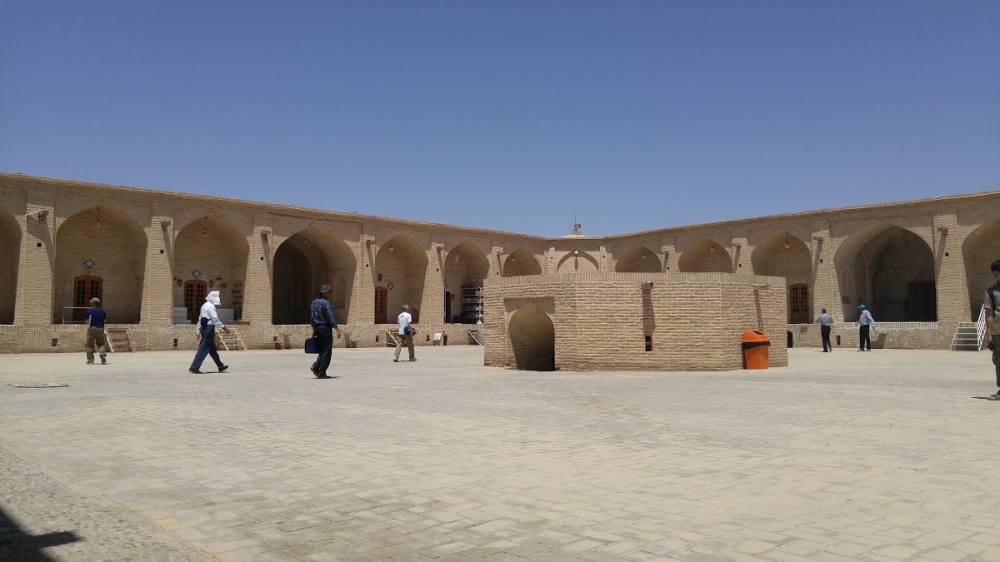

A Timeless Stop on Iran’s Silk Road
Nestled in the heart of Yazd Province, Iran, the Meybod Caravanserai stands as a testament to the ingenuity of Persian architecture and the vibrant history of the Silk Road. On September 17, 2023, during the 45th session of the UNESCO World Heritage Committee in Riyadh, Saudi Arabia, this iconic roadside inn was inscribed on the UNESCO World Heritage List alongside 53 other Iranian caravanserais, collectively recognized as “Iranian Caravanserais.” This designation marks Iran’s 20th and 27th entries on the prestigious list, highlighting the caravanserai’s cultural and historical significance. Located just 40 minutes from Yazd city, the Meybod Caravanserai offers travelers a glimpse into the past with its Safavid-era architecture, serene courtyard, and proximity to attractions like the Kolar Water Reservoir and Qajar-era icehouse. Book your visit with hamintour to experience this architectural marvel and explore the rich heritage of Iran’s Silk Road.
Historical Background of Meybod Caravanserai
A Vital Hub on the Ancient Silk Road
The Meybod Caravanserai, constructed during the Safavid era (1501–1736), was one of approximately 999 caravanserais commissioned by Shah Abbas I to support travelers along Iran’s ancient trade routes. The Silk Road, established by the Han Dynasty in the late 2nd century B.C., stretched over 6,437 kilometers, connecting East Asia to Europe through diverse landscapes like the Gobi Desert. This network, peaking during the Tang Dynasty, facilitated the exchange of goods, ideas, religions, and innovations, shaping Persian civilization and beyond. Iranian merchants traded silk, honey, herbs, textiles, and precious stones, with the Silk Road serving as a conduit for cultural exchange between East and West.
Caravanserais like Meybod were essential for providing shelter, food, and security to traders, pilgrims, and scholars traveling in caravans. These roadside inns were more than rest stops; they were bustling hubs where diverse cultures converged, fostering technological advancements and cultural development. However, the Silk Road also had a darker side, potentially contributing to the spread of diseases like the Black Death. Today, the Meybod Caravanserai, now a UNESCO World Heritage Site, stands as a preserved relic of this historic trade network, offering visitors a tangible connection to Iran’s storied past. Plan your journey with hamintour to explore this iconic site and its role in global history.
Architectural Splendor of Meybod Caravanserai
A Masterpiece of Safavid Design
The Meybod Caravanserai, also known as Shah Abbasi Caravanserai, is a stunning example of Persian architecture, characterized by its four-iwan style and functional yet elegant design. Built on a square plan with a central courtyard, the caravanserai features nearly 100 inner and outer chambers, including 24 in the courtyard, designed to accommodate travelers and their goods. The entrance, located at the southern midpoint, is accessed through a covered passage called “Sul,” leading to a spacious vestibule. The exterior and interior are adorned with iwans, covered corridors, and alcove-like spaces, creating a harmonious blend of open and enclosed areas.
A standout feature is the octagonal pool house at the courtyard’s center, fed by water from a qanat (an ancient underground irrigation system). This unique element provided a cool, tranquil oasis for travelers during the scorching desert summers, with alcoves around it offering shaded resting spots. Unlike many caravanserais, the stables are located only behind the western and eastern walls, with elongated storage spaces on the northern and southern fronts. The nearby cistern, topped with a brick dome and four windcatchers, ensured fresh water storage, showcasing the ingenuity of Persian engineering in adapting to the arid climate. Though the caravanserai lacks defensive towers due to its proximity to Meybod’s city fortress, its robust brick construction and intricate design reflect the grandeur of the Safavid era. Visit with hamintour to explore this architectural gem and its historical significance.
Nearby Attractions in Meybod
Exploring Yazd’s Cultural Treasures
The Meybod Caravanserai is surrounded by a wealth of historical and cultural attractions, making it a must-visit destination in Yazd Province. Here are key nearby sites:
- Kolar Water Reservoir (Ab Anbar-e Kolar): Built in 1691, this reservoir, located opposite the caravanserai, features a distinctive dome and four windcatchers. Designed to store water from qanats, seasonal streams, and rainfall, it ensured a fresh supply in the desert climate. The windcatchers facilitated ventilation, keeping the water cool and free from impurities, a testament to Persian ingenuity.
- Meybod Icehouse: Across from the caravanserai, this Qajar-era (18th–19th century) icehouse stored ice blocks for use during hot seasons. Water was frozen in shaded ponds during winter, then preserved in an underground reservoir beneath a high dome, showcasing sustainable desert architecture.
- Chaparkhaneh (Pony Express) of Meybod: Adjacent to the caravanserai, this Qajar-era building now serves as the Post Museum of Meybod. Once a mail delivery station with agile couriers, it features exhibits with fiberglass horses and mannequins depicting its historical functions.
- Narin Castle: A short distance away, this Sassanian-era castle, dating back over 1,800 years, is one of Meybod’s most significant monuments. Constructed with large mud bricks, it reflects the region’s ancient defensive architecture.
- Pigeon Tower: Nearby, this historic structure was used to house pigeons, whose manure was collected for agricultural purposes, highlighting Meybod’s sustainable practices.
These attractions, within walking distance or a short drive, offer a deep dive into Meybod’s rich heritage. Book a guided tour with hamintour to explore these sites and uncover the stories behind Yazd’s cultural landmarks.
Visiting Meybod Caravanserai
A Cultural Hub and Tourist Destination
Restored to its former glory, the Meybod Caravanserai now houses the Caravanserai Museum, open daily from 8 AM to 11 PM, showcasing traditional crafts like zilu (cotton rugs with cypress motifs) and ceramics. The adjacent small marketplace offers souvenirs, including handmade textiles and pottery, evoking the bustling trade of the Silk Road era. The caravanserai’s serene courtyard and shaded alcoves provide a peaceful retreat, while its proximity to Meybod’s fortress ensures a safe and immersive experience. Guests can explore craft workshops and exhibits that highlight the site’s historical significance.
The caravanserai is a 40-minute drive from Yazd city, accessible by taxi or guided tour, and is part of the popular Yazd-Isfahan route. Its location in Meybod, a historic town known for its well-preserved architecture, makes it a convenient stop for travelers exploring Iran’s Silk Road. For a seamless visit, book with hamintour to include the caravanserai in a tailored itinerary that covers Yazd’s UNESCO sites and beyond.
The Significance of the Silk Road
A Global Network of Trade and Culture
The Silk Road was more than a trade route; it was a catalyst for cultural, religious, and technological exchange across continents. Spanning from China to Europe, it facilitated the movement of goods like silk, spices, and precious stones, as well as ideas, philosophies, and innovations. Persian merchants played a pivotal role, exporting textiles and gems to China and importing silk, which was sometimes used as currency. During the Sasanian Empire (224–651 AD), the Silk Road drove economic prosperity, though it also faced rivalry, notably between Persians and Byzantines by 531 AD.
The Meybod Caravanserai, strategically located on the Yazd-Isfahan route, was a vital node in this network, offering safety and sustenance to caravans. Its UNESCO recognition underscores its role in preserving Iran’s architectural and cultural heritage, reflecting the Silk Road’s enduring legacy. Travelers today can walk in the footsteps of ancient merchants, experiencing the same hospitality that defined these historic inns. Join a hamintour excursion to trace the Silk Road’s path through Iran’s heartland.
Join Exclusive Iran Tours with Hamintour
Explore Yazd and Beyond with Expert Guidance
Enhance your visit to the Meybod Caravanserai with hamintour’s exclusive Iran group tours, designed to connect you with like-minded travelers and streamline your journey:
- Iran 7-Day Tour: €960 (Early Bird: €860) – A concise exploration of Iran’s cultural highlights, including Yazd’s UNESCO sites like the Meybod Caravanserai.
- Iran 9-Day Tour: €1,100 (Early Bird: €860) – A deeper dive into Iran’s historical landmarks, covering Yazd, Isfahan, and more.
- Iran 15-Day Tour: €1,690 (Early Bird: €1,520) – An immersive adventure across Iran’s iconic destinations, including a stop at Meybod.
These tours offer expert guides, seamless logistics, and opportunities to explore Iran’s Silk Road heritage. Book now with hamintour to secure your spot and uncover the wonders of Yazd Province.
Final Words: A Living Legacy of the Silk Road
A Must-Visit UNESCO Site in Yazd
The Meybod Caravanserai, inscribed on the UNESCO World Heritage List on September 17, 2023, is a captivating window into Iran’s Silk Road history. Its four-iwan architecture, unique pool house, and nearly 100 chambers reflect the ingenuity of Safavid-era design, while its proximity to attractions like the Kolar Water Reservoir, Qajar-era icehouse, and Narin Castle enriches the visitor experience. As part of the 54 “Iranian Caravanserais” recognized by UNESCO, Meybod stands as a symbol of Persia’s role as a cultural and economic bridge between East and West. Whether you’re marveling at its mudbrick architecture, exploring the Caravanserai Museum, or shopping for zilu rugs, this historic inn offers an unforgettable journey into Iran’s past. Book your visit with hamintour to experience the timeless allure of Meybod and the Silk Road’s enduring legacy.
FAQs about Visiting Meybod Caravanserai
Your Guide to Exploring this UNESCO Site
- Where is Meybod Caravanserai located? The caravanserai is in Meybod, Yazd Province, Iran, approximately 40 minutes from Yazd city and 3.5 hours from Isfahan, accessible via the Yazd-Isfahan route.
- What was the usage of the Meybod Caravanserai? It served as a roadside inn for Silk Road travelers, providing shelter, food, water, and security for merchants, pilgrims, and their livestock.
- What was the significance of the Silk Road? The Silk Road was a 6,437-kilometer trade network that facilitated the exchange of goods, ideas, religions, and technologies between East Asia, the Middle East, and Europe for over 1,500 years, shaping Persian and global culture.
For a seamless and culturally rich visit to the Meybod Caravanserai, book your experience with hamintour and immerse yourself in the heart of Iran’s Silk Road heritage.