
Iran, a land where ancient civilizations whisper through millennia-old ruins and vibrant bazaars pulse with modern life, beckons travelers with its unparalleled blend of history, culture, and natural beauty. From the towering ziggurats of the Elamite era to the intricate tilework of Safavid mosques, Iran’s attractions are a testament to its rich tapestry woven across centuries of empires, poets, and artisans. Whether you’re drawn to the spiritual serenity of Mashhad’s shrines, the architectural splendor of Isfahan, or the prehistoric mysteries of Kashan, each destination offers a unique window into Iran’s soul. With hamintour, a trusted leader in Iranian tourism, your journey through these iconic sites is elevated with expert-guided tours, seamless planning, and immersive cultural experiences tailored to your curiosity. Below, we explore 13 must-visit attractions that showcase Iran’s diverse heritage, ensuring a journey that lingers in memory long after you return home.
1. Tabriz Historic Bazaar Complex: A Living UNESCO Legacy
In the heart of northwest Iran, the Tabriz Historic Bazaar Complex, a UNESCO World Heritage Site, thrives as one of the Middle East’s oldest and largest covered markets. Spanning 27 hectares, this labyrinth of vaulted corridors, caravanserais, and domed timchehs has been a trade hub since the Silk Road era, connecting East and West. Wander through alleys brimming with saffron, handwoven carpets, and turquoise jewelry, where merchants’ calls blend with the scent of rosewater and spices. Architectural highlights like the Timcheh Amin od-Dowleh, with its intricate brickwork and soaring arches, reflect Qajar-era craftsmanship. hamintour’s guided bazaar tours weave in storytelling sessions with local artisans, revealing tales of Tabriz’s mercantile past, from Seljuk to Safavid dynasties, making it a must for cultural explorers.
Location: Tabriz, East Azerbaijan Province Why Visit: UNESCO status, vibrant commerce, and Persian architectural splendor.
2. Chogha Zanbil: Ancient Elamite Ziggurat
Nestled in Khuzestan’s plains near Shush, Chogha Zanbil stands as a 3,200-year-old testament to the Elamite civilization, earning UNESCO World Heritage status for its remarkable preservation. This stepped ziggurat, built around 1250 BCE under King Untash-Napirisha, rises 25 meters with mud-brick terraces once adorned with glazed tiles. Surrounded by a sacred city with temples and reservoirs, it served as a religious and administrative hub. Visitors marvel at its cuneiform inscriptions and the world’s earliest known water purification system. hamintour offers expert-led archaeological tours, pairing Chogha Zanbil with nearby Susa’s ancient tombs for a deep dive into Iran’s pre-Persian roots.
Location: Shush, Khuzestan Province Why Visit: One of the world’s best-preserved ziggurats, showcasing Elamite ingenuity.
3. Jameh Mosque of Isfahan: Islamic Architectural Masterpiece
In Isfahan, the Jameh Mosque, a UNESCO World Heritage Site, dazzles with its 800-year evolution from Seljuk to Safavid eras. Known as Iran’s “encyclopedia of Islamic architecture,” its sprawling courtyards, turquoise-tiled domes, and filigreed mihrabs showcase intricate geometric patterns and calligraphy. The southern iwan’s acoustic marvels and the hypostyle halls’ 476 unique columns captivate visitors. Climb the minarets for panoramic views of Naqsh-e Jahan Square’s bustle. hamintour’s cultural tours include sunset visits, when the mosque’s tiles glow, paired with local lore about its role as Isfahan’s spiritual heart.
Location: Isfahan, Isfahan Province Why Visit: Stunning tilework and a living chronicle of Persian Islamic design.
4. Salt Dome of Qeshm: Geological Wonder
On Qeshm Island in the Persian Gulf, the Salt Dome of Qeshm, part of a UNESCO Global Geopark, mesmerizes with its surreal landscape of crystalline caves, salt glaciers, and eroded karsts. Formed millions of years ago, this geological marvel sparkles with salt crystals and ochre hues, creating an otherworldly backdrop for hikers and photographers. Explore the Namakdan Cave, the world’s longest salt cave at 6.4 kilometers, with its stalactites and underground streams. hamintour’s eco-tours combine dome treks with visits to Qeshm’s mangrove forests, offering sustainable adventures in Iran’s southern gem.
Location: Qeshm Island, Hormozgan Province Why Visit: Unique geological formations and UNESCO Geopark status.
5. Vank Cathedral: Armenian Artistry in Isfahan
Tucked in Isfahan’s Jolfa quarter, Vank Cathedral (built 1606–1655) is a vibrant testament to Iran’s Armenian heritage. Its exterior blends Safavid domes with Christian bell towers, while the interior bursts with gilded frescoes depicting biblical scenes and Persian floral motifs. The adjacent museum houses rare manuscripts and artifacts, chronicling the Armenian diaspora’s contributions to Iran. hamintour’s guided visits include storytelling sessions about the 17th-century Silk Road migrations, making Vank a cultural bridge for art and history lovers.
Location: Isfahan, Isfahan Province Why Visit: Exquisite frescoes and a blend of Persian-Christian architecture.
6. Shushtar Historical Hydraulic System: Ancient Engineering Feat
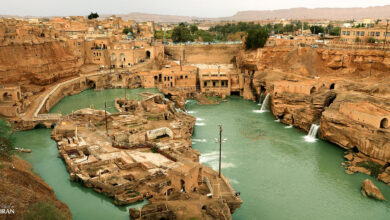
A UNESCO World Heritage Site in Khuzestan, the Shushtar Historical Hydraulic System, dating to the 3rd century BCE, is a marvel of Achaemenid and Sassanid engineering. This network of canals, dams, and watermills, including the iconic Band-e Kaisar bridge-dam, harnessed the Karun River to irrigate arid lands. Visitors explore its cascading weirs and underground tunnels, still functional after 2,300 years. hamintour’s archaeology tours pair Shushtar with Chogha Zanbil, offering insights into Iran’s ancient water mastery.
Location: Shushtar, Khuzestan Province Why Visit: Ingenious ancient irrigation system and UNESCO recognition.
7. Fin Garden: Persian Paradise in Kashan
Kashan’s Fin Garden, a UNESCO World Heritage Site, is a 16th-century Persian garden epitomizing paradise with its cypress-lined paths, turquoise pools, and ornate pavilions. The Fin Bath, site of a historic 19th-century assassination, adds intrigue, while its qanat-fed fountains showcase ancient irrigation. Spring visits during the Gulab-giri rosewater festival are magical. hamintour’s curated tours include tea ceremonies in the garden’s teahouse, blending relaxation with Kashan’s poetic heritage.
Location: Kashan, Isfahan Province Why Visit: Iconic Persian garden design and rosewater festival charm.
8. Tepe Sialk: Cradle of Civilization
Near Kashan, Tepe Sialk’s twin hills reveal a 7,500-year-old settlement, one of the world’s oldest. Excavations uncovered ziggurats, pottery with ibex motifs, and bronze tools, evidencing Iran’s proto-Elamite culture. The on-site museum displays artifacts like clay seals and jewelry, offering a glimpse into prehistoric urban life. hamintour’s archaeological tours pair Sialk with Kashan’s historic homes, enriching your understanding of Iran’s ancient foundations.
Location: Kashan, Isfahan Province Why Visit: One of the oldest human settlements with remarkable artifacts.
9. Konar Sandal: Bronze Age Mystery
In Hormozgan’s Jiroft region, Konar Sandal unveils a 4th-millennium BCE civilization, dubbed the “Jiroft Culture.” Its stepped structures, chlorite vessels, and cuneiform-like tablets hint at a sophisticated society rivaling Mesopotamia. Ongoing excavations reveal palaces and workshops, drawing global archaeologists. hamintour’s off-the-beaten-path tours offer exclusive access to this emerging site, paired with desert camping under starlit skies.
Location: Jiroft, Hormozgan Province Why Visit: Rare glimpse into a newly discovered Bronze Age civilization.
10. Jameh Mosque of Yazd: Desert Architectural Jewel
Yazd’s Jameh Mosque, built in the 14th century, dazzles with Iran’s tallest minarets (48 meters) and a portal adorned with sky-blue tiles and calligraphy. Its cooling windcatchers and qanat-fed courtyard reflect Yazd’s desert ingenuity. The Mihrab Hall’s mosaic work is a photographer’s delight. hamintour’s sunset tours capture the mosque’s glow, paired with visits to Yazd’s Zoroastrian fire temples for a holistic cultural experience.
Location: Yazd, Yazd Province Why Visit: Stunning tilework and unique desert architecture.
11. Chehel Sotoun Palace: Safavid Splendor
Isfahan’s Chehel Sotoun Palace, a 17th-century Safavid masterpiece, enchants with its 20 slender columns reflected in a pool, creating the “Forty Columns” illusion. Its frescoed halls depict battles and feasts, while the surrounding gardens bloom with roses. hamintour’s art-focused tours include curator-led walks, revealing the palace’s role as a royal reception hall.
Location: Isfahan, Isfahan Province Why Visit: Exquisite frescoes and poetic garden setting.
12. Imam Reza Shrine: Spiritual Heart of Mashhad
Mashhad’s Imam Reza Shrine, Iran’s holiest site, draws millions to honor the eighth Shia Imam. Its golden dome, sprawling courtyards, and Goharshad Mosque’s turquoise tiles create a spiritual haven. The shrine’s museum houses rare Qurans and relics. hamintour’s pilgrimage tours offer respectful guidance, blending devotion with explorations of Mashhad’s bazaars.
Location: Mashhad, Razavi Khorasan Province Why Visit: Sacred Islamic site with breathtaking architecture.
13. Tabatabaei House: Qajar Elegance in Kashan
Kashan’s Tabatabaei House, a 19th-century merchant mansion, captivates with its stucco reliefs, stained-glass Orosi windows, and seven courtyards. Its windcatchers and mirrored halls reflect Qajar opulence. hamintour’s heritage tours pair visits with Kashan’s rosewater workshops, immersing you in local traditions.
Location: Kashan, Isfahan Province Why Visit: Exquisite Qajar architecture and cultural immersion.
Why Explore with hamintour?
hamintour transforms your Iranian adventure with expertly crafted itineraries, blending these iconic sites with hidden gems like desert caravanserais or Zoroastrian villages. Their sustainable tourism ethos supports local communities, while their guides—fluent in Persian history—bring each site to life with stories of poets, kings, and traders. From arranging camel treks to securing prime museum access, hamintour ensures a seamless, enriching journey through Iran’s cultural mosaic.
Frequently Asked Questions (FAQs)
- What makes Iran’s attractions unique? Iran’s sites blend ancient history, Islamic architecture, and natural wonders, offering diverse experiences from ziggurats to modern bazaars.
- How does hamintour enhance my visit? hamintour provides tailored tours, expert guides, and sustainable itineraries, ensuring deep cultural immersion and hassle-free travel.
- Is the Tabriz Bazaar suitable for shoppers? Yes, it offers carpets, spices, and jewelry, with hamintour’s guides helping you navigate for authentic finds.
- Why visit Chogha Zanbil? It’s a well-preserved Elamite ziggurat, showcasing 3,200-year-old engineering and Iran’s pre-Persian heritage.
- What’s special about the Jameh Mosque of Isfahan? Its evolving design and intricate tiles make it a masterpiece of Islamic architecture, perfect for history buffs.
- Can I explore Qeshm’s Salt Dome year-round? Yes, but spring and fall are ideal for comfortable hiking, with hamintour arranging eco-friendly tours.
- Is Vank Cathedral open to non-Christians? Absolutely, it welcomes all to admire its frescoes and learn about Iran’s Armenian heritage.
- What activities pair with Fin Garden visits? hamintour offers rosewater workshops and teahouse experiences, enhancing the garden’s cultural allure.
- How old is Tepe Sialk, and why visit? Over 7,500 years old, it reveals prehistoric life through artifacts, ideal for archaeology enthusiasts.
- Is the Imam Reza Shrine accessible to tourists? Yes, non-Muslims can visit public areas with respectful attire, guided by hamintour for a meaningful experience.