

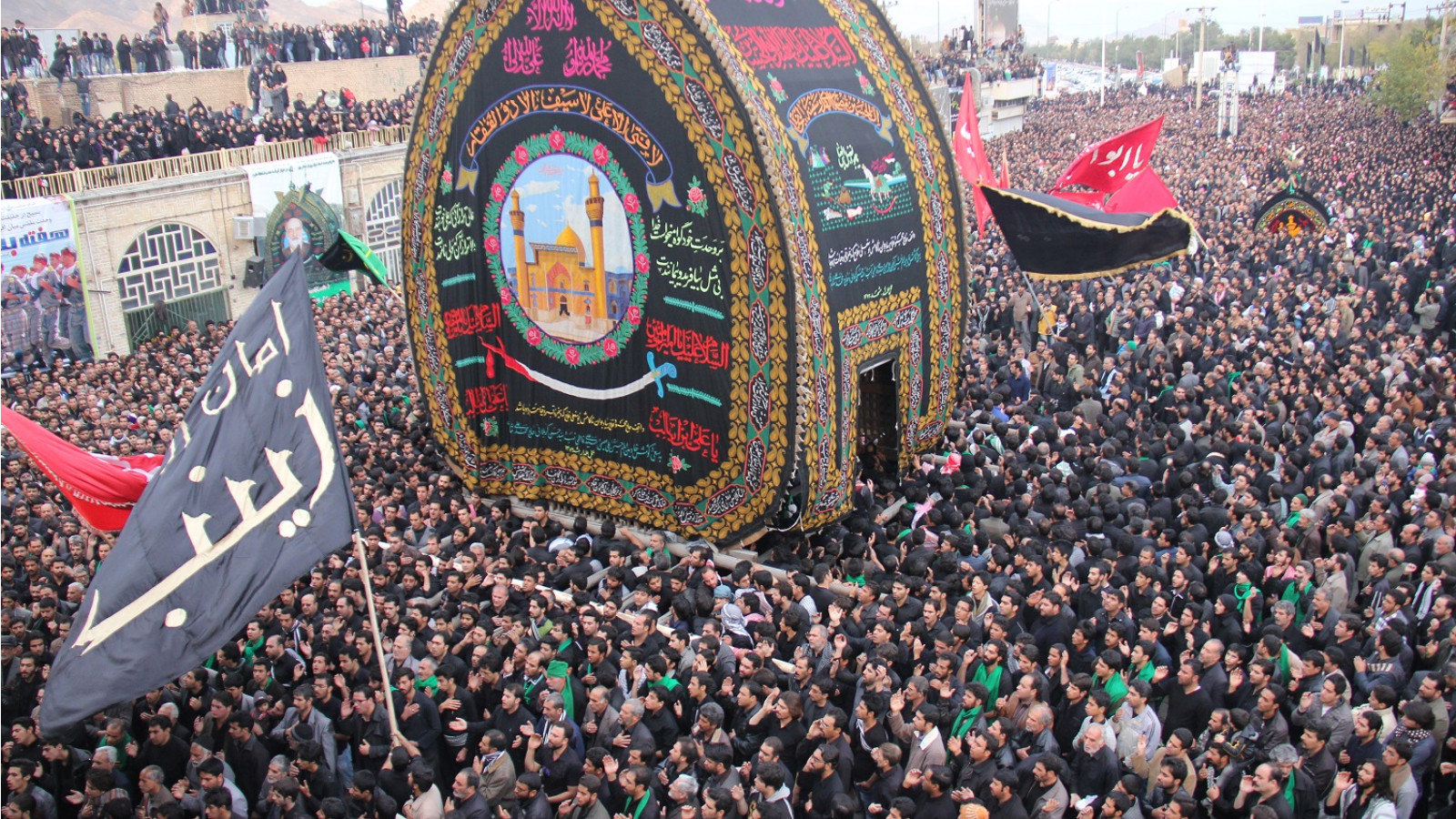
Yazd, a UNESCO World Heritage city in the heart of Iran, comes alive each year with Nakhl Gardani, a mesmerizing cultural and religious ceremony that captivates travelers, historians, and cultural enthusiasts worldwide. Held during Ashura to commemorate the martyrdom of Imam Hussein, the revered grandson of Prophet Muhammad, this vibrant ritual is a cornerstone of Yazd’s heritage. Nakhl Gardani in Yazd is more than a ceremony—it’s a powerful expression of faith, community, and tradition, weaving together centuries of history with the city’s enduring spirit. In this comprehensive guide, we explore the ritual’s significance, practical tips for visitors, and ways to immerse yourself in Yazd’s rich cultural tapestry with hamintour.
Understanding the Nakhl Gardani Ritual
A Symbol of Mourning and Unity
Nakhl Gardani, meaning “carrying the palm,” is a deeply symbolic ritual despite its name, as no actual palm trees are involved. At its core is the Nakhl, an intricately crafted wooden structure representing Imam Hussein’s coffin. Constructed from sturdy timber, the Nakhl is adorned with symbolic black, green, and red fabrics, along with mirrors, swords, and banners inscribed with verses of remembrance. This elaborate design transforms the Nakhl into a poignant emblem of grief, unity, and reverence, connecting participants and spectators to the emotional weight of Ashura.
A Collective Effort
The ceremony thrives on community participation, with hundreds of locals working together to carry the heavy Nakhl through Yazd’s historic streets. From the carriers to the chanters and spectators, every individual plays a vital role in creating an atmosphere charged with devotion and solidarity. Nakhl Gardani in Yazd fosters a profound sense of belonging, inviting visitors to witness the power of collective memory and shared cultural heritage.
A Multisensory Experience
The ritual is a feast for the senses, with rhythmic chest-beating, soulful poetry recitations, and passionate chants filling the air. The sight of the ornate Nakhl moving through Yazd’s ancient alleyways, coupled with the emotional intensity of the crowd, creates a deeply moving experience that resonates with people of all backgrounds.
Historical Significance of Nakhl Gardani
Roots in the Safavid Era
Nakhl Gardani traces its origins to Iran’s Safavid era (1501–1736), a pivotal period that shaped Shiite Islamic traditions. This centuries-old ritual has been meticulously preserved in Yazd, a city renowned for its historical authenticity and architectural charm. The mud-brick buildings and winding alleys of Yazd’s old town provide a fitting backdrop, enhancing the ceremony’s timeless appeal.
A Testament to Resilience
The enduring nature of Nakhl Gardani reflects the resilience of Yazd’s community in maintaining their cultural and religious practices. For locals, participating in the ritual is a spiritual act of devotion, honoring Imam Hussein’s sacrifice while reinforcing communal bonds. Its historical significance lies not only in its age but also in its ability to evolve while staying true to its roots.
A Cultural Bridge Across Generations
Nakhl Gardani serves as a bridge between past and present, uniting generations through shared rituals and values. The ceremony’s continued relevance underscores Yazd’s role as a cultural hub, where tradition and modernity coexist harmoniously, inviting visitors to connect with Iran’s rich history.
Experiencing Nakhl Gardani in Yazd
Where to Witness the Ceremony
The heart of Nakhl Gardani is Yazd’s Amir Chakhmaq Complex, a stunning architectural landmark with its three-story Hosseiniyeh, a traditional venue for mourning ceremonies. Other historic neighborhoods, such as Shah Abol-Qasim Hosseiniyeh, also host the ritual, offering multiple vantage points to experience this cultural spectacle. The combination of Yazd’s ancient architecture and the ceremony’s emotional intensity creates an unforgettable atmosphere.
The Ritual in Action
During Nakhl Gardani, hundreds of participants lift the heavy Nakhl, moving it through the streets in a synchronized display of strength and devotion. The air resonates with mournful chants, poetic recitations, and the rhythmic beat of chests, creating a powerful sense of shared grief and faith. Spectators, both local and international, are drawn into the emotional current, making it a profoundly immersive experience.
Engaging with the Community
Visitors are warmly welcomed to observe and, in some cases, participate in the ceremony’s peripheral activities, such as chanting or offering support. Engaging with locals provides deeper insights into the ritual’s significance, as many are eager to share stories and traditions, fostering a sense of global connection.
A Celebration of Community Spirit
Unity Through Collective Effort
Nakhl Gardani exemplifies the power of community collaboration. Carrying the massive Nakhl requires dozens of participants to work in harmony, symbolizing unity and collective devotion. This teamwork extends beyond the carriers to include organizers, chanters, and spectators, all contributing to the ritual’s success.
A Universal Message of Togetherness
The ceremony transcends cultural and religious boundaries, inviting visitors to appreciate the universal themes of solidarity and remembrance. Nakhl Gardani in Yazd fosters a sense of shared humanity, encouraging travelers to reflect on their own cultural traditions and the power of community.
Preserving Cultural Heritage
By participating in or observing Nakhl Gardani, visitors contribute to the preservation of Yazd’s cultural heritage. The ritual’s communal nature ensures that traditions are passed down through generations, keeping Yazd’s historical identity alive and vibrant.
Practical Tips for Visiting Nakhl Gardani
1. Plan Your Visit During Ashura
Nakhl Gardani takes place during Ashura, which follows the Islamic lunar calendar and typically occurs in late summer or early autumn. Check the exact dates in advance to align your trip with this significant event.
2. Arrive Early for Prime Viewing
Secure the best spots at Amir Chakhmaq Complex or other key locations by arriving early. Popular areas fill up quickly, so plan to stake out your position before the ceremony begins.
3. Dress Modestly and Respectfully
As a religious event, Nakhl Gardani requires modest attire. Women should wear a headscarf and loose-fitting clothing, while men should avoid shorts and sleeveless shirts. Black attire is often worn to reflect the mourning theme.
4. Prepare for Yazd’s Climate
Yazd’s desert climate can be hot and sunny, even in autumn. Bring water, sunscreen, a hat, and comfortable shoes to stay hydrated and protected while exploring outdoor venues.
5. Respect the Ceremony’s Solemnity
While photography is generally allowed, be mindful of the ritual’s sacred nature. Ask for permission before taking close-up photos of participants and avoid disruptive behavior during the ceremony.
6. Engage with Local Guides
Booking a guided tour with hamintour enhances your experience, offering expert insights into Nakhl Gardani’s history and significance. Guides can also navigate you through Yazd’s historic sites for a richer cultural journey.
Exploring Yazd Beyond Nakhl Gardani
UNESCO-Listed Old Town
Yazd’s historic old town, a UNESCO World Heritage Site, is a treasure trove of mud-brick architecture, ancient wind towers (badgirs), and charming alleyways. Wander through its labyrinthine streets to discover hidden courtyards and traditional homes.
Culinary Delights
Savor Yazd’s unique cuisine, including Ash-e-Shooli, a tangy local soup, and sweets like Yazdi cakes, baghlava, and qottab. Visit local teahouses and restaurants to experience the city’s culinary heritage.
Cultural and Historical Attractions
-
Jame Mosque of Yazd: Admire its stunning tilework and towering minarets, a masterpiece of Persian architecture.
-
Zoroastrian Fire Temple: Explore Yazd’s ancient Zoroastrian heritage, where a sacred flame has burned for over 1,500 years.
-
Bazaars and Workshops: Shop for handmade textiles, ceramics, and jewelry while witnessing artisans at work in Yazd’s vibrant markets.
Day Trips from Yazd
Extend your adventure with day trips to nearby attractions:
-
Kharanaq Village: Discover ancient mud-brick structures and a historic caravanserai.
-
Chak Chak: Visit a sacred Zoroastrian pilgrimage site nestled in the desert mountains.
-
Meybod: Explore the Narin Castle and traditional pigeon towers, showcasing Yazd’s diverse heritage.
Visitor Essentials for Nakhl Gardani
Best Time to Visit
Ashura typically falls between August and October, depending on the lunar calendar. Plan your trip around these dates to experience Nakhl Gardani at its peak.
Accommodation Options
Stay in Yazd’s traditional guesthouses or boutique hotels, many of which are restored historic homes offering authentic Persian hospitality. Book early during Ashura to secure your spot.
Getting to Yazd
Yazd is easily accessible via Yazd International Airport, with flights from Tehran and other major cities. The city is also well-connected by road and public transport, including buses and trains. For a seamless experience, arrange airport transfers or guided tours with hamintour.
Why Nakhl Gardani in Yazd is a Must-See
A Deep Cultural Connection
Nakhl Gardani offers an unparalleled opportunity to engage with Iran’s spiritual and cultural heritage. The ritual’s emotional depth and communal spirit leave a lasting impression, connecting visitors to Yazd’s storied past.
A Showcase of Architectural Splendor
Set against Yazd’s historic backdrop, the ceremony blends seamlessly with the city’s iconic landmarks, such as the Amir Chakhmaq Complex, creating a visually stunning experience.
A Universal Celebration of Community
The ritual’s themes of unity and remembrance resonate universally, inviting travelers from all backgrounds to reflect on the power of collective traditions and shared humanity.
Conclusion: Immerse Yourself in Yazd’s Cultural Soul
Nakhl Gardani in Yazd is more than a ceremony—it’s a vibrant celebration of faith, community, and heritage that captures the essence of this historic city. From the emotional intensity of the Nakhl procession to the timeless beauty of Yazd’s old town, this experience promises profound memories and a deeper appreciation for Iran’s cultural richness. With hamintour’s expert guidance, plan a seamless visit to witness Nakhl Gardani and explore Yazd’s many treasures. Pack your bags, embrace the spirit of Ashura, and embark on a journey into the heart of Iran’s cultural legacy.
FAQs: Your Guide to Nakhl Gardani in Yazd
-
What is Nakhl Gardani, and why is it significant?
Nakhl Gardani is a ceremonial procession during Ashura, honoring Imam Hussein’s martyrdom with a symbolic wooden structure. It reflects Yazd’s deep cultural and religious heritage. -
When and where can I witness Nakhl Gardani in Yazd?
The ritual occurs during Ashura (typically August–October) at Amir Chakhmaq Complex and other historic neighborhoods in Yazd. -
How should I prepare for visiting Nakhl Gardani?
Dress modestly, arrive early for the best views, and book a guided tour with hamintour for expert insights. Respect the ceremony’s solemnity and prepare for Yazd’s sunny climate.