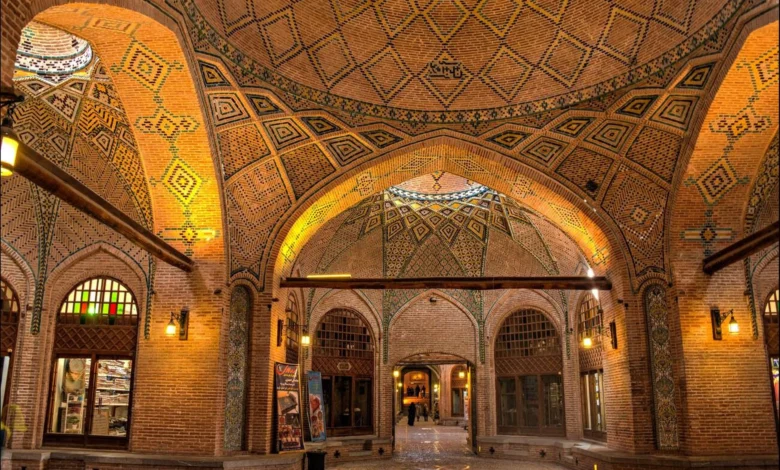

Nestled in the heart of Qazvin, the Qazvin Bazaar is a vibrant portal to Iran’s storied past, where the echoes of Safavid-era trade and culture come alive. This historic marketplace, registered as a national heritage site on January 5, 1978, pulses with life under its soaring arched ceilings, intricate brickwork, and colorful orosi windows adorned with stained glass. As you wander its bustling lanes, the tantalizing aroma of saffron, the rhythmic chatter of merchants, and the vibrant displays of handwoven rugs and local sweets create a sensory journey through centuries of Persian heritage. Whether you’re a history enthusiast, a culture seeker, or a traveler eager to shop for unique treasures, Qazvin Bazaar offers an unforgettable experience. Ready to explore this iconic Qazvin attraction? Here’s your comprehensive guide to navigating the bazaar, discovering its hidden gems, and immersing yourself in its timeless allure with hamintour.
Why Qazvin Bazaar Is a Must-Visit
Qazvin Bazaar is more than a marketplace—it’s a living museum that encapsulates over a millennium of Persian history and commerce. Flourishing during the Safavid period when Qazvin served as Iran’s capital (1555–1598), this bazaar remains a vibrant hub where locals and tourists converge. Its intricate architecture, blending Persian artistry with functional design, influenced later markets like Isfahan’s, and its bustling stalls offer everything from aromatic spices to exquisite carpets. The bazaar’s ability to seamlessly weave history into everyday life makes it a cultural treasure, offering visitors a chance to shop, dine, and connect with Qazvin’s warm community. With hamintour as your guide, discover why this marketplace is a cornerstone of Iran’s heritage.
A Showcase of Persian Craftsmanship
The bazaar’s architectural splendor is a testament to Persian ingenuity, with vaulted ceilings, geometric kashi-kari (tilework), and ornate brick mosaics adorning every corner. Each saray (courtyard) and timcheh (small caravanserai) tells a story of trade and artistry, making the bazaar a visual delight for architecture lovers. Hamintour’s curated tours highlight these intricate details, ensuring you don’t miss a single masterpiece.
A Cultural and Social Crossroads
Beyond its commercial vibrancy, Qazvin Bazaar is a social hub where merchants, many from families with decades of trade experience, share tales of the past. The air is filled with the scent of local delicacies like pistachio sweets and baklava, creating a warm, inviting atmosphere. Engaging with vendors offers a glimpse into Qazvin’s rich cultural tapestry, and hamintour facilitates meaningful interactions with locals.
Where Is Qazvin Bazaar Located?
Qazvin Bazaar is centrally located in Qazvin’s historic district, on Imam Khomeini Street, just before Molavi Street. This prime spot in a city renowned for its Safavid heritage makes it an ideal starting point for exploring Qazvin’s landmarks, such as the nearby Sa’d al-Saltaneh Caravanserai. Its accessibility and proximity to other cultural sites make it a must-visit for travelers exploring Iran’s heartland with hamintour.
How to Get to Qazvin Bazaar
Reaching Qazvin Bazaar is straightforward, with options for drivers, public transport users, and those who prefer a leisurely stroll. Hamintour provides tailored guidance to ensure a seamless journey.
By Car: Convenient and Scenic
Drive to Sabzeh Meydan (Freedom Square) and head toward Imam Khomeini Street, where the bazaar is located. Traffic restrictions may apply due to the area’s bustling nature, so park at the public lot near Sabzeh Meydan and walk the short distance to the bazaar’s entrances on Imam Khomeini, Koroush, or Molavi Streets. Hamintour recommends nearby parking options for hassle-free access.
By Bus: Affordable and Accessible
Take city bus lines 107 or 108 to the Imam Khomeini Street stop, just steps from the bazaar. The short walk from the bus stop offers a scenic glimpse of Qazvin’s historic district, passing landmarks like mosques and traditional homes. Hamintour provides bus schedules to streamline your trip.
On Foot: A Cultural Stroll
From Sabzeh Meydan, stroll east along Imam Khomeini Street to reach the bazaar’s main entrances. This route immerses you in Qazvin’s old-town charm, with opportunities to explore nearby attractions like the Chehel Sotoun Pavilion. Hamintour’s walking tours enhance this experience with expert insights into the city’s history.
Operating Hours of Qazvin Bazaar
Qazvin Bazaar is open daily from approximately 8 AM to 9 PM, providing ample time to explore its vibrant lanes and bustling stalls. Individual shop hours may vary slightly, but the market maintains a consistent buzz throughout the day, making it easy to plan your visit with hamintour’s guidance.
Best Time to Visit Qazvin Bazaar
The bazaar offers a unique experience depending on when you visit. For a serene exploration, head to the market early in the morning (Saturday to Wednesday), when the lanes are quieter, allowing you to admire the Safavid-era architecture—think intricate brickwork and colorful orosi windows—in peace. Weekends (Thursday and Friday) bring a lively crowd, perfect for soaking up the bazaar’s energetic atmosphere and engaging with local vendors. Spring, particularly early April, is ideal for discovering fresh wild herbs, their fragrance mingling with the scents of spices and sweets. Autumn (September to November) offers mild weather, making it another excellent time to visit. Hamintour recommends avoiding peak holiday seasons like Nowruz for a more relaxed experience.
Exploring the Sections of Qazvin Bazaar
Qazvin Bazaar is a labyrinth of sarays, timchehs, and rastes (trade rows), each with its own distinct character and history. Here’s a detailed look at its key areas, perfect for exploring with hamintour.
Sarays of Qazvin Bazaar
- Qeysariyeh Saray: A historic courtyard once bustling with artisans, this saray connects to Sarbaz Timcheh (north), Sarpushideh Timcheh (south), Vazir Saray (east), and a small chaharsuq (west). Its lofty ceilings and timeless charm make it a highlight of the bazaar.
- Sa’d al-Saltaneh Saray: A Qajar-era masterpiece spanning 26,000 square meters, built under Governor Sa’d al-Saltaneh. Designed by architects Mehdi Chegini and Hassan Khanjari, it features winding corridors, brick arches, and a stunning chaharsuq with a tiled dome and lightwells. Recently restored, it houses shops, cafés, and cultural spaces, making it a must-visit with hamintour.
- Razavi Saray: A Safavid or Qajar-era caravanserai with a rectangular courtyard and two-story shops. Its hastii entrance, adorned with herringbone brickwork and tiles, leads to the cloth market, reflecting its trade heritage. Registered as a national heritage site in 2005.
- Vazir Saray: Opposite Qeysariyeh’s eastern gate, this saray boasts a tiled hastii with a 1-meter lightwell. Its four-iwan courtyard features two-story shops with genaghi arches and orosi windows, decorated with slimi motifs, hunting scenes, and winged figures.
- Haj Reza Saray: Connected to Vazir Bazaar, this saray’s wide courtyard is lined with two-story shops. Its western timcheh-style entrance, with tall arches and tilework, once welcomed Tabrizi and Caucasian merchants.
Timchehs of Qazvin Bazaar
- Sarbaz Timcheh: Located north of Qeysariyeh, this open-air timcheh features a curved archway with yellow and pink tiles depicting hunting scenes and slimi flora. Many shops now serve as warehouses or workshops.
- Sarpushideh Timcheh: South of Qeysariyeh, this covered timcheh once housed wealthy merchants. Aging sections are supported by wooden beams, with ongoing restoration preserving its historic charm.
- Haj Seyed Kazem Timcheh: A compact timcheh in the bazaar’s heart, named after a prominent leather merchant. It remains a hub for leather goods.
- Razavi Timcheh: Built by Haj Seyed Abolghasem Razavi Esfahani, this timcheh is managed by his descendants and now functions as a timber market.
- Darvish Mehdi Timcheh: Near the grand chaharsuq and Jaludar Bath, it once sold precision hunting tools, reflecting the bazaar’s diverse trade history.
- Haj Mohammad Taghi Timcheh: Founded by a notable Yazdi merchant, this timcheh in the blacksmiths’ row now operates as a freight depot.
Masjed-e Nabi: A Spiritual Oasis
The Masjed-e Nabi (Prophet’s Mosque), formerly Masjed-e Shah, is a Qajar masterpiece built under Fath Ali Shah, possibly on Safavid foundations. Spanning 14,000 square meters and registered as a national heritage site in 1958, it features a northern entrance with minai tiles and a turquoise kufic inscription. The 87×89-meter courtyard, centered by a large stone pool, connects to eight shabestans (prayer halls) via four iwans. The southern maqsureh houses a tiled dome and a colorful mihrab, with Quranic inscriptions enhancing its spiritual ambiance. Hamintour recommends visiting during prayer times for a deeper cultural experience.
History of Qazvin Bazaar
Qazvin Bazaar’s roots stretch back over 1,000 years, thriving during the Safavid era when Qazvin was Iran’s capital (1555–1598). Initially a modest trading hub along the Silk Road, it grew with the city’s urban expansion, influencing iconic markets like Isfahan’s. Over nine centuries, the bazaar shifted northward, distancing itself from the Jameh Mosque. The Qajar period brought significant additions, including the Abbasi Caravanserai, later replaced by Masjed-e Nabi. Until World War I, its strategic location made it a global trade nexus, and today, it remains Qazvin’s economic and cultural heartbeat, as explored with hamintour.
Architecture of Qazvin Bazaar
Spanning 14 hectares, Qazvin Bazaar is a masterpiece of Persian architecture, blending commercial, religious, and service spaces in a chessboard-like layout. Its rastes are dedicated to specific trades—spices, textiles, metals—each with mosques, baths, and timchehs. Vaulted ceilings, tiled domes, and lightwells create a cohesive, awe-inspiring structure, with intricate brickwork and kashi-kari showcasing Safavid and Qajar artistry. Ongoing restoration ensures the bazaar’s grandeur endures, making it a must-see for architecture enthusiasts traveling with hamintour.
Amenities at Qazvin Bazaar
Qazvin Bazaar combines historic charm with modern conveniences to enhance your visit:
- Parking: Public lots near Sabzeh Meydan provide easy access for drivers.
- Dining: Nearby restaurants and cafés serve Qazvini specialties like pistachio sweets, baklava, and savory dishes.
- Prayer Facilities: Masjed-e Nabi and smaller prayer rooms cater to worshippers.
- Rest Areas: Benches in courtyards offer spots to relax amid the bustling market.
Hamintour ensures you have all the information needed to make the most of these amenities.
The Experience of Exploring Qazvin Bazaar
Wandering through Qazvin Bazaar is like stepping into a vibrant history book, where every lane tells a story. The scent of saffron, cardamom, and wild herbs mingles with the sweetness of Qazvin’s baklava and pistachio sweets, creating a sensory feast. Colorful fabrics and handwoven carpets catch the light streaming through orosi windows, casting a kaleidoscope of hues across the vaulted ceilings. Merchants, many from generations-old trading families, greet you with warm smiles and share tales of the bazaar’s past, from Silk Road caravans to modern-day commerce. The clink of coins, the hum of negotiations, and the rhythmic bustle of the rastes make every visit a cultural immersion, guided by hamintour’s expert insights.
Nearby Attractions to Explore
Extend your Qazvin adventure with these nearby attractions, recommended by hamintour:
- Chehel Sotoun: A Safavid palace with ornate halls, now housing the Calligraphic Museum, located just off Imam Khomeini Street near the bazaar.
- Amirkabir Cultural House: A historic home hosting art exhibitions, a short walk from Shahda Square.
- Aminiha Hosseiniyeh: A stunning Qajar religious site, 1.5 kilometers away on Molavi Street, known for its intricate tilework and spiritual ambiance.
- Jameh Mosque of Qazvin: One of Iran’s oldest mosques, showcasing layers of Persian-Islamic architecture, a short distance from the bazaar.
Conclusion: Let Qazvin Bazaar Steal Your Heart
Qazvin Bazaar is a timeless treasure where history, culture, and commerce intertwine, offering a window into Iran’s Safavid-era splendor. From its majestic vaulted ceilings and intricate tilework to its bustling stalls filled with saffron, carpets, and sweets, the bazaar captivates with its vibrant energy and rich heritage. Whether you’re shopping for unique souvenirs, savoring local delicacies, or soaking in the architectural beauty, Qazvin Bazaar promises an unforgettable experience. With hamintour as your guide, plan your visit today, step into this living museum, and let the heart of Qazvin weave its magic into your journey.