

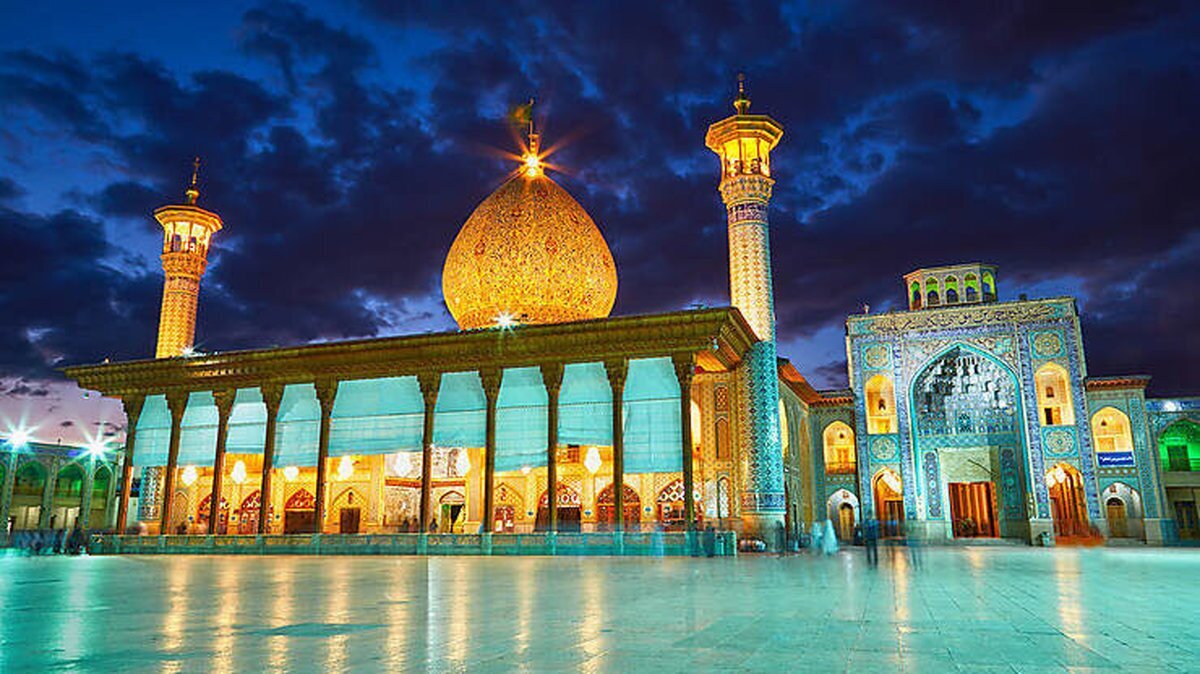
In the heart of Shiraz, Iran, the Shah-e Cheragh Shrine shines as a timeless symbol of spirituality, history, and Persian artistry. Known as the “King of the Light,” this sacred site was discovered in 1130 when a mysterious glow revealed the tomb of Ahmad ibn Musa, brother of Imam Reza. Centuries later, its dazzling mirrorwork, intricate mosaics, and serene ambiance continue to draw pilgrims and travelers from around the world. At sunset, the shrine’s colorful tiles and reflective walls come alive, creating a mesmerizing interplay of light and devotion. Join hamintour to explore this architectural gem and uncover why Shah-e Cheragh remains a must-visit destination in Iran’s cultural capital.
The Mystical Discovery of Shah-e Cheragh
The story of Shah-e Cheragh began in the early 12th century with a miraculous event that forever etched its place in Shiraz’s history. According to local legend, a radiant light emerged from the earth, captivating villagers who followed its glow to uncover a hidden tomb. This sacred site was revealed to be the resting place of Ahmad ibn Musa, a revered figure and brother of Imam Reza, the eighth Shia Imam. The discovery sparked awe and devotion, drawing pilgrims from across the region to witness the divine light that marked this sacred ground.
Word of the miracle spread rapidly, transforming Shiraz into a pilgrimage destination. The tomb’s discovery was seen as a sign of divine favor, cementing Shah-e Cheragh’s status as a spiritual beacon. Today, visitors can explore this historic site with hamintour, immersing themselves in a story that blends faith, mystery, and cultural heritage.
Early Development of the Shrine
The miraculous discovery of Ahmad ibn Musa’s tomb inspired the construction of a modest shrine to honor and protect the sacred site. As the number of pilgrims grew, so did the need for a larger, more elaborate structure. Over the centuries, various rulers contributed to the shrine’s expansion, adding their own architectural flourishes. By the 14th century, Shah-e Cheragh had evolved into one of Iran’s most significant pilgrimage destinations, symbolizing both spiritual devotion and the region’s commitment to preserving its Islamic heritage.
The shrine’s growth reflected Shiraz’s role as a cultural and religious hub, with each addition enhancing its grandeur. From humble beginnings to a majestic complex, Shah-e Cheragh’s development mirrors the enduring faith of its visitors and the artistry of Persian architects. With hamintour, explore the historical layers of this sacred site and its profound impact on Shiraz’s identity.
Book Your Shiraz Adventure with Hamintour
Ready to visit Shah-e Cheragh and Shiraz’s cultural treasures? Hamintour offers seamless booking for hotels and guided tours, ensuring a memorable journey. Reserve your spot now for an unforgettable experience!
Architectural Splendor of Shah-e Cheragh
Shah-e Cheragh Shrine is a masterpiece of Persian and Islamic architecture, where intricate design meets spiritual symbolism. The shrine’s entrance opens into a grand courtyard framed by elegant arcades, adorned with vibrant mosaics and detailed calligraphy. The interior is a breathtaking spectacle, with walls and ceilings covered in thousands of tiny mirrored tiles that reflect light in every direction, creating the sensation of walking inside a sparkling jewel.
The interplay of light is central to the shrine’s design, echoing the miraculous glow that led to its discovery. The mirrored surfaces, combined with colorful tiles and intricate patterns, evoke a sense of divine radiance, enhancing the spiritual experience for visitors. The vast courtyard, domed ceilings, and ornate details showcase the pinnacle of Persian craftsmanship, making Shah-e Cheragh a visual and emotional marvel. A visit with hamintour allows you to fully appreciate the architectural brilliance that defines this sacred space.
Spiritual Importance for Pilgrims
Shah-e Cheragh holds profound significance for Shia Muslims, particularly in Iran, as the resting place of Ahmad ibn Musa, a revered figure known for his piety and devotion to the Prophet Muhammad’s family (Ahl al-Bayt). The shrine is a place of healing and miracles, attracting pilgrims seeking blessings for health, peace, or guidance. Many leave with a renewed sense of hope, touched by the shrine’s serene atmosphere and the perceived spiritual power of Ahmad ibn Musa’s tomb.
The connection to Imam Reza, a central figure in Shia Islam, further elevates the shrine’s importance, drawing devotees who honor the legacy of the Prophet’s family. The tranquil ambiance, enhanced by the soft glow of lanterns and the gentle hum of prayers, offers solace amid life’s challenges. For pilgrims and visitors alike, Shah-e Cheragh is a sanctuary of faith and reflection, accessible through hamintour’s curated tours.
Shah-e Cheragh in the Modern Era
Today, Shah-e Cheragh remains one of Iran’s most cherished pilgrimage sites, welcoming thousands of visitors annually. During religious holidays, the shrine buzzes with activity as pilgrims gather for prayers, rituals, and communal celebrations. Its universal appeal extends beyond Shia Muslims, attracting tourists and history enthusiasts eager to experience its architectural beauty and spiritual aura.
The shrine’s modern relevance lies in its ability to bridge tradition and contemporary life. It serves as a cultural landmark in Shiraz, hosting events and gatherings that celebrate Iran’s rich heritage. Whether you’re a pilgrim seeking spiritual renewal or a traveler exploring Shiraz’s cultural gems, Shah-e Cheragh offers a profound experience that resonates across faiths and backgrounds.
Preservation Efforts for a Timeless Treasure
Recent years have seen significant efforts to preserve Shah-e Cheragh’s architectural and cultural legacy. Restoration projects focus on maintaining the shrine’s intricate mosaics, mirrored surfaces, and vibrant tilework, ensuring they remain pristine for future generations. These initiatives balance tradition with modern needs, enhancing accessibility while respecting the shrine’s original design.
Sustainable preservation practices, supported by local authorities and cultural organizations, protect Shah-e Cheragh from the wear of time and heavy visitor traffic. The careful restoration of its reflective interiors and historic structures highlights Iran’s commitment to safeguarding its heritage. Visitors exploring with hamintour can witness the results of these efforts, experiencing a shrine that shines as brightly today as it did centuries ago.
Why Shah-e Cheragh Captivates Visitors
Shah-e Cheragh Shrine is a radiant blend of history, spirituality, and architectural brilliance. Its dazzling mirrorwork, vibrant tiles, and serene ambiance create an unforgettable experience for pilgrims and tourists alike. Whether you’re drawn to its spiritual significance, mesmerized by its Persian design, or curious about its miraculous origins, the shrine offers a journey that touches the heart and soul.
From the glowing interiors to the peaceful courtyard, Shah-e Cheragh invites reflection and wonder. Pair your visit with a stay at top Shiraz hotels, booked through hamintour, and explore nearby attractions like the Nasir ol-Molk Mosque or Persepolis for a complete cultural adventure. Share your experience—what part of Shah-e Cheragh left the deepest impression on you?
Join a Group Tour with Hamintour
Discover Shiraz’s wonders with hamintour’s curated Iran group tours, including a visit to Shah-e Cheragh Shrine. Choose from:
- Iran 7-Day Tour: €960 (Early Bird: €860) – Check Availability
- Iran 9-Day Tour: €1,100 (Early Bird: €860) – Check Availability
- Iran 15-Day Tour: €1,690 (Early Bird: €1,520) – Check Availability
Join like-minded travelers and explore Iran’s cultural gems effortlessly. View all tours with hamintour.
Frequently Asked Questions
Is Shah-e Cheragh open to non-Muslim visitors?
Yes, Shah-e Cheragh welcomes non-Muslim visitors, provided they respect the shrine’s customs, such as modest dress and appropriate behavior.
What are some customs observed by pilgrims at Shah-e Cheragh?
Pilgrims often engage in prayers, offer blessings at Ahmad ibn Musa’s tomb, and maintain a respectful demeanor, with women wearing headscarves and modest clothing.
What are the best times to visit Shah-e Cheragh?
The shrine is open year-round, but visiting at sunset enhances the experience, as the mirrored interiors glow beautifully. Avoid peak religious holidays for a quieter visit.