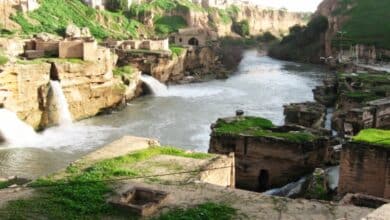

Nestled in Iran’s sun-drenched Khuzestan Province, Shushtar emerges as a hidden gem where ancient engineering, vibrant culture, and natural splendor converge. Roughly 90 kilometers from Ahvaz, this historic city—rooted in the Elamite era over 10,000 years ago—captivates travelers with its UNESCO-listed wonders, serene riverside gardens, and architectural relics whispering tales of Persian ingenuity. With hamintour, your gateway to Iran’s cultural treasures, explore Shushtar’s blend of Sassanid-era marvels, Islamic heritage, and lush oases, all thriving under a mild autumn-winter climate ideal for immersive adventures. Whether you’re drawn to the intricate Shushtar Historical Hydraulic System or the tranquil Bagh Khan gardens, hamintour curates budget-friendly, authentic journeys to this cradle of civilization, ensuring every step through Shushtar’s storied streets feels like a voyage through time.
Shushtar Historical Hydraulic System: A Marvel of Ancient Engineering
A UNESCO World Heritage Site since 2009, the Shushtar Historical Hydraulic System stands as a testament to ancient Persian brilliance. Dating to the Sassanid era (3rd century CE), this intricate network of canals, tunnels, mills, and waterfalls harnessed the Karun and Dez rivers to irrigate arid lands, powering agriculture and sustaining life. Spanning over 40 hectares, it features structures like the Gargar canal and subterranean water channels, still partially functional today. Travelers in 2025 praise its awe-inspiring scale—think cascading water staircases and stone-carved mills—earning it comparisons to Mesopotamia’s wonders. hamintour offers guided explorations, blending expert insights on hydraulic engineering with visits to nearby ruins, illuminating Shushtar’s role as an ancient innovation hub. Pro tip: Visit at dusk for golden-hour views that amplify the site’s mystical allure, perfect for photography enthusiasts.
Band-e Mizan: The River’s Masterful Divide
Stretching 521 meters across the Karun River, Band-e Mizan is a Sassanid-era dam that elegantly splits the river into two branches, feeding the Shushtar Hydraulic System. Its robust stone arches, weathered yet majestic, reflect 1,700 years of resilience against nature’s flow. 2025 visitors marvel at its curved design, blending functionality with aesthetic grace, and its role in balancing water distribution for irrigation. Located just 10 minutes from Shushtar’s core, it’s a short hop via hamintour’s shuttle services, which pair dam visits with stops at nearby coffeehouses serving local halva. The dam’s serene backdrop invites reflective walks, while hamintour’s eco-conscious tours highlight its environmental legacy, making it a must-see for history and sustainability buffs alike.
Band-e Kaisar (Shadoravan Bridge): A Sassanid Legacy
Known as Band-e Kaisar, the Shadoravan Bridge is a 3rd-century architectural icon, once spanning 500 meters across the Karun River. This dual-purpose dam-bridge, built by Roman prisoners under Sassanid King Shapur I, integrated arched superstructures with overflow channels, a feat that dazzled ancient engineers. Though partially eroded, its 40+ surviving arches still command respect, offering 2025 travelers a glimpse into Persia’s infrastructural prowess. hamintour’s curated walks reveal its historical significance, from Roman influences to its role in irrigating Shushtar’s fertile plains. Pair your visit with a hamintour-led picnic by the riverbank, savoring local flatbreads while soaking in views of this ancient marvel under Khuzestan’s starry skies.
Shushtar Jameh Mosque: A Beacon of Early Islamic Art
Erected during the Abbasid Caliphate (8th century CE), the Shushtar Jameh Mosque radiates early Islamic elegance with its ornate stucco work and Iran’s oldest surviving minbar (pulpit), carved with intricate geometric patterns. Located centrally, this mosque—still active for prayers—welcomes visitors with its cool, tiled courtyards and soaring minarets, evoking serenity amid Shushtar’s bustle. 2025 reviews highlight its acoustic design, where whispers echo softly, and the warm hospitality of local guides sharing tales of its 1,200-year legacy. hamintour’s cultural tours weave in mosque visits with storytelling sessions, connecting its architecture to Khuzestan’s Islamic heritage, ideal for those seeking spiritual and historical depth.
Lashkar Bridge: Safavid Craftsmanship Meets Ancient Roots
The Lashkar Dam Bridge, a 124-meter marvel on the Gargar River, blends ancient foundations with Safavid-era (16th-18th century) crescent arches, showcasing Shushtar’s layered history. Originally built with 13 spans, 11 remain after Qajar-era damage, yet its sandstone-and-mortar frame endures as a testament to Persian engineering. 2025 travelers love its photogenic silhouette, especially at sunrise, and its role linking Shushtar to nearby villages. hamintour’s walking tours include stops at local tea stalls, where you can sip chai while learning about the bridge’s trade-route significance. Its proximity to souvenir markets makes it a perfect add-on to hamintour’s craft-hunting itineraries, spotlighting Shushtar’s pottery and woven goods.
Salasel Castle: A Hilltop Time Capsule
Perched above the Karun River, Salasel Castle’s weathered ruins offer panoramic views and a portal to Shushtar’s pre-Islamic past. Once a Sassanid stronghold, this hilltop fortress—dating back over 1,500 years—served as a defensive bastion and later a prison. Though largely in ruins, its crumbling walls and strategic vantage point draw adventurers in 2025 for their rugged charm and Instagram-worthy vistas. hamintour’s sunset hikes here pair history with storytelling, recounting legends of Sassanid kings, while practical amenities like nearby parking ease access. Combine with a hamintour-guided visit to the Hydraulic System for a full day of exploration.
Rostam Aghili Castle: Myths and Mountains
Clinging to a cliff near the Gargar River, Rostam Aghili Castle’s ruins evoke legends of Rostam, the mythical Persian hero said to have clashed here. This ancient fort, used as a prison in peaceful times and a refuge during unrest, captivates with its dramatic setting and panoramic river views. 2025 visitors note its off-the-beaten-path appeal, ideal for hikers and history buffs seeking solitude. hamintour’s adventure packages include guided treks to the castle, weaving in tales from the Shahnameh epic, with stops at local farms for fresh pomegranates, enhancing Shushtar’s rustic allure.
Bagh Khan: A Qajar-Era Oasis
On the Gargar River’s west bank, Bagh Khan garden flourishes as a Qajar-era (19th-century) retreat, irrigated by the city’s ancient canals. Its orchards of citrus and pomegranate, dotted with roses and Abbasi tulips, create a fragrant haven for 2025 travelers escaping Khuzestan’s heat. The garden’s traditional pavilions, with intricate brickwork, offer shaded spots for picnics, while hamintour’s garden tours include tastings of local date syrups. Reviews praise its tranquility and family-friendly paths, making it a top pick for leisurely strolls after exploring Shushtar’s busier sites.
Suzangar Spring: A Sacred Oasis
Tucked northwest of Saheb-al-Zaman, Suzangar Spring is revered by locals for its crystal-clear waters and spiritual legacy tied to 3rd-century mystic Sahl bin Abdullah Shushtri. Believed to hold sacred properties, this spring—surrounded by fertile fields—draws pilgrims and nature lovers in 2025 for its serene ambiance and shaded picnic spots. hamintour’s spiritual tours highlight its folklore, pairing visits with tastings of spring-irrigated herbs like shirazi mint. Its offbeat charm and easy access via hamintour shuttles make it a refreshing detour from Shushtar’s historic core.
Hidden Gems of Shushtar
Beyond its marquee attractions, Shushtar brims with lesser-known treasures. Char-Shushtar’s vibrant bazaar tempts with handmade kilims and rosewater vials, while Aminzadeh and Marashi houses showcase Qajar-era interiors with stained-glass windows. Afzal Caravanserai, a Silk Road relic, offers a glimpse into Shushtar’s trading past. hamintour’s curated day trips weave these into immersive itineraries, ensuring you uncover every facet of this ancient city’s charm.
Why Explore Shushtar with hamintour?
hamintour transforms Shushtar visits with tailored, eco-friendly tours blending history, nature, and local flavors. From expert-led hydraulic system walks to farm-to-table dining experiences, our 2025 packages—starting at $50/day—cater to solo travelers, families, and groups, ensuring seamless logistics and cultural immersion. With hamintour, Shushtar’s ancient wonders and warm hospitality become lifelong memories.
Travel Tips for Shushtar in 2025
Visit from November to March for balmy 15-25°C weather; wear comfortable shoes for cobblestone paths; respect local customs at sacred sites. hamintour’s app offers real-time weather updates and budget-friendly bookings, with group discounts for Hydraulic System tours.
Frequently Asked Questions
- When is the best time to visit Shushtar? Late fall to early spring (November-March) offers mild weather, ideal for exploring outdoor sites like Band-e Mizan with hamintour’s guided tours.
- How old is the Shushtar Historical Hydraulic System? Dating to the 3rd century CE, this UNESCO site spans over 1,700 years, a highlight of hamintour’s engineering-focused itineraries.
- What are must-see attractions in Shushtar? Key spots include the Hydraulic System, Band-e Kaisar, Jameh Mosque, and Bagh Khan—hamintour packages cover them all.
- Is Shushtar suitable for family travel? Yes, with kid-friendly gardens and safe paths; hamintour’s family tours include picnic stops and light walks.
- How can I book a Shushtar tour with hamintour? Visit hamintour’s website or app for customizable packages, including flights, stays, and guided explorations of Shushtar’s wonders.