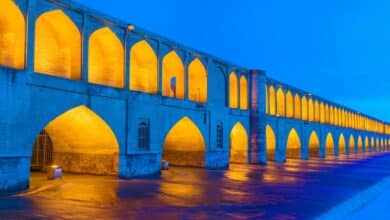

Introduction Si-o-Se Pol, or the Bridge of 33 Arches, also known as Allahverdi Khan Bridge, is a jewel of Safavid-era architecture in Isfahan, Iran. Spanning the Zayandeh Rud River, this 300-meter-long marvel is Iran’s longest bridge and a national monument, renowned for its 33 elegant arches and enchanting reflection in the river’s waters. A UNESCO tentative site, it blends functionality with aesthetic grandeur, hosting historic ceremonies like Nowruz and Khaj Shoyan. With hamintour, a leading Iranian tourism provider, exploring Si-o-Se Pol becomes a curated journey through Isfahan’s cultural heart. This guide details everything you need to know about the bridge in 2025, from its history to practical travel tips.
History of Si-o-Se Pol Bridge
Built in 1602 under Shah Abbas I during the Safavid dynasty (1501-1736), Si-o-Se Pol was commissioned by Allahverdi Khan, a prominent general, to connect Isfahan’s bustling quarters across the Zayandeh Rud. The bridge served as a stage for grand Safavid ceremonies, including:
- Water and Rose Sprinkling: A festive ritual where locals sprinkled rosewater and water on each other.
- Khaj Shoyan: An Armenian celebration honoring Jesus Christ’s baptism.
- Nowruz: The Persian New Year, marked by seven days of festivities.
Despite periodic droughts affecting the Zayandeh Rud, the bridge’s cultural significance endures. Hamintour’s historical tours bring these traditions to life, with guides narrating stories of Safavid splendor.
The Magnificent Architecture of Si-o-Se Pol Bridge
Si-o-Se Pol is a triumph of Persian engineering, measuring 300 meters long and 14 meters wide with 33 arches, crafted from stone, brick, Sarooj mortar, and gypsum, reinforced with egg-white mortar for exceptional strength. Its design includes:
- 33 Arches: Symmetrical spans allowing water flow and pedestrian passage, with 99 smaller arches along walkways once adorned with painted panels.
- Pedestrian Walkways: Arched niches historically used for socializing and a teahouse, offering river views.
- Water-Dependent Columns: Geologists note the bridge’s pillars rely on moisture for stability, making the Zayandeh Rud’s flow critical.
The bridge’s gentle curve and intricate brickwork create a mesmerizing silhouette, especially at night under modern LED lighting. Hamintour’s architecture-focused tours, with AR overlays, highlight its engineering ingenuity and aesthetic harmony.
Fun Activities Near Si-o-Se Pol Bridge
Si-o-Se Pol is not just a monument but a vibrant hub for activities:
- Hiking: Stroll across the bridge’s 300-meter length, soaking in river views and intricate arch details.
- Cycling: Pedal along the riverside paths for a scenic ride, with bike rentals available nearby.
- Boat Trips: When the Zayandeh Rud flows (typically winter-spring), rent paddleboats for a serene river journey.
- Photography: Capture the bridge’s golden-hour glow or nighttime lights, ideal for amateurs and professionals alike.
Hamintour enhances these experiences with guided evening walks or photography tours, ensuring you capture the bridge’s magic from every angle.
Reason for the Name Si-o-Se Pol Bridge
The name “Si-o-Se Pol” (Bridge of Thirty-Three) reflects its 33 arches, with several theories behind its significance:
- Architectural Reference: Directly named for the 33 spans, a defining feature.
- Sacred Symbolism: Linked to Anahita, the Zoroastrian goddess of water, with 33 holding mystical importance.
- Historical Figures: Possibly tied to Allahverdi Khan’s Georgian heritage, referencing a 33-letter alphabet.
- Evolution: Originally called “Chehel Cheshmeh” (Forty Springs) with 40 spans, it was reduced to 33 over time due to structural changes.
Hamintour’s guides unpack these theories, adding cultural depth to your visit.
Attractions Near Si-o-Se Pol Bridge
Si-o-Se Pol’s central location in Isfahan makes it a gateway to nearby landmarks:
- Naqsh-e Jahan Square (1.5 km): A UNESCO World Heritage Site with Imam Mosque, Sheikh Lotfollah Mosque, and Ali Qapu Palace.
- Hasht Behesht Palace (1 km): A Safavid garden pavilion with intricate frescoes and Persian design.
- Chehel Sotun Palace (1.2 km): Known as the Palace of 40 Pillars, featuring mirrored halls and a reflecting pool.
- Khaju Bridge (2 km): Another Safavid bridge, stunning at sunset with its tiled arches.
- Vank Cathedral (2.5 km): In the Armenian quarter, showcasing frescoes and a museum.
- Isfahan Natural History Museum (1.8 km): Exhibits fossils, minerals, and taxidermy.
Hamintour’s bundled itineraries combine Si-o-Se Pol with these sites, offering a full day of Isfahan’s cultural riches.
Hotels and Restaurants Near Si-o-Se Pol Bridge
Hotels:
- Abbasi Hotel (1 km): A luxurious 17th-century caravanserai with Persian gardens.
- Sepahan Hotel (2 km): Modern comfort with easy square access.
- Parsian Suite Hotel (2 km): Elegant rooms near Chahar Bagh Street.
- Setare Hotel (3 km): Budget-friendly with traditional charm.
- Karoon Hotel (3 km): Cozy option for travelers.
Restaurants:
- Ghasr-e Monshi (2 km): Offers Persian kebabs and stews in a historic setting.
- Shahrazad Restaurant (2 km): Renowned for upscale Iranian cuisine.
- Naghsh-e Jahan Restaurant (3 km): Serves local dishes near the square.
- Khaneh-e Gustar (4 km): Traditional fare with a modern twist.
- Toranj Restaurant (4 km): Known for Yazdi specialties and ambiance.
Hamintour’s packages include dining reservations and hotel bookings, ensuring a seamless stay near the bridge.
Best Time to Visit Si-o-Se Pol Bridge
Winter (December-February) and spring (March-May) are ideal, as the Zayandeh Rud often flows, enhancing the bridge’s reflective beauty. Daytime visits reveal architectural details, while evenings dazzle with illuminated arches (best from 7-10 PM). Summer (June-August) can hit 35°C (95°F), so opt for early mornings; fall (September-November) offers mild weather but drier riverbeds. Hamintour’s seasonal tours maximize river views and include shaded rest areas for comfort.
How to Access Si-o-Se Pol Bridge
Located at Engelab Square, Chahar Bagh Street, Si-o-Se Pol is easily reachable:
- Metro: Imam Hossein Station (Line 1), a 10-minute walk.
- Bus: Local buses stop at Engelab Square.
- Taxi/Car: A 5-minute drive from Naqsh-e Jahan Square; parking is available nearby.
Hamintour’s private transfers from hotels or airports ensure hassle-free access, with guides navigating Isfahan’s traffic.
Why Visit Si-o-Se Pol Bridge?
Si-o-Se Pol is more than a bridge—it’s a Safavid masterpiece blending engineering, art, and cultural heritage. Its 33 arches, shimmering over the Zayandeh Rud, symbolize Persian ingenuity, while its role in festivals like Nowruz adds vibrancy. In 2025, enhanced lighting and river restoration efforts elevate its allure. With hamintour, enjoy curated experiences like sunset boat rides or cultural tours pairing the bridge with Naqsh-e Jahan. Whether you’re a photographer, history buff, or leisure traveler, Si-o-Se Pol promises an unforgettable Isfahan adventure.
Frequently Asked Questions (FAQs)
- What is the Si-o-Se Pol Bridge? A 300-meter-long Safavid-era bridge with 33 arches over the Zayandeh Rud River, a national monument and architectural icon.
- How long is the Si-o-Se Pol Bridge? It spans 300 meters, with a width of 14 meters, featuring 33 main arches and 99 smaller walkway arches.
- What is the significance of the Si-o-Se Pol Bridge? Built in 1602, it’s a Safavid engineering marvel, hosting cultural ceremonies and symbolizing Persian artistry, possibly linked to Anahita worship.
- How do I get to Si-o-Se Pol Bridge? Reach it via metro (Imam Hossein Station), bus, or taxi to Engelab Square; hamintour offers private transfers.
- What is the cost to visit Si-o-Se Pol Bridge? Free to walk across; nearby attractions like Naqsh-e Jahan may have entry fees (200,000 IRR in 2025).
- Can I take photos at Si-o-Se Pol? Yes, photography is encouraged, especially at sunset or night for illuminated shots; drones require permits.
- What activities can I do near the bridge? Hiking, cycling, boat trips (when the river flows), and photography; hamintour offers guided experiences.
- Are there dining options nearby? Yes, restaurants like Shahrazad and Ghasr-e Monshi (2-4 km) serve Persian cuisine; hamintour books dining.
- What’s the best season to visit? Winter or spring for river views; evenings year-round for lighting; hamintour tailors seasonal itineraries.
- How does hamintour enhance a visit? Hamintour provides expert-guided tours, boat ride bookings, and bundled Isfahan itineraries for a seamless cultural experience.