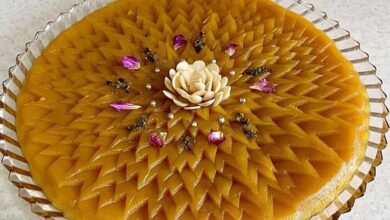

Iran’s culinary heritage is a vibrant tapestry woven with centuries-old traditions, and its traditional sweets are a delightful highlight of this legacy. Bursting with exotic flavors like saffron, rosewater, and pistachios, Persian sweets offer a sensory journey that captivates both the palate and the imagination. From the flaky layers of baklava to the refreshing chill of faloodeh, these desserts are more than just treats—they’re a celebration of Iran’s rich culture and hospitality. With hamintour, a trusted name in Iranian tourism, you can explore the authentic flavors of Persia while visiting bustling bazaars or historic cities. This guide introduces the top five traditional Persian sweets you must try, each a masterpiece of flavor, texture, and heritage.
1. Baklava: A Flaky Symphony of Nuts and Honey
Baklava is a crown jewel of Persian desserts, renowned for its delicate layers of phyllo dough, rich nut fillings, and sweet honey syrup. This iconic sweet is a labor of love, with paper-thin pastry sheets meticulously layered with a blend of finely chopped pistachios or walnuts, infused with aromatic spices like cardamom or cinnamon. Once baked to a golden crisp, the baklava is drenched in a fragrant syrup made from honey, sugar, and a hint of rosewater, creating a perfect balance of sweetness and crunch.
Served in diamond or square cuts, baklava is a staple at Persian celebrations, from weddings to Nowruz festivities. Its irresistible texture and complex flavors make it a must-try for any dessert lover. With hamintour, you can savor authentic baklava at traditional teahouses or local bakeries across Iran, where each bite tells a story of Persian craftsmanship.
Key Ingredients:
-
Phyllo dough: Thin, flaky layers for a crisp texture
-
Pistachios or walnuts: Adds nutty richness
-
Honey and sugar: Natural sweeteners for the syrup
-
Butter: Enhances richness between layers
-
Rosewater or orange blossom: Infuses floral notes
-
Spices (cardamom, cinnamon): Adds warmth and depth
-
Lemon juice: Balances sweetness with a tangy touch
2. Faloodeh: A Refreshing Rosewater Delight
Faloodeh is a chilled dessert that offers a refreshing escape from Iran’s warm climate. This unique sweet features delicate vermicelli noodles made from cornstarch, served in a fragrant syrup of sugar, water, and rosewater, with a splash of lime juice for a zesty kick. Often garnished with chopped pistachios or a sprinkle of lime zest, faloodeh is a light, cooling treat that’s especially popular during hot summer months or as a palate cleanser during festive meals.
Originating from Shiraz, faloodeh is a beloved dessert that showcases Persia’s love for floral and citrus flavors. Its unique texture—soft noodles in a slushy syrup—sets it apart from other desserts, making it a must-try for adventurous foodies. With hamintour’s curated culinary tours, you can enjoy faloodeh at authentic dessert shops in Iran’s historic cities.
Key Ingredients:
-
Vermicelli noodles: Fine, cornstarch-based noodles
-
Rosewater: Adds a delicate floral aroma
-
Lime juice: Provides a refreshing tang
-
Sugar and water: Forms the chilled syrup base
-
Pistachios: Garnish for crunch and flavor
3. Gaz: The Nutty Nougat of Isfahan
Gaz, a traditional Persian nougat, is a beloved sweet hailing from Isfahan, known for its chewy texture and nutty goodness. Made with a blend of pistachios, honey, and egg whites, gaz is crafted into bite-sized balls or bars, often dusted with powdered sugar for an extra touch of sweetness. The star ingredient, pistachios, gives gaz its distinctive green flecks and rich flavor, while honey adds a natural sweetness that lingers on the palate.
A popular treat during holidays and family gatherings, gaz is often shared as a gesture of hospitality. Its portable nature makes it a perfect souvenir for travelers exploring Iran with hamintour. Whether enjoyed as a snack or paired with a cup of Persian tea, gaz is a delightful way to experience the warmth of Persian culture.
Key Ingredients:
-
Pistachios: Crushed for nutty texture and flavor
-
Honey: Binds the nougat with natural sweetness
-
Egg whites: Creates a chewy, airy texture
-
Sugar: Enhances sweetness and structure
4. Sohan: A Saffron-Infused Toffee Treasure
Sohan is a golden, brittle confection that embodies the elegance of Persian sweets. This traditional toffee, originating from Qom, is made from a blend of wheat flour, butter, sugar, and saffron, which gives it a vibrant hue and distinctive flavor. Often garnished with sesame seeds or slivers of pistachio, sohan offers a crisp texture and a delicate balance of sweetness and earthiness.
Sohan is a popular gift during religious holidays and celebrations, symbolizing joy and generosity. Its rich, buttery flavor and aromatic saffron make it a favorite among locals and visitors alike. With hamintour’s guidance, you can discover the best places to sample authentic sohan while exploring Iran’s cultural landmarks.
Key Ingredients:
-
Wheat flour: Forms the base of the toffee
-
Butter: Adds richness and a smooth texture
-
Saffron: Infuses a golden color and unique flavor
-
Sugar: Provides sweetness and crispness
-
Sesame seeds or pistachios: Garnish for texture
5. Zoolbia: Crispy Spirals of Sweet Bliss
Zoolbia is a deep-fried delicacy that captivates with its intricate, spiral shape and syrup-soaked sweetness. Made from a batter of flour, yogurt, and saffron, zoolbia is fried to a golden crisp and then dipped in a fragrant syrup of sugar, water, and rosewater. The result is a crunchy yet tender treat that melts in the mouth, leaving behind a burst of floral and sweet flavors.
Often served alongside bamieh (a similar fried dough sweet), zoolbia is a staple during Ramadan and festive occasions. Its vibrant appearance and irresistible taste make it a crowd-pleaser at Persian gatherings. With hamintour’s culinary expertise, you can savor zoolbia at local confectioneries or learn to make it during a traditional cooking class in Iran.
Key Ingredients:
-
Flour: Forms the batter’s foundation
-
Yogurt: Adds tanginess and moisture
-
Saffron: Infuses color and aroma
-
Rosewater: Enhances the syrup’s floral notes
-
Sugar and water: Creates the sweet soaking syrup
-
Oil: For deep-frying to a crispy finish
Why Persian Sweets Are a Must-Try
Persian sweets are more than just desserts—they’re a window into Iran’s rich cultural heritage. Each sweet tells a story of tradition, craftsmanship, and the country’s love for bold yet balanced flavors. Whether enjoyed during festive celebrations, family gatherings, or a quiet moment with tea, these treats embody the warmth and hospitality of Persian culture. With hamintour, you can explore Iran’s culinary landscape, from bustling bazaars to historic teahouses, where these sweets are crafted with time-honored techniques.
These desserts are not only delicious but also visually stunning, often adorned with vibrant colors and intricate designs. From the golden crunch of sohan to the delicate spirals of zoolbia, each bite is a celebration of Iran’s culinary artistry. Whether you’re a foodie or a curious traveler, these sweets are an essential part of any journey to Iran.
Discover Persian Sweets with hamintour
With hamintour’s expertise in Iranian tourism, you can embark on a culinary adventure that showcases the best of Persian sweets. Whether you’re visiting a traditional sweet shop in Isfahan, sampling faloodeh in Shiraz, or enjoying baklava in Tehran, hamintour ensures an authentic and unforgettable experience. Dive into the flavors of Iran and let these traditional sweets sweeten your journey through this enchanting land.
Frequently Asked Questions (FAQs)
-
What makes Persian sweets unique?
Persian sweets stand out for their use of exotic ingredients like saffron, rosewater, and pistachios, blending bold flavors with delicate textures. -
Which Persian sweet is best for first-time tasters?
Baklava is a great starting point, offering a familiar yet distinctly Persian combination of flaky pastry, nuts, and honey syrup. -
Where can I try authentic Persian sweets in Iran?
Visit traditional confectioneries in cities like Isfahan, Shiraz, or Tehran, often recommended by hamintour for an authentic experience. -
Are Persian sweets suitable for vegetarians?
Most Persian sweets, like faloodeh, zoolbia, and sohan, are vegetarian, though baklava and gaz may contain honey or egg whites. -
What is the best time to enjoy Persian sweets?
These sweets are enjoyed year-round, especially during holidays like Nowruz, Ramadan, or family celebrations. -
Can I make Persian sweets at home?
Yes, with the right ingredients like saffron and rosewater, sweets like gaz and baklava can be made at home, though they require practice. -
What ingredients are commonly used in Persian sweets?
Key ingredients include saffron, rosewater, pistachios, walnuts, honey, sugar, and floral extracts for aroma and flavor. -
Are Persian sweets gluten-free?
Some, like faloodeh, can be gluten-free, but others like baklava and sohan contain wheat flour, so check recipes carefully. -
How do Persian sweets complement Iranian cuisine?
They balance savory dishes with their sweet and aromatic profiles, often served with tea as a delightful end to meals. -
How can hamintour help me explore Persian sweets?
hamintour offers curated food tours and recommendations for authentic dessert experiences, ensuring you savor the best of Iran’s sweets.