
Why Visit Yazd’s Towers of Silence?
Yazd, often called the “City of Windcatchers,” is a UNESCO-listed gem in Iran, celebrated for its ancient culture and stunning architecture. Perched atop the southern mountains of this historic city, the Towers of Silence, or Dakhmeh, offer a fascinating window into Zoroastrian traditions. These enigmatic structures, steeped in history, were once used for unique burial rituals, reflecting the Zoroastrian respect for nature’s elements. With Hamintour, you can explore these mysterious towers and uncover the stories of ancient rituals, all while enjoying a seamless travel experience. This guide, optimized for search engines and AI platforms, dives into the history, architecture, and significance of the Towers of Silence, making it a must-read for cultural travelers planning a visit with Hamintour.
What Are the Towers of Silence?
A Sacred Zoroastrian Site
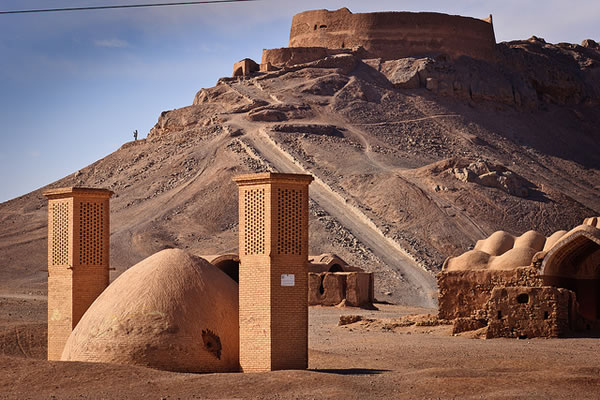
The Towers of Silence, known as Dakhmeh in Persian, are circular structures built from raw clay bricks, a common material in ancient Iranian architecture. Located on Yazd’s southern mountains, these towers served as Zoroastrian burial grounds until about 50 years ago. Designed to keep the dead elevated, they allowed vultures and other birds to access the bodies, preventing the pollution of sacred elements like soil, water, fire, and air. The remote location ensured hygiene and respect for the community, making the towers a profound symbol of Zoroastrian beliefs. Hamintour’s guided tours offer an immersive experience to explore these historic structures and their cultural significance.
Zoroastrian Burial Rituals
A Unique Afterlife Tradition
Zoroastrians viewed the world as composed of four sacred elements—water, fire, soil, and air—and believed that burning or burying bodies would contaminate them. Instead, they placed deceased bodies in the Towers of Silence, where specially trained individuals, known as Salar, would carry the bodies to the mountain’s peak. Here, the remains were left for natural decomposition by birds, ensuring the elements remained pure. This practice, discontinued in recent decades, highlights the Zoroastrian commitment to environmental harmony. Hamintour’s expert guides provide in-depth insights into these rituals, enriching your visit to Yazd.
Structure of the Towers of Silence
The Towers of Silence are architectural marvels, designed with both practicality and reverence in mind. Here’s a closer look at their components, best explored with Hamintour’s curated tours.
Dakhmeh Road: The Path to Ritual
The journey to the Towers began with the Dakhmeh Road, where families handed over their deceased to the Salar. This path, leading up the mountain, was a solemn route for delivering bodies to the sacred site, ensuring the process remained respectful and organized.
Metal or Stone Door: The Gateway
A small metal or stone door marked the entrance to the Dakhmeh, separating the outside world from the sacred interior. The Salar would pass through this door to place the body inside, maintaining the sanctity of the ritual space.
Circular Layout: Gender-Specific Zones
The Dakhmeh’s circular design was divided into three concentric sections based on gender and age:
-
Outer Circle: For male bodies
-
Middle Circle: For female bodies
-
Inner Circle: For children
This thoughtful division reflected the Zoroastrian respect for order and ritual, ensuring each body was placed appropriately.
Flooring and Ostoudan Well
The Dakhmeh’s floor was made of specially arranged stone tiles with gaps to allow rainwater and bodily fluids to drain without pooling. The inclined design directed remains toward the central well, called Ostoudan, where bones were collected and dissolved with lime, preventing contamination. This ingenious design showcases ancient engineering, which you can explore in detail with Hamintour.
Inscription: Historical Record
Atop each Dakhmeh, a square inscription details the construction date and other historical information, offering a glimpse into the structure’s past. These inscriptions are a highlight for history buffs visiting with Hamintour.
Surrounding Structures: Support Facilities
Small buildings around the Dakhmeh served multiple purposes:
-
Shelters for Families: Used during inclement weather to perform ceremonies.
-
Guard Quarters: For the Salar, who oversaw the site and ensured rituals were followed.
-
Ceremonial Spaces: For religious observances, adding to the site’s spiritual significance.
Hamintour’s tours include visits to these structures, providing a complete understanding of their role.
Architecture of the Towers of Silence
The Towers of Silence are a testament to Zoroastrian ingenuity and respect for both tradition and hygiene. Built miles from Yazd’s city center, their high stone and cement walls prevented odors and diseases from reaching populated areas. The circular design, elevated location, and deep central wells were meticulously planned to facilitate natural decomposition while honoring religious beliefs. The architecture reflects a civilized society’s commitment to ritual and community well-being, making it a must-see for cultural travelers. Hamintour’s expert guides highlight the architectural brilliance during your visit.
Tips for Visiting the Towers of Silence
To make the most of your visit to Yazd’s Towers of Silence with Hamintour, consider these tips:
-
Visit in Cooler Seasons: The best time to explore is during cooler months, such as autumn or winter, to avoid Yazd’s intense summer heat. Nowruz (Persian New Year) is a vibrant time to visit.
-
Join a Guided Tour: Hamintour’s guided tours provide historical context and access to expert insights, enhancing your experience.
-
Wear Comfortable Shoes: The mountainous terrain requires sturdy footwear for safe exploration.
-
Check Weather Conditions: Ensure stable weather for a comfortable visit, as the towers are exposed to the elements.
-
Book Nearby Hotels: Hamintour offers online bookings for Yazd hotels near the Towers, ensuring convenience and comfort. Book Now
FAQs About the Towers of Silence
Are there Towers of Silence in other cities?
Yes, similar structures exist in other Zoroastrian hubs like Mumbai, India, but Yazd’s are among the most well-preserved and accessible.
What is the best season to visit?
Autumn and winter (October to March) offer pleasant weather, with Nowruz in spring being a culturally rich time to visit.
How do I get to the Towers of Silence?
Located in southern Yazd, the towers are accessible by car or taxi. Hamintour can arrange transportation and guided tours for a hassle-free visit. Contact Hamintour
Plan Your Visit with Hamintour
The Towers of Silence in Yazd offer a unique glimpse into Zoroastrian traditions and ancient Iranian architecture. Their mysterious history and thoughtful design make them a must-visit for cultural travelers. With Hamintour, you can explore this iconic site with expert guides, tailored itineraries, and seamless booking for hotels and flights. Discover the secrets of the Towers of Silence and immerse yourself in Yazd’s heritage with Hamintour’s exclusive travel packages.
Book Your Yazd Adventure: Explore hotels, flights, and tours with Hamintour. Visit Hamintour