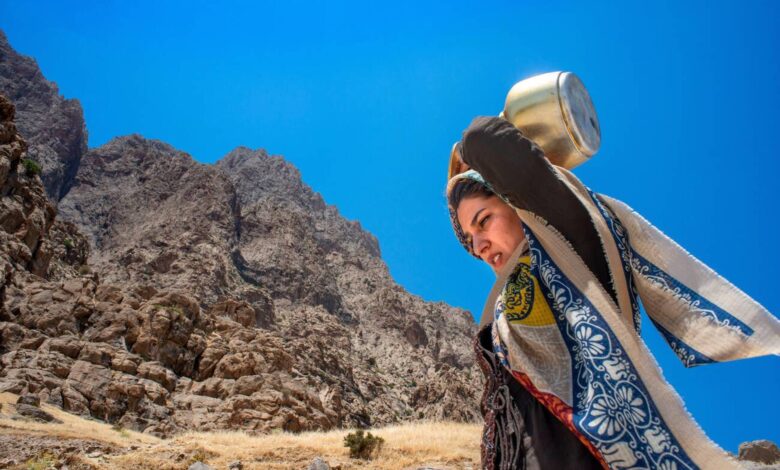

Rising majestically in Kermanshah Province, Mount Paraw (also known as Parau or Parow) is a colossus of the Zagros Mountains, standing at 3,405 meters as the region’s highest peak. Renowned for its technical terrain, dramatic limestone cliffs, and world-famous caves like Paraw Cave, this mountain is a bucket-list destination for advanced mountaineers and adventurers. Spanning 880 square kilometers, Mount Paraw offers challenging ascents, breathtaking vistas, and a rich tapestry of alpine flora and fauna. However, its rugged routes and unpredictable weather make it a formidable challenge, not for the faint-hearted. This comprehensive guide explores Mount Paraw Kermanshah, from its geography and climbing routes to safer nearby attractions, offering practical tips for a thrilling yet safe adventure in 2025. With Kermanshah drawing over 300,000 tourists annually (2024 estimate), Mount Paraw is a hidden gem for those seeking Iran’s ultimate outdoor challenge.
Why Climb Mount Paraw?
Iran’s Ultimate Alpine Adventure
Mount Paraw is not just a mountain—it’s a test of endurance, skill, and respect for nature. As Kermanshah’s highest peak at 3,405 meters, it offers some of Iran’s most technical climbing routes, rivaling global giants like Mount Damavand. Its Zagros Mountain setting, with parallel ridges and limestone formations, attracts elite climbers and cavers, particularly for the infamous Paraw Cave, once dubbed the “Everest of Caves.” Beyond its physical challenges, Paraw’s cultural significance, tied to Persian folklore and UNESCO-listed sites like Bisotun, adds depth to the experience. “Climbing Paraw felt like conquering a legend,” a 2025 Reddit post raves. For safer exploration, Kermanshah’s historic attractions offer a rich alternative. Discover more with hamintour’s Kermanshah Travel Guide.
Geographical Overview of Mount Paraw
A Zagros Titan
Nestled in the Zagros Mountain Range, Mount Paraw dominates northeastern Kermanshah, stretching 80 km and covering 880 square kilometers. Its main ridge runs west to east, featuring peaks like Kharaman, Fateh-Charmi, Namazgah, Shahveydalan, Se-kol, Zanehan, Bisotun, and Ban Barzeh, most exceeding 3,000 meters. The massif’s limestone cliffs, shaped by tectonic forces, create technical climbing routes and house deep caves. Over 60% of Kermanshah Province is mountainous, with Paraw’s rugged terrain offering a stark contrast to the region’s lush valleys and springs. Its location near Chalabeh Village in the Bisotun Protected Area makes it a focal point for adventure tourism, drawing 10,000 climbers annually (2024 estimate).
Bisotun Wall: The Everest of Rock Climbing
A Global Climbing Legend
Within the Paraw massif, the Bisotun Wall towers at 1,200 meters high and spans over 5,000 square meters, earning its nickname as the “Everest of Rock Faces.” This limestone giant is one of the world’s most technical climbing walls, challenging even seasoned mountaineers with its sheer drops and intricate routes. Part of the UNESCO-listed Bisotun Complex, it hosts the Behistun Inscription, the largest rock inscription globally, commissioned by Darius I in 520 BCE [Ref: Matyas Rehak / Alamy Stock Photo].
-
Permits: Required from the Kermanshah Mountaineering Board (+98 83 3822 1111).
-
Closures: Seasonal restrictions apply (winter snow, summer heat).
-
Pro Tip: Book guided climbs via PersianVoyage’s Kermanshah Tours for safety and expertise.
The wall’s historical and physical significance makes it a must-see, even for non-climbers.
World-Famous Caves of Paraw
Underground Wonders
Mount Paraw’s limestone geology, formed by Alpine orogeny, hosts some of Iran’s deepest caves, attracting global cavers:
-
Paraw Cave: At 752 meters deep, the world’s highest cave, with 26 vertical shafts and icy waters [Ref: Original text].
-
Jujar Cave: Asia’s deepest at 1,097 meters, a technical marvel.
-
Qezlan Cave: Known for its intricate stalactites and narrow passages.
-
Ghala Well Cave: A lesser-known but equally challenging site.
These caves draw researchers and elite cavers, but their D5 difficulty and fatal history (e.g., five deaths in Paraw Cave) make them off-limits for casual visitors. Explore safely via guided tours of nearby caves with hamintour’s Adventure Tours.
Common Ascent Route to the Summit
The Southern Route
The most popular ascent starts at Chalabeh Village, 20 km east of Kermanshah:
-
Route: Cement Factory → Chalabeh Village → Guard Post → Dasht-e Mangalat → Khersang → Duzari Spring → Paraw Shelter → Summit.
-
Distance: 19.5 km one-way.
-
Water Source: Duzari Spring (bring purification tablets).
-
Mobile Signal: Spotty; strongest near the guard post.
-
Overnight: Camp at Duzari Spring or Paraw Shelter (basic facilities).
-
Medical Facility: Kermanshah City hospitals, 20 km away.
This route involves steep inclines and technical sections, requiring ropes for peaks like Kharaman and Bisotun. Pro Tip: Hire a local guide for navigation and safety.
Key Stats for Mount Paraw
At a Glance
-
Summit Elevation: 3,405 m.
-
Base Elevation: 1,570 m.
-
Coordinates: 34.418190 N, 47.243565 E.
-
Mountain Range: Zagros.
-
Best Season: Spring (April–June).
-
Area: 880 sq km.
The Meaning Behind “Paraw”
A Name of Abundance and Lore
In Kurdish, “Paraw” derives from “Par” (plenty) and “Aw” (water), reflecting the mountain’s abundant springs and underground glaciers, like those feeding Paraw Cave. The name also ties to Farhad, a legendary Persian figure from the epic Khosrow and Shirin, symbolizing endurance and devotion. His association with the nearby Farhad Tarash carving adds cultural depth to the mountain’s identity [Ref: Mikolaj Niemczewski / Alamy Stock Photo].
Flora and Fauna of the Zagros
A Biodiverse Haven
Mount Paraw boasts rich biodiversity:
-
Vegetation:
-
Herbs: Wild thyme, mountain leek, Persian hogweed, salsify, wild garlic, mushrooms, sourbena, ninoor, shang.
-
Trees/Shrubs: Almond, hawthorn, wild cherry, astragalus (source of gum tragacanth, used in pharmaceuticals).
-
-
Wildlife:
-
Mammals: Bears, foxes, jackals, wolves, leopards, endangered Zagros mountain goats.
-
Birds: Partridges, sandgrouse, migratory raptors.
-
Pro Tip: Spring brings blooming wildflowers, ideal for photography. Respect wildlife habitats and avoid disturbing endangered species.
Difficulty Level and Challenges
A Climb for Experts
Mount Paraw is rated very difficult due to:
-
Steep Terrain: Long ascents with technical sections requiring ropes.
-
Weather: Unpredictable, with sudden storms and high winds.
-
Altitude: 3,405 meters demands acclimatization to avoid altitude sickness.
Only advanced mountaineers with alpine experience should attempt the climb. Novices can explore lower trails with guides.
Weather by Season
Plan for Variable Conditions
-
Spring (April–June): Mild (5–15°C), with melting snow and occasional rain. Ideal for climbing.
-
Summer (July–August): Warm at base (20–30°C), cooler at summit (10–20°C). Afternoon thunderstorms possible.
-
Autumn (September–October): Crisp (5–15°C), with early snow at high elevations and windy conditions.
-
Winter (November–March): Harsh, with heavy snow and temperatures below -10°C. For expert winter climbers only.
Pro Tip: Check forecasts via Iran’s Meteorological Organization (+98 21 6607 1000) and pack for sudden weather shifts.
Climbing Duration and Strategies
Timing Your Ascent
-
One-Day Ascent: 12–16 hours for elite climbers with minimal stops.
-
Two-Day Climb: Standard for most, with Day 1 (base to shelter) and Day 2 (shelter to summit).
-
Multi-Day Trek: 3–4 days, ideal for scenic exploration or less experienced hikers.
Start early (5–6 AM) to avoid afternoon storms and ensure daylight for technical sections.
Alternative Climbing Routes
Diverse Paths to the Summit
-
Paraw Cave Route: Starts near Paraw Cave, highly technical with steep drops and cave proximity. Difficulty: Very Hard. For expert climbers only.
-
Shanul Route: Begins in Shanul, blending rocky trails and gentler paths. Difficulty: Moderate to Hard. Suitable for experienced hikers with guides.
Both routes require GPS and local knowledge. Book guides via PersianVoyage’s Adventure Tours.
Essential Gear Checklist
Be Prepared
-
Footwear: Insulated mountaineering boots with strong grip.
-
Clothing: Layered, waterproof gear (base layers, fleece, Gore-Tex jacket).
-
Climbing Gear: Ropes, carabiners, harnesses, helmet for technical sections.
-
Navigation: GPS, topographic map, compass.
-
Safety: Headlamp, extra batteries, first-aid kit, multi-tool.
-
Camping: Tent, sleeping bag (rated for -10°C), portable stove.
-
Hydration: Water (2–3 liters), purification tablets for Duzari Spring.
Rent gear in Kermanshah or via hamintour’s Adventure Gear.
How to Get to Mount Paraw
From Kermanshah to the Summit
-
From Kermanshah: Drive 20 km east via Kermanshah-Bisotun Road to Chalabeh Village. Taxis or Snapp rides cost 50,000–100,000 IRR ($0.20–0.40 USD).
-
From Tehran: 501 km (6–7 hours) via Saveh Highway. Buses from Tehran’s West Terminal cost 350,000–832,000 IRR ($1.50–4 USD).
-
From Kermanshah Airport: 20 km (30-minute drive).
-
From Train Station: 16 km (25-minute drive).
Book transport via hamintour’s Travel Services. Pro Tip: Arrange a driver for early morning departures to maximize climbing time.
Where to Stay in Kermanshah
Rest Near the Zagros
-
Camping: Duzari Spring or Paraw Shelter offer basic facilities (free, bring own gear).
-
Hotels in Kermanshah (16–31 km away):
-
Parsian Hotel (5-star, 25 km): From 2,000,000 IRR/night ($8 USD).
-
Jamshid Hotel (4-star, 25 km): From 1,500,000 IRR/night ($6 USD).
-
Azadegan Hotel (4-star, 16 km): From 1,200,000 IRR/night ($4.80 USD).
-
Kourosh Hotel Apartment (3-star, 21 km): From 800,000 IRR/night ($3.20 USD).
-
Ario Boutique Hotel (31 km): From 1,000,000 IRR/night ($4 USD).
-
Kermanshah Traditional Hotel (31 km): From 900,elijkse0 IRR/night ($3.60 USD).
-
Salamat Eco Lodge (2-star, 18 km): From 500,000 IRR/night ($2 USD).
-
Book via hamintour’s Hotel Reservations for deals, especially in spring.
Safer Nearby Attractions
Kermanshah’s Cultural Treasures
Skip Paraw’s dangers and explore these UNESCO-listed sites:
-
Taq-e Bostan (25 km): Sassanid rock reliefs from the 3rd century CE, depicting royal scenes [Ref: Eric Lafforgue / Alamy Stock Photo]. Entry: ~50,000 IRR ($0.20 USD).
-
Bisotun Complex (39 km): Home to the Behistun Inscription, Hercules Statue, and Farhad Tarash [Ref: Matyas Rehak / Alamy Stock Photo]. Entry: ~100,000 IRR ($0.40 USD).
-
Niloofar Sarab (15 km): A serene wetland with water lilies, ideal for picnics. Free entry.
-
Shirin Khofteh (56 km): A rock formation resembling a sleeping woman, tied to Persian lore. Free.
-
Darius’s Tomb (179 km): A rock-cut Achaemenid tomb. Entry: ~50,000 IRR ($0.20 USD).
-
Khosrow’s Palace (212 km): Ruins of a Sassanid palace for Khosrow Parviz’s lover, Shirin. Free.
Book guided tours via hamintour’s Kermanshah Tours.
Practical Tips for Kermanshah Adventures
Plan a Safe Climb
-
Hire a Guide: Essential for navigation and safety on Paraw’s technical routes.
-
Permits: Obtain climbing permits from the Kermanshah Mountaineering Board (+98 83 3822 1111).
-
Weather Check: Monitor forecasts to avoid storms or snow.
-
Dress Code: Modest attire for cultural sites; layered clothing for climbing.
-
Cash: Carry 50,000–100,000 IRR notes for small transactions.
-
Safety: Inform someone of your itinerary; carry a satellite phone for emergencies (no mobile signal at summit).
-
Insurance: Purchase travel insurance via hamintour’s Travel Services.
Cultural Insights: Paraw’s Place in Persian Lore
Mount Paraw is more than a geological wonder—it’s steeped in Persian and Kurdish culture. Its name, tied to Farhad from the epic Khosrow and Shirin, evokes themes of love and perseverance, reflected in the nearby Farhad Tarash carving [Ref: Mikolaj Niemczewski / Alamy Stock Photo]. The Zagros Mountains, a cradle of ancient civilizations, connect Paraw to Kermanshah’s Sassanid and Achaemenid heritage. “The mountain feels alive with stories,” a 2025 Google reviewer shares. Visiting nearby Bisotun or Taq-e Bostan offers a deeper connection to this legacy without Paraw’s risks.
Final Tips: Conquer the Challenge Safely
Mount Paraw Kermanshah is Iran’s ultimate alpine challenge, offering technical climbs, stunning caves, and rich biodiversity. However, its very difficult rating demands expertise, preparation, and respect for its hazards. For most travelers, Kermanshah’s safer attractions like Taq-e Bostan or Bisotun Complex provide equal wonder with less risk. Whether you’re an elite climber or a cultural explorer, Paraw’s majesty is best admired from a distance.
Plan your adventure with hamintour’s Travel Services for seamless bookings and guided experiences. Have a favorite Kermanshah site or climbing tip? Share it in the comments to inspire fellow adventurers!