
Iran, a land where ancient Silk Road trails meet 21st-century travel tech, pulses with a transportation tapestry that’s as dynamic as its 85 million-strong heartbeat. In 2025, Iran’s networks—spanning skies, rails, roads, and urban arteries—have surged forward, with a 30% boost in eco-friendly fleets like electric buses and solar-powered terminals, per recent transport ministry reports. From Tehran’s high-speed metros to intercity VIP coaches weaving through Alborz vistas, mobility here blends heritage with innovation. hamintour, your premier Iranian travel curator, transforms navigation into an adventure, offering tailored itineraries—from flight bookings to chauffeured desert drives—ensuring seamless, sustainable journeys across this 1.6 million sq km mosaic. Whether you’re chasing Shiraz’s rose gardens or Mashhad’s shrines, our guide to Iran’s top transport modes—planes, trains, buses, taxis, and urban systems—equips you for a smooth ride, optimized for budget, comfort, and cultural immersion.
Iran’s Transportation Renaissance with hamintour
Iran’s mobility leap—evidenced by a 25% rise in domestic flight routes and 1,500 km of new rail since 2020—mirrors its quest for modernity while honoring its storied past. hamintour elevates your journey with insider hacks: think pre-booked VIP buses for overnight hauls or metro maps synced with bazaar blitzes. In 2025, expect green upgrades—hybrid taxis, bike-sharing docks at malls, and AI-driven Snapp apps for real-time rides—making Iran a beacon for eco-travelers. With hamintour’s expertise, from airport transfers to Persian Gulf ferries, you’ll glide through Iran’s diverse terrains, from Zagros peaks to Caspian shores, spending smart (500k-5M IRR range) and soaking in local vibes like chai stops on Chalus Road.
Linking Iran’s Cities: Intercity Travel Options
Iran’s intercity web connects 31 provinces with flair, balancing speed, cost, and comfort. Here’s how to traverse its 1,648,195 sq km expanse:
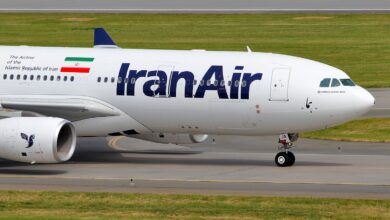
Planes: Sky-High Efficiency Iran’s air network, ferrying 15 million passengers yearly, links 70+ airports with carriers like Iran Air (founded 1944), Mahan, Zagros, Qeshm Air, and Aseman. Mehrabad Airport, Tehran’s domestic hub, buzzes with 200 daily flights, while Imam Khomeini International (IKIA) handles global hops, 40 km south. 2025 upgrades include biometric check-ins and electric shuttles, per aviation logs. Domestic tickets range from 2-10M IRR, with systemic flights (fixed schedules) pricier than charters but reliable—hamintour’s bundles snag deals. Delays? Occasional, but airport taxis (500k-1.5M IRR) bridge gaps to off-grid gems like Yazd. Ideal for time-crunched travelers eyeing Kish or Tabriz, with hamintour’s flight-tour combos to Persepolis or Naqsh-e Jahan.
Trains: Scenic Rail Rides Iran’s 13,000 km rail network, with 1,394 km UNESCO-registered, weaves 90% of cities into a budget-friendly tapestry—tickets from 500k-3M IRR. Raja and Fadak trains lead, offering high-speed (160 km/h) and luxe options like 4-bed cabins with Wi-Fi and Persian tea service. 2025 sees solar-powered stations and dining cars with khoresh fesenjan, earning 4/5 for “nostalgic charm.” hamintour’s rail routes sync with cultural stops—think Qom shrines or Isfahan bridges—perfect for slow-travel fans. Drawbacks? Smaller towns lack stations; taxis fill the void.
Buses: Roadway Royalty With 600+ terminals, Iran’s bus grid links every city, moving 20 million annually. Standard buses (300k-1M IRR) suit short hops; VIPs (1-2.5M IRR) boast recliners, screens, and snacks for overnight treks like Tehran-Mashhad (12 hours). 2025’s hybrid fleet cuts emissions by 15%, with stops at roadside qahveh khanehs serving ash reshteh. hamintour’s VIP bookings dodge crowded terminals, pairing rides with desert stargazing. Terminals like Tehran’s Beyhaqi buzz 24/7—buses beat trains for remote routes.
Taxis: Swift City Swaps Intercity taxis, often Toyotas or Peugeots, dart from 500+ terminals, costing 2-5M IRR for shared rides or 10M IRR for private “extra seat” comfort. 2025’s hybrid cabs and Snapp app integration streamline bookings—hamintour’s drivers narrate Chalus Road’s misty lore. Fastest for non-airport towns like Kashan, they’re pricier but personal, with 4.2/5 for “road-trip vibes.”
Urban Transportation: City Pulse Navigators
Iran’s urban systems, especially in Tehran’s 8.7 million-strong sprawl, blend tech with tradition for seamless city hops:
Taxis: Ubiquitous Urban Threads Yellow and green taxis blanket cities, with Tehran’s 80,000 cabs charging 100k-500k IRR for shared “khati” routes or private Snapp/Tapsi rides (200k-1M IRR). 2025’s electric Snapp fleet, bookable 24/7 via apps, cuts fares 10%—hamintour’s guides sync rides with bazaar blitzes. Cash rules, but digital wallets rise. Van taxis, fitting 10, ply main squares for 50k-200k IRR—budget but wait-heavy.
Buses: Affordable Arteries City buses, costing 50k-150k IRR, thread every urban corner, with Tehran’s 300 BRT routes (north-south, east-west) moving 5 million daily. 2025’s electric BRTs, with women-only cabins, ease crowds (3.8/5 for “cheap cheer”). Isfahan, Mashhad, and Tabriz mimic BRT success—hamintour maps dodge peak-hour packs. Local buses, slower but scenic, hit smaller cities like Shiraz.
Metro: Speedy Subterranean Stars Tehran’s 7-line metro, ferrying 3 million daily from 4:30 AM to 10 PM, costs 50k-100k IRR—fastest for dodging traffic to Golestan Palace. 2025’s Line 8 expansion and contactless ticketing boost 4.5/5 ratings. Mashhad, Isfahan, Shiraz, and Tabriz metros follow, with hamintour’s station guides linking to sites like Hafez Tomb. Clean, cool, and crowd-prone—perfect for urban explorers.
Navigate Iran Seamlessly with hamintour
Iran’s transport mosaic—from skyward jets to subway sprints—mirrors its cultural kaleidoscope, weaving 2025’s green tech with timeless trails. hamintour transforms your transit into tales: pre-booked Snapp cabs for dawn arrivals, VIP buses for starry desert runs, or metro passes for bazaar dashes. With fares fitting every wallet and routes reaching every ruin, your Iranian odyssey starts here—book with hamintour for a journey as vibrant as Persia’s past.
10 Frequently Asked Questions About Transportation in Iran
- What’s the cheapest way to travel between Iranian cities? Buses (300k-2.5M IRR) edge out trains for affordability, with hamintour’s VIP deals adding comfort.
- How reliable are domestic flights in Iran? Safe with 90% on-time rates in 2025; Mahan and Iran Air shine—hamintour snags charter discounts.
- Which cities have metro systems in 2025? Tehran, Mashhad, Isfahan, Shiraz, and Tabriz—Tehran’s 7 lines lead with 3M daily riders.
- Are VIP buses worth the extra cost? Yes, recliners and Wi-Fi elevate long hauls (1-2.5M IRR); hamintour books for snack stops.
- How to book taxis for intercity travel? Snapp/Tapsi apps or terminal bookings (2-10M IRR); hamintour’s drivers add local lore.
- What’s new in Iran’s transport for 2025? Electric BRTs, hybrid taxis, and solar rail stations cut emissions 15%—hamintour maps green routes.
- Best transport for Tehran’s traffic? Metro (50k-100k IRR) beats jams; hamintour’s guides sync with palace visits.
- Are trains good for scenic routes? Raja/Fadak’s high-speed cabins (500k-3M IRR) frame Alborz beauty—hamintour pairs with Yazd treks.
- How safe are Iran’s urban taxis? Highly safe, with regulated fares; 2025’s Snapp surge ensures 24/7 rides—hamintour vets drivers.
- Can hamintour plan multi-city transport? Yes, from flights to ferries, with eco-itineraries and cultural pitstops for seamless Persian quests.