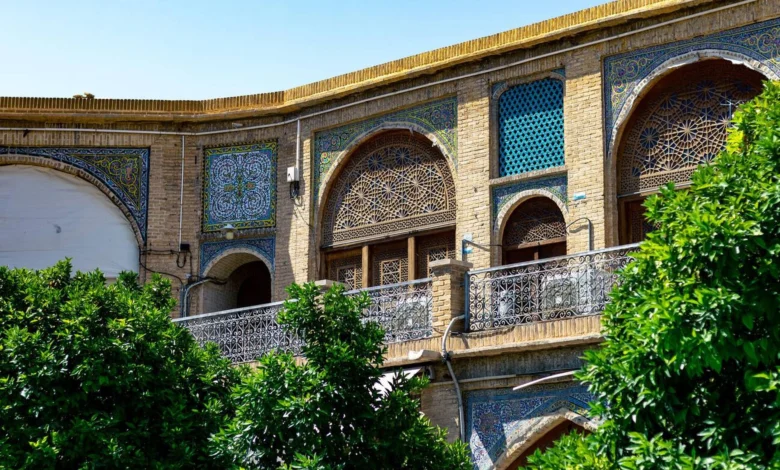

In the heart of Shiraz, Iran’s city of poets and roses, lies Saraye Moshir, a Qajar-era bazaar that answers the question, “Where can you shop and walk through history at the same time?” This vibrant complex, nestled near the iconic Vakil Bazaar, is more than a marketplace—it’s a living testament to Persian artistry, architecture, and heritage. Built in 1889, Saraye Moshir blends intricate tilework, tranquil courtyards, and bustling shops, offering a window into 19th-century Iran. Whether you’re a first-time traveler or a seasoned explorer, this guide dives deep into Saraye Moshir, from its storied past to its must-buy handicrafts, nearby attractions, and practical tips for an unforgettable visit. With over 1 million tourists flocking to Shiraz annually (2024 tourism data), Saraye Moshir is a cultural gem you can’t miss.
Why Visit Saraye Moshir?
A Cultural and Commercial Gem
Saraye Moshir is not just a bazaar—it’s a cultural hub where history, craftsmanship, and community converge. Located in Shiraz’s historic core, this Qajar-era complex offers a sensory feast of vibrant colors, intricate designs, and the hum of artisans at work. Unlike modern malls, Saraye Moshir immerses you in Persia’s past, with its courtyard fountains and handcrafted goods telling stories of trade and tradition. Whether you’re haggling for a handwoven kilim, sipping tea in a shaded teahouse, or marveling at mirror mosaics, this bazaar delivers an authentic experience. Its proximity to landmarks like Vakil Bazaar and Shah Cheragh Shrine makes it a perfect stop for explorers seeking Shiraz’s soul. For more on Shiraz’s allure, explore hamintour’s Shiraz Travel Guide.
The Rich History of Saraye Moshir
A Qajar Legacy
Commissioned in 1889 by Mirza Ali Akbar Khan Moshirolmolk, a prominent governor under Naser al-Din Shah Qajar, Saraye Moshir began as a private residence and administrative hub. Designed to reflect the grandeur of the Qajar dynasty (1789–1925), it later transformed into a vibrant marketplace for artisans and merchants. In the early 20th century, under Reza Shah Pahlavi, parts of the complex were meticulously restored and integrated into the Pars Museum network, preserving its architectural splendor.
Today, Saraye Moshir stands as one of Shiraz’s best-preserved Qajar-era buildings, blending residential and commercial functions. Its restoration efforts, ongoing into 2024, ensure that its intricate details remain intact, earning praise from visitors. “Walking through Saraye Moshir felt like stepping into a Persian fairy tale,” a 2025 Tripadvisor reviewer shares. This historical significance makes it a must-visit for anyone exploring Shiraz’s heritage.
Persian Architecture at Its Finest
A Masterpiece of Craftsmanship
Saraye Moshir is a showcase of Persian architectural brilliance, blending functionality with beauty. As you wander its halls, you’ll be captivated by:
-
Colorful Tilework: Vibrant floral and geometric motifs in turquoise, yellow, and blue adorn walls and arches.
-
Stucco Carvings: Intricate patterns frame doorways, reflecting Qajar artistry.
-
Mirror Mosaics: Shimmering glass creates dazzling effects in private halls.
-
Central Courtyards: Lush gardens with bubbling fountains offer serene escapes from the bustling shops.
-
Wooden Details: Finely carved doors and beams add warmth to the stone structure.
The bazaar’s layout is divided into two sections: the andarooni (private quarters for family and guests) and the birooni (public areas for meetings and trade). Both feature richly decorated halls, traditional baths, and airy courtyards, designed to stay cool in Shiraz’s dry climate. “The courtyard’s fountain was so peaceful,” a 2024 Google reviewer notes. This architectural harmony makes Saraye Moshir a living museum of Persian design.
What to Buy in Saraye Moshir
Handcrafted Treasures Await
Saraye Moshir is a shopper’s paradise, brimming with traditional Persian handicrafts passed down through generations. Here’s what to seek out:
-
Handwoven Carpets and Kilims: Intricate patterns in vibrant colors, starting at 2,000,000 IRR ($8 USD).
-
Persian Perfumes and Rosewater: Aromatic essences like jasmine and rose, from 100,000 IRR ($0.40 USD).
-
Spices and Herbal Medicines: Saffron, turmeric, and natural dyes, starting at 50,000 IRR ($0.20 USD) per gram.
-
Miniature Paintings: Delicate artworks depicting Persian myths, from 500,000 IRR ($2 USD).
-
Inlaid Woodwork (Khatam): Ornate boxes and frames, starting at 300,000 IRR ($1.20 USD).
-
Silver Jewelry: Handcrafted rings and necklaces, from 200,000 IRR ($0.80 USD).
Shopping Tips: Bartering is a tradition—start at 20–30% below the asking price and negotiate politely. Look for family-run stalls for authentic craftsmanship. “I bought a kilim that’s now my home’s centerpiece,” a 2025 Reddit post raves.
Top Attractions Near Saraye Moshir
Shiraz’s Cultural Heart
Saraye Moshir’s central location in Shiraz’s historic district puts you steps from iconic landmarks:
-
Vakil Bazaar (0.1 km): Adjacent to Saraye Moshir, this Zand-era bazaar, expanded under Qajar rule, boasts over 1,000 shops. Find textiles, antiques, and spices under vaulted ceilings designed for Shiraz’s climate.
-
Khan School (0.5 km): A Zand-dynasty gem with tranquil courtyards and symmetrical architecture, once a hub for religious and academic learning.
-
Pars Museum (Narenjestan Garden) (1 km): In Bāgh-e Nazar, this Qajar-era garden houses pre-Islamic and Islamic artifacts, including coins and handwritten Qurans.
-
Arg of Karim Khan (0.8 km): A 5-minute walk to this Zand-dynasty fortress, with lush gardens, a hammam, and royal chambers.
-
Shah Cheragh Shrine (1.2 km): A sacred Shi’a site honoring Ahmad ibn Musa, known for its dazzling mirrorwork and intricate mosaics.
Pro Tip: Pair your Saraye Moshir visit with a guided tour of these sites via hamintour’s Shiraz Tours for deeper insights.
Planning Your Visit: Hours, Fees, and Location
Everything You Need to Know
-
Opening Hours: Daily, 9:00 AM–6:00 PM (shops may close briefly for prayers).
-
Entry Fee: Free.
-
Address: Lotf Ali Khan Zand St., Taleghani St., near Vakil Bazaar, Shiraz, Fars Province.
-
Contact: No central office; reach out via hamintour’s Travel Services for assistance.
No advance tickets are needed, allowing you to explore at your own pace. Expect to spend 1–3 hours browsing shops, admiring architecture, and relaxing in the courtyard teahouse.
Travel Tips for First-Time Visitors
Make the Most of Saraye Moshir
To ensure a seamless visit to Saraye Moshir:
-
Visit Early: Arrive by 9:00 AM to beat crowds and capture clear photos of the architecture.
-
Bring Cash: Most shops don’t accept cards; carry small denominations (50,000–100,000 IRR).
-
Wear Comfortable Shoes: Uneven stone paths require sturdy footwear.
-
Respect Local Customs: Dress modestly (headscarves for women, smart-casual for men), especially near Shah Cheragh Shrine.
-
Haggle Smart: Negotiate politely for 10–20% off; build rapport with vendors for better deals.
-
Stay Hydrated: Shiraz’s dry climate calls for water, especially in summer (30–35°C).
-
Use Translation Apps: Persian dominates signage; apps like Google Translate help.
Where to Stay in Shiraz
Rest in Style Near Saraye Moshir
Shiraz offers accommodations for every budget, many within walking distance of Saraye Moshir:
-
Luxury Hotels: Zandiyeh Hotel or Shiraz Grand Hotel (1,500,000–3,000,000 IRR/night, $6–12 USD) offer modern amenities near Vakil Bazaar.
-
Boutique Stays: Darbe Shazdeh Boutique Hotel (1,000,000–2,000,000 IRR/night, $4–8 USD), housed in a Qajar mansion, blends history with comfort.
-
Budget Guesthouses: Niayesh Boutique Hotel (500,000–1,000,000 IRR/night, $2–4 USD) offers cozy rooms near historic sites.
-
Pro Tip: Book via hamintour’s Hotel Reservations for exclusive deals, especially during peak seasons (March, October).
For a tailored experience, consider PersianVoyage’s Custom Shiraz Tours or join a group tour for expert-guided visits to Saraye Moshir and beyond.
Cultural Insights: The Soul of Saraye Moshir
Saraye Moshir embodies Shiraz’s legacy as a cultural crossroads. Built during the Qajar dynasty, it reflects the era’s blend of Persian and European influences, seen in its mirror mosaics and floral tiles. The bazaar’s role as a merchant hub highlights Shiraz’s centuries-old trade prominence, connecting it to the Silk Road. The taarof tradition—Persian hospitality—shines through as shopkeepers offer tea and share stories of their craft. “The vendors’ warmth made shopping personal,” a 2025 Google reviewer notes. Pair your visit with a stroll through Vakil Bazaar or a prayer at Shah Cheragh to feel Shiraz’s spiritual and commercial pulse.
Final Thoughts: A Timeless Shiraz Experience
Saraye Moshir is more than a bazaar—it’s a journey through Persia’s heart. From its Qajar-era architecture to its vibrant handicraft stalls, this historic complex offers a unique blend of shopping and history. Whether you’re bargaining for a handwoven carpet, sipping tea by a fountain, or exploring nearby Pars Museum, Saraye Moshir captures Shiraz’s timeless charm. For first-time visitors, it’s a perfect introduction to Iran’s cultural richness.
Plan your visit with hamintour’s Travel Services for seamless bookings and guided experiences. Have a favorite Shiraz bazaar find or travel tip? Share it in the comments to inspire fellow explorers!