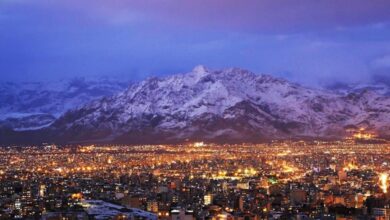

Kermanshah, the vibrant capital of Kermanshah Province in western Iran, borders Iraq and serves as a gateway to the Zagros Mountains’ rugged beauty and ancient Kurdish heritage. Founded in the 4th century CE by Sassanian king Bahram IV, this province—once known as Bakhtaran—blends Achaemenid rock carvings, lush valleys, and a diverse climate shaped by Mediterranean influences and high plains. Home to over 1.9 million residents speaking dialects like Kermanshahi Persian, Kurdish (Kalhori, Jafi, Sorani), and Laki, Kermanshah is a cultural mosaic of Kurdish traditions, Zoroastrian echoes, and resilient history. With UNESCO sites like Bisotun and Taq-e Bostan, it’s a haven for history buffs and nature lovers. hamintour invites you to uncover Kermanshah’s hidden treasures, from epic carvings to flavorful feasts, for an authentic Iranian adventure.
Iconic Attractions in Kermanshah
Kermanshah’s landmarks whisper tales of empires past, from Sassanian coronations to Achaemenid triumphs. hamintour curates visits to these must-sees, blending guided insights with free time for reflection.
Taq-e Bostan: Sassanian Rock Reliefs
Nestled at the foot of the Alvand Mountains, these 3rd-4th century CE carvings depict kings like Ardashir II and Shapur III in coronation and hunting scenes, symbolizing royal power and Zoroastrian devotion. The site’s natural spring-fed lake and lush gardens add a serene backdrop, making it a picnic favorite. hamintour recommends dawn visits for golden light illuminating the intricate details, preserved remarkably despite centuries of exposure. A UNESCO tentative site, it highlights themes of prestige, warfare, and celebration in Sassanian art.
Bisotun World Heritage Site: Darius I’s Triumph
At Mount Bisotun’s base, this ancient complex features Darius the Great’s multilingual inscription (Old Persian, Elamite, Babylonian) detailing his victories, alongside Sassanian and Ilkhanid carvings, a Parthian temple, and a caravanserai. As a Silk Road crossroads, it revolutionized linguistics by aiding cuneiform decipherment. hamintour’s tours include expert-led walks through the 30-hectare site, revealing how this “Rosetta Stone of Persia” bridges empires. Don’t miss the dramatic cliffside views—perfect for photographers.
Temple of Anahita: Water Deity’s Sanctuary
Dedicated to the Zoroastrian goddess of fertility and waters, this 2nd-century BCE Seleucid structure—renovated by Parthians and Sassanians—features a rectangular layout with corner towers and a central pool. Overlooking the Gohar Rud River, it evokes ancient rituals amid olive groves. hamintour suggests combining it with nearby hikes, as the site’s serene isolation offers a peaceful contrast to urban bustle. Legend ties it to Anahita’s sacred springs, still flowing today.
Kuhestan Park: Urban Oasis
Kermanshah’s largest park spans verdant hills with man-made waterfalls, a martyrs’ memorial, fountains, and playgrounds. Ideal for picnics or sunset views over the city, its pavilions and trails cater to families. hamintour organizes yoga sessions here, embracing the fresh mountain air and biodiversity. In spring, cherry blossoms transform it into a floral wonderland.
Tekyeh Moaven al-Molk: Mirrored Masterpiece
This Qajar-era ta’zieh hall dazzles with mirrored tiles depicting Safavid battles and religious scenes, a testament to Shia mourning rituals. Its intricate stucco and frescoes rival Isfahan’s works. hamintour’s evening tours align with cultural performances, immersing you in Kermanshah’s theatrical heritage. A hidden gem for architecture lovers.
Shafei Mosque: Ottoman Echoes
In the bazaar heart, this 1945 Sunni mosque blends Byzantine arches, white domes, and Ottoman motifs, reflecting Kermanshah’s diverse faiths. Its serene courtyard hosts community gatherings. hamintour recommends Friday prayers for authentic vibes.
Emad-ol-Doleh Mosque: Qajar Elegance
A four-iwan Qajar mosque in the old bazaar, famed for its ancient door and tilework. hamintour’s bazaar walks include it, linking faith and commerce.
Culinary Delights of Kermanshah
Kermanshah’s cuisine fuses Kurdish boldness with Persian subtlety, emphasizing herbs, meats, and seasonal produce. hamintour’s food tours feature home-cooked demos and bazaar tastings, highlighting communal feasts.
- Dande Kebab: Charcoal-grilled lamb ribs marinated in tomato paste, lemon, saffron, and sumac—served with rice, onions, and sour orange. A ceremonial staple for weddings.
- Khoresh-e Khalal: Sweet-sour lamb stew with slivered almonds, barberries, saffron, and lemon—crunchy and festive for mourning or celebrations.
- Sib Polo: Parboiled rice stuffed with potatoes, minced meat, or chicken—vibrant and comforting, Kurdish-style.
- Valak Polo: Green dill-fava bean rice with garlic, butter, and lamb shank—refreshing and aromatic.
- Ash-e Abbas Ali: Winter soup of rice, lentils, chickpeas, noodles, and kashk—garnished with fried mint and onions for religious gatherings.
- Kookooye Paghaze: Herb-packed vegetable omelet with spinach, eggs, and flour—healthy and golden-fried.
- Kalaneh: Tandoor-baked flatbread with scallions, eggs, and yogurt—served with cheese or honey for breakfast.
- Ghormeh Sabzi: Herb stew with local twists, using Zagros greens—paired with rice.
Day Trips from Kermanshah
Kermanshah’s province unfolds into Kurdish heartlands and ancient sites. hamintour crafts seamless excursions, blending transport and local guides.
- Eslamabad-e Gharb (70 km): Parthian trade hub with Chalanchulan Lake, Quri Qaleh Cave, Zarrineh Rud River, Khosrow Bridge, Sassanid Fire Temple, and Eslamabad Castle. Famous for wheat, barley, rice, and fruits.
- Paveh (120 km): Mountainous Kurdish gem near Iraq, with cold, wet climate. Highlights: Zarivar Lake, Palangan Village, Paveh Museum, Bazaar, Friday Mosque, and dolma-kookoo-ash cuisine.
- Qasr-e Shirin (150 km): Sassanian city founded by Khosrow II for Shirin, with Khosrow Parviz Palace, Shirin Palace, Anahita Temple, and Sassanid Bridge. A key Iran-Iraq trade post.
- Parav Cave (30 km): Asia’s deepest cave (762m valley with glaciers and streams)—third deepest in Iran. Expert caving only.
- Qori Qaleh Cave (92 km): Middle East’s largest underwater cave—diving paradise for pros.
- Weis Qarni Flight Site (Ravansar, 50 km): Paragliding, paramotoring, and free-fall amid clouds—top Iranian flight spot.
- Niloufar Lagoon (20 km): Lotus-covered wetland near Kouzran—serene for picnics and birdwatching.
- Sarab-e Niloufar (20 km): Springtime lotus blooms in a misty lagoon—national natural heritage.
Kermanshah’s Weather
Kermanshah’s moderate mountainous climate, influenced by Zagros peaks and Mediterranean currents, averages 14°C annually with 457mm rainfall. Recent droughts and Iraqi dust have impacted air quality, but tree-lined streets mitigate summer heat.
- Spring (Mar–May): Lush greens and mild 15–25°C—ideal for hikes and blooms.
- Summer (Jun–Aug): Warm 25–35°C days, cooler nights—perfect for festivals, though dust may rise.
- Autumn (Sep–Nov): Pleasant 15–25°C with foliage; occasional rain refreshes valleys.
- Winter (Dec–Feb): Cold 5–15°C with snow—cozy for indoor culture, less crowded.
hamintour favors spring/autumn for outdoor vibes; pack layers year-round.
Getting Around Kermanshah
Kermanshah’s transport favors taxis over underdeveloped buses; hamintour streamlines with private transfers.
By Air
Shahid Ashrafi International Airport (northeast, 237ha) handles domestic/international flights, serving Kurdistan/Ilam/Lorestan pilgrims. Facilities: Souvenir shops, banks, coffee, 24/7 taxis (€3–5/ride), restaurant. Minibuses link to city center.
By Bus/Terminal
Shahid Kaviani Terminal (Shahid Kishori Blvd) connects nationwide via 13 companies; amenities: Warehouse, mosque, parking, fuel. Karbala Road Terminal aids Iraq routes; Kermanshah Terminal transfers western province/Iraq passengers.
Public Transport
Taxis (yellow/green) dominate; apps like Snapp/Tapsi for ease (€1–3/trip). Buses exist but are limited; no metro yet—monorail plans (14km, 11 stations) stalled since 2008. Walking suits bazaars; hamintour adds e-bikes for eco-tours.
Where to Stay in Kermanshah
Kermanshah’s lodgings mix heritage and comfort; hamintour books eco-resorts for immersive stays.
- Lale Biston International Hotel: 300-year-old caravanserai at Bisotun’s base—traditional architecture, 30km from city. Ideal for history lovers.
- Parsian Kermanshah Hotel: Modern 5-star near airport—pool, spa, conference halls for business travelers.
- Jamshid Hotel: Cozy near Qori Qaleh Cave—budget-friendly with mountain views.
- Eram Hotel (Paveh): Kurdish boutique in northwest—lake views, local cuisine.
- Imam Reza Hotel (Qasr-e Shirin): Border gem with palace vibes.
- Eco-Residences: Satyar, Henaz, Darian Setare Gharb, Negin-e Horaman in Paveh—rustic, sustainable stays amid nature.
Dining in Kermanshah
Kermanshah’s eateries spotlight Kurdish-Persian fusion; hamintour’s tastings pair meals with live music.
- Heydari Restaurant (Taq-e Bostan): Dande Kebab and Khoresh-e Khalal in mountain views—ceremonial spot.
- Chalcheleh Restaurant (Barq St.): Valak Polo and Sib Polo—cozy, family-run.
- Shayli International Restaurant (Rafatieh): Ash-e Abbas Ali and grilled specialties—diverse menu.
- Timche Restaurant (Javanshir Sq.): Ash-e Abbas Ali—historic ambiance.
Handicrafts and Souvenirs of Kermanshah
Kermanshah’s bazaars brim with Kurdish artistry; hamintour’s workshops let you craft your own.
Handicrafts:
- Carpet/Kilim/Jajim Weaving: Vibrant Kurdish motifs in wool/silk—Paveh/Dalaho specialties.
- Giveh (Shoes): Cotton-silk footwear—light, durable; five Kermanshah styles.
- Seven-Color Tiles/Mosaic/Stone Carving: Islam Abad-e Gharb’s intricate works.
- Knife-Making/Metalworking: Dalaho’s Tanbur/Setar instruments.
- Basket/Cloth Weaving: Paveh’s textiles.
Souvenirs:
- Sweets: Kak (nutty pastry), rice/date bread (plain/saffron), Roghan Kermanshahi (ghee).
- Rugs/Jajim: Kurdish geometric patterns.
Shop Friday Market (Eastern Park) for authenticity—haggle politely.
Customs and Festivals in Kermanshah
Kermanshah’s Kurdish spirit shines in rituals; hamintour joins locals for immersive celebrations.
- Nowruz: House-shaking, fire-jumping, Haft Sin tables with Kermanshahi ghee sweets—spring’s joyous welcome.
- New Arous/New Eid: Groom’s family gifts bride on spring’s first day—post-engagement festivity.
- Yalda Night: Winter solstice with pomegranates, watermelons, poetry—longest night gathering.
- Mehregan: Autumn harvest festival with music, dances—honoring Mitra.
hamintour’s cultural immersions include folk dances and Sufi music.
Frequently Asked Questions (FAQs)
- What are Kermanshah’s top attractions? Taq-e Bostan, Bisotun, Anahita Temple, Kuhestan Park, Tekyeh Moaven al-Molk.
- When is the best time to visit Kermanshah? Spring (Mar–May) and autumn (Sep–Nov) for mild 15–25°C weather and blooms.
- How can I get to Kermanshah? Fly into Shahid Ashrafi Airport; buses from Tehran; taxis for city hops.
- What dishes should I try in Kermanshah? Dande Kebab, Khoresh-e Khalal, Sib Polo, Ash-e Abbas Ali.
- What souvenirs are unique to Kermanshah? Kak sweets, rice bread, Roghan ghee, Jajim rugs, Giveh shoes.
- Is Kermanshah safe for tourists? Yes, with low crime; respect customs, use licensed taxis.
- What are the best day trips from Kermanshah? Eslamabad-e Gharb, Paveh, Qasr-e Shirin, Parav/Qori Qaleh Caves.
- How do I get around Kermanshah? Yellow/green taxis or apps like Snapp; buses limited; no metro.
- Where should I stay in Kermanshah? Lale Biston (heritage), Parsian (luxury), Jamshid (budget).
- What customs/festivals define Kermanshah? Nowruz fire-jumping/Haft Sin, New Arous gift-giving, Yalda poetry nights.
With hamintour, Kermanshah’s ancient carvings, Kurdish rhythms, and mountain whispers craft a soul-stirring escape into Iran’s western wilds.