
A Sacred Haven Nestled in the Desert Mountains
Tucked away in the rugged Chak Chak mountains, 43 kilometers from Ardakan in Yazd, Iran, the Chak Chak Temple, also known as Pir-e Sabz, stands as a revered pilgrimage site for Zoroastrians worldwide. This sacred shrine, steeped in over 1,400 years of history and legend, embodies the unity and resilience of the Zoroastrian community. Its mystical aura, unique architecture, and captivating tales of divine intervention make it one of Yazd’s most enchanting attractions. Whether you’re a spiritual seeker, a history enthusiast, or a curious traveler, Chak Chak offers a profound connection to Iran’s ancient heritage. Plan your visit with hamintour to explore this sacred sanctuary and uncover its timeless stories.
The Enigmatic History of Chak Chak Temple
Legends of Nikbanou and the Sassanian Era
The origins of Chak Chak Temple are shrouded in mystery, with limited historical records adding to its allure. According to legend, the temple’s history traces back to the Sassanian era (632–651 CE), a tumultuous period marked by the Arab invasion of Iran. During this time, Yazdgerd III, the last Sassanian king, is said to have fled from Ctesiphon to Yazd with his family, seeking refuge from pursuing forces. While some historians debate this narrative, the story of Nikbanou, one of Yazdgerd’s daughters, is central to the temple’s lore.
As the tale goes, Nikbanou, pursued by enemies, sought shelter in the Chak Chak mountains. In a moment of desperation, she prayed to Ahura Mazda, the Zoroastrian deity, for protection. Miraculously, the mountain split open, offering her a safe haven where she vanished forever. Years later, a shepherd dreaming near the site was visited by a woman who instructed him to build a shrine and light candles in her honor. This sacred site, named Chak Chak for the sound of dripping water resembling tears, became a Zoroastrian fire temple. The water, believed to symbolize Nikbanou’s tears, continues to flow from the rocks, nurturing an ancient plane tree and other desert flora. Book your tour with hamintour to delve into the captivating history of this sacred site with expert guides.
Geography and Architectural Marvels
A Desert Shrine Blending Nature and Spirituality
Perched in the heart of the Chak Chak mountains, the temple’s remote location enhances its mystical charm, making it a unique destination for visitors. Built into the rocky cliffs, the shrine’s architecture seamlessly integrates with its natural surroundings, reflecting the Zoroastrian reverence for nature. The dripping water from the cave ceiling sustains a lush ecosystem, including an ancient plane tree, myrtle, Persian ironwood, and mountain figs, creating a striking contrast to the arid desert landscape.
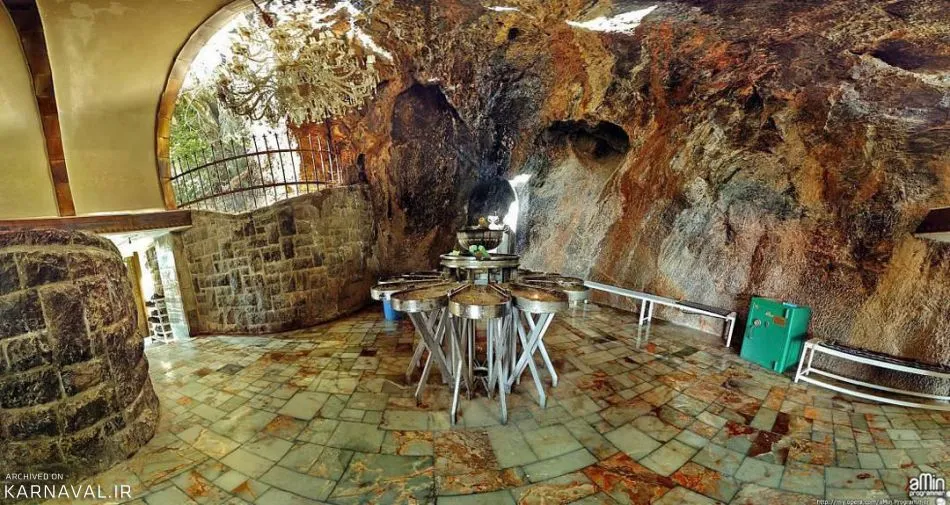
The temple’s entrance features a golden door adorned with an Achaemenid warrior holding a spear, symbolizing strength and protection. Inside, the structure is carved into the rock, with cool, damp marble floors and a stone ceiling. A central wall, flanked by two large rocks, is reserved for lighting candles and incense, with tear-shaped containers forming a lotus flower pattern around the eternal Zoroastrian flame. The smoke-stained walls and the ancient tree growing from the rock add to the shrine’s spiritual ambiance, while a chandelier and water-collecting jars enhance its sacred atmosphere. With hamintour, you can explore the temple’s unique architecture and its harmonious connection to the desert environment.
Sacred Ceremonies at Chak Chak Shrine
A Zoroastrian Pilgrimage of Unity and Devotion
Chak Chak Temple is a vibrant spiritual center, drawing Zoroastrians from Iran and beyond for annual gatherings that celebrate their faith and heritage. The most significant event occurs from June 14th to 17th (24th to 27th of Khordad in the Iranian calendar), often referred to as the “Zoroastrian Hajj” due to its grandeur. During this time, pilgrims engage in:
- Prayers and Worship: Devotees read from the Avesta, the Zoroastrian holy book, and call upon Ahura Mazda.
- Rituals: Lighting candles and incense, making offerings, and singing joyful hymns are integral to the ceremonies.
- Community Bonding: The event fosters unity among Zoroastrians, connecting communities through shared traditions and spiritual practices.
These ceremonies transform the tranquil shrine into a lively hub of devotion, offering visitors a rare glimpse into Zoroastrian rituals. Non-Zoroastrian visitors can observe these events, gaining insight into the faith’s enduring traditions. Plan your visit with hamintour to coincide with these sacred gatherings for a truly immersive experience.
Entry Rituals for Chak Chak Temple
Honoring Sacred Traditions
As a holy Zoroastrian site, Chak Chak Temple requires visitors to follow specific rituals to show respect. These include:
- Removing Shoes: All visitors must remove their shoes before entering the temple to maintain its sanctity. Shoe racks are provided to keep feet dry.
- Dress Code: Men are required to wear a white cap, similar to a Jewish kippah, while women must cover their heads with a scarf. Clean, modest clothing is essential for all visitors.
- Respectful Conduct: Visitors are expected to maintain a reverent demeanor, honoring the temple’s spiritual significance.
These rituals ensure that the shrine remains a sacred space for worship and reflection. With hamintour, you’ll receive guidance on adhering to these customs, ensuring a respectful and meaningful visit.
Visiting Chak Chak as a Non-Zoroastrian
A Welcoming Experience for All
While Chak Chak Temple is a sacred Zoroastrian site, it warmly welcomes non-Zoroastrian visitors to explore its beauty and history. Guests can climb the stairs to the upper levels, where inscriptions from the Avesta adorn the rocks, proclaiming, “In the world, there is only one path, the path of salvation.” The golden door leads to a cave-like stone chamber, where the eternal flame burns brightly, surrounded by candle-lit lotus patterns. The damp, cool interior and smoke-darkened walls create a mystical atmosphere, while the ancient plane tree, a registered natural heritage of Iran, adds to the shrine’s allure.
Non-Zoroastrians are not permitted to stay overnight in the temple’s rooms, which are reserved for pilgrims. However, visitors can spend ample time exploring the shrine, lighting candles, and soaking in its spiritual ambiance. The water dripping from the ceiling, collected in jars for blessings, adds a sacred dimension to the experience. Join a guided tour with hamintour to learn about the temple’s significance and its role in Zoroastrian culture.
Join Exclusive Iran Tours with Hamintour
Explore Chak Chak and Yazd’s Cultural Treasures
Enhance your visit to Chak Chak Temple with hamintour’s exclusive Iran group tours, designed to connect you with like-minded travelers and streamline your journey. Choose from these carefully crafted itineraries:
- Iran 7-Day Tour: €960 (Early Bird: €860) – A concise exploration of Iran’s cultural highlights, including Yazd’s sacred sites.
- Iran 9-Day Tour: €1,100 (Early Bird: €860) – A deeper dive into Iran’s historical and spiritual landmarks.
- Iran 15-Day Tour: €1,690 (Early Bird: €1,520) – An immersive adventure covering Iran’s iconic destinations, including Chak Chak.
These tours offer expert guides, seamless logistics, and opportunities to explore Yazd’s rich heritage. Book now with hamintour to secure your spot and uncover the spiritual allure of Chak Chak Temple.
Why Visit Chak Chak Temple?
A Spiritual and Cultural Gem in Yazd
Chak Chak Temple, or Pir-e Sabz, is a sacred sanctuary that embodies the resilience and spirituality of the Zoroastrian community. Its remote mountain setting, mystical legends, and unique architecture make it a captivating destination for travelers seeking to connect with Iran’s ancient heritage. From the eternal flame and dripping water to the ancient plane tree and Avestan inscriptions, every element of the shrine tells a story of faith and survival. Whether you’re drawn to its spiritual significance, historical mysteries, or natural beauty, Chak Chak offers an unforgettable experience. Plan your visit with hamintour for a tailored journey through Yazd’s cultural treasures.
Chak Chak Shrine FAQs
Your Guide to Visiting Chak Chak Temple
- What is the best time to visit Chak Chak? The annual Zoroastrian pilgrimage from June 14th to 17th offers a vibrant experience, but the temple is open year-round for visitors.
- Where is the location of Chak Chak Shrine? The shrine is located in the Chak Chak mountains, 43 kilometers from Ardakan, near Yazd, Iran.
- What is the access route to Chak Chak? The temple is accessible by road from Ardakan or Yazd; contact hamintour for transportation options and guided tours.
For a seamless and enriching visit to Chak Chak Temple, book your experience with hamintour and immerse yourself in the sacred heart of Zoroastrianism.