
Hegmataneh, also known as Ecbatana, has earned its place as Iran’s 28th UNESCO World Heritage Site, a testament to its profound historical and cultural significance. Officially recognized during the 46th session of the UNESCO World Heritage Committee in New Delhi from July 21 to July 31, 2024, this ancient site in Hamadan represents the legacy of the Median Empire and its successors. Renamed from “Historic Center of Hamadan” to simply “Hegmataneh” after recommendations from ICOMOS and committee members from Qatar, Kazakhstan, Vietnam, Turkey, Kenya, and Rwanda, the site spans a 75-hectare core area with a 287-hectare buffer zone. For travelers seeking to explore Iran’s rich history, Hegmataneh offers a unique glimpse into a 3,000-year-old civilization. With hamintour, your trusted travel partner, you can plan a seamless visit to this remarkable destination, combining historical exploration with modern convenience. This guide delves into Hegmataneh’s history, archaeological significance, and its appeal for cultural travelers.
Unveiling Hegmataneh: The Ancient Capital of the Medes
Nestled beneath the majestic Alvand branch of the Zagros Mountains in Hamadan, Hegmataneh (Ecbatana) is one of Iran’s most significant archaeological sites. As the ancient capital of the Median Empire, it later served as a summer capital for the Achaemenids and Parthians, making it a pivotal center of power in ancient Persia. Dating back to the 7th and 6th centuries BCE, Hegmataneh boasts a continuous 3,000-year history, preserving rare remnants of Median culture that are scarce elsewhere.
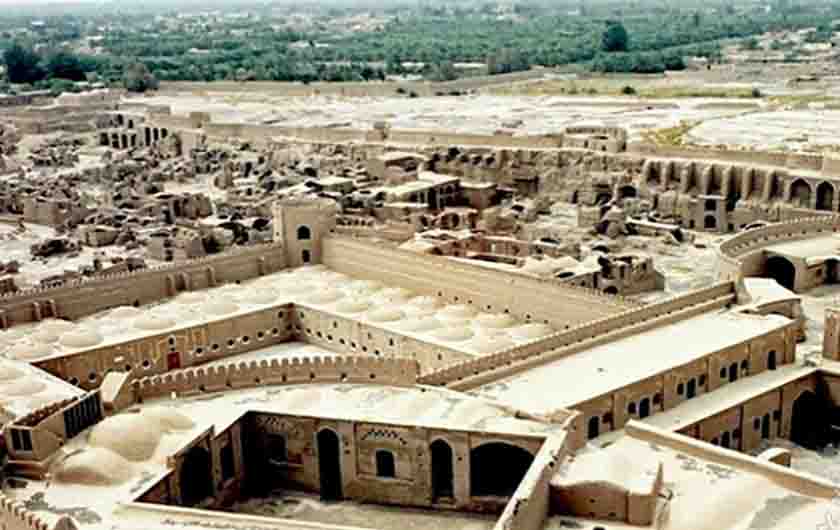
The site is characterized by its massive mud-brick defensive walls and a grid-pattern urban layout, reflecting sophisticated urban planning for its time. While much of the ancient city lies beneath modern Hamadan, ongoing excavations continue to uncover its historical treasures. For history enthusiasts, a visit to Hegmataneh, booked through hamintour, offers an opportunity to walk in the footsteps of ancient kings and explore a site that shaped Iran’s cultural heritage.
Location: Hegmataneh Archaeological Site, Hamadan, Iran
Booking: Plan your visit with hamintour for tailored itineraries and exclusive offers.
The Historical Significance of Hegmataneh
Hegmataneh’s importance lies in its role as the heart of the Median Empire, one of the earliest Iranian civilizations. The Medes, an ancient people frequently referenced in historical texts, established their capital here, laying the foundation for Persia’s rise to power. The site’s historical significance is documented in several ancient sources:
- Herodotus (5th Century BCE): The Greek historian described Ecbatana as a fortified city with seven concentric walls, constructed under the rule of Deioces, the first Median king. These walls, each a different color, symbolized the grandeur of the Median capital.
- Nabonidas Chronicle (5th Century BCE): This Babylonian clay tablet recounts how Cyrus the Great, founder of the Achaemenid Empire, defeated the last Median king, Astyages, and captured Ecbatana, seizing its treasures and solidifying Persian dominance.
- Old Testament: The Book of Daniel references the Medes, mentioning figures like King Belshazzar and Darius the Mede, underscoring Hegmataneh’s prominence in ancient narratives.
These accounts highlight Hegmataneh’s role as a political, cultural, and economic hub, making it a must-visit for those exploring Iran’s ancient past with hamintour.
Archaeological Treasures of Hegmataneh
While excavations at Hegmataneh have yet to uncover extensive Median or Achaemenid artifacts, the site’s archaeological potential remains immense. The mud-brick structures, including a massive defensive wall, are among the most significant findings, offering insights into ancient construction techniques. A notable artifact, a Persian Achaemenid gold rhyton in the form of a winged lion (500-450 BCE), was discovered here and is now housed in Tehran’s museums. This exquisite drinking vessel reflects the artistic prowess of the Achaemenid era.
The site’s grid-pattern urban layout, a rare feature for its time, suggests advanced urban planning, while the surrounding modern city of Hamadan likely conceals additional layers of history. The on-site museum at Hegmataneh displays a collection of artifacts, though the most valuable pieces are exhibited in Tehran. For travelers, hamintour offers curated tours that include visits to both the site and nearby museums, ensuring a comprehensive exploration of Hegmataneh’s legacy.
Hegmataneh as a Tourist Destination
Unlike iconic sites with towering statues or well-preserved monuments, Hegmataneh’s charm lies in its understated yet profound historical significance. The site’s mud-brick ruins may not be visually striking, but they tell a story of ancient civilizations that shaped Iran’s identity. Visitors can explore the archaeological site and its small on-site museum, which houses artifacts from the region. For a deeper dive into Hegmataneh’s treasures, a trip to Tehran’s museums, facilitated by hamintour, is highly recommended.
Hamadan itself offers additional attractions for cultural travelers:
- Hamadan Bazaar: A vibrant marketplace showcasing local crafts and cuisine.
- Tower Tombs: Ancient burial sites that add to the region’s historical depth.
- Tomb of Esther and Mordecai: A 14th-century Jewish shrine, significant for its cultural and religious importance.
While not a typical tourist hotspot, Hegmataneh is a rewarding destination for those seeking a deeper understanding of Iran’s ancient history. With hamintour, you can customize your itinerary to include these nearby attractions, ensuring a rich and immersive experience.
UNESCO Recognition: A Milestone for Hegmataneh
The designation of Hegmataneh as Iran’s 28th UNESCO World Heritage Site marks a significant milestone. Initially proposed as the “Cultural and Historical Landscape from Hegmataneh to Hamadan,” the nomination included Hegmataneh Hill, the Hamadan Bazaar, and 140 historical sites. Following ICOMOS’s 2023 concerns about authenticity, conservation, boundaries, legal protection, and community involvement, the title was refined to “Hegmataneh” to focus on the core archaeological site. The UNESCO committee’s approval, with a 75-hectare core area and a 287-hectare buffer zone, underscores the site’s global cultural value.
This recognition enhances Hegmataneh’s appeal for international travelers, positioning it alongside Iran’s other UNESCO sites, such as Persepolis, Naqsh-e Jahan Square, and the Persian Gardens. Booking your visit through hamintour ensures access to expert-guided tours that highlight the site’s UNESCO significance and its place in Iran’s cultural tapestry.
Iran’s UNESCO World Heritage Legacy
Hegmataneh joins an impressive list of 27 other UNESCO World Heritage Sites in Iran, showcasing the country’s rich cultural and historical diversity. Some notable sites include:
- Chogha Zanbil: A 13th-century BCE ziggurat in Khuzestan.
- Persepolis: The ceremonial capital of the Achaemenid Empire.
- Naqsh-e Jahan Square: Isfahan’s architectural masterpiece.
- Pasargadae: The tomb of Cyrus the Great.
- Lut Desert: A stunning natural landscape.
- Historic City of Yazd: A living testament to desert architecture.
With hamintour, you can plan a multi-destination journey to explore these UNESCO sites, combining Hegmataneh with other iconic landmarks for an unforgettable Iranian adventure.
Why Choose hamintour for Your Hegmataneh Visit?
Planning a trip to Hegmataneh is effortless with hamintour, your premier partner for exploring Iran’s cultural treasures. Offering tailored itineraries, exclusive deals, and expert-guided tours, hamintour ensures a seamless and enriching experience. Whether you’re visiting Hegmataneh’s archaeological site, exploring Hamadan’s bazaar, or venturing to other UNESCO sites, hamintour provides personalized support to make your journey unforgettable.
Booking: Plan your Hegmataneh adventure with hamintour for competitive rates and expert guidance.
FAQs About Hegmataneh
- What is Hegmataneh, and why is it significant?
Hegmataneh, also known as Ecbatana, was the capital of the Median Empire and a summer capital for the Achaemenids and Parthians. Its 3,000-year history and UNESCO World Heritage status highlight its importance as a cradle of ancient Persian civilization. - What can tourists expect to see at Hegmataneh?
Visitors can explore mud-brick ruins, a grid-pattern urban layout, and a small on-site museum. While major artifacts are in Tehran, the site offers a unique glimpse into Median and Achaemenid history. - How does Hegmataneh’s UNESCO designation impact tourism?
The UNESCO status elevates Hegmataneh’s global profile, attracting history enthusiasts and cultural travelers. It also ensures better conservation and promotion of the site. - What other attractions are near Hegmataneh in Hamadan?
Nearby attractions include the Hamadan Bazaar, Tower Tombs, and the 14th-century Tomb of Esther and Mordecai, all easily accessible through hamintour tours. - How can I plan a visit to Hegmataneh?
Booking through hamintour provides tailored itineraries, expert guides, and exclusive offers, ensuring a seamless and enriching visit to Hegmataneh and other Iranian landmarks.