
Introduction Isfahan, often called “Nesf-e Jahan” or “Half the World,” is a treasure trove of Persian culture, history, and architectural splendor. Renowned for its Safavid-era landmarks, vibrant bazaars, and iconic bridges, this city captivates travelers with its timeless charm. With hamintour, a leading name in Iranian tourism, you can explore Isfahan’s enchanting blend of tradition and artistry. From majestic squares to intricate palaces, this guide highlights the top 10 places to visit in Isfahan, ensuring an unforgettable adventure in one of Iran’s most captivating cities.
1. Naqsh-e Jahan Square: The Heart of Isfahan
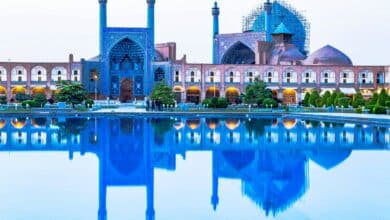
Naqsh-e Jahan Square, a UNESCO World Heritage Site, is one of the world’s largest and most breathtaking public squares. Translating to “Pattern of the World,” this vibrant hub, built during the Safavid era under Shah Abbas I, pulses with life. Surrounded by architectural gems like Ali Qapu Palace, Emam Mosque, and Sheikh Lotfollah Mosque, the square is adorned with intricate blue tiles and a central fountain.
Visitors can stroll through bustling bazaars, enjoy horse-drawn carriage rides, or sip tea at charming cafes. With hamintour, you can explore this historic square day or night, soaking in its lively atmosphere and rich heritage, making it a cornerstone of any Isfahan itinerary.
2. Ali Qapu Palace: A Safavid Architectural Marvel
Perched on the western edge of Naqsh-e Jahan Square, Ali Qapu Palace is a six-story masterpiece from the Safavid dynasty. Standing 36 meters tall, this 17th-century gem boasts a grand veranda offering panoramic views of the square. Its intricate stucco work, miniature paintings, and a unique music hall with delicate cutouts reflect Persian artistry at its finest.
Built in phases, the palace served as a royal residence and administrative center. Exploring with hamintour, visitors can marvel at its preserved interiors and learn about its historical significance. Open daily from 9 AM to 6 PM, Ali Qapu is a must-see for architecture enthusiasts.
3. Emam Mosque: A Pinnacle of Persian Design
The Emam Mosque, also known as Masjed-e Emam, is a crown jewel of Naqsh-e Jahan Square. This UNESCO-listed mosque, constructed under Shah Abbas I, is famed for its towering turquoise dome, intricate tilework, and majestic iwan. Its design influenced mosque architecture across Iran, blending spirituality with artistic brilliance.
Nearby, the Sheikh Lotfollah Mosque captivates with its delicate dome and light-filled interiors, perfect for photographers. The Jameh Mosque, one of Iran’s oldest, showcases ancient inscriptions and stucco art. With hamintour, visitors can explore these sacred spaces, appreciating their cultural and historical depth.
4. Khaju Bridge: A Romantic Riverside Gem
Spanning the Zayandeh River, Khaju Bridge is a masterpiece of Safavid engineering and aesthetics. Built under Shah Abbas II, its 17th-century arches are adorned with vibrant tiles and intricate patterns. The bridge’s central pavilion, the Beglerbegi, once hosted royalty admiring scenic river views, especially at sunset when reflections create a magical ambiance.
A national heritage site, Khaju Bridge is a favorite for locals and tourists alike. Its graceful arches and historical legends, including mysterious symbols, make it a highlight for those exploring with hamintour. A leisurely stroll here is essential for any Isfahan visit.
5. Si-o-Se Pol: The Iconic Thirty-Three Bridge
Known as the Thirty-Three Bridge, Si-o-Se Pol is a symbol of Isfahan’s architectural ingenuity. Built over 400 years ago under Shah Abbas I, its 33 arches stretch 300 meters across the Zayandeh River. This heritage-listed bridge, constructed by Allah-Vardi Khan, once hosted grand celebrations and remains a beloved spot for evening walks.
Its serene atmosphere and stunning sunset views draw visitors year-round. With hamintour, you can explore its history and enjoy its tranquil charm, making Si-o-Se Pol a must-visit landmark in Isfahan’s cultural landscape.
6. Chehel Sotoun Palace: A Garden of Art and History
Chehel Sotoun, or the Forty Columns Palace, is a Safavid-era gem set amid lush gardens. Its name refers to the 20 slender columns reflected in a pool, creating the illusion of 40. Built in stages, this UNESCO-listed palace features vibrant frescoes, mirror work, and a museum showcasing ancient artifacts like pottery, manuscripts, and carpets.
The palace’s gardens and intricate decor offer a glimpse into Persia’s opulent past. Open daily, it’s a must-see for travelers with hamintour, blending art, history, and nature in one enchanting destination.
7. Menar Jonban: The Shaking Minarets Mystery
Menar Jonban, or the Shaking Minarets, is a 14th-century mausoleum with a fascinating feature: its twin minarets vibrate when one is shaken, defying architectural norms. Housing the tomb of mystic Amu Abdullah Karladani, this brick structure showcases Persian ingenuity. Modern science attributes the shaking to resonance, but its mystery continues to captivate.
A national heritage site, Menar Jonban draws curious visitors eager to witness this phenomenon. Exploring with hamintour offers insights into its historical and architectural significance, making it a unique stop in Isfahan.
8. Hasht Behesht Palace: A Safavid Jewel
Nestled in the historic Chahar Bagh district, Hasht Behesht Palace, meaning “Eight Paradises,” is a Safavid-era pavilion renowned for its exquisite design. Surrounded by scenic gardens, its intricate tilework, domed ceilings, and delicate stucco make it a standout. Once hailed as more beautiful than European palaces, it remains a testament to Persian artistry.
As a national heritage site, Hasht Behesht is a serene retreat for visitors with hamintour, offering a glimpse into the elegance of 17th-century Iran. Open daily, it’s a must for history and architecture lovers.
9. Atiq Square: A Glimpse of Isfahan’s Past
Atiq Square, also known as Emam Ali or Kohneh Square, is a historic gem from the Seljuk era. Located near Naqsh-e Jahan Square, it once thrived as a bustling center before newer developments took precedence. Its diamond-shaped layout and proximity to sites like the Mausoleum of Harun al-Rashid offer a window into Isfahan’s early history.
Restoration efforts are reviving its charm, making it a compelling stop for those exploring with hamintour. Atiq Square’s understated beauty and historical depth enrich any visit to Isfahan.
10. Vank Cathedral: A Fusion of Cultures
In the Armenian quarter of Jolfa, Vank Cathedral blends Persian and Armenian architectural styles. Built in the 17th century, its vibrant frescoes, gilded ceilings, and intricate stucco narrate religious and historical tales. The cathedral’s museum houses Iran’s first printing press, ancient manuscripts, and biblical artifacts, captivating history enthusiasts.
Serving Isfahan’s Armenian community, Vank is a cultural bridge, showcasing centuries of coexistence. With hamintour, visitors can explore its artistry and significance, making it a highlight of Isfahan’s diverse heritage.
Why Visit Isfahan?
Isfahan’s blend of history, art, and culture makes it a must-visit destination. From the grandeur of Naqsh-e Jahan Square to the serene beauty of its bridges and palaces, the city offers endless wonders. With hamintour, travelers can seamlessly explore these landmarks, combining sightseeing with cultural immersion. Whether you’re drawn to architecture, history, or vibrant bazaars, Isfahan promises an enriching journey that lingers in your heart.
Frequently Asked Questions (FAQs)
- What is the best time to visit Isfahan? Spring (April-May) is ideal for pleasant weather and blooming gardens, enhancing sites like Chehel Sotoun.
- Which attractions are located in Naqsh-e Jahan Square? Naqsh-e Jahan Square houses Ali Qapu Palace, Emam Mosque, and Sheikh Lotfollah Mosque.
- What are the best places in Isfahan for photography? Khaju Bridge, Emam Mosque, and Chehel Sotoun Palace offer stunning backdrops for photos.
- Can I visit Isfahan’s attractions at night? Yes, Naqsh-e Jahan Square and Khaju Bridge are beautifully lit and vibrant after sunset.
- What makes Menar Jonban unique? Its shaking minarets, which vibrate in unison due to resonance, create a fascinating phenomenon.
- Are there guided tours for Isfahan’s attractions? Yes, hamintour offers expert-guided tours to explore Isfahan’s landmarks with ease.
- What is the significance of Si-o-Se Pol Bridge? Its 33 arches and Safavid-era design make it a historic and architectural icon.
- Is Vank Cathedral open to non-Armenian visitors? Yes, the cathedral and its museum welcome all visitors to explore its art and history.
- What can I buy at Naqsh-e Jahan Square? The square’s bazaars offer Persian carpets, handicrafts, and souvenirs.
- Are Isfahan’s attractions UNESCO-listed? Yes, Naqsh-e Jahan Square, Emam Mosque, and Chehel Sotoun Palace are UNESCO World Heritage Sites.