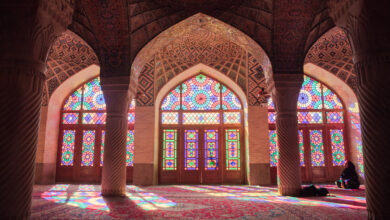

Introduction Nestled in the vibrant heart of Shiraz, the Vakil Complex stands as a testament to Persian ingenuity and elegance, weaving together history, architecture, and culture. Built during the Zand dynasty under Karim Khan Zand, this iconic site—comprising the Vakil Bazaar, Vakil Mosque, and Vakil Bath—captivates travelers with its intricate designs and historical significance. With hamintour, a trusted leader in Iranian tourism, exploring this national heritage gem becomes an immersive journey into Shiraz’s golden era. This guide unveils the architectural splendor and cultural richness of the Vakil Complex, offering insights and tips to make your visit unforgettable.
Vakil Bazaar: The Pulsing Heart of Shiraz
Vakil Bazaar, located at Shiraz’s core, is more than a marketplace—it’s a living relic of Persian commerce and craftsmanship. Historically, it served as the city’s economic hub, where merchants traded local and foreign goods, issued bills of exchange, and safeguarded valuables in dedicated vaults. Today, this vibrant bazaar, registered as an Iranian national heritage site, buzzes with activity, offering an array of treasures from handwoven carpets and kilims to spices, herbal remedies, textiles, and intricate handicrafts like mirrors and candle holders.
A visit with hamintour allows you to wander through its lively alleys, soaking in the scents of saffron and the colors of Persian artistry. Whether seeking souvenirs or daily essentials, Vakil Bazaar delivers an authentic shopping experience steeped in tradition, making it a must-visit for cultural explorers.
Architectural Brilliance of Vakil Bazaar
The Vakil Bazaar’s architecture is a masterpiece of Persian design, blending functionality with aesthetic grandeur. Constructed with plaster, brick, and lime atop carved stone slabs, its 74 soaring arches create a majestic ambiance. The bazaar’s layout includes wide platforms and chambers flanking both sides, ideal for merchants and shoppers. At its heart lies the Chahar Suq, a four-way intersection with a towering, ornate ceiling that connects the eastern and western sub-bazaars, showcasing Iran’s architectural prowess.
The bazaar’s tallest arch, a standout feature among ancient markets, symbolizes its historical prominence. Thoughtfully designed for convenience, it integrates seamlessly with the nearby Vakil Mosque and Bath, forming a cohesive complex. Hamintour’s guided tours highlight these architectural nuances, offering a deeper appreciation of this enduring marketplace.
Vakil Mosque: A Spiritual and Artistic Marvel
Situated on the western edge of Vakil Bazaar, the Vakil Mosque is one of Iran’s largest and most breathtaking mosques, renowned for its Zand-era architecture. Spanning 5,000 square meters, it draws visitors with its harmonious design and spiritual ambiance. Its proximity to the bazaar and bath makes it an accessible highlight for those exploring with hamintour, offering a seamless blend of devotion and discovery within the Vakil Complex.
The mosque’s intricate details and serene courtyards invite contemplation, while its historical significance as a Zand dynasty creation captivates culture enthusiasts. It remains a vibrant place of worship and a top attraction for travelers seeking Shiraz’s architectural wonders.
Architectural Elegance of Vakil Mosque
The Vakil Mosque exemplifies Persian architectural finesse with its two-iwan design, featuring southern and eastern shabestans (vestibules) adorned with exquisite tilework and enamel motifs. Its grand wooden entrance, an 8-meter-high, 3-meter-wide double-leafed door, opens to a hallway crowned with a decorative arch. The southern shabestan boasts 48 spiral stone columns, a hallmark of traditional Iranian design, supporting an intricately patterned ceiling.
The northern “Morvarid” arch, inscribed with a Quranic surah in bold thuluth calligraphy, adds spiritual depth. A 14-step marble pulpit, sourced from Maragheh, enhances the mosque’s elegance. With hamintour, visitors can marvel at these details, appreciating the mosque’s blend of simplicity and splendor that continues to inspire awe.
Vakil Bath: A Historical Haven Turned Museum
Adjacent to the mosque and bazaar, Vakil Bath is a Zand-era gem transformed into an ethnographic museum, listed as a national heritage site. This captivating space showcases wax sculptures depicting scenes from the past—kings dining, smoking hookahs, or prisoners in period attire—alongside vintage bathing utensils. A visit with hamintour offers a glimpse into 18th-century Persian life, blending education with enchantment in a setting that feels like stepping back in time.
The bath’s cultural displays and historical artifacts make it a unique stop, perfect for travelers eager to explore Shiraz’s multifaceted heritage beyond its mosques and markets.
Architectural Ingenuity of Vakil Bath
Vakil Bath’s architecture is both practical and poetic, designed to balance comfort and aesthetics. A gentle octagonal entrance slope prevents cold air from entering, while an angled hallway leads to a dressing room, preserving warmth. Beneath the stone floors, small channels circulate steam to keep bathers’ feet cozy, heated by two large furnaces in the past.
The bath features two royal shahneshin chambers for the elite, alongside a high-domed ceiling adorned with intricate designs depicting ancient myths. These elements, highlighted by hamintour, showcase the Zand dynasty’s attention to detail, making Vakil Bath a remarkable blend of utility and artistry.
Why Visit the Vakil Complex?
The Vakil Complex is Shiraz’s cultural crown, offering a window into the Zand dynasty’s legacy of prosperity and creativity. Spring and fall visits, with their mild weather, enhance the experience, allowing you to stroll the bazaar, pray in the mosque, or explore the bath’s museum under clear skies. With hamintour, your journey is enriched with expert insights, ensuring a seamless exploration of this UNESCO-worthy site alongside Shiraz’s other treasures, like the Nasir al-Mulk Mosque or Eram Garden. The Vakil Complex isn’t just a destination—it’s a celebration of Persia’s enduring spirit.
Frequently Asked Questions (FAQs)
- What makes up the Vakil Complex in Shiraz? The complex includes Vakil Bazaar, Vakil Mosque, and Vakil Bath, each a Zand-era masterpiece.
- What are the key architectural features of Vakil Bazaar? It features 74 tall arches, a Chahar Suq intersection, and plaster-brick construction on stone slabs.
- What stands out in the Vakil Mosque’s design? Its 48 spiral columns, two-iwan layout, and Morvarid arch with thuluth calligraphy are highlights.
- How is Vakil Bath unique? Now an ethnographic museum, it showcases wax sculptures and historic bathing utensils under a myth-decorated dome.
- What can I buy at Vakil Bazaar? Carpets, kilims, spices, handicrafts, textiles, and dried fruits are among the offerings.
- When is the best time to visit the Vakil Complex? Spring (April-May) or fall (September-October) offers ideal weather for exploring Shiraz.
- Is the Vakil Complex a national heritage site? Yes, all three components—bazaar, mosque, and bath—are registered as Iranian national heritage.
- Can I visit all parts of the Vakil Complex in one trip? Yes, their proximity makes it easy to explore the bazaar, mosque, and bath in a single visit.
- What makes the Vakil Bath’s architecture special? Its steam-heated floors, octagonal entrance, and royal shahneshin chambers blend function and beauty.
- How does hamintour enhance a visit to the Vakil Complex? Hamintour offers guided tours with expert insights, seamless planning, and access to Shiraz’s cultural gems.