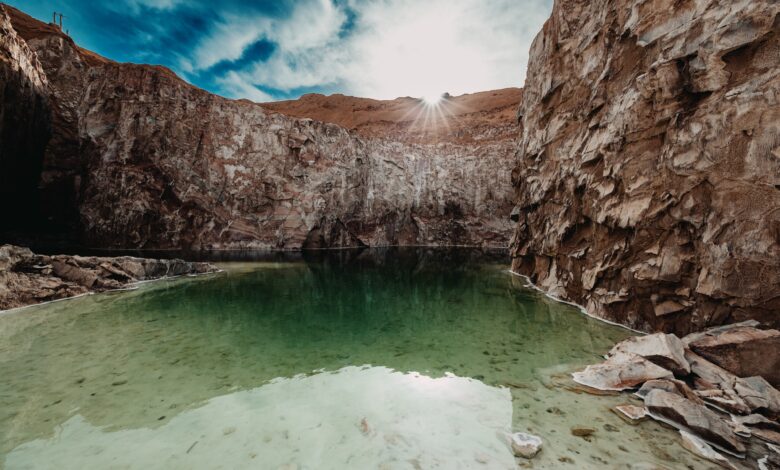

Tucked away in the arid beauty of Semnan Province, the Garmsar Salt Mine—also known as Kuhdasht Kohan or Garmsar Salt Cave—is a geological masterpiece that ranks as the Middle East’s largest and one of the world’s most breathtaking salt mines. Located in the historic city of Garmsar, a vital hub along ancient trade routes once called “Khoaran” during the Parthian era, this mine captivates with its intricate network of 40 salt tunnels, vibrant stalactites, and therapeutic ambiance. Beyond its underground wonders, Garmsar’s desert landscapes, framed by the majestic Mount Damavand, beckon adventurers, stargazers, and culture enthusiasts alike. This comprehensive guide unveils the mine’s rich history, unique features, practical access tips, and insider advice to ensure an unforgettable visit. Plan your adventure with Hamintour and discover this hidden gem just a stone’s throw from Tehran.
Table of Contents
- Why Garmsar Salt Mine Should Be Your Next Adventure
- A Deep Dive into the History of Garmsar Salt Mine
- Exploring the Mine’s Stunning Layout and Features
- Visiting Conditions: What to Know Before You Go
- How to Reach Garmsar Salt Mine with Ease
- What Makes Garmsar Salt Mine a Must-Visit Destination
- Essential Tips for an Unforgettable Visit
- Final Thoughts: A Journey into Iran’s Geological Soul
Why Garmsar Salt Mine Should Be Your Next Adventure
The Garmsar Salt Mine is more than a geological wonder—it’s a journey into nature’s artistry and a sanctuary for the soul. Spanning a 1.5-km labyrinth of tunnels adorned with 98% pure salt crystals, the mine shimmers in a spectrum of colors, from soft gray to radiant white, rivaling the famed salt caves of Qeshm Island. Unlike the urban allure of Tehran’s Palladium Mall, this destination offers untouched beauty and a serene atmosphere known for its therapeutic benefits, easing respiratory issues and stress since ancient times, as noted by Greek philosophers.
Nestled in Semnan Province, just 90 km from Tehran, the mine is a perfect day trip for those seeking adventure without straying far from the capital. With 27 salt mines in the region, Garmsar is a key supplier of Iran’s edible and industrial salt, but Kuhdasht Kohan stands out with its towering 12-meter salt pillars and vibrant mineral strata. Whether you’re drawn to its geological splendor, the tranquility of its desert surroundings, or the chance to stargaze under the vast night sky near Kavir National Park, this mine promises an experience that blends adventure, history, and natural healing.
A Deep Dive into the History of Garmsar Salt Mine
The Garmsar Salt Mine’s legacy stretches back over 2,000 years, with salt extraction dating to the Achaemenid Empire (550-330 BCE). Known historically as “Khoar,” meaning “sun” in Avestan, Garmsar thrived as a vital stop on the Silk Road, connecting Mashhad to Tehran and beyond. The Kuhdasht Kohan Mine, one of 27 in the region, has been actively mined for over a decade, producing 85% edible salt and 15% industrial salt. Since the early 2000s, its hand-carved tunnels have transformed a rugged mountain into a subterranean wonder, preserving its raw grandeur while welcoming modern explorers.
The mine’s rise as a tourist destination began in the 2010s, fueled by growing interest in Iran’s natural and cultural treasures. Today, it stands alongside Semnan’s historic landmarks, such as Stonavand Castle, as a testament to the region’s enduring legacy. From ancient traders to modern adventurers, the mine’s radiant crystals and desert setting continue to captivate, offering a glimpse into Garmsar’s role as a crossroads of commerce and culture.
Exploring the Mine’s Stunning Layout and Features
The Garmsar Salt Mine, particularly the Kuhdasht Kohan section, is a 1.5-km marvel of 40 meticulously crafted tunnels designed to balance structural safety with natural beauty. Each section reveals a unique facet of this geological gem, making it a must-see for nature lovers and photographers.
Key Features of the Mine
- Main Tunnel Entrance: A striking rectangular gateway welcomes visitors with grayish salt walls that deepen in hue as you venture inside, framed by rugged, naturally formed salt structures.
- Inner Tunnels: Winding pathways lead to towering 12-meter salt pillars that act as natural supports, showcasing the mine’s engineering and beauty. The walls transition from earthy taupe to translucent white, indicating fresher, purer salt deposits.
- Stalactites and Stalagmites: Delicate, needle-like salt crystals hang from ceilings or rise from floors, glowing under flashlight beams. Some display vibrant hues due to mineral impurities, creating a mesmerizing effect.
- Colorful Strata: Layers of red, purple, gold, and white, formed by mineral deposits, create a kaleidoscopic display unique to Garmsar’s mine, perfect for Instagram-worthy shots.
- Green Pond: A surreal, rain-fed emerald pool near the mine’s core adds an otherworldly touch. Bathing is prohibited due to high salinity, which can irritate skin.
- Airflow System: Industrial fans ensure cool, breathable air, enhancing comfort and amplifying the mine’s therapeutic benefits for respiratory health.
Nearby Attractions
- Salt Waterfall: Located in the nearby Kavir National Park, this mineral-rich cascade forms a vibrant “waterfall” of salt, a protected site requiring permits for access to upper sections.
- Baneh Kuh: A northern salt dome near the Hableh Rud River, home to diverse birdlife and fish, with historical significance as a military outpost.
The mine lacks formal amenities like cafés or restrooms, so bring water, snacks, and sturdy shoes to navigate slippery floors. Its raw, untouched state only enhances its allure, offering an authentic adventure for those willing to explore.
Visiting Conditions: What to Know Before You Go
To ensure a safe and enjoyable visit, understanding the mine’s conditions and rules is essential. Here’s what you need to know:
- Hours: Open daily from 8:00 AM to 4:00 PM, weather permitting. Sunrise or sunset tours are ideal for cooler temperatures and stunning desert views.
- Entry: Free admission, but vehicle access incurs a small fee (~20,000 IRR). Guided tours (~100,000 IRR per person) are highly recommended for safety and navigation.
- Rules:
- Permits: Coordinate with mine staff or local police for entry, especially for groups or buses. Book guided tours via Hamintour (hamintour.com/tours) for seamless access.
- Safety: Bring a flashlight for dark tunnels, wear sturdy, non-slip shoes, and stick to designated paths to avoid falls on slippery surfaces.
- Restrictions: Bathing in the green pond is prohibited due to high salinity. Climbing stalactites or venturing into side tunnels without a guide is unsafe and not allowed.
- Crowds: Weekdays are quiet, while weekends attract 50-100 visitors. Winter (November to March) and spring are peak seasons—book tours early to avoid crowds.
- Equipment: Pack water, a hat, sunscreen, and snacks, as no shops or toilets are available onsite.
- Best Time to Visit: November to March offers mild weather (10-20°C), with cool tunnels (~15°C) year-round. Summer temperatures outside can soar to 40°C, so avoid rainy days to prevent muddy access roads.
How to Reach Garmsar Salt Mine with Ease
The Garmsar Salt Mine is conveniently located in Padeh Village, Aradan District, Garmsar County, Semnan Province, just 3 km west of Garmsar’s overhead bridge off the Semnan-Garmsar Road, near the Qom-Garmsar junction. Here’s how to get there from key cities:
From Tehran
- Distance: ~90 km, 1-1.5 hours.
- Car: Take the Tehran-Qom Highway (Freeway 7) toward Ivanki. After 75 km, pass Ivanki, then continue 15 km to a salt mine sign (right turn, ~500m before the Qom-Garmsar exit). Skip the first dirt road and take the second (unsigned) after ~200m, which becomes asphalt after 500m. Drive 2 minutes to the Kuhdasht Kohan workshop gate. Parking is free but limited.
- Taxi: Book via Hamintour or Snapp (~200,000 IRR round-trip). Confirm the mine as your drop-off point.
- Bus: From Tehran’s South Terminal (Terminal-e Jonub), take a Garmsar-bound bus (~30,000 IRR, 1.5 hours) to Garmsar Bus Terminal, then a taxi to the mine (~50,000 IRR, 10 minutes).
- Train: Book a Tehran-Garmsar train via Hamintour (~50,000 IRR, 1 hour) to Garmsar Station, then take a taxi (~50,000 IRR).
From Mashhad
- Distance: ~800 km, 9-10 hours by road.
- Train: Take a Mashhad-Tehran train via Hamintour (~200,000 IRR, 10 hours) to Garmsar Station, then a taxi (~50,000 IRR, 10 minutes).
- Bus: From Mashhad’s South Terminal, take a Garmsar-bound bus (~150,000 IRR, 12 hours), then a taxi to the mine.
- Flight: Fly from Mashhad to Tehran’s Mehrabad Airport (~1.5 hours, book via Hamintour), then drive or take a taxi from Tehran (~90 km).
- Car: Follow the Asian Highway (Route 44) to Garmsar, exiting at the Qom-Garmsar junction and following mine signs.
From Semnan
- Distance: ~132 km, 1.5-2 hours.
- Car: Drive via the Semnan-Garmsar Road to the Qom-Garmsar junction, turning right at the second dirt road after Ivanki (~500m before the exit).
- Bus: From Semnan Terminal, take a Garmsar-bound bus (~40,000 IRR, 2 hours), then a taxi (~50,000 IRR).
- Taxi: Book via Hamintour (~300,000 IRR).
Accessibility: The mine’s uneven terrain and lack of ramps make it challenging for wheelchair users. Guided tours can assist with navigation. Contact the mine office (+98-23-3422-1234) for group permits or special arrangements.
What Makes Garmsar Salt Mine a Must-Visit Destination
The Garmsar Salt Mine stands out as a geological marvel, rivaling Qeshm’s Namakdan Cave with its 40 intricate tunnels and 98% pure salt crystals—a record in the Middle East. Unlike Mashhad’s urban parks or Shiraz’s lush gardens, this mine offers a raw, otherworldly escape, with kaleidoscopic strata and stalactites that outshine Tehran’s polished museums. Its proximity to Kavir National Park, a haven for astronomers and nature lovers, adds to its allure, while its location just 15 km from Garmsar’s historic Stonavand Castle blends natural wonder with cultural heritage. Whether you’re seeking adventure, healing, or a glimpse into Iran’s ancient trade routes, this mine delivers an unparalleled experience.
Essential Tips for an Unforgettable Visit
To make the most of your Garmsar Salt Mine adventure, follow these practical tips:
- Book Travel: Arrange flights to Tehran or trains to Garmsar via Hamintour (hamintour.com). Visit in winter for cool temperatures or spring for desert blooms.
- Timing: Arrive at 8:00 AM to beat the heat and crowds. Plan for 2-3 hours to explore fully. Weekdays are quieter than weekends.
- Pack Smart: Bring a flashlight, water, snacks, sturdy shoes, a hat, and sunscreen. Avoid loose clothing near sharp stalactites.
- Explore Nearby: Visit Padeh Village (~5 km) for local crafts, Stonavand Castle (~10 km) for history, or Rig-e Jenn Desert (~50 km) for dune adventures.
- Dine Wisely: No eateries exist at the mine; pack a lunch or dine at Khaneh Bagheri in Garmsar (~15 km, ~100,000 IRR per meal).
- Stay Comfortably: Book hotels like Shahr Aftab or Semnan’s Star Inn (~15 km) via Hamintour for discounts.
- Capture the Magic: Photograph the stalactites and green pond for stunning social media posts. Drones require permits.
Final Thoughts: A Journey into Iran’s Geological Soul
The Garmsar Salt Mine is a Middle Eastern treasure that weaves together history, geology, and adventure. Its 40 radiant tunnels, shimmering with pure salt crystals, echo the ancient “Khoar” legacy of Garmsar, a city that once lit up the Silk Road. Just 90 km from Tehran, this desert jewel is easily accessible by car, train, or bus, making it an ideal escape for travelers from Mashhad, Semnan, or beyond. Plan your visit with Hamintour (hamintour.com) for seamless bookings, from tickets to accommodations like Semnan’s cozy inns. Step into the heart of this subterranean wonder, marvel at its kaleidoscopic beauty, and share your salty adventure with the world—your journey to Garmsar awaits!
masterpiece that ranks as the Middle East’s largest and one of the world’s most breathtaking salt mines. Located in the historic city of Garmsar, a vital hub along ancient trade routes once called “Khoaran” during the Parthian era, this mine captivates with its intricate network of 40 salt tunnels, vibrant stalactites, and therapeutic ambiance. Beyond its underground wonders, Garmsar’s desert landscapes, framed by the majestic Mount Damavand, beckon adventurers, stargazers, and culture enthusiasts alike. This comprehensive guide unveils the mine’s rich history, unique features, practical access tips, and insider advice to ensure an unforgettable visit. Plan your adventure with Hamintour and discover this hidden gem just a stone’s throw from Tehran.
Table of Contents
- Why Garmsar Salt Mine Should Be Your Next Adventure
- A Deep Dive into the History of Garmsar Salt Mine
- Exploring the Mine’s Stunning Layout and Features
- Visiting Conditions: What to Know Before You Go
- How to Reach Garmsar Salt Mine with Ease
- What Makes Garmsar Salt Mine a Must-Visit Destination
- Essential Tips for an Unforgettable Visit
- Final Thoughts: A Journey into Iran’s Geological Soul
Why Garmsar Salt Mine Should Be Your Next Adventure
The Garmsar Salt Mine is more than a geological wonder—it’s a journey into nature’s artistry and a sanctuary for the soul. Spanning a 1.5-km labyrinth of tunnels adorned with 98% pure salt crystals, the mine shimmers in a spectrum of colors, from soft gray to radiant white, rivaling the famed salt caves of Qeshm Island. Unlike the urban allure of Tehran’s Palladium Mall, this destination offers untouched beauty and a serene atmosphere known for its therapeutic benefits, easing respiratory issues and stress since ancient times, as noted by Greek philosophers.
Nestled in Semnan Province, just 90 km from Tehran, the mine is a perfect day trip for those seeking adventure without straying far from the capital. With 27 salt mines in the region, Garmsar is a key supplier of Iran’s edible and industrial salt, but Kuhdasht Kohan stands out with its towering 12-meter salt pillars and vibrant mineral strata. Whether you’re drawn to its geological splendor, the tranquility of its desert surroundings, or the chance to stargaze under the vast night sky near Kavir National Park, this mine promises an experience that blends adventure, history, and natural healing.
A Deep Dive into the History of Garmsar Salt Mine
The Garmsar Salt Mine’s legacy stretches back over 2,000 years, with salt extraction dating to the Achaemenid Empire (550-330 BCE). Known historically as “Khoar,” meaning “sun” in Avestan, Garmsar thrived as a vital stop on the Silk Road, connecting Mashhad to Tehran and beyond. The Kuhdasht Kohan Mine, one of 27 in the region, has been actively mined for over a decade, producing 85% edible salt and 15% industrial salt. Since the early 2000s, its hand-carved tunnels have transformed a rugged mountain into a subterranean wonder, preserving its raw grandeur while welcoming modern explorers.
The mine’s rise as a tourist destination began in the 2010s, fueled by growing interest in Iran’s natural and cultural treasures. Today, it stands alongside Semnan’s historic landmarks, such as Stonavand Castle, as a testament to the region’s enduring legacy. From ancient traders to modern adventurers, the mine’s radiant crystals and desert setting continue to captivate, offering a glimpse into Garmsar’s role as a crossroads of commerce and culture.
Exploring the Mine’s Stunning Layout and Features
The Garmsar Salt Mine, particularly the Kuhdasht Kohan section, is a 1.5-km marvel of 40 meticulously crafted tunnels designed to balance structural safety with natural beauty. Each section reveals a unique facet of this geological gem, making it a must-see for nature lovers and photographers.
Key Features of the Mine
- Main Tunnel Entrance: A striking rectangular gateway welcomes visitors with grayish salt walls that deepen in hue as you venture inside, framed by rugged, naturally formed salt structures.
- Inner Tunnels: Winding pathways lead to towering 12-meter salt pillars that act as natural supports, showcasing the mine’s engineering and beauty. The walls transition from earthy taupe to translucent white, indicating fresher, purer salt deposits.
- Stalactites and Stalagmites: Delicate, needle-like salt crystals hang from ceilings or rise from floors, glowing under flashlight beams. Some display vibrant hues due to mineral impurities, creating a mesmerizing effect.
- Colorful Strata: Layers of red, purple, gold, and white, formed by mineral deposits, create a kaleidoscopic display unique to Garmsar’s mine, perfect for Instagram-worthy shots.
- Green Pond: A surreal, rain-fed emerald pool near the mine’s core adds an otherworldly touch. Bathing is prohibited due to high salinity, which can irritate skin.
- Airflow System: Industrial fans ensure cool, breathable air, enhancing comfort and amplifying the mine’s therapeutic benefits for respiratory health.
Nearby Attractions
- Salt Waterfall: Located in the nearby Kavir National Park, this mineral-rich cascade forms a vibrant “waterfall” of salt, a protected site requiring permits for access to upper sections.
- Baneh Kuh: A northern salt dome near the Hableh Rud River, home to diverse birdlife and fish, with historical significance as a military outpost.
The mine lacks formal amenities like cafés or restrooms, so bring water, snacks, and sturdy shoes to navigate slippery floors. Its raw, untouched state only enhances its allure, offering an authentic adventure for those willing to explore.
Visiting Conditions: What to Know Before You Go
To ensure a safe and enjoyable visit, understanding the mine’s conditions and rules is essential. Here’s what you need to know:
- Hours: Open daily from 8:00 AM to 4:00 PM, weather permitting. Sunrise or sunset tours are ideal for cooler temperatures and stunning desert views.
- Entry: Free admission, but vehicle access incurs a small fee (~20,000 IRR). Guided tours (~100,000 IRR per person) are highly recommended for safety and navigation.
- Rules:
- Permits: Coordinate with mine staff or local police for entry, especially for groups or buses. Book guided tours via Hamintour (hamintour.com/tours) for seamless access.
- Safety: Bring a flashlight for dark tunnels, wear sturdy, non-slip shoes, and stick to designated paths to avoid falls on slippery surfaces.
- Restrictions: Bathing in the green pond is prohibited due to high salinity. Climbing stalactites or venturing into side tunnels without a guide is unsafe and not allowed.
- Crowds: Weekdays are quiet, while weekends attract 50-100 visitors. Winter (November to March) and spring are peak seasons—book tours early to avoid crowds.
- Equipment: Pack water, a hat, sunscreen, and snacks, as no shops or toilets are available onsite.
- Best Time to Visit: November to March offers mild weather (10-20°C), with cool tunnels (~15°C) year-round. Summer temperatures outside can soar to 40°C, so avoid rainy days to prevent muddy access roads.
How to Reach Garmsar Salt Mine with Ease
The Garmsar Salt Mine is conveniently located in Padeh Village, Aradan District, Garmsar County, Semnan Province, just 3 km west of Garmsar’s overhead bridge off the Semnan-Garmsar Road, near the Qom-Garmsar junction. Here’s how to get there from key cities:
From Tehran
- Distance: ~90 km, 1-1.5 hours.
- Car: Take the Tehran-Qom Highway (Freeway 7) toward Ivanki. After 75 km, pass Ivanki, then continue 15 km to a salt mine sign (right turn, ~500m before the Qom-Garmsar exit). Skip the first dirt road and take the second (unsigned) after ~200m, which becomes asphalt after 500m. Drive 2 minutes to the Kuhdasht Kohan workshop gate. Parking is free but limited.
- Taxi: Book via Hamintour or Snapp (~200,000 IRR round-trip). Confirm the mine as your drop-off point.
- Bus: From Tehran’s South Terminal (Terminal-e Jonub), take a Garmsar-bound bus (~30,000 IRR, 1.5 hours) to Garmsar Bus Terminal, then a taxi to the mine (~50,000 IRR, 10 minutes).
- Train: Book a Tehran-Garmsar train via Hamintour (~50,000 IRR, 1 hour) to Garmsar Station, then take a taxi (~50,000 IRR).
From Mashhad
- Distance: ~800 km, 9-10 hours by road.
- Train: Take a Mashhad-Tehran train via Hamintour (~200,000 IRR, 10 hours) to Garmsar Station, then a taxi (~50,000 IRR, 10 minutes).
- Bus: From Mashhad’s South Terminal, take a Garmsar-bound bus (~150,000 IRR, 12 hours), then a taxi to the mine.
- Flight: Fly from Mashhad to Tehran’s Mehrabad Airport (~1.5 hours, book via Hamintour), then drive or take a taxi from Tehran (~90 km).
- Car: Follow the Asian Highway (Route 44) to Garmsar, exiting at the Qom-Garmsar junction and following mine signs.
From Semnan
- Distance: ~132 km, 1.5-2 hours.
- Car: Drive via the Semnan-Garmsar Road to the Qom-Garmsar junction, turning right at the second dirt road after Ivanki (~500m before the exit).
- Bus: From Semnan Terminal, take a Garmsar-bound bus (~40,000 IRR, 2 hours), then a taxi (~50,000 IRR).
- Taxi: Book via Hamintour (~300,000 IRR).
Accessibility: The mine’s uneven terrain and lack of ramps make it challenging for wheelchair users. Guided tours can assist with navigation. Contact the mine office (+98-23-3422-1234) for group permits or special arrangements.
What Makes Garmsar Salt Mine a Must-Visit Destination
The Garmsar Salt Mine stands out as a geological marvel, rivaling Qeshm’s Namakdan Cave with its 40 intricate tunnels and 98% pure salt crystals—a record in the Middle East. Unlike Mashhad’s urban parks or Shiraz’s lush gardens, this mine offers a raw, otherworldly escape, with kaleidoscopic strata and stalactites that outshine Tehran’s polished museums. Its proximity to Kavir National Park, a haven for astronomers and nature lovers, adds to its allure, while its location just 15 km from Garmsar’s historic Stonavand Castle blends natural wonder with cultural heritage. Whether you’re seeking adventure, healing, or a glimpse into Iran’s ancient trade routes, this mine delivers an unparalleled experience.
Essential Tips for an Unforgettable Visit
To make the most of your Garmsar Salt Mine adventure, follow these practical tips:
- Book Travel: Arrange flights to Tehran or trains to Garmsar via Hamintour (hamintour.com). Visit in winter for cool temperatures or spring for desert blooms.
- Timing: Arrive at 8:00 AM to beat the heat and crowds. Plan for 2-3 hours to explore fully. Weekdays are quieter than weekends.
- Pack Smart: Bring a flashlight, water, snacks, sturdy shoes, a hat, and sunscreen. Avoid loose clothing near sharp stalactites.
- Explore Nearby: Visit Padeh Village (~5 km) for local crafts, Stonavand Castle (~10 km) for history, or Rig-e Jenn Desert (~50 km) for dune adventures.
- Dine Wisely: No eateries exist at the mine; pack a lunch or dine at Khaneh Bagheri in Garmsar (~15 km, ~100,000 IRR per meal).
- Stay Comfortably: Book hotels like Shahr Aftab or Semnan’s Star Inn (~15 km) via Hamintour for discounts.
- Capture the Magic: Photograph the stalactites and green pond for stunning social media posts. Drones require permits.
Final Thoughts: A Journey into Iran’s Geological Soul
The Garmsar Salt Mine is a Middle Eastern treasure that weaves together history, geology, and adventure. Its 40 radiant tunnels, shimmering with pure salt crystals, echo the ancient “Khoar” legacy of Garmsar, a city that once lit up the Silk Road. Just 90 km from Tehran, this desert jewel is easily accessible by car, train, or bus, making it an ideal escape for travelers from Mashhad, Semnan, or beyond. Plan your visit with Hamintour (hamintour.com) for seamless bookings, from tickets to accommodations like Semnan’s cozy inns. Step into the heart of this subterranean wonder, marvel at its kaleidoscopic beauty, and share your salty adventure with the world—your journey to Garmsar awaits!