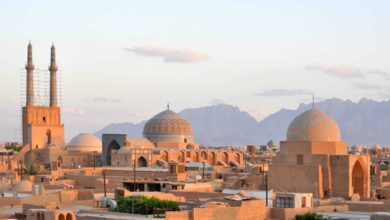

Nestled in the heart of Iran’s sun-scorched deserts, Yazd stands as a testament to human ingenuity, harmonizing with its arid surroundings through breathtaking architecture, ancient traditions, and sustainable innovations. Recognized as a UNESCO World Heritage Site in 2017, Yazd’s historic core captivates with its labyrinthine mud-brick alleys, towering wind catchers, and vibrant Zoroastrian heritage, offering a window into 5,000 years of Persian resilience. With hamintour, a leading expert in Iranian cultural journeys, travelers can explore Yazd’s enchanting blend of history and beauty through curated tours that bring its stories to life. This article uncovers the reasons behind Yazd’s UNESCO status, delving into its historical significance, architectural marvels, cultural richness, and sustainable practices, enriched with unique insights for an immersive experience.
Yazd: A Timeless Desert Jewel
Yazd, dubbed the “Bride of the Desert,” is one of the world’s oldest continuously inhabited cities, flourishing amidst the stark Dasht-e Kavir and Dasht-e Lut deserts. Its strategic position on the ancient Silk Road made it a crossroads of trade, culture, and ideas, fostering a unique identity that blends Zoroastrian, Islamic, and Persian influences. Yazd’s UNESCO designation celebrates its ability to thrive in an unforgiving environment, with ingenious systems like qanats (underground water channels) and badgirs (wind catchers) that showcase sustainable desert living. For visitors with hamintour, Yazd offers a journey through time, where every alley and minaret tells a story of adaptation and artistry.
Geographical Context
Situated in central Iran, Yazd faces extreme aridity, with blistering summers and scarce water sources. Yet, this harsh setting inspired architectural and cultural innovations that turned challenges into triumphs, creating an urban oasis that remains a model of sustainability.
Historical Significance
Yazd’s roots stretch back to the 5th century BCE, with settlements from the Median era. As a Silk Road hub, it welcomed traders carrying saffron, silk, and stories from China to Byzantium, enriching its cultural mosaic. Its isolation spared it from the worst of invasions, preserving its mud-brick core and Zoroastrian traditions, which remain vibrant today.
Architectural Ingenuity
Yazd’s skyline is defined by badgirs, qanats, and mud-brick homes—ingenious solutions to desert life. These structures, built from local materials, reflect a deep understanding of environmental harmony, cooling homes naturally and channeling water across vast distances.
Cultural Vibrancy
Yazd’s cultural tapestry weaves Zoroastrian rituals, Islamic artistry, and Persian crafts like silk weaving. Festivals like Nowruz and Jashn-e Sadeh, along with bustling bazaars, pulse with life, offering travelers a sensory feast of traditions preserved through centuries.
UNESCO’s Recognition
In 2017, UNESCO inscribed Yazd for its “outstanding universal value,” citing its well-preserved historic center, sustainable architecture, and cultural continuity. The city exemplifies how humans can coexist with nature, making it a global model for eco-conscious urban design.
Historical Roots of Yazd
Yazd’s story begins over 5,000 years ago, with archaeological traces of Median and Achaemenid settlements. As a Silk Road nexus, it thrived as a melting pot, absorbing Buddhist, Greek, and Arab influences while nurturing Zoroastrianism, Persia’s ancient faith. Despite conquests by Sassanids, Seljuks, and Safavids, Yazd’s remote location shielded its heritage, allowing mud-brick mosques and Zoroastrian fire temples to endure. Today, hamintour’s guided walks through Yazd’s old town reveal hidden courtyards and ancient inscriptions, connecting visitors to this enduring legacy.
The city’s Zoroastrian heritage is particularly striking. As one of Iran’s last Zoroastrian strongholds, Yazd hosts sacred sites like the Atash Behram, where a flame has burned for over 1,500 years. This spiritual continuity, alongside Islamic landmarks like the Jameh Mosque, underscores Yazd’s role as a cultural crossroads, celebrated by UNESCO for its harmonious blend of faiths and traditions.
Architectural Wonders of Yazd
Yazd’s architecture is a masterclass in desert adaptation, blending functionality with aesthetic brilliance. These innovations, still in use today, are a key reason for its UNESCO status and a highlight for hamintour’s architectural tours.
Wind Catchers (Badgirs): Nature’s Air Conditioners
Yazd’s iconic badgirs rise like chimneys across the city, capturing cool breezes and funneling them into homes while expelling hot air. These ancient cooling systems, some dating back 1,000 years, use no electricity, showcasing Persian engineering genius. Visitors can explore badgir-topped homes with hamintour, feeling the refreshing airflow firsthand.
Qanats: The Desert’s Lifeline
Yazd’s qanats, underground channels stretching up to 50 kilometers, tap mountain aquifers to deliver water to the city. This 2,500-year-old system, still maintained by skilled workers, irrigates gardens and homes, embodying sustainable resource management. Hamintour’s Water Museum tours reveal the qanats’ intricate construction and cultural significance.
Mud-Brick Homes: Eco-Friendly Havens
Constructed from sun-baked mud bricks, Yazd’s homes feature thick walls and domed roofs that insulate against extreme temperatures. Whitewashed exteriors reflect sunlight, keeping interiors cool, while narrow alleys provide shade. These eco-conscious designs, explored via hamintour’s old town walks, highlight Yazd’s forward-thinking sustainability.
Jameh Mosque of Yazd: A Spiritual Beacon
The Jameh Mosque, with its 14th-century Mozaffarid design, boasts Iran’s tallest minarets and a dazzling portal of blue faience tiles. Its geometric patterns and Quranic calligraphy create a serene ambiance, drawing worshippers and visitors alike. Hamintour offers dawn visits to capture the mosque’s glowing tiles in soft light.
Dowlat Abad Garden: A Persian Eden
A UNESCO-listed masterpiece, Dowlat Abad Garden epitomizes the Persian chahar bagh layout, with symmetrical water channels, cypress trees, and a pavilion crowned by the world’s tallest badgir. Built in the 18th century, it offers a tranquil retreat, enhanced by hamintour’s private garden picnics featuring Yazdi rosewater sorbets.
Yazd’s Cultural Riches
Yazd’s culture is a vibrant mosaic, blending ancient rituals with modern vitality, making it a must-visit for cultural explorers with hamintour.
Zoroastrian Heritage
As a Zoroastrian hub, Yazd hosts the Atash Behram fire temple and Towers of Silence, where ancient sky burials took place. These sites, accessible via hamintour’s spiritual tours, offer insights into a faith that shaped Persia’s moral and philosophical foundations.
Festivals and Traditions
Yazd’s calendar sparkles with events like Nowruz, the Persian New Year, and Jashn-e Sadeh, celebrating fire’s discovery. These festivals, often accompanied by drum-heavy music and communal feasts, immerse visitors in Yazd’s living traditions, with hamintour arranging festival-inclusive itineraries.
Handicrafts and Artistry
Yazd’s bazaars brim with Termeh silk, handwoven with intricate paisley patterns, and pottery glazed in desert hues. Hamintour’s artisan workshops let travelers try silk weaving, connecting them to Yazd’s meticulous craftsmanship passed down through generations.
Culinary Delights
Yazd’s cuisine, from tangy Ash-e Shuli soup to syrupy baghlava sweets, reflects its desert resourcefulness. Hamintour’s food tours pair market strolls with tastings at historic eateries like Haj Khalifeh Rahbar, where pistachio-stuffed pastries delight the palate.
Storytelling and Music
In Yazd’s teahouses, oral traditions thrive, with tales of mythical heroes echoing over steaming cups of chai. Traditional music, featuring the dohol drum and santur, fills bazaars and festivals, with hamintour offering access to intimate performances.
The Persian Garden: Yazd’s Oasis of Harmony
The Persian garden, a UNESCO-recognized concept, embodies Yazd’s ethos of balance and beauty. Rooted in Zoroastrian ideals, these gardens—exemplified by Dowlat Abad—feature water channels, shade trees, and geometric layouts, symbolizing paradise. They serve as ecological havens, cooling microclimates and fostering biodiversity. Hamintour’s garden tours highlight their sustainable design, from qanat-fed fountains to drought-resistant flora, offering lessons for modern urban planning.
Yazd’s Desert Symphony
Yazd’s UNESCO status celebrates its harmonious coexistence with the desert. Qanats and badgirs ensure water and cool air, while mud-brick homes minimize environmental impact. Socially, community-driven qanat maintenance and desert-inspired festivals foster unity. These practices, explored through hamintour’s immersive experiences, position Yazd as a blueprint for sustainable cities worldwide.
Must-Visit Attractions and Activities
Yazd’s treasures await discovery, with hamintour curating authentic experiences to bring them to life.
Top Attractions
- Amir Chakhmaq Complex: A 15th-century marvel with a three-story façade of glowing alcoves, best seen at dusk.
- Zoroastrian Fire Temple: Home to a 1,500-year-old sacred flame, offering insights into ancient Persian spirituality.
- Towers of Silence: Hilltop structures for Zoroastrian sky burials, blending mystery with history.
- Dowlat Abad Garden: A UNESCO-listed oasis with a towering badgir and serene pools.
- Water Museum: A deep dive into Yazd’s qanat system, showcasing ancient engineering.
- Jameh Mosque: A 14th-century masterpiece with towering minarets and intricate tilework.
Top Activities
- Wander the Old Town: Stroll mud-brick alleys, capturing badgirs and arched doorways with hamintour’s photography tours.
- Desert Adventures: Explore Dasht-e Lut’s star dunes via camel treks or 4×4 safaris with hamintour.
- Zurkhaneh Sessions: Witness the rhythmic athleticism of Varzesh-e Bastani in historic gymnasiums.
- Bazaar Shopping: Hunt for Termeh fabrics and Yazdi sweets in vibrant markets.
- Savor Local Cuisine: Taste Ash-e Shuli and baghlava at traditional eateries.
- Stay in Historic Homes: Experience Persian hospitality in restored caravanserais like Dad Hotel.
- Join Festivals: Immerse in Nowruz or Jashn-e Sadeh for cultural vibrancy.
Yazd’s UNESCO status reflects its timeless ability to blend tradition, innovation, and beauty. With hamintour’s expert guidance, travelers can uncover the city’s soul, from its wind-swept badgirs to its sacred flames, creating memories that echo its eternal charm.
Frequently Asked Questions (FAQs)
- Why was Yazd named a UNESCO World Heritage Site? Yazd earned UNESCO status in 2017 for its preserved historic core, sustainable architecture like badgirs and qanats, and vibrant cultural heritage.
- What are badgirs, and why are they significant? Badgirs are wind catchers that naturally cool homes, showcasing Yazd’s eco-friendly engineering for desert living.
- How do qanats support Yazd’s survival? Qanats are underground channels that deliver mountain water, sustaining agriculture and life in Yazd’s arid climate.
- What role does Zoroastrianism play in Yazd? Yazd is a Zoroastrian hub, with sacred sites like the Fire Temple and Towers of Silence preserving ancient rituals.
- Why is Dowlat Abad Garden a must-visit? This UNESCO-listed garden blends Persian design with a towering badgir, offering serenity and architectural brilliance.
- How can hamintour enhance a Yazd visit? Hamintour offers curated tours, from old town walks to desert safaris, with local guides for authentic experiences.
- What are Yazd’s signature dishes? Try Ash-e Shuli, Gheimeh Yazdi, and sweets like baghlava or pashmak for a taste of desert cuisine.
- When is the best time to visit Yazd? Spring (March-May) offers mild weather and blooming gardens, ideal for exploring with hamintour.
- What makes Yazd’s old town unique? Its mud-brick alleys, badgirs, and historic homes create a preserved, walkable glimpse into ancient Persia.
- How does Yazd inspire sustainable urban planning? Its qanats, badgirs, and mud-brick designs offer eco-conscious solutions for modern cities facing climate challenges.