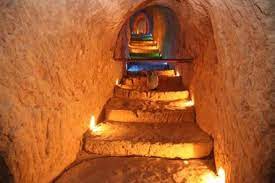

In the arid deserts of Iran, the Yazd Qanat System has sustained life for over 2,500 years, transforming the parched landscapes of Yazd into thriving communities. This ancient Persian water-channeling technique, a UNESCO World Heritage Site, brings underground water from mountain aquifers to the surface, supporting agriculture and daily life. As global water scarcity grows, the qanats of Yazd offer timeless lessons in sustainable water management. With Hamintour, you can explore this remarkable system, marvel at its integration with Yazd’s iconic windcatchers, and discover sites like the Dowlat Abad Garden. Dive into the history and ingenuity of Yazd’s qanats for an unforgettable cultural experience.
Yazd Qanats: Ancient Lifeline
The Yazd Qanat System is a testament to Persian ingenuity, channeling water through underground tunnels to sustain life in one of Iran’s driest regions. Located 270 km southeast of Isfahan, Yazd thrives despite scorching summers exceeding 40°C (104°F), thanks to this ancient engineering marvel. Qanats, developed in the 1st millennium BC, are hand-dug tunnels with vertical shafts that transport water from mountain aquifers to the surface, often over vast distances.
These systems, built by skilled muqannis, required years of labor and geological expertise, showcasing the Persians’ mastery of sustainable water management. Today, Yazd’s qanats remain functional, supporting communities and attracting tourists to sites like the Dowlat Abad Garden. Book with Hamintour to explore this UNESCO-recognized wonder and its role in Yazd’s desert survival.
Why Explore?
- 2,500-year-old water system
- UNESCO World Heritage Site
- Sustainable engineering marvel
Origins & History
The Yazd qanat system originated in ancient Persia around the 1st millennium BC, a period when water scarcity threatened desert communities. By tapping into underground aquifers at the base of mountains, Persians engineered a reliable water supply that transformed arid regions into fertile oases. Yazd, with its extreme climate, became a hub for this technology, with over 3,000 qanats, many still operational today.
The qanats influenced Yazd’s architecture and urban planning, integrating with windcatchers (Badgirs) to cool homes naturally. The Dowlat Abad Garden, a UNESCO site, exemplifies this synergy, using qanat water and a 33-meter windcatcher to create a lush retreat. With Hamintour, you can delve into the history of Yazd’s qanats and their enduring legacy.
Historical Highlights
- Developed in the 1st millennium BC
- Over 3,000 qanats in Yazd
- Integral to UNESCO-listed sites
Types of Qanats
Yazd’s qanat system includes several notable examples, each with unique features:
- Qanat-e Zarch: The world’s longest qanat, stretching over 80 km, built 2,500 years ago. It still supplies water to Yazd, showcasing ancient engineering prowess.
- Qanat-e Mullah Ismail: Named after its builder, this qanat features well-ventilated underground chambers, offering refuge from desert heat and inspiring modern sustainable designs.
- Qanat-e Fahraj: Located in Fahraj, this qanat supports local villages with its complex, durable construction, vital for centuries of farming and domestic use.
- Qanat-e Haj Agha Ali: Financed by Haj Agha Ali, this qanat ensures efficient water distribution for gardens and farmland in Yazd’s harsh climate.
These qanats highlight the diversity and ingenuity of Yazd’s water systems. Explore them with Hamintour for a deeper understanding of their historical significance.
Key Qanats
- Qanat-e Zarch: 80 km long
- Mullah Ismail’s cool chambers
- Fahraj and Haj Agha Ali’s community support
Shaping Yazd’s Landscape
The Yazd qanat system profoundly shaped the city’s urban landscape. Rather than sprawling outward, Yazd developed along qanat lines, with homes, farms, and neighborhoods clustered around water access points. This strategic planning ensured efficient water distribution in an arid environment, fostering sustainable growth.
The iconic windcatchers, or Badgirs, work in harmony with qanats, channeling cool air over qanat water to create natural air conditioning. This evaporative cooling system, seen in sites like the Dowlat Abad Garden, keeps homes comfortable without modern technology. The garden’s pavilions and courtyards, fed by qanat water, exemplify Persian sustainable architecture. With Hamintour, you can visit these sites and witness their ingenious design.
Landscape Impact
- Urban growth along qanat lines
- Windcatchers for natural cooling
- Dowlat Abad Garden’s UNESCO status
Water Management Role
Yazd’s qanats revolutionized water management in desert regions. By delivering water underground, they minimized evaporation losses, unlike surface irrigation systems. This ensured a steady, year-round water supply for agriculture, drinking, and domestic use. The communal sharing of qanat water fostered cooperation, with communities managing resources collectively to prevent waste.
Modern engineers study Yazd’s qanats as a model for sustainable water management in arid climates. Their eco-friendly design offers solutions to today’s global water scarcity challenges. Book a tour with Hamintour to learn how these ancient systems continue to inspire innovation.
Management Benefits
- Underground delivery reduces evaporation
- Communal water-sharing system
- Model for modern sustainability
Cultural Heritage Value
The Yazd qanat system is more than a functional marvel—it’s a symbol of Iran’s cultural and engineering heritage. Recognized as a UNESCO World Heritage Site, the qanats attract tourists interested in ancient technology and sustainable architecture. Promoting them as cultural treasures boosts eco-tourism, supporting local businesses like hotels, restaurants, and artisan shops selling Persian carpets and pottery.
Guided qanat tours offer a unique travel experience, showcasing underground tunnels and their integration with Yazd’s windcatchers. This blend of history and sustainability appeals to eco-conscious travelers seeking authentic Iranian experiences. With Hamintour, you can explore these cultural gems and contribute to their preservation.
Heritage Highlights
- UNESCO-recognized cultural treasure
- Boosts eco-tourism and local economy
- Unique underground tour experiences
Fascinating Facts
- Extensive Network: Yazd is home to over 3,000 qanats, many still operational.
- Skilled Craftsmanship: Muqannis, expert diggers, used advanced geological knowledge to build qanats by hand.
- Natural Cooling: Qanats and windcatchers cool buildings by up to 10°C, a sustainable alternative to air conditioning.
- Global Influence: The Persian qanat system spread to China, North Africa, and beyond, shaping water management worldwide.
- UNESCO Status: Yazd’s qanats are part of the city’s UNESCO World Heritage designation for sustainable urban planning.
These facts highlight the qanats’ enduring legacy. Discover them with Hamintour for a deeper appreciation.
Key Facts
- 3,000+ qanats in Yazd
- Global spread of qanat technology
- Sustainable cooling with windcatchers
Plan Your Yazd Visit
Ready to explore the Yazd Qanat System? Book your stay in Yazd with Hamintour for exclusive deals on hotels near key attractions, such as the Moshir al-Mamalek Garden Hotel. Visit the Dowlat Abad Garden, Qanat-e Zarch, and other historic sites to experience Yazd’s cultural heritage. Secure affordable flights to Yazd via Hamintour’s flight booking page for a seamless journey.
Travel Tips
- Visit in spring or fall for mild weather.
- Join a guided qanat tour for an immersive experience.
- Book with Hamintour for the best rates.
Conclusion: Timeless Ingenuity
The Yazd Qanat System is a remarkable testament to Persian engineering, sustaining life in the desert for over 2,500 years. From the world’s longest qanat, Qanat-e Zarch, to the lush Dowlat Abad Garden, these underground marvels have shaped Yazd’s landscape and culture. As water scarcity grows globally, Yazd’s qanats offer valuable lessons in sustainability. Book with Hamintour to explore this UNESCO World Heritage Site, immerse yourself in Iran’s ancient ingenuity, and create unforgettable memories in the heart of the desert.
FAQs: Qanat Guide
1. What is the qanat system in Yazd?
A qanat is a hand-dug underground tunnel system that channels water from mountain aquifers to the surface, vital for Yazd’s desert communities.
2. How long has the qanat system been around?
Over 2,500 years, originating in Persia in the 1st millennium BC.
3. What makes the Yazd qanat system an amazing piece of engineering?
Its hand-dug tunnels, like the 80-km Qanat-e Zarch, deliver water with minimal evaporation, supporting sustainable urban and agricultural life.