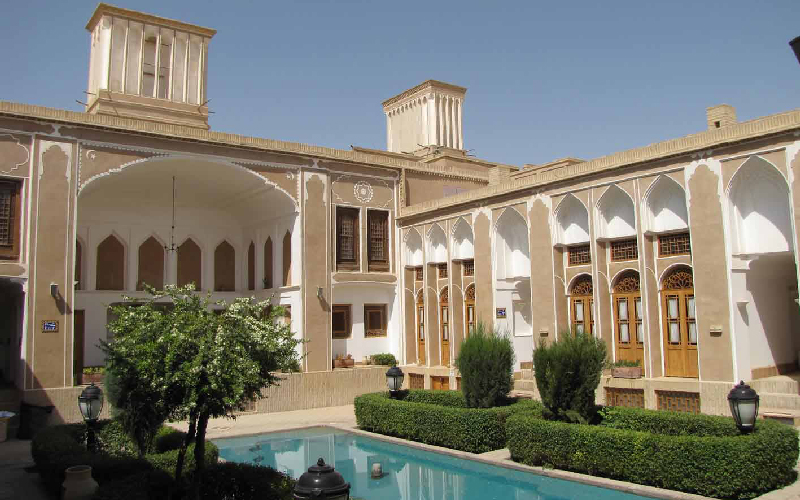

Yazd, often called the “City of Windcatchers” and the second-oldest living historical city in the world, is a UNESCO World Heritage Site renowned for its mud-brick architecture, ancient culture, and desert landscapes. Among its many treasures, the Yazd Water Museum stands out as a captivating testament to the ingenuity of Persian water management. Housed in the historic Kolahdoozha House, this museum offers a deep dive into the 2,000-year history of qanats—underground aqueducts that brought life to this arid region. With hamintour, explore this cultural gem, uncover the secrets of Yazd’s water heritage, and plan a memorable visit to one of Iran’s most fascinating museums.
Why Visit the Yazd Water Museum?
Located in the heart of Yazd, the Water Museum is a must-see for history buffs, culture enthusiasts, and travelers seeking to understand how ancient civilizations thrived in the desert. Its unique exhibits and stunning Qajar-era architecture make it a highlight of any Yazd itinerary.
-
Historical Significance: Showcases over 2,000 years of water management, including the UNESCO-listed Persian qanat system.
-
Architectural Beauty: Housed in the Kolahdoozha House, featuring intricate plasterwork and traditional Persian design.
Table of Contents -
Educational Value: Over 200 artifacts, from qanat tools to water clocks, illustrate the ingenuity of Yazd’s residents.
-
Central Location: Situated near Amir Chakhmaq Square, perfect for combining with other Yazd attractions.
The History of the Yazd Water Museum
A Legacy of Water and Resilience
The Yazd Water Museum, established in 2000 during the first International Qanat Conference, is dedicated to preserving the history of water management in Iran’s desert regions. Originally the Kolahdoozha House, built between 1887 and 1897 for merchant Haj Seyed Ali Akbar Kolahdooz during the Qajar era (1789–1925), the mansion was transformed into a museum to highlight the critical role of water in Yazd’s survival.
Yazd, located between the Dasht-e Kavir and Dasht-e Lut deserts, receives only about 49 millimeters of rain annually, making water a precious resource. The museum celebrates the ingenuity of Persian engineers who developed qanats—underground channels that transport water from mountains to arid plains—long before Roman aqueducts. The Zarch qanat, still active and running beneath the museum, is one of the world’s longest, stretching 75 kilometers and dating back over 2,000 years.
-
Qajar Origins: Built in the late 19th century, the Kolahdoozha House reflects the wealth and ingenuity of its merchant owner.
-
Transformation to Museum: Converted in 2000 to educate visitors about Yazd’s water history and qanat technology.
-
UNESCO Recognition: The Persian qanat system was added to the UNESCO World Heritage List in 2016, underscoring its global significance.
Kolahdoozha House: The Architectural Heart of the Museum
A Qajar-Era Masterpiece
The Yazd Water Museum is housed in the Kolahdoozha House, a five-story mansion covering 720 square meters, renowned for its traditional Persian architecture. Constructed with clay, brick, plaster, and wood, the house features stunning plasterwork, mirrorwork, and colorful stained-glass windows. Its strategic design, with three underground floors, leverages the coolness of qanats to combat Yazd’s harsh desert climate.
Two qanats, Zarch and Rahimabad, run beneath the house, with Zarch still active, supplying water to a cistern and a courtyard pool. The mansion’s unique layout, including a payab (water access passage) and a rooftop well, reflects the centrality of water in its design and daily life.
-
Five-Story Design: Three underground floors and two above ground, blending functionality with aesthetic charm.
-
Qanat Integration: The Zarch and Rahimabad qanats underscore the house’s connection to water management.
-
Plasterwork and Mirrorwork: Intricate designs adorn the walls, showcasing Qajar-era artistry.
Different Parts of the Yazd Water Museum
A Journey Through Water History
The museum’s five floors offer a comprehensive exploration of Yazd’s water management, with over 200 artifacts, including tools, documents, and models. Each level provides unique insights into the qanat system and its cultural significance.
First Floor: Aqueduct Crossing
Accessed via stairs, the first floor is the deepest, where visitors can see the Zarch and Rahimabad qanats. The Zarch qanat, stretching 75 kilometers, remains active, flowing through the house and connecting to landmarks like the Jameh Mosque. This level offers a tangible connection to ancient engineering, with a simple yet evocative atmosphere.
-
Key Features: Remnants of two qanats, with the Zarch qanat still operational.
-
Historical Context: Highlights the 2,000-year-old engineering that sustained Yazd.
Second Floor: Desert Cold Room
The second floor features an octagonal payab, a 10-meter-deep passage used to access qanat water. This cool, shaded space served as a natural refrigerator for food storage, leveraging the qanat’s constant water flow to maintain a pleasant temperature.
-
Functionality: Used for preserving food in Yazd’s hot climate.
-
Ambiance: Cool and tranquil, reflecting the qanat’s practical benefits.
Third Floor: Summer Retreat
The third floor, or basement, contains corridors and rooms where residents escaped summer heat. Today, it houses exhibits like qanat-digging tools (pickaxes, windlasses), water measurement devices, and documents, including water ownership records and dowry agreements where water was valued as highly as gold.
-
Exhibits: Tools, water clocks, and documents showcasing water’s cultural significance.
-
Cultural Insight: Water as dowry reflects its immense value in desert life.
Fourth Floor: Kolahdoozha Family Residence
The ground floor, or fourth level, was the main residence, featuring a hall, five-door rooms with stained-glass windows, a kitchen, and servants’ quarters. The mirror hall, with its intricate designs, is a highlight, showcasing Qajar-era elegance. Exhibits here include water distribution models and historical documents.
-
Architectural Highlights: Colorful sash windows and plant-themed plasterwork.
-
Exhibits: Models of qanat water circulation and water storage containers.
Fifth Floor: Rooftop Well
The rooftop, or fifth floor, features the “Chahkhaneh,” a well house with a pulley system to draw water from the Rahimabad qanat. Water was distributed to the courtyard’s pool and fountains, cooling the house and supplying drinking water. This level offers panoramic views of Yazd’s historic skyline.
-
Key Feature: The Chehel Gaz well, a testament to practical water management.
-
Views: Offers a glimpse of Yazd’s windcatchers and adobe architecture.
How to Reach the Yazd Water Museum
Location: The Yazd Water Museum is located on Qiyam Street, north of Amir Chakhmaq Square, Yazd, Iran.
By Bus: Take the Quran Gate to Shahid Mahrab Terminal route and disembark at the Martyrs Intersection, then walk to Qiyam Street. Alternatively, use the Basteh Intersection to Railway route.By Foot: A short walk from Amir Chakhmaq Square, easily accessible in Yazd’s historic center.
Tips:
-
Use a GPS or hire a guide to navigate Yazd’s winding streets.
-
Book transportation or guided tours with hamintour for a seamless visit.
Google Maps: [Location Link]
Visiting Hours and Tickets
Visiting Hours: Open daily from 8:00 AM to 7:00 PM, except on mourning days for religious figures. Note a closure from 2:30 PM to 3:30 PM.Ticket Fees: Approximately IRR 20,000 for Iranian visitors and IRR 150,000 for foreigners (subject to change; check with hamintour or the museum).Tips:
-
A guide is recommended for English explanations, as signage may be limited.
-
Allow 1–2 hours to explore all floors and exhibits.
Nearby Attractions
The museum’s central location makes it easy to combine with other Yazd highlights, all within a short distance:
-
Amir Chakhmaq Complex (0.3 km): A stunning mosque and square, perfect for photos and local sweets like baklava.
-
Jameh Mosque of Yazd (1 km): A 14th-century mosque with intricate tilework, linked to the Zarch qanat.
-
Dolatabad Garden (2 km): A UNESCO-listed Persian garden with a towering windcatcher.
-
Zoroastrian Fire Temple (2.5 km): Houses a sacred flame burning for over 1,500 years.
-
Khan Bazaar (0.3 km): A vibrant market for souvenirs and local crafts.
Join hamintour’s guided tours to explore these sites with expert insights and convenient transportation.
Nearby Accommodations and Dining
Accommodations
Stay near the museum for easy access to Yazd’s attractions:
-
Yazd Traditional Hotel (0.5 km): A 2-star budget hotel with authentic Persian charm.
-
Vali Traditional Hotel (0.7 km): A 3-star option blending tradition and comfort.
-
Malek Al-Tojar Traditional Hotel (0.6 km): A boutique hotel in a historic mansion.
Book through hamintour for exclusive deals and tailored travel packages.
Restaurants
Savor Yazd’s culinary delights near the museum:
-
Haft Khan Traditional Restaurant (0.75 km): Offers Persian dishes like kufteh Yazdi in a historic setting.
-
Malek O-Tojjar Restaurant (0.6 km): Combines traditional cuisine with a Qajar-era ambiance.
-
Khan Bath Traditional Restaurant (0.8 km): Dine in a restored Persian bathhouse.
Hamintour can arrange culinary tours to experience Yazd’s food culture.
Plan Your Visit with hamintour
Hamintour offers personalized experiences to explore the Yazd Water Museum and beyond:
-
Guided Cultural Tours: Learn about qanats and Yazd’s history with expert guides.
-
Custom Itineraries: Combine the museum with attractions like Dolatabad Garden or the Jameh Mosque.
-
Flight and Hotel Packages: Book affordable flights to Yazd and stay near the museum with hamintour’s curated deals.
-
Group Tours: Join hamintour’s Iran tours for a seamless exploration:
-
7-Day Iran Tour: Includes Yazd’s highlights (€960, Early Bird €860).
-
9-Day Iran Tour: Deeper cultural immersion (€1,100, Early Bird €860).
-
15-Day Iran Tour: Comprehensive journey through Iran (€1,690, Early Bird €1,520).
-
Visit hamintour’s website to plan your Yazd adventure and secure budget-friendly travel options.
Conclusion: A Journey Through Yazd’s Water Heritage
The Yazd Water Museum, nestled in the historic Kolahdoozha House, is a cultural treasure that illuminates the ingenuity of Yazd’s ancient water management systems. From the still-active Zarch qanat to artifacts like water clocks and qanat-digging tools, the museum offers a fascinating journey through 2,000 years of history. Its Qajar-era architecture, with intricate plasterwork and underground floors, adds to its allure. Whether you’re a history enthusiast or a curious traveler, a visit to this museum, planned with hamintour, promises an enriching experience in the heart of Yazd’s UNESCO-listed old town.
Frequently Asked Questions (FAQs)
-
Where is the Yazd Water Museum?
The museum is located on Qiyam Street, north of Amir Chakhmaq Square, Yazd, Iran, in the historic Kolahdoozha House. -
What are the visiting hours of the Yazd Water Museum?
Open daily from 8:00 AM to 7:00 PM, with a closure from 2:30 PM to 3:30 PM, except on religious mourning days. -
Which historical period does the Yazd Water Museum building belong to?
The Kolahdoozha House was built between 1887 and 1897 during the Qajar era (1789–1925). The museum, established in 2000, showcases water management techniques dating back over 2,000 years.