Rhinoplasty in Iran · A practical guide for international patients
Rhinoplasty in Iran: a clearer way to plan your nose surgery
A lower quote is only one part of the decision. You also need a surgeon who understands your goals, a suitable surgical facility, time to recover before flying, and a plan for care after you return home. This guide walks through each part so you can compare options without rushing.
General information only. Your surgeon and licensed treatment facility make all medical decisions after reviewing your case.

Start with the question behind the photograph
Rhinoplasty changes the shape or size of the nose. A surgeon may work on the bridge, tip, nostrils or overall proportions. Some patients are also concerned about nasal breathing, injury or a previous operation. Those concerns deserve a separate functional assessment; a photograph cannot establish whether an airway problem exists. The NHS overview of rhinoplasty explains the purpose, recovery and limitations of the operation.
The best starting point is a short, precise description of what bothers you. “I dislike the bump in profile” is more useful than “I want a perfect nose.” Add what you do not want changed. If preserving a feature associated with your family or identity matters, say so explicitly. A good consultation considers the entire face, skin, nasal structure, breathing and your expectations. The surgeon should be able to explain what is feasible and what may remain different from a reference photo.
If you are considering another procedure, our plastic surgery guide explains a separate decision process. Combining operations requires the surgeon’s and anesthetist’s assessment.
Why consider Iran for rhinoplasty?
Iran is an option because international patients can compare named surgeons, facilities, care arrangements and prices. Tehran hospitals such as Kasra and Parsa describe international-patient services on their own sites. This does not establish a national outcome rate or mean every surgeon has the experience your case needs. The sound reason to travel is a treatment plan you understand, from a verified team in a suitable facility, with workable follow-up and travel conditions.
Which operation is being proposed?
| Term you may see | What it generally means | What to ask in consultation |
|---|---|---|
| Primary rhinoplasty | First operation to change nasal appearance or structure. | Which features can change, and how will support and breathing be preserved? |
| Revision rhinoplasty | Further surgery after a previous rhinoplasty; scar tissue and altered anatomy can make planning more complex. | What caused the concern, what records are needed, and what limits the revision? |
| Septorhinoplasty | Reshaping combined with work on the nasal septum when clinically indicated. | Which part treats function, which part treats appearance, and how will each be evaluated? |
| Open approach | An incision can be made across the columella, with additional internal incisions. | Why does this approach suit my anatomy? Where will the scar be? |
| Closed approach | Incisions are inside the nose. | Will it provide adequate access for the changes I need? |
| Non-surgical nose filler | Injectable treatment that can alter the visible contour temporarily; it does not reduce the nose or correct a structural breathing problem. | What are the vascular risks, material used and reversal or emergency plan? |
“Open” and “closed” describe access, not a guaranteed quality ranking. Likewise, labels such as “natural,” “fantasy,” “ethnic” or “preservation” can mean different things to different clinicians. Ask the surgeon to describe the planned changes in ordinary language and note them in the written treatment plan. The American Society of Plastic Surgeons procedure guide explains the incision choices and when cartilage grafts may be considered. For a fuller explanation of nasal and airway care, see our ENT treatment guide.
Revision rhinoplasty needs its own assessment
Another operation is not simply a repeat of the first. Scar tissue, missing or weakened support, and a breathing complaint can change the plan; the surgeon may consider cartilage grafting and should explain its source. The American Society of Plastic Surgeons’ revision overview explains why correction can be limited. Bring the previous operative record if available, describe what changed over time, and ask which concerns can realistically improve. A new surgery may be deferred or declined after examination.
Women, men and ethnic rhinoplasty: start with your goals
Rhinoplasty for women
Some women request a softer profile; others want a straight bridge or a small functional change. There is no required “feminine” nose. Show the surgeon features you want to preserve and discuss how your preferred profile looks from the front as well as the side.
Rhinoplasty for men
Some men prefer a straighter bridge or less visible change; others have different goals. Ask about prior injury and breathing as well as appearance. ASPS surgeons discuss why facial balance and function matter for all patients.
Ethnic rhinoplasty, including Asian and African-descended patients
“Ethnic rhinoplasty” is a planning term, not one operation or one ideal nose. People within any ancestry group have varied anatomy and preferences. If you have Asian or African ancestry, ask the surgeon to show cases with similar starting features and to explain any proposed bridge, tip or nostril changes without assuming you want to erase family traits. Peer-reviewed reviews of East Asian and African-descended rhinoplasty emphasize individualized anatomy and goals. Tell the surgeon directly what you want to keep; no photograph or ancestry label substitutes for an examination.
When travelling for rhinoplasty may make sense
A promising candidate has a specific concern, understands that the nose will swell and settle over time, and can take enough time away from work and other obligations. The surgeon must still review medical history, medications, prior operations, smoking or nicotine use, allergies, breathing symptoms, photographs and any examination or tests needed. Do not stop a prescribed medicine to fit a travel date without the prescribing clinician’s advice.
If you have had several previous operations, significant breathing trouble, a bleeding disorder, uncontrolled medical illness, or a recent major health event, remote photographs alone are especially inadequate. A consultation may lead to additional tests, a different specialist, a delayed procedure or advice against surgery. That is useful information, not a failed sales process. Patients who are under pressure from someone else to change their appearance should also take time to discuss their own goals privately with the surgeon.
Plan for a companion if your surgeon recommends one, particularly for the first days after anesthesia. Ask whether the proposed facility has the staff and equipment appropriate to your health needs and what happens if you require unplanned observation or transfer. The CDC’s medical-tourism guidance advises patients to consider continuity of care, credentials, infection risks and travel after surgery before booking.
Rhinoplasty costs in Iran: what a dollar figure actually covers
International-patient prices should be requested in US dollars as an itemized written quote. Public figures are only reference points. They are not Hamintour quotations and they may exclude flights, accommodation, revision work or care for a complication. The examples below come directly from the named hospitals’ international-patient pages. One is in Mashhad and one in Yazd; they show how hospital packages vary, not a Tehran market median.
| Public hospital example | Displayed USD price | Scope visible on source page | What still needs confirmation |
|---|---|---|---|
| Mehr Hospital, Mashhad | $1,500 sample rhinoplasty price | Price-list example for international medical tourism. | Current validity, surgeon and anesthesia fees, tests, stay, inclusions and exclusions. |
| Mortaz Hospital, Yazd — basic | $1,750 advertised package | Private room and one-night hospital stay are described. | Eligibility, surgeon, current price, flights, hotel nights and complication policy. |
| Mortaz Hospital, Yazd — VIP | $2,000 advertised package | Hospital suite and one-night hospital stay are described. | Exactly what differs from basic and whether either option suits your case. |
These are approximate planning references taken from Mehr Hospital and Mortaz Hospital. The published figures can change and are not a promise of availability or a like-for-like comparison. Ask Hamintour Medical for a current, case-specific written quotation in USD.
A usable quotation identifies the surgeon and facility and separates the surgeon fee, anesthesia, operating room, hospital stay, preoperative tests, medicine, postoperative visits, interpreter, transfers and accommodation. It should state what happens if the operation is postponed after in-person assessment, if an additional night is needed, or if you need urgent treatment after discharge. Ask which amounts are paid to whom, in which currency and at what stage. Keep a copy of every estimate and receipt.
Ready for a case-specific estimate?
Send your goals, prior surgery history and any breathing concerns. A qualified clinician should assess medical suitability; Hamintour can coordinate the review and help you compare the resulting options and full costs.
Request Your Free Consultation
Get a personalized treatment plan from our elite medical experts.
How to compare a surgeon and a treatment facility
Start with evidence you can inspect, rather than a ranking label. Ask for the surgeon’s full name, specialty, professional registration number, current operating facility and a direct path to verify the registration. Iran’s Medical Council is the official professional body; a number copied into an advertisement is not itself verification. Ask the hospital for its official facility information and international-patient department details. If either party cannot identify who provides anesthesia or who handles a complication, pause the booking.
Specialty and registration; experience with your type of nose and, when relevant, revision or airway work; direct consultation; explanation of limitations.
Official hospital identity, surgical and anesthesia arrangements, emergency pathway, international-patient contact and discharge documentation.
Comparable starting anatomy, several angles, consistent lighting, known time after surgery and explicit consent for the images shown.
Named clinical contact, in-person checks before departure, emergency instructions, records in English and a plan for follow-up at home.
Three official facility pages can help you see what information to request. Parsa Hospital’s international-patient department lists rhinoplasty among services on its Persian-language page. Kasra Hospital describes the responsibilities of its international-patient unit. Nikan Hospital’s own catalogue describes its international-patient department. Inclusion here is an example of source-checking, not a quality ranking, current availability check or statement of partnership. The operating surgeon and facility for your case must be confirmed before payment.
For a comparison focused on named clinicians and facilities, read our rhinoplasty clinics and surgeons guide. Use it as a shortlist for questions, not as a substitute for direct license checks and an individual consultation.
Before and after rhinoplasty: compare the full picture
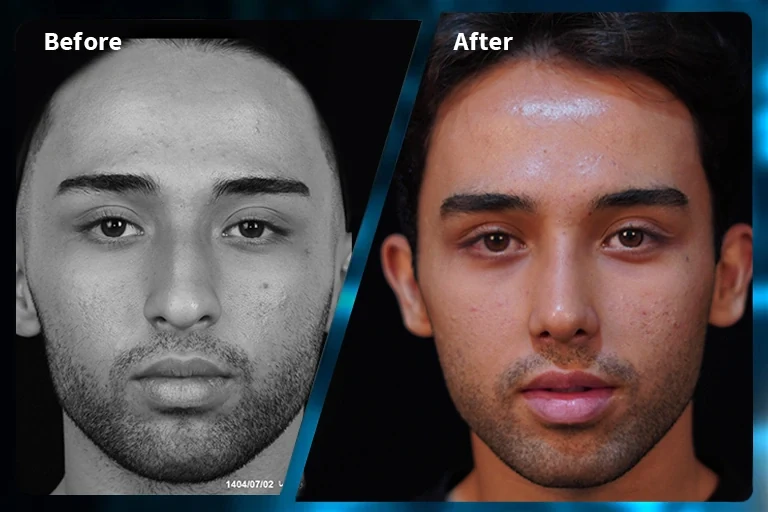
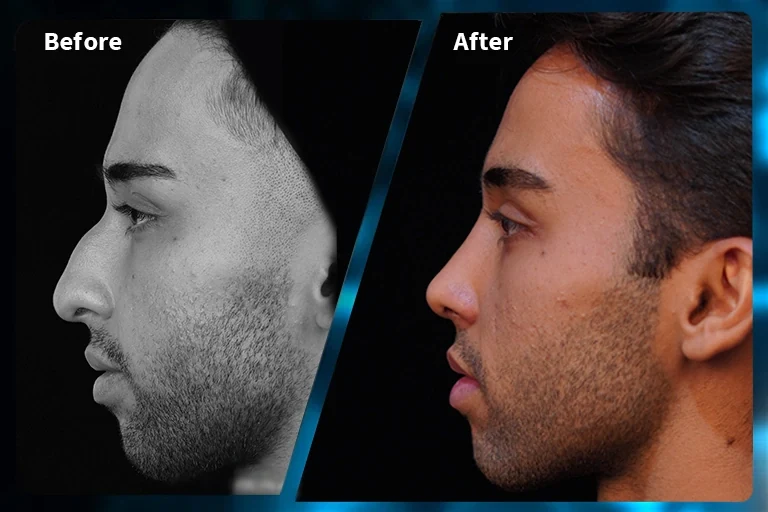
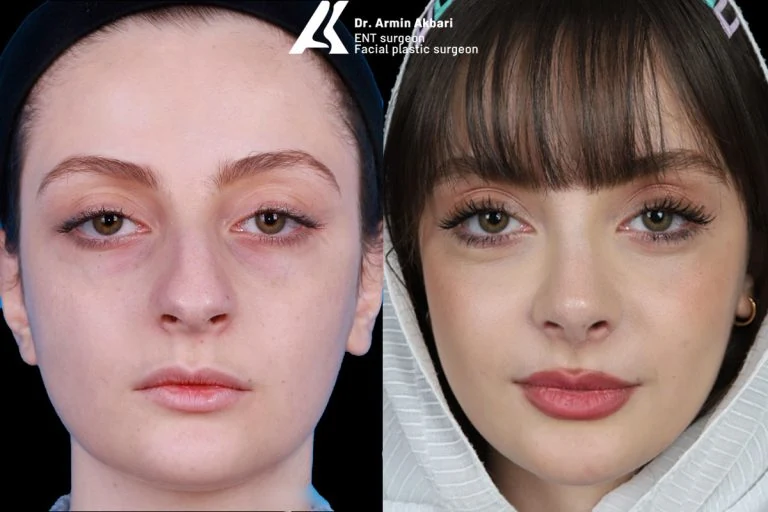
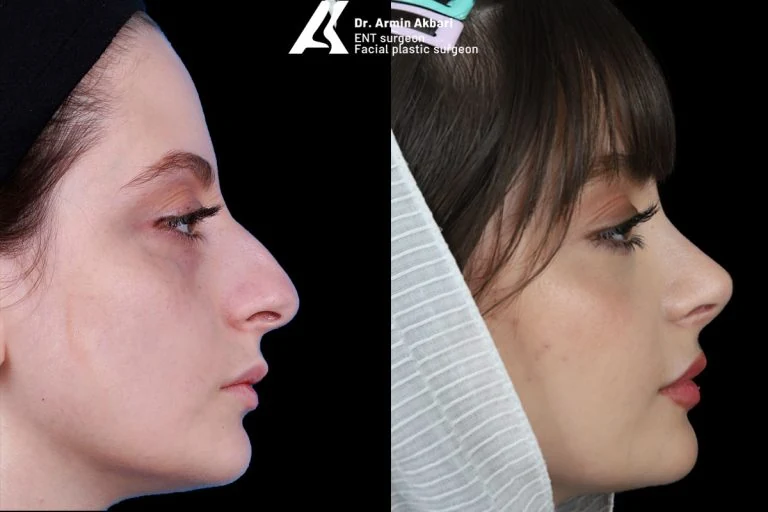
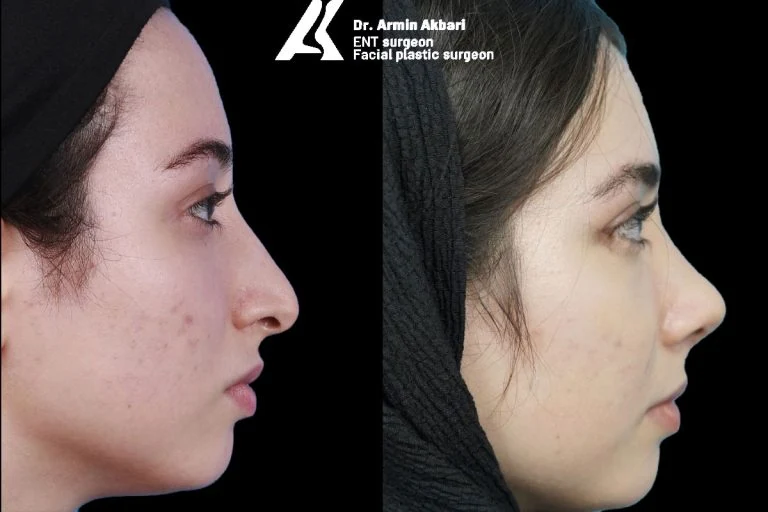
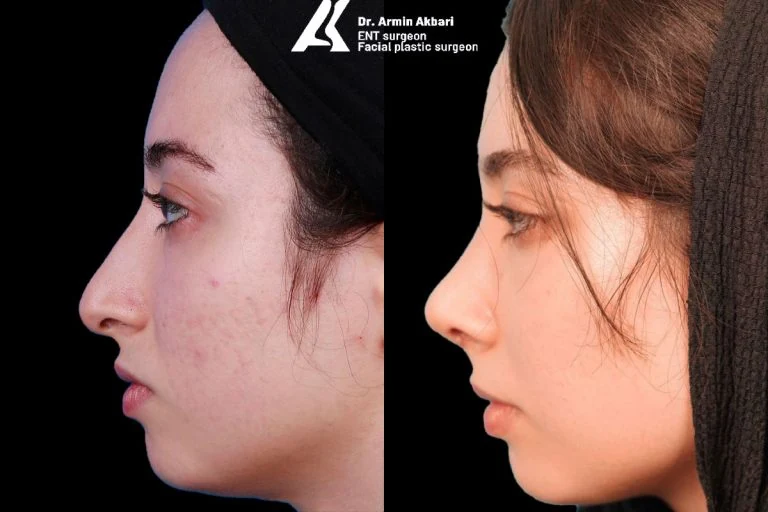
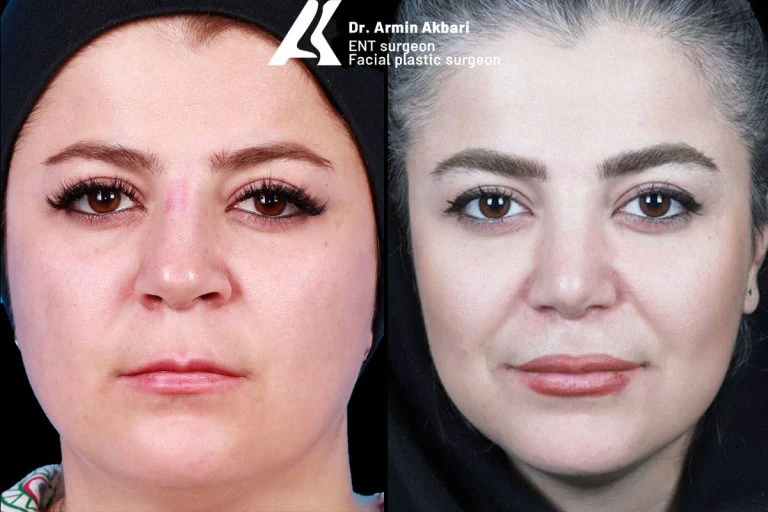
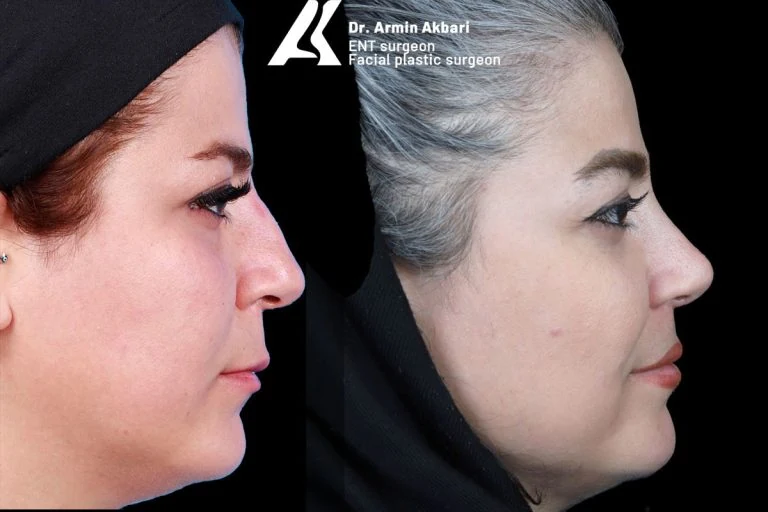
These 50 published comparison images come from four separate provider galleries. They show photographs, not 50 distinct patients: several images may show different views of the same person. No image predicts your own result. Compare front, profile and three-quarter views; ask the surgeon when the later photograph was taken, whether breathing was assessed and whether the procedure was a first or revision operation. Lighting, head angle, makeup and swelling can change the impression.
Source labels within Dr Armin Akbari’s images identify “Before” and “After.” The other source composites do not always identify which side is which. We have not guessed their sequence. The original gallery or image is linked beside every example so you can inspect provenance and ask the provider for the operation date, follow-up interval, consent and an unedited set of views. These are examples published by the named providers; their appearance here does not imply a Hamintour partnership or independent verification of clinical outcome.
Dr Armin Akbari: 22 comparison images
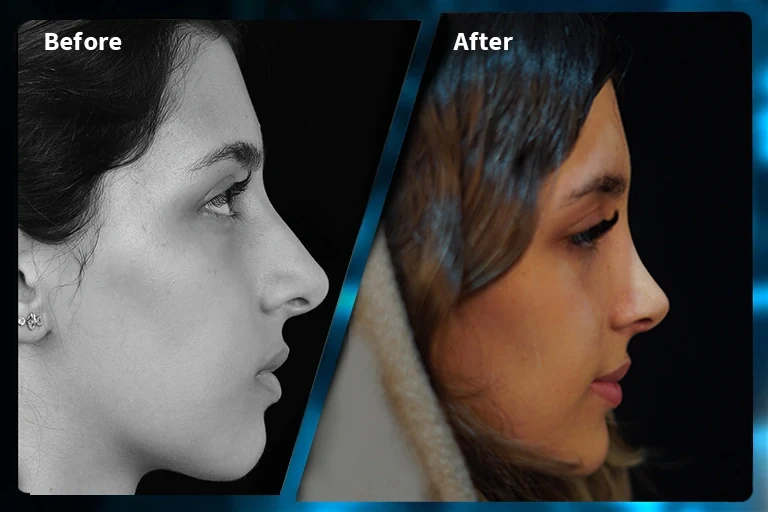
Original gallery · Source image
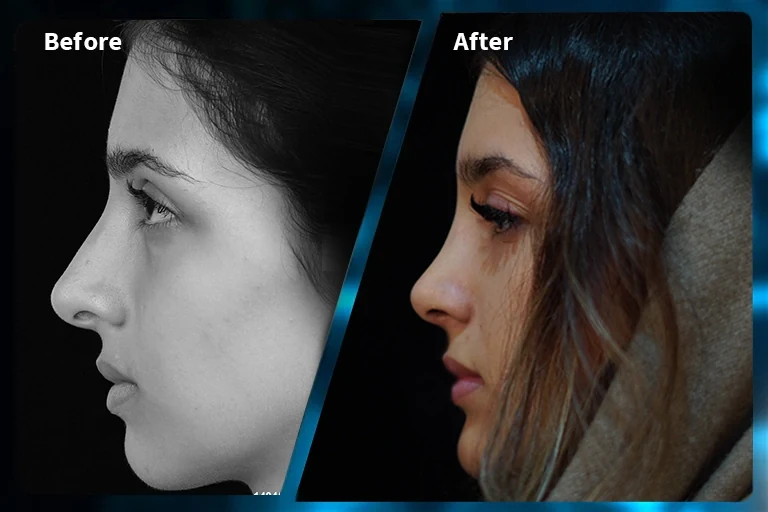
Original gallery · Source image
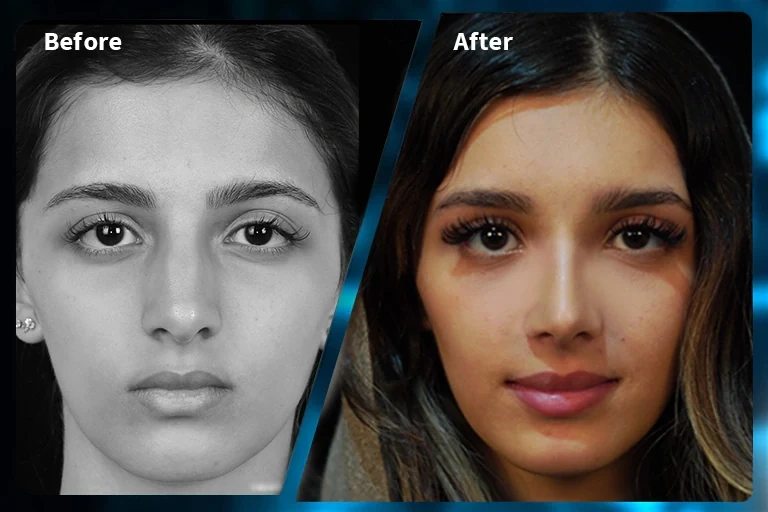
Original gallery · Source image
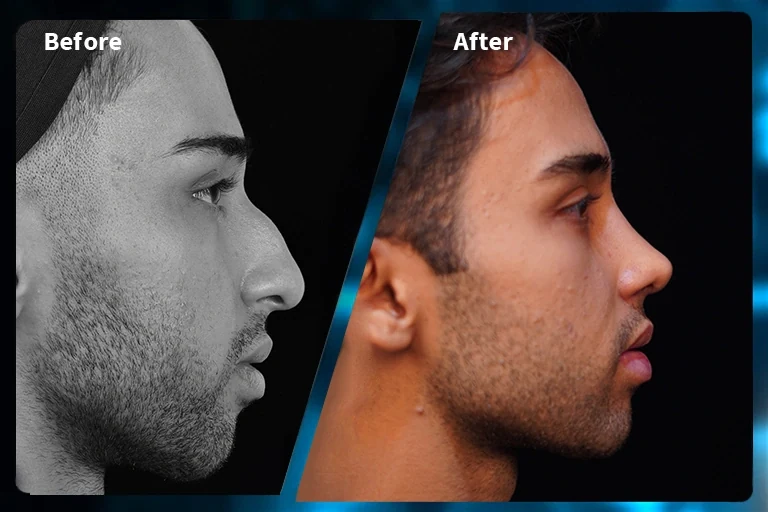
Original gallery · Source image
Original gallery · Source image
Original gallery · Source image
Original gallery · Source image
Original gallery · Source image
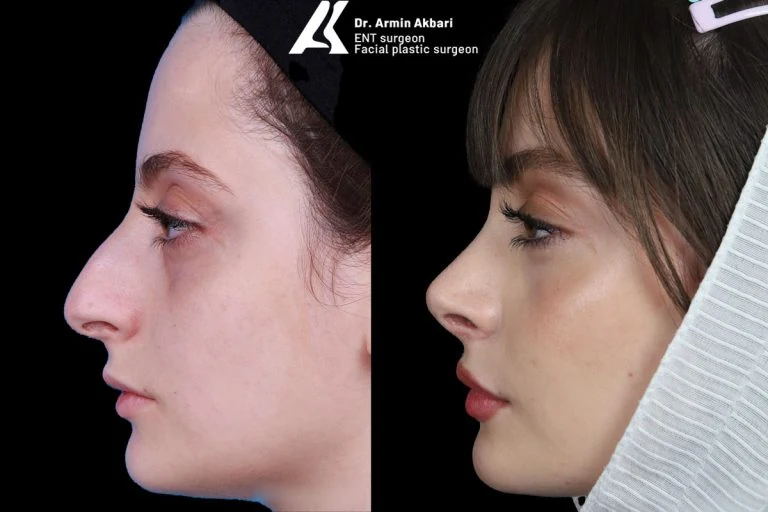
Original gallery · Source image
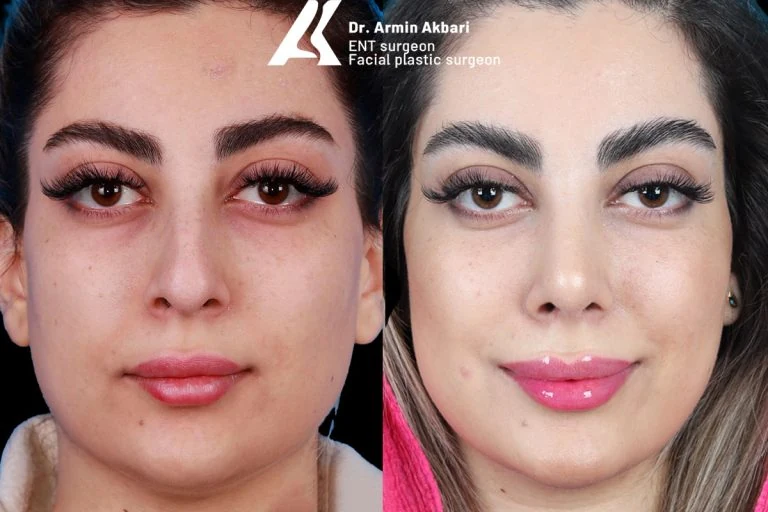
Original gallery · Source image
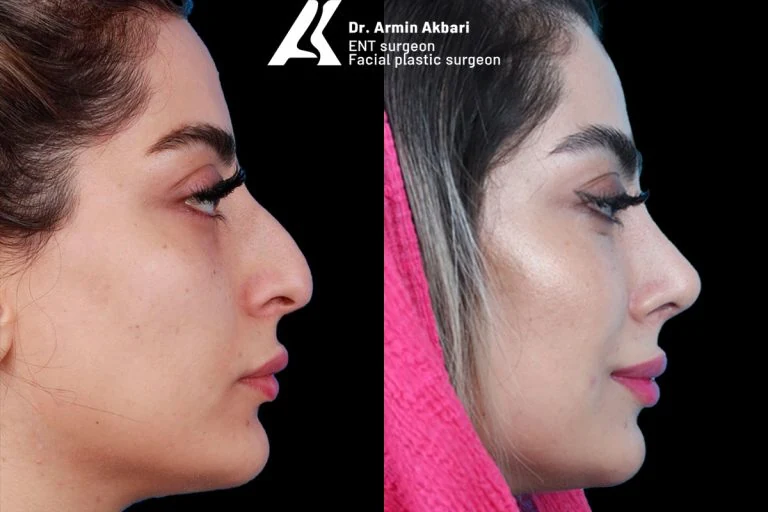
Original gallery · Source image
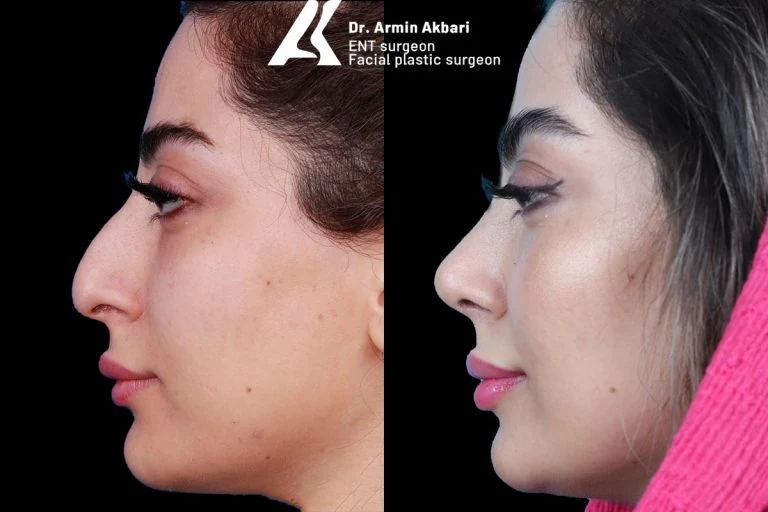
Original gallery · Source image
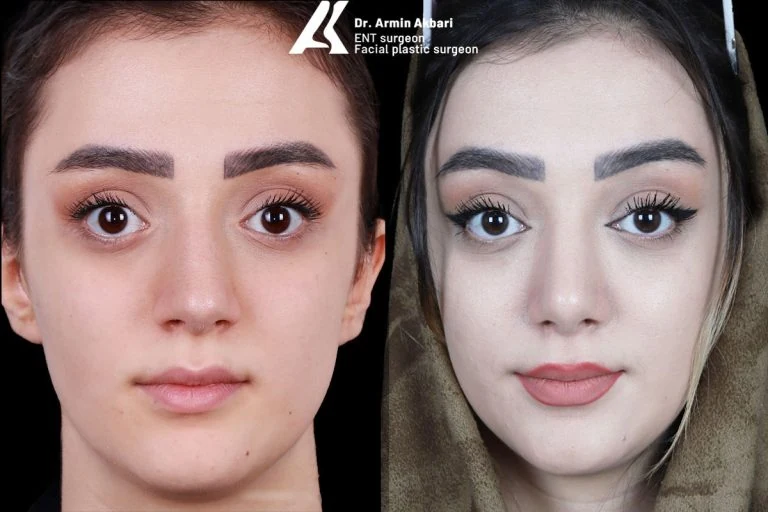
Original gallery · Source image
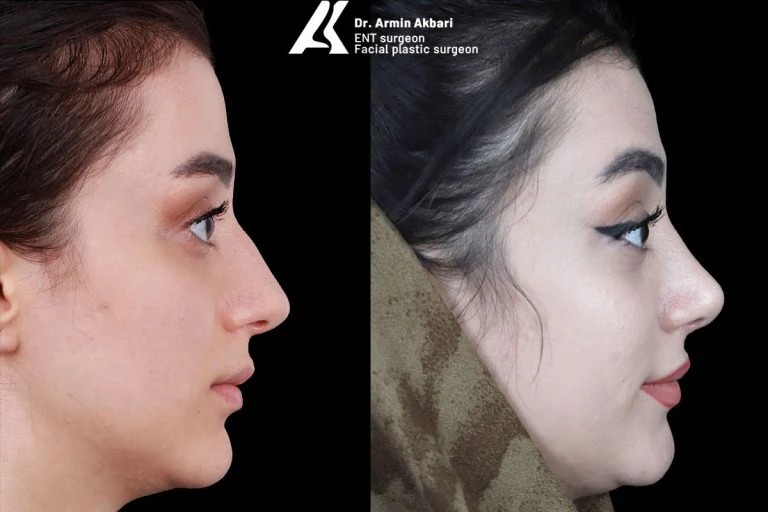
Original gallery · Source image
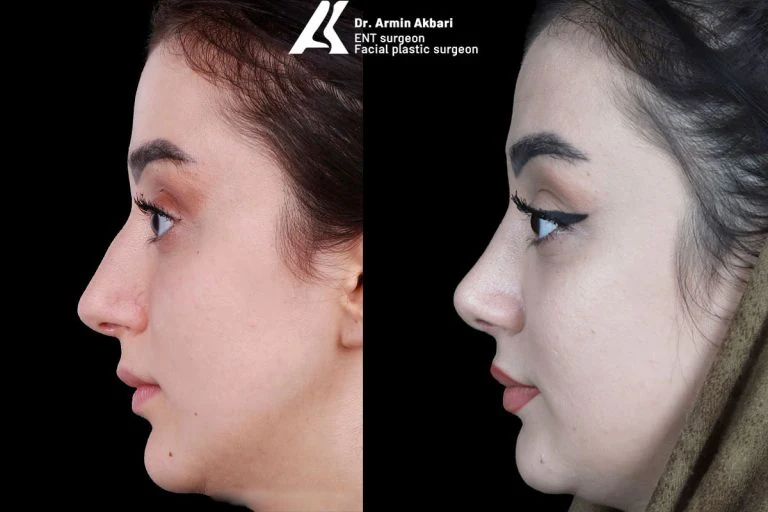
Original gallery · Source image
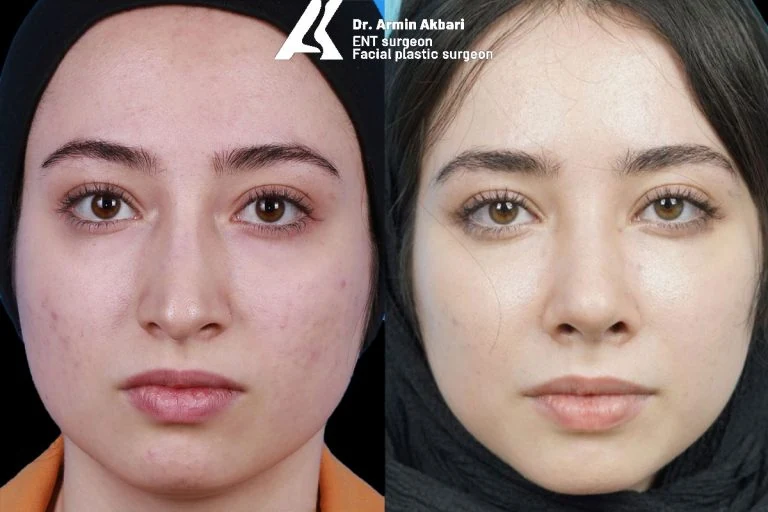
Original gallery · Source image
Original gallery · Source image
Original gallery · Source image
Original gallery · Source image
Original gallery · Source image
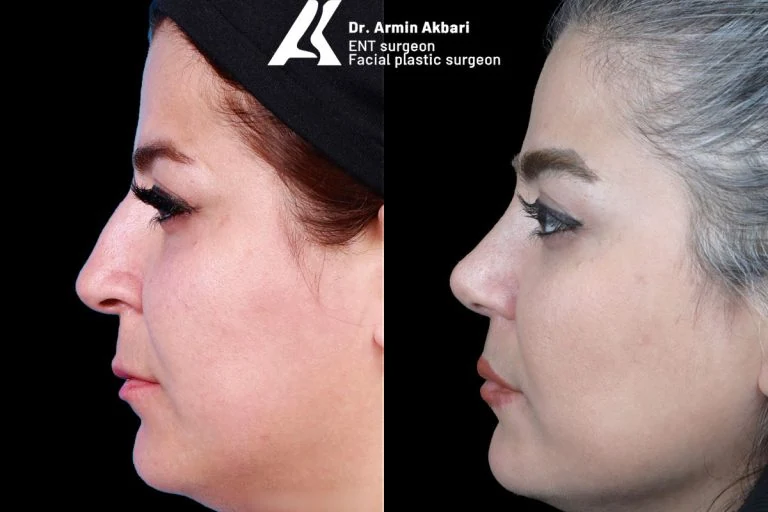
Original gallery · Source image
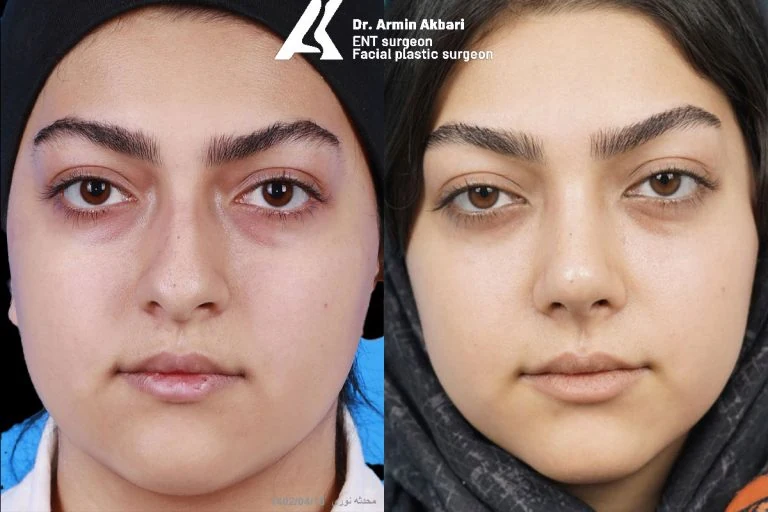
Original gallery · Source image
Melal Clinic: 20 comparison images
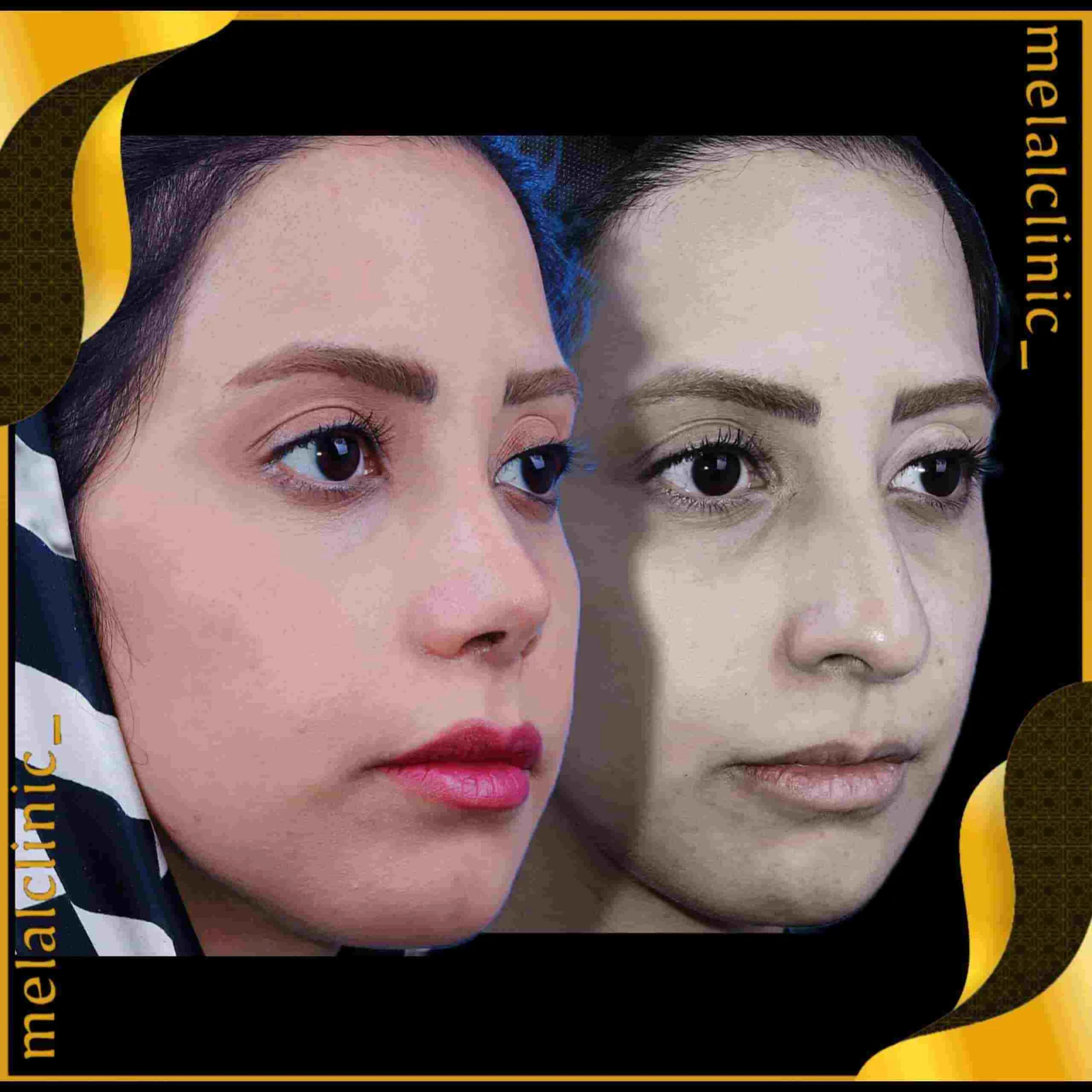
Original gallery · Source image
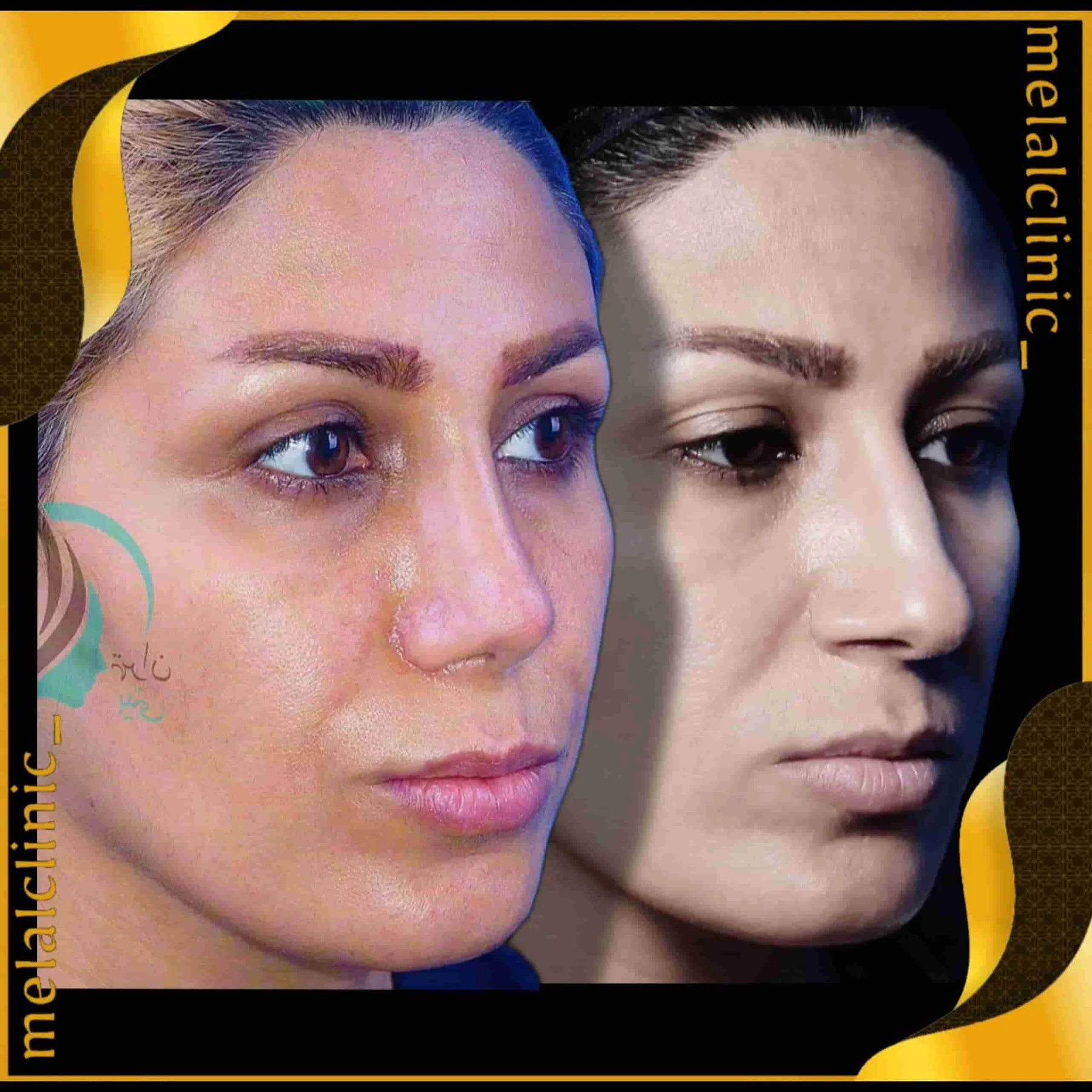
Original gallery · Source image
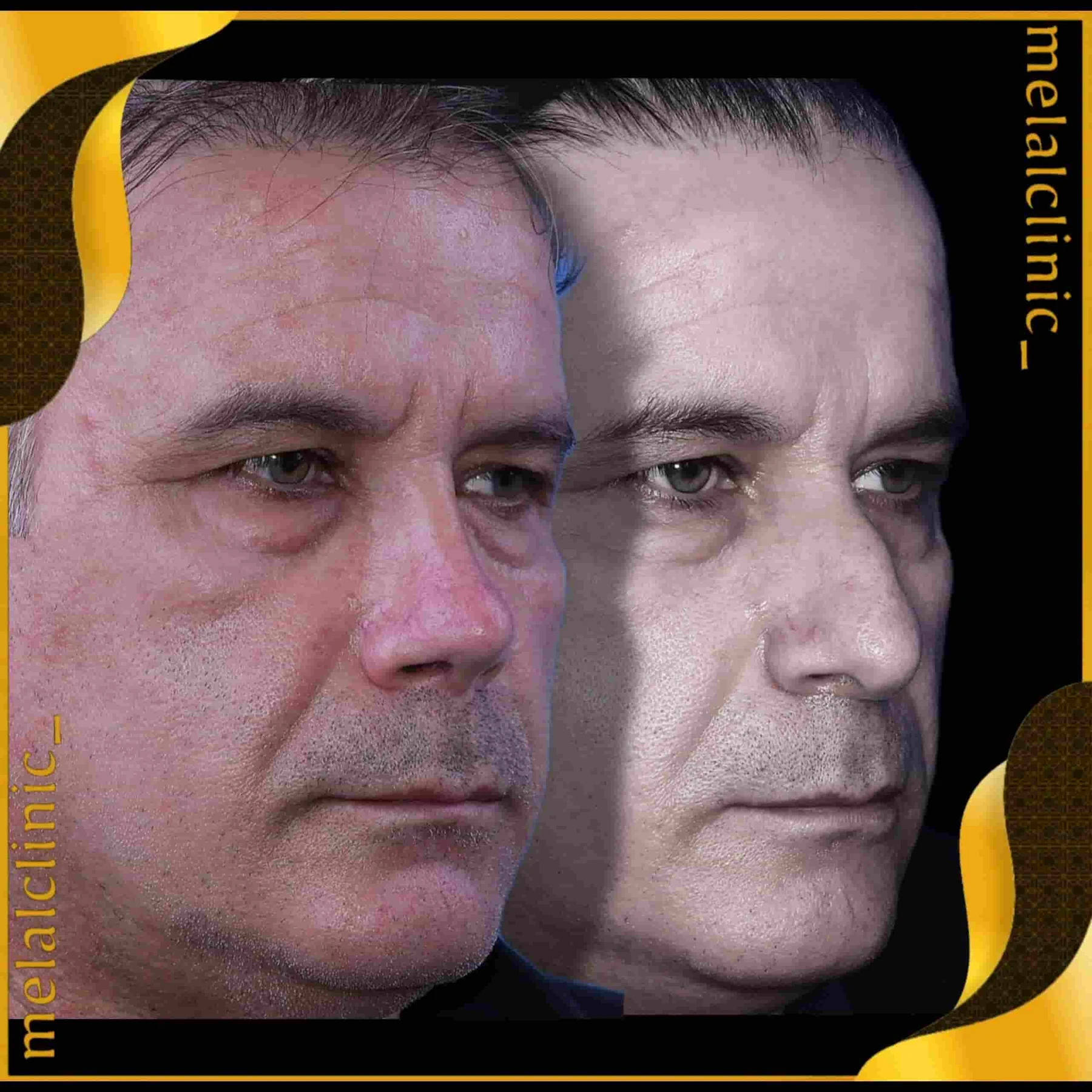
Original gallery · Source image
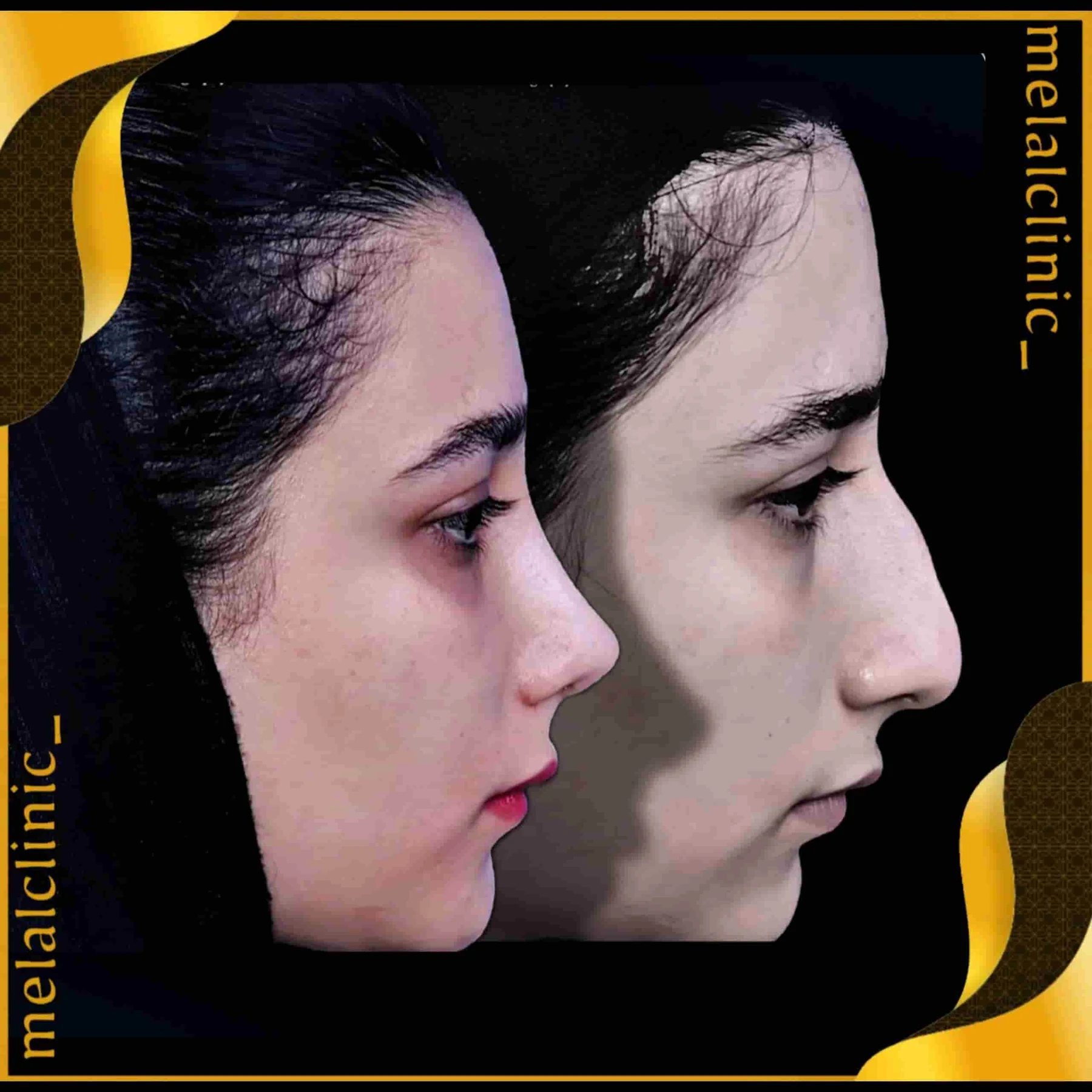
Original gallery · Source image
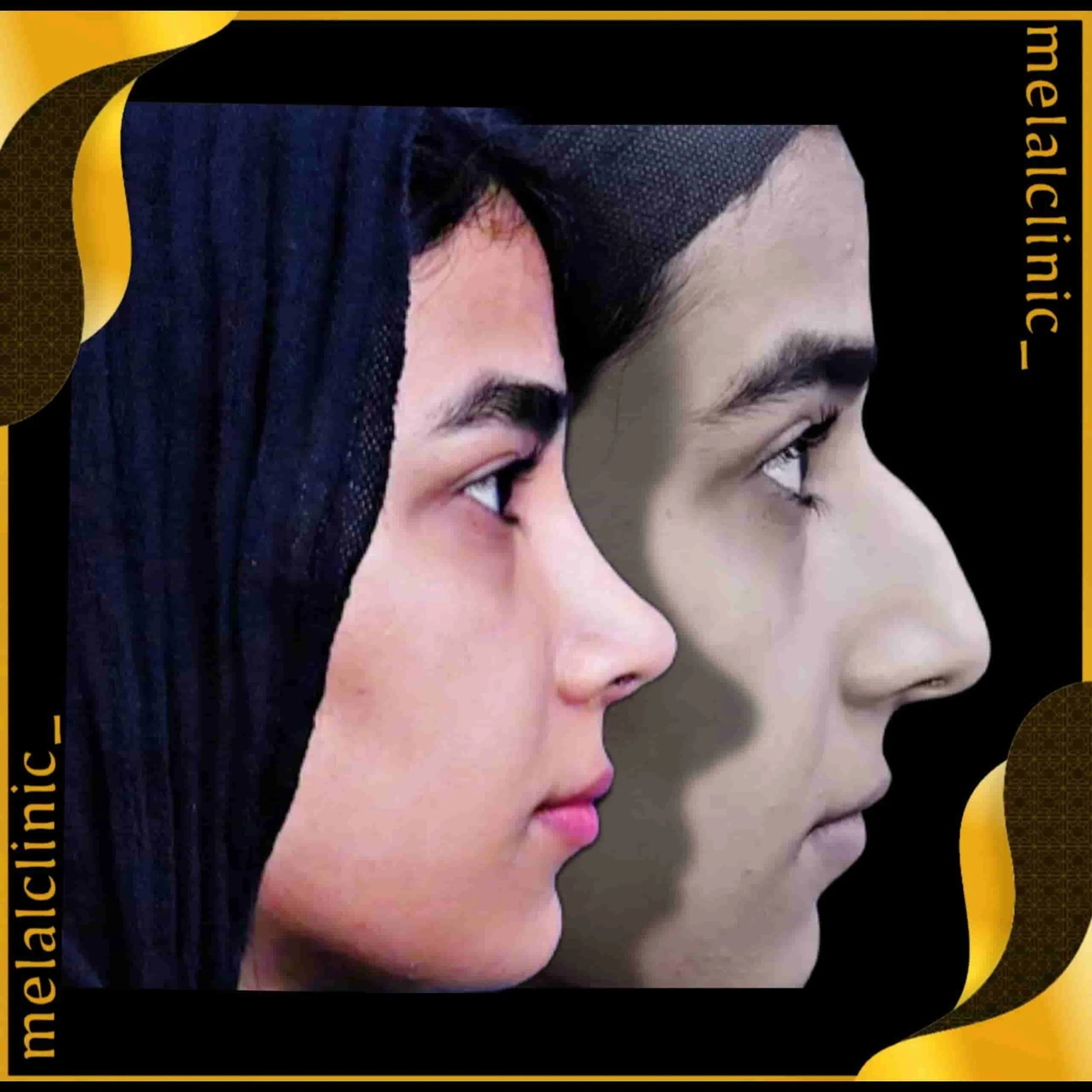
Original gallery · Source image
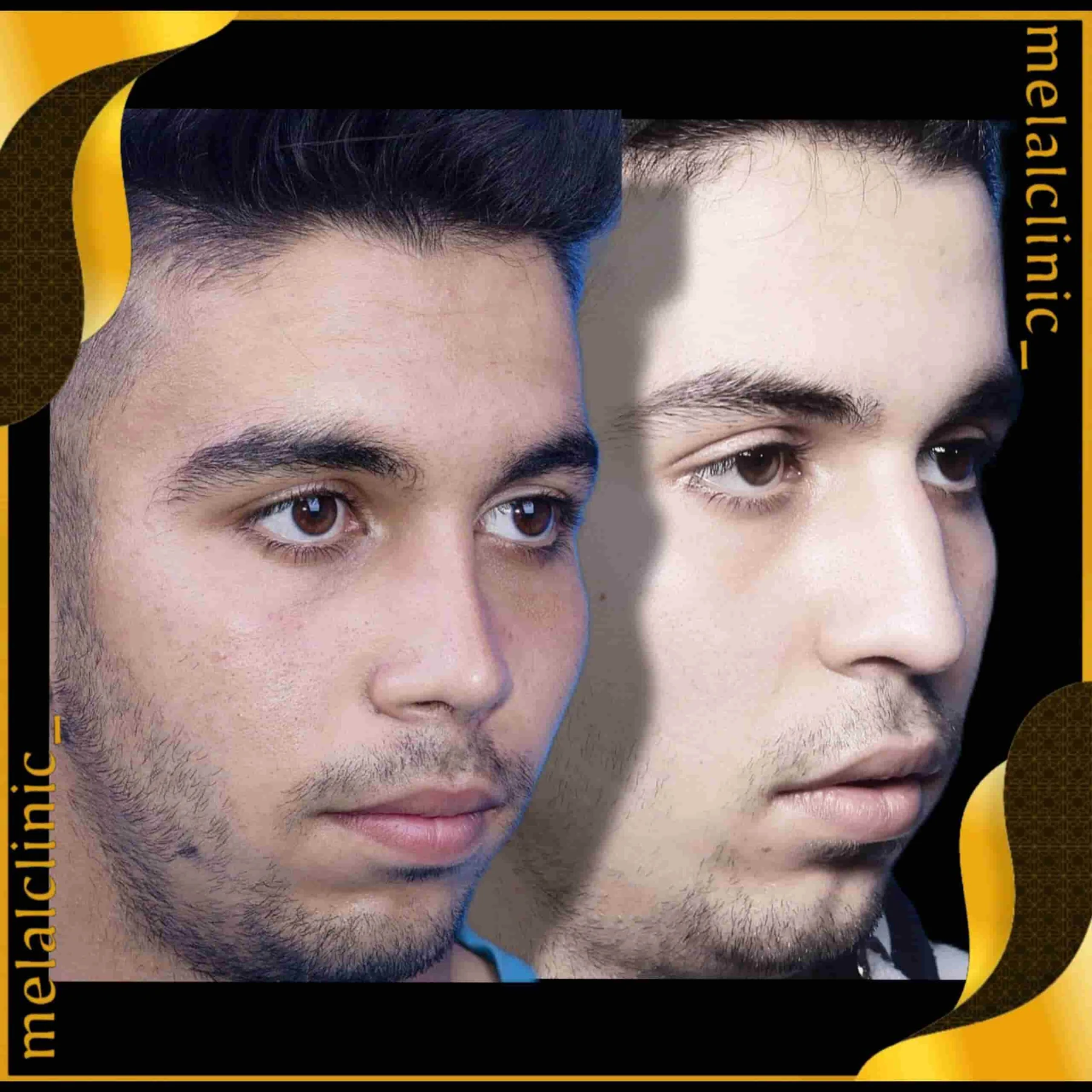
Original gallery · Source image
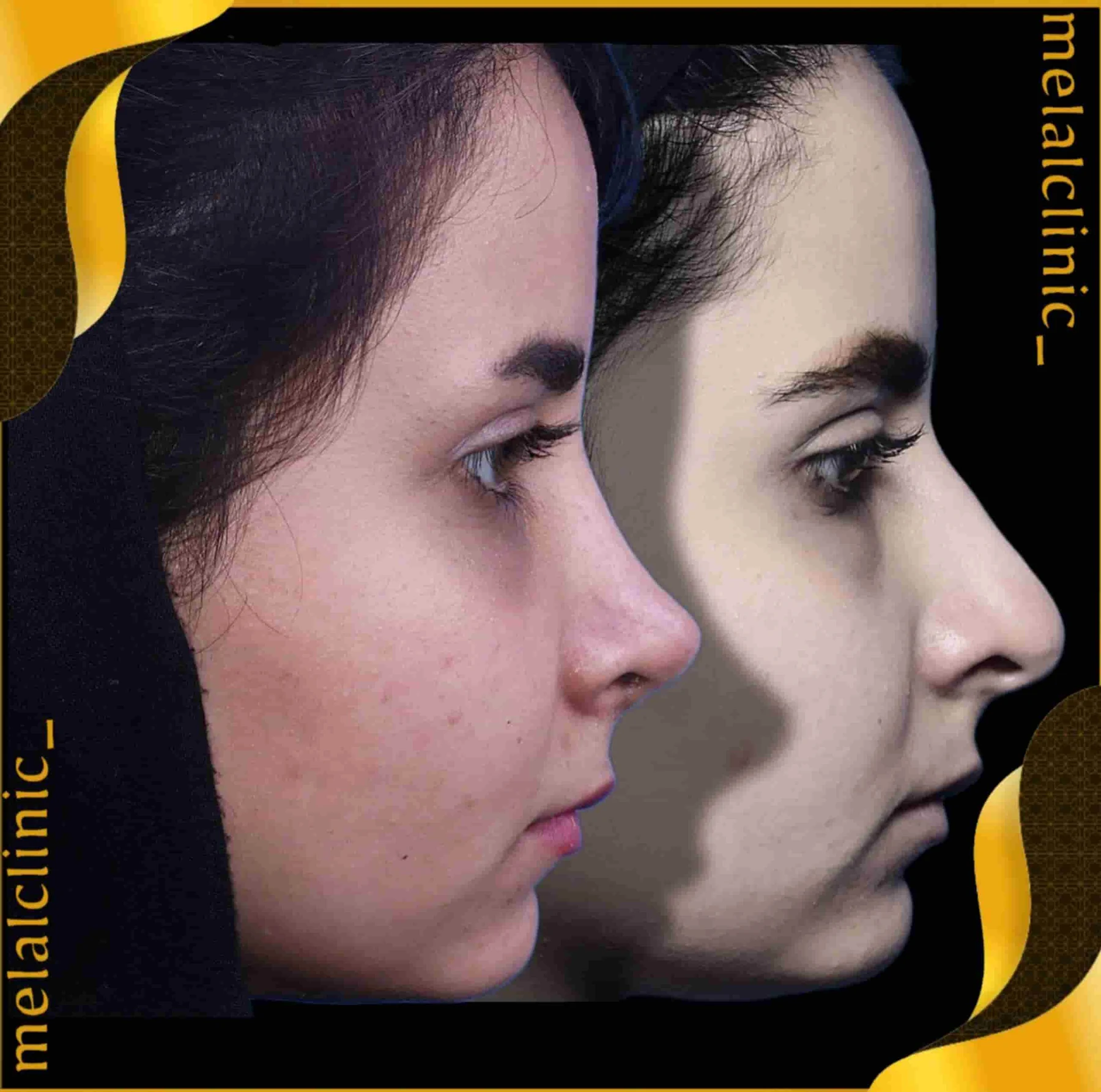
Original gallery · Source image
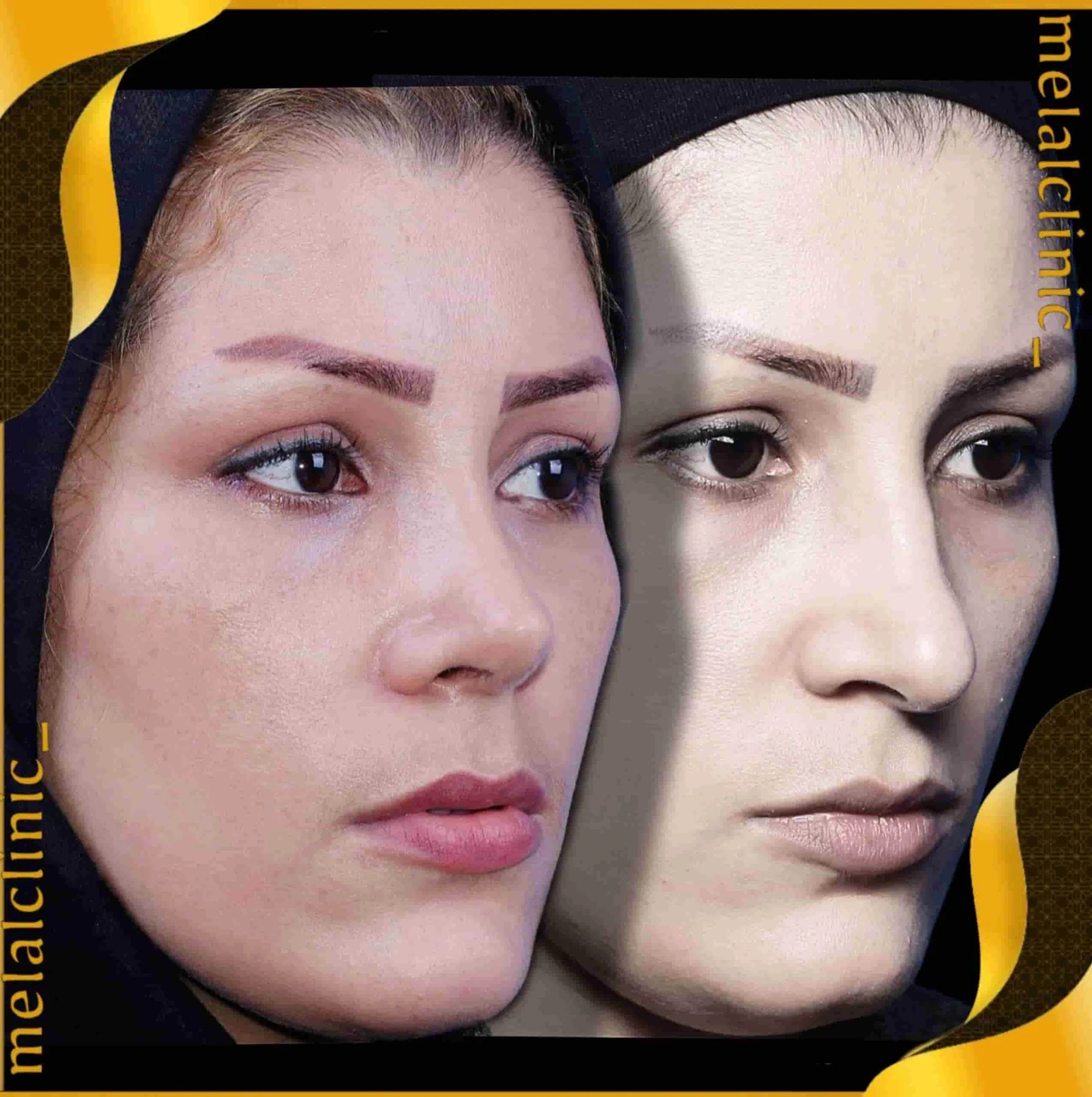
Original gallery · Source image
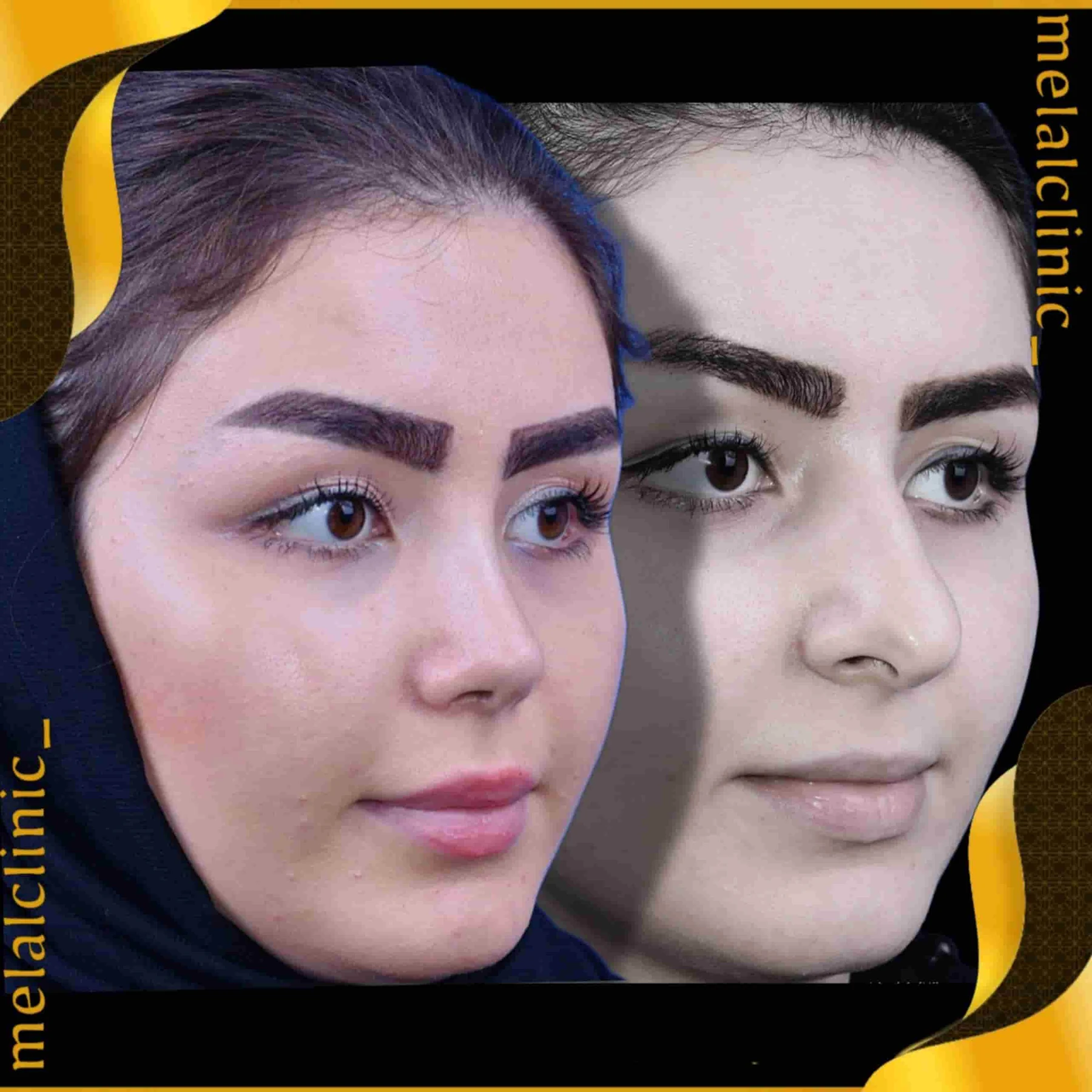
Original gallery · Source image
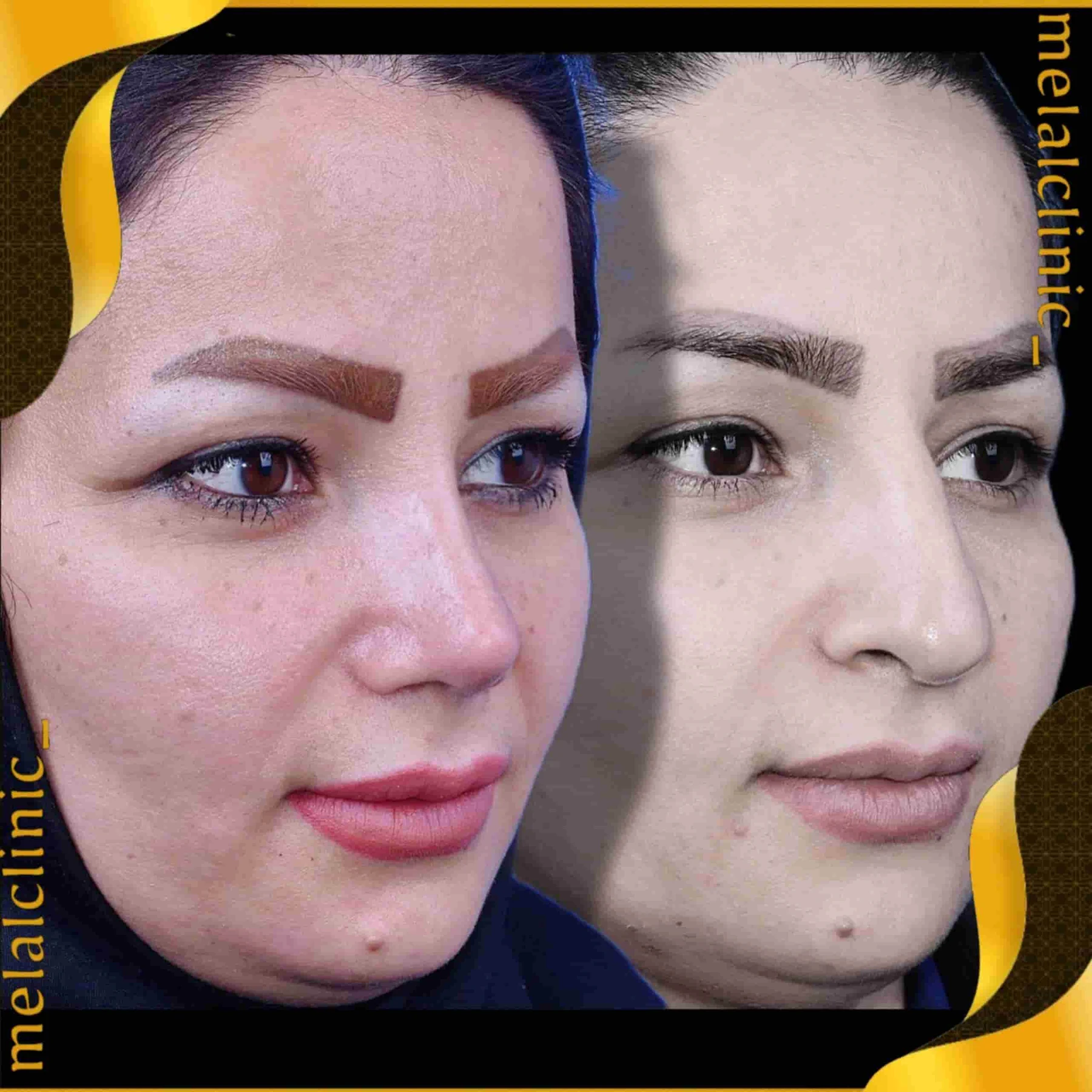
Original gallery · Source image
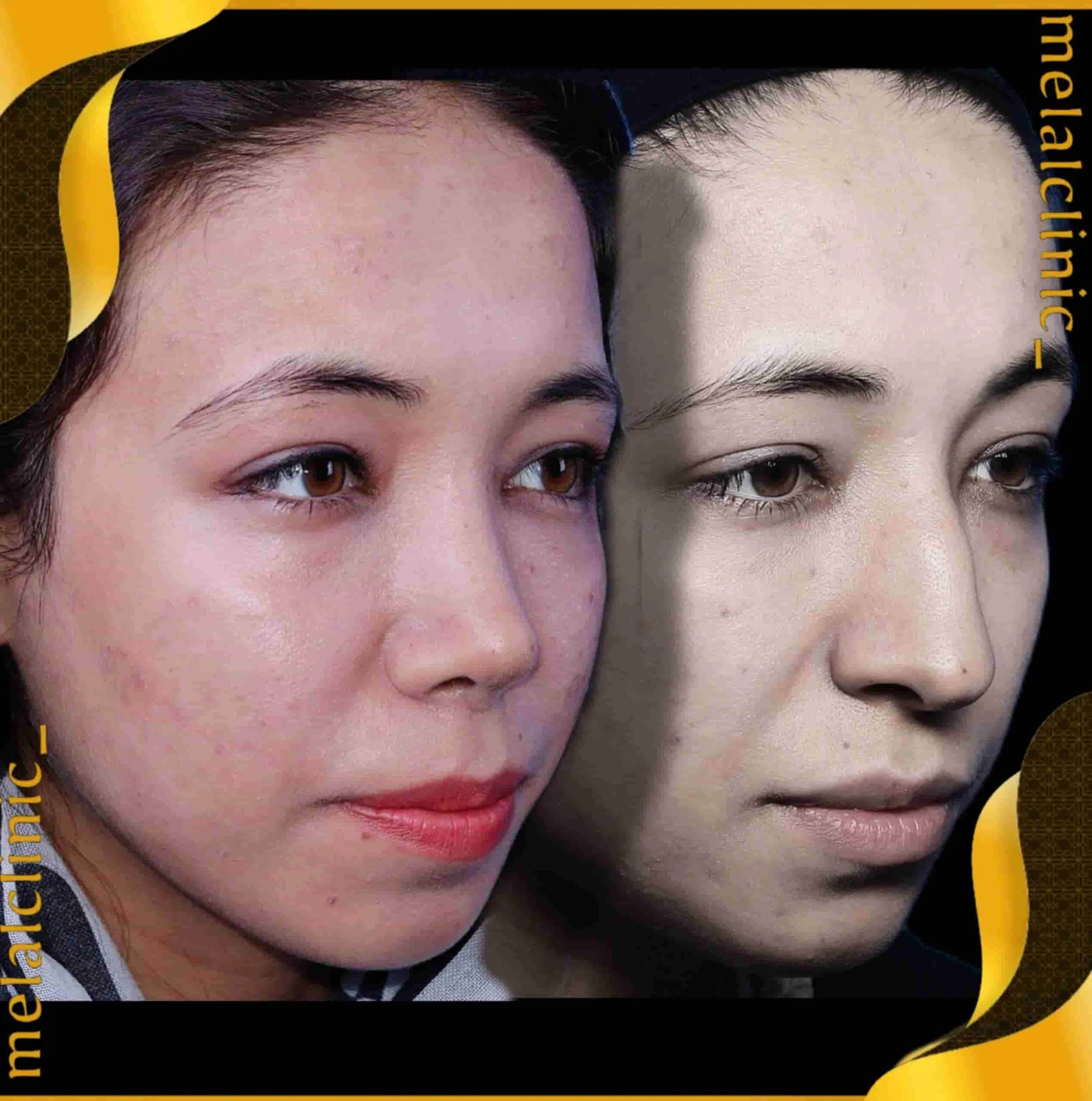
Original gallery · Source image
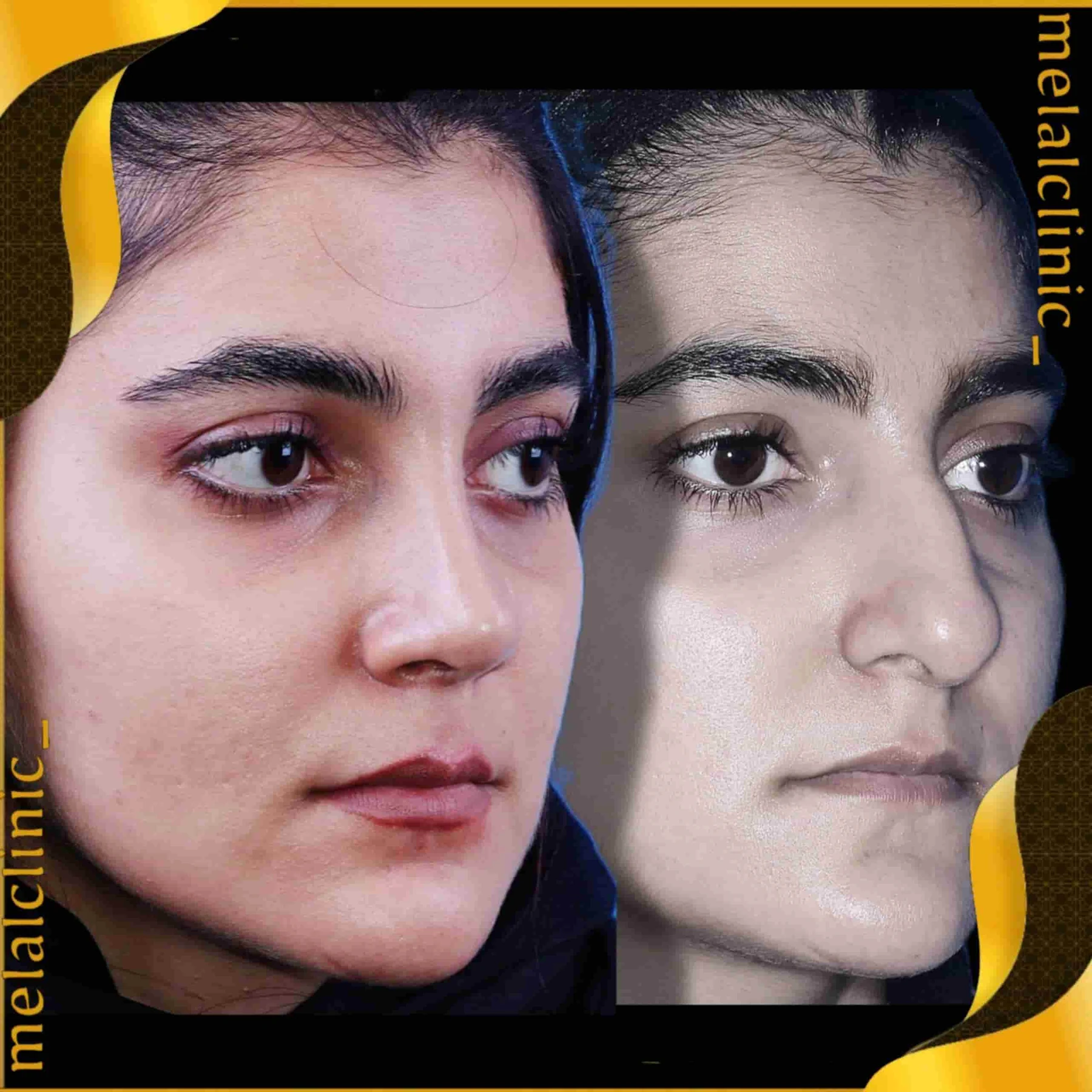
Original gallery · Source image

Original gallery · Source image
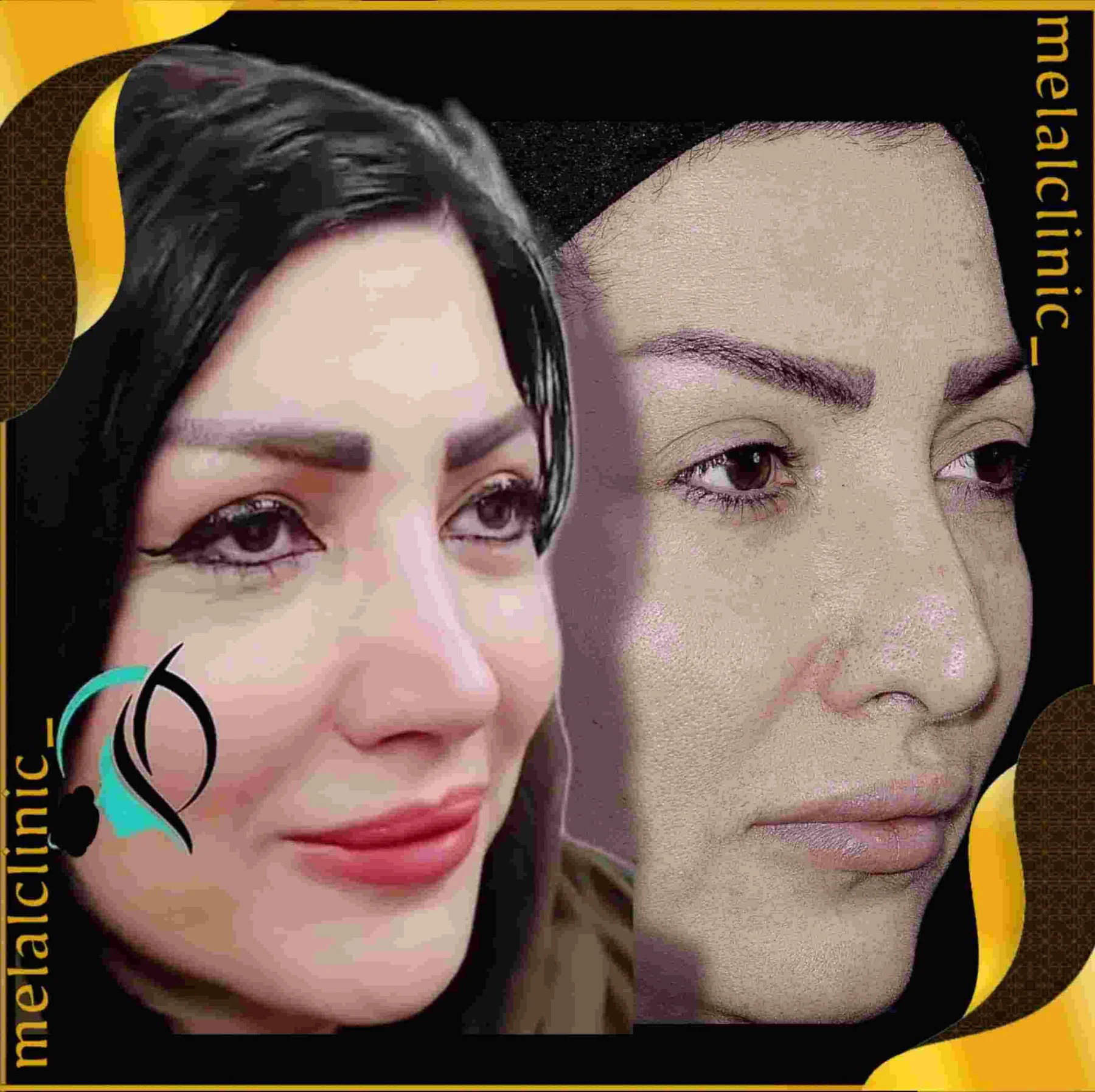
Original gallery · Source image
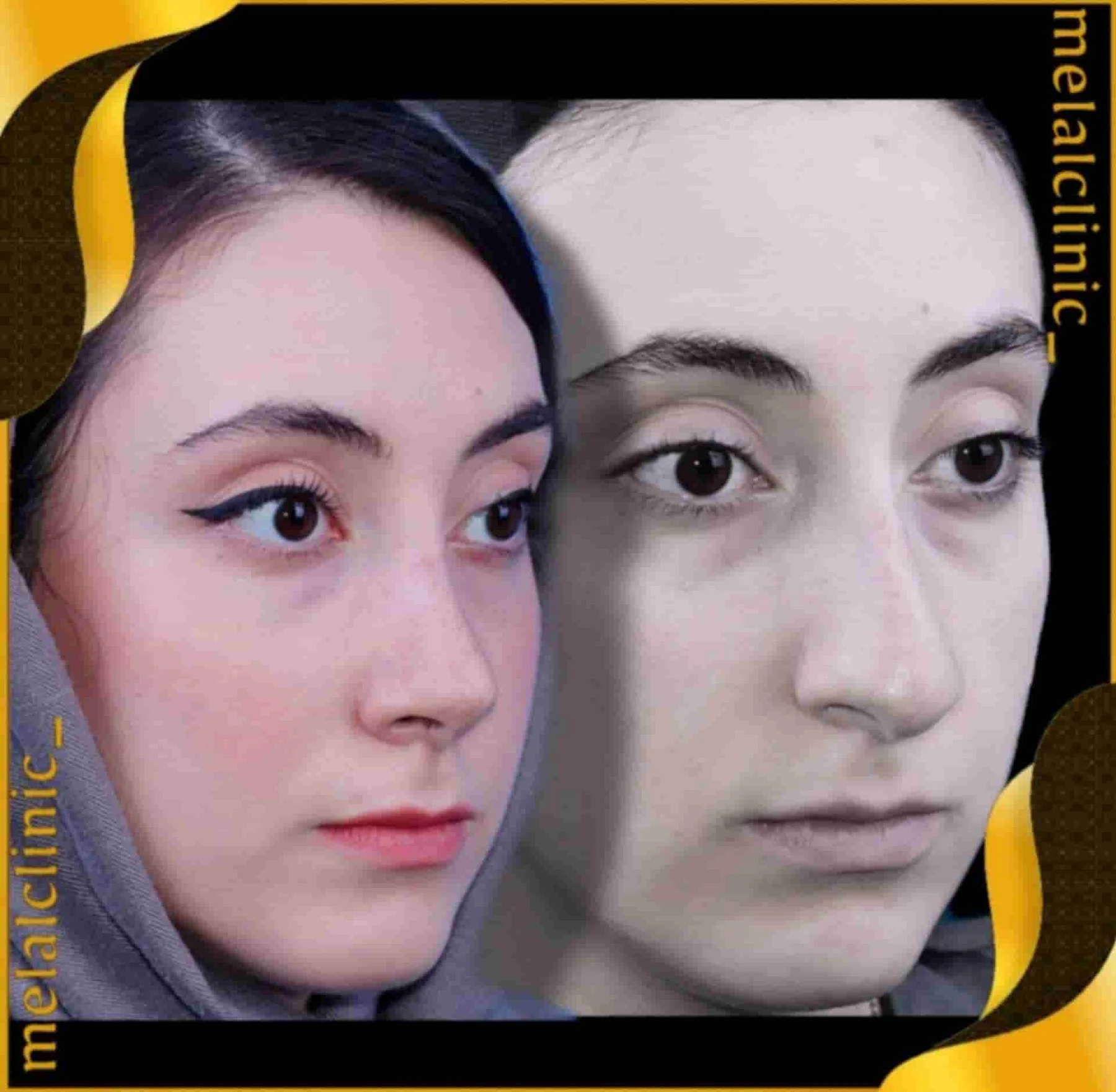
Original gallery · Source image
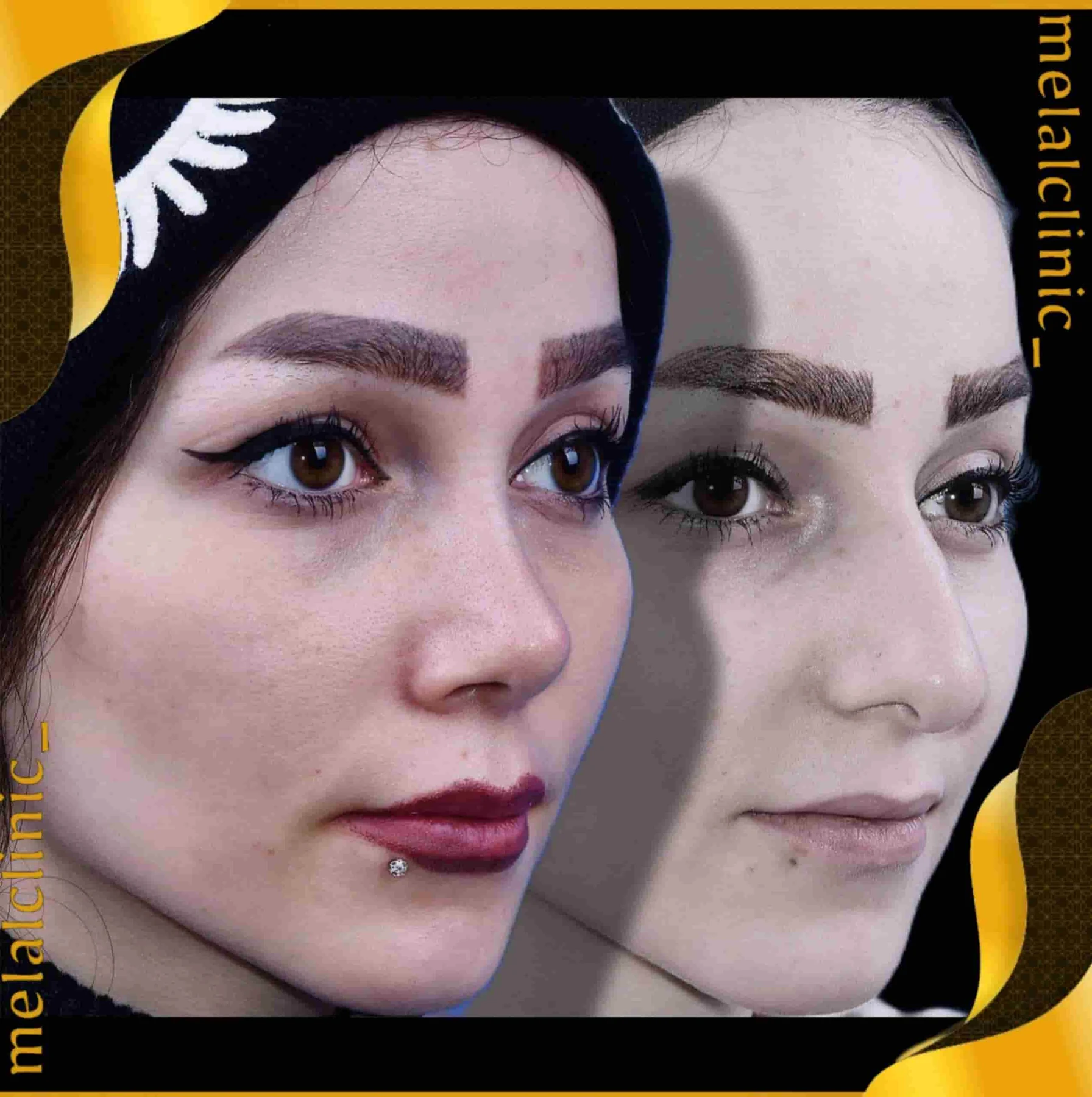
Original gallery · Source image
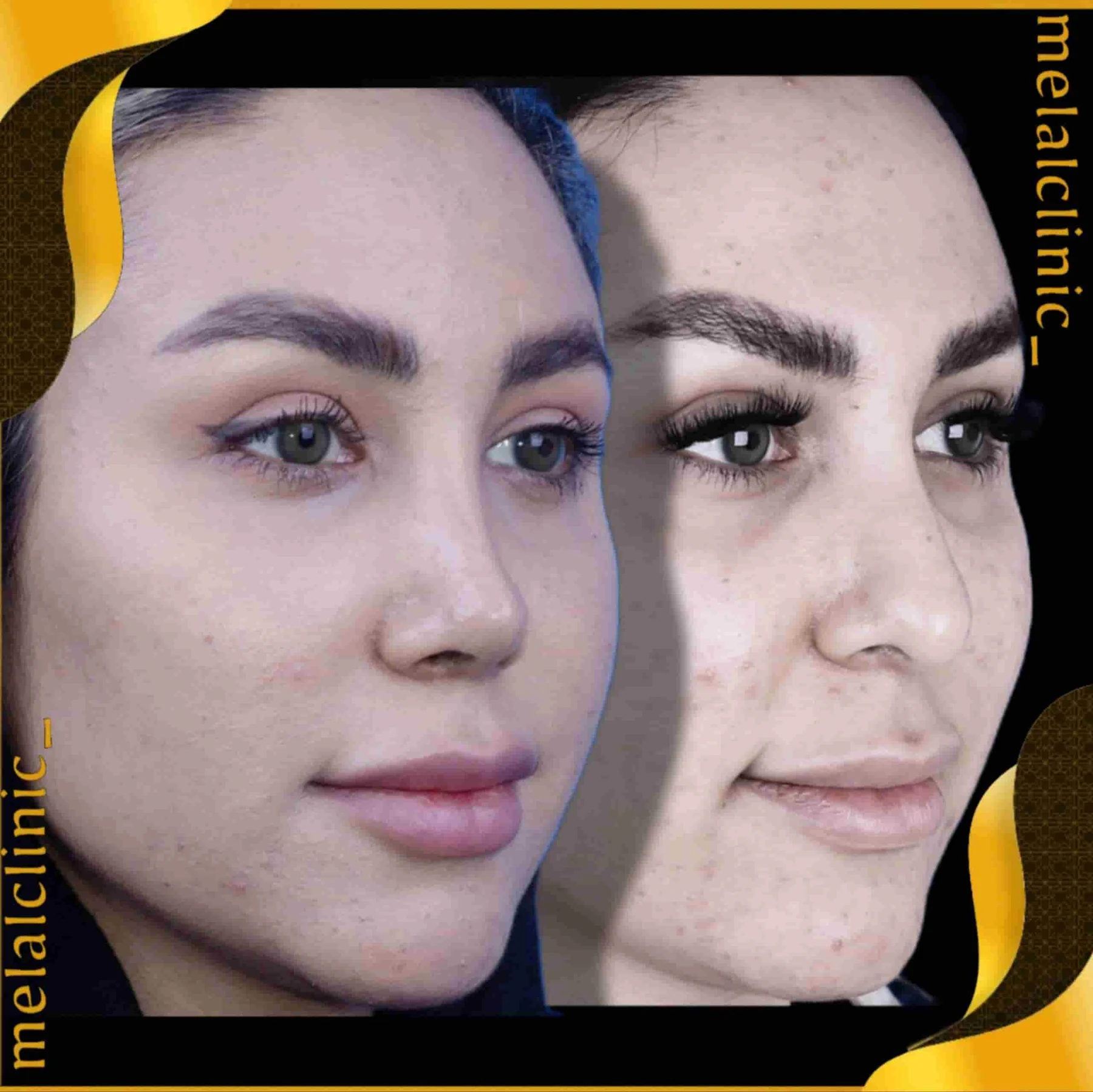
Original gallery · Source image
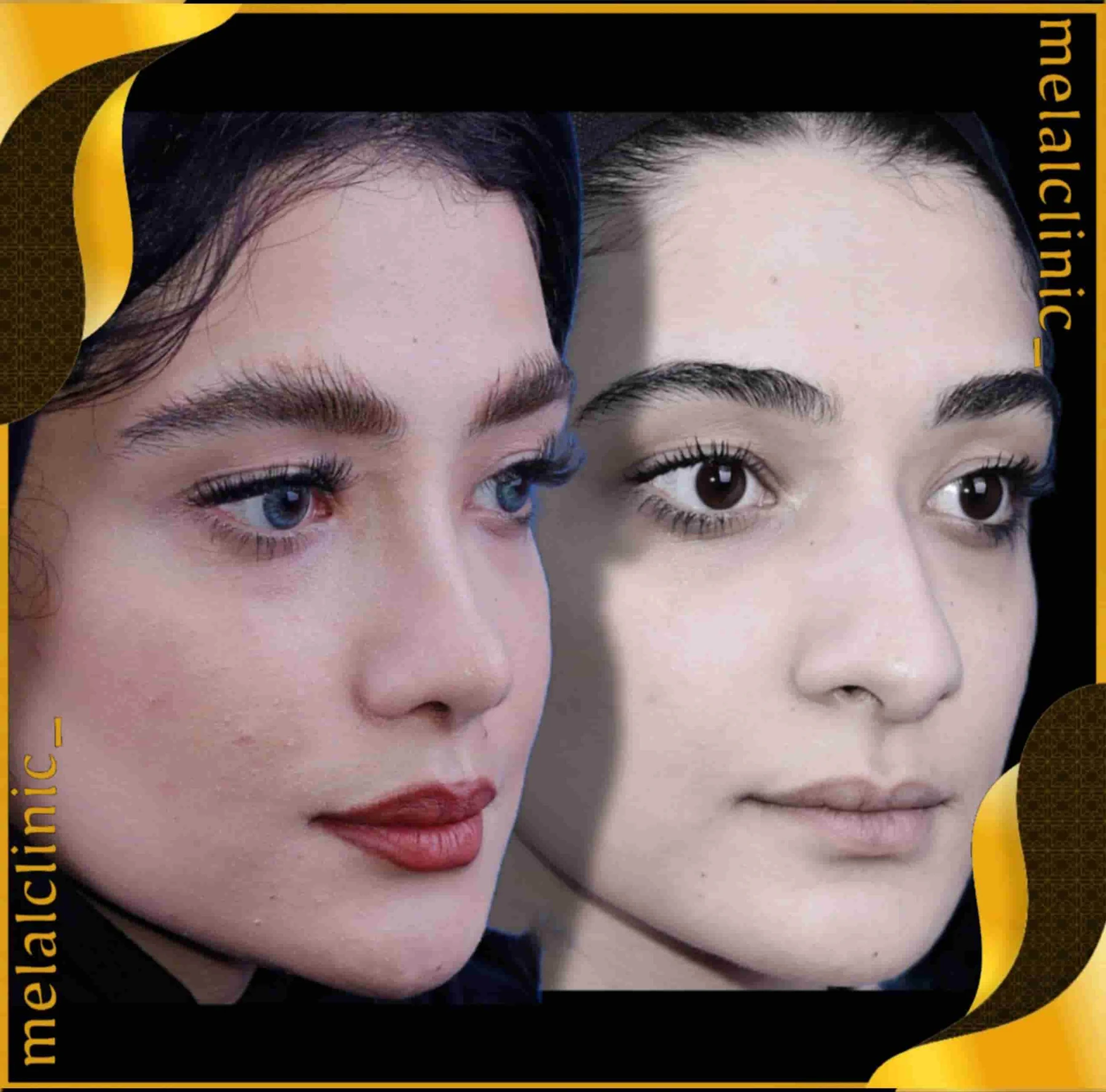
Original gallery · Source image
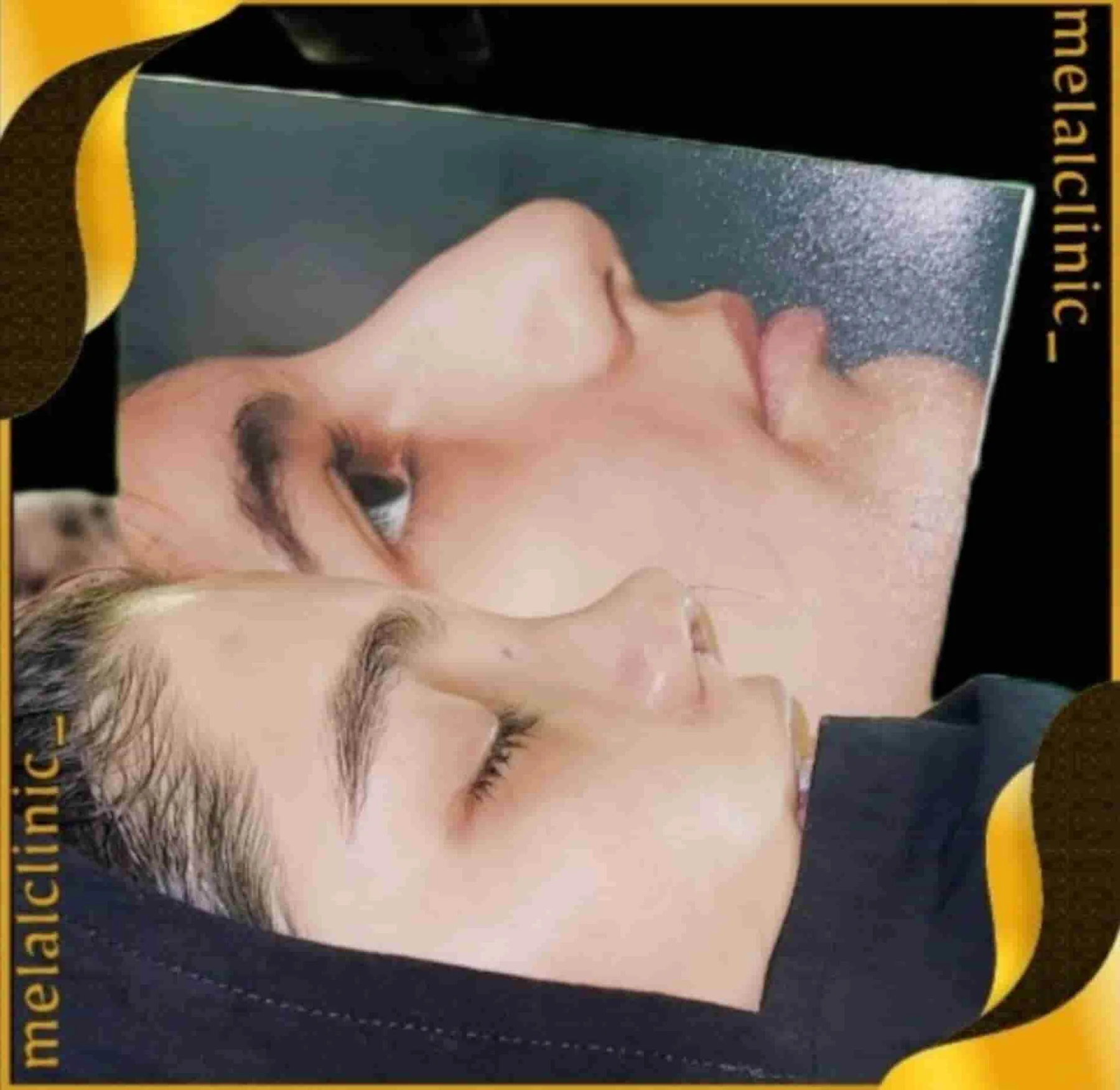
Original gallery · Source image
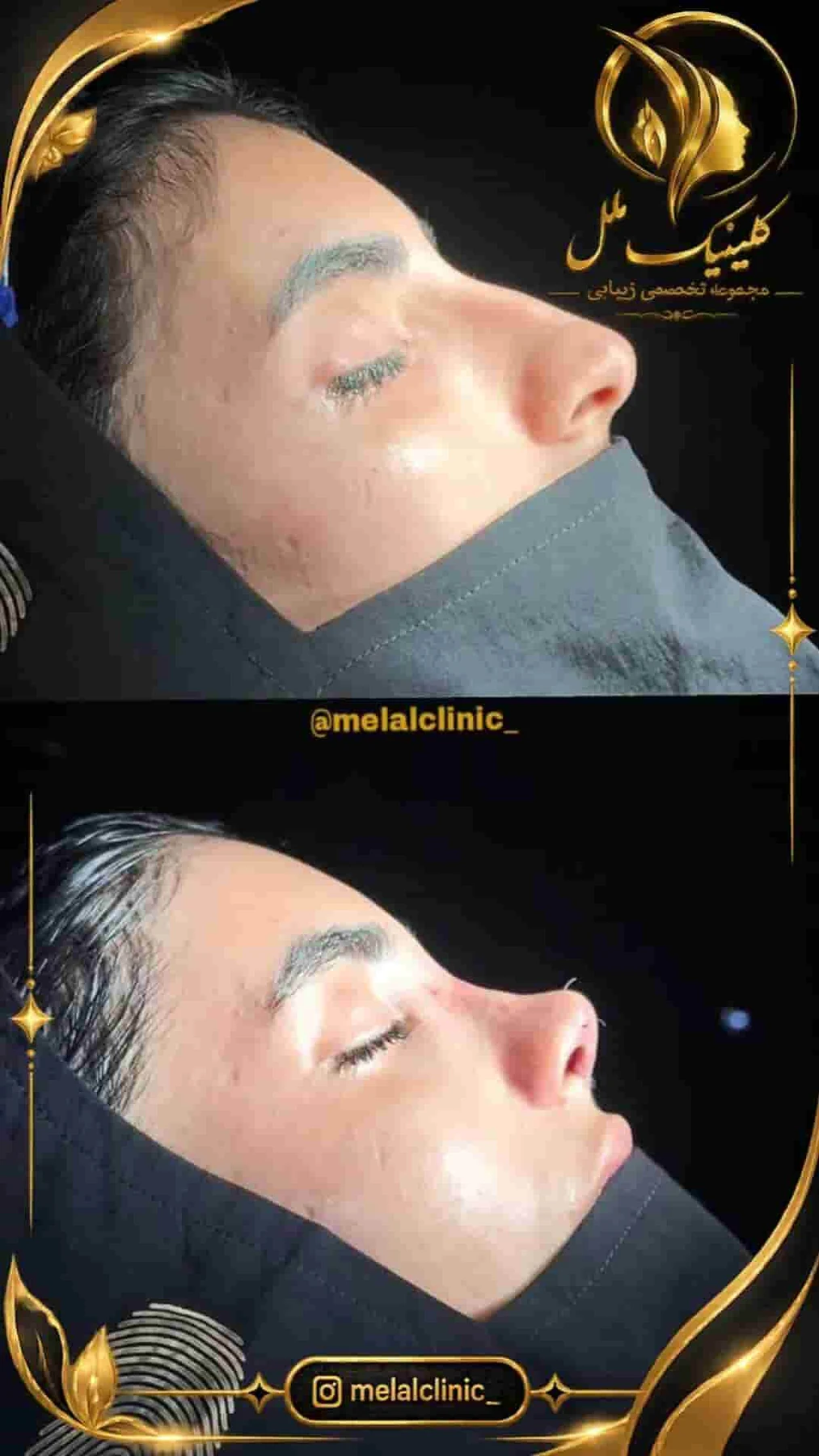
Original gallery · Source image
Dr Hooman Farhang Majd: 5 comparison images
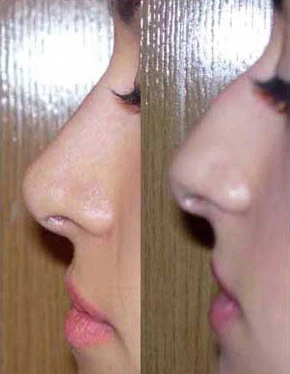
Original gallery · Source image
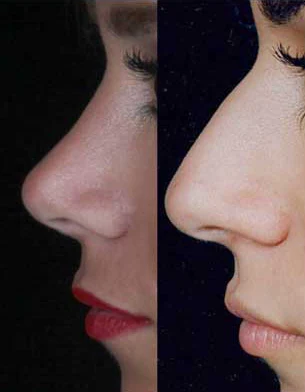
Original gallery · Source image
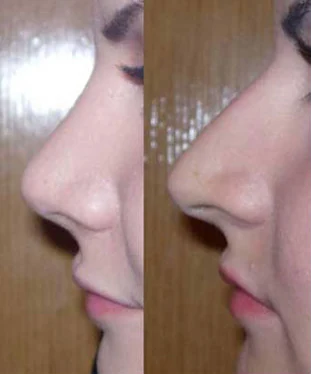
Original gallery · Source image
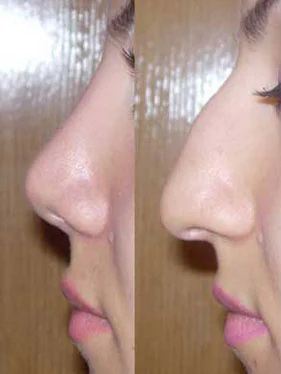
Original gallery · Source image
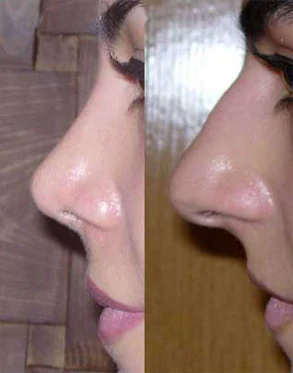
Original gallery · Source image
Dr Farshid Achak: 3 comparison images
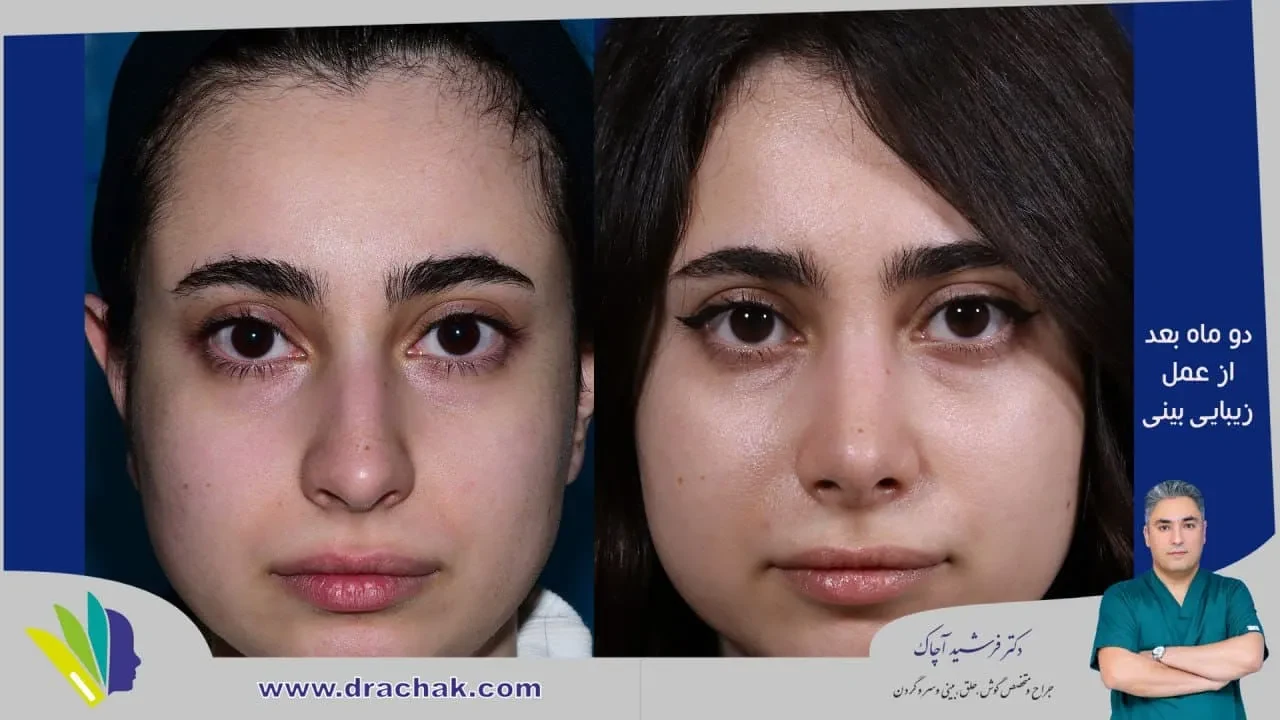
Original gallery · Source image
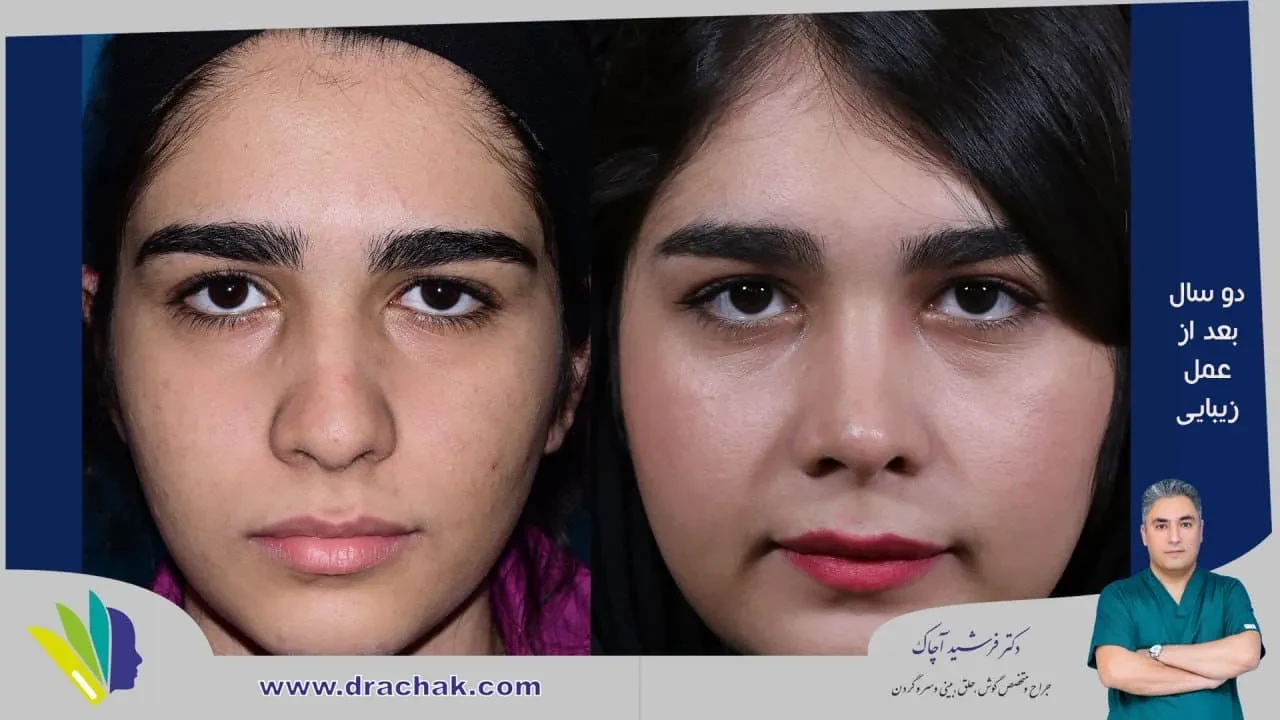
Original gallery · Source image
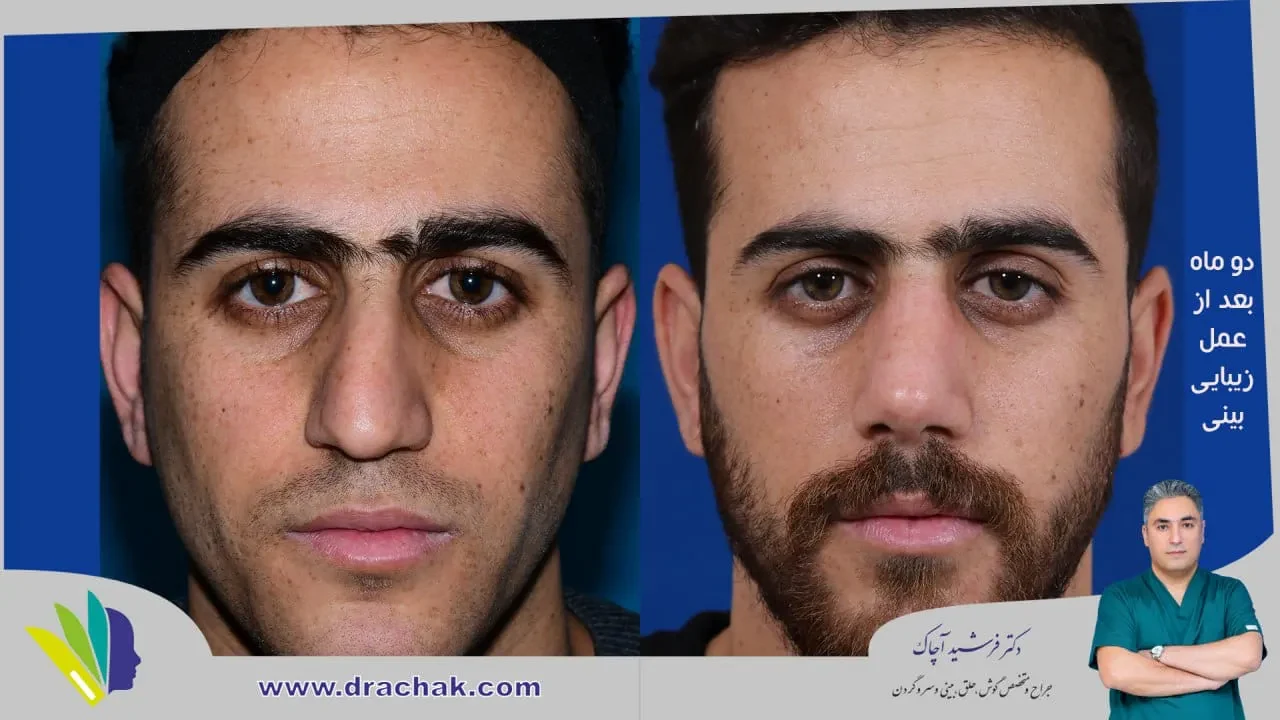
Original gallery · Source image
Explore more rhinoplasty results All Hamintour results and videos
How to plan your surgery before booking
Prepare three things: your health and prior-surgery history, clear photographs and a short list of appearance and breathing goals. Request the surgeon’s identity and registration details, facility name, proposed approach, recovery plan and an itemized USD quotation. Compare exclusions, cancellation terms and the cost of extra care. Then check passport-specific entry rules, official travel advice, insurance and return-flight flexibility. The CDC medical-tourism guide recommends planning for records and continuity of care before travel. Do not make a non-refundable booking until the clinical and travel questions are answered.
A realistic journey from first message to home
| Stage | Your part | Who makes the decision |
|---|---|---|
| Initial inquiry | Describe your goal, prior surgery, breathing symptoms, health history and travel constraints. Share photographs only through a channel you trust. | Hamintour can route the inquiry; a clinician decides what further medical information is required. |
| Clinical review | Discuss feasible changes, alternatives, limitations, risks and whether surgery should be delayed or declined. | The licensed surgeon and relevant treatment team. |
| Written plan and quote | Check the named surgeon, facility, expected stay, every included service, exclusions, cancellation terms and payment method. | Clinical plan: treating team. Travel coordination: Hamintour and service providers. |
| Travel checks | Confirm entry requirements for your passport, official travel advice, flights, insurance and who can accompany you. | Government authorities decide entry. Insurers decide coverage. Your clinician advises on medical fitness. |
| In-person assessment | Meet the surgeon, repeat the key questions and confirm consent before the procedure. | Surgeon, anesthetist and licensed facility. |
| Recovery and departure | Attend scheduled checks, receive records and get explicit advice on flying and urgent symptoms. | Treating team determines discharge and fitness to travel. |
| Follow-up at home | Keep records and contact details; arrange local clinical care if needed. | Your treating surgeon and local qualified clinician. |
If your plan changes after the face-to-face examination, leave room in your itinerary for that. A medical trip should not depend on surgery occurring on one fixed day regardless of clinical findings. Avoid scheduling sightseeing around the first recovery days; the CDC cautions that strenuous activity, sun exposure and other holiday activities can interfere with healing after treatment abroad.
An illustrative day-by-day plan after arrival
This is a scheduling example, not a medical timetable or promise that surgery will proceed. Your surgeon and facility set the sequence after examination.
| When | Possible activity | Decision point |
|---|---|---|
| Arrival day | Transfer to accommodation, rest, confirm the appointment and emergency contact. | Do not treat a flight arrival as clinical clearance. |
| Next available clinic day | In-person consultation and any tests the team orders. | Surgeon and anesthetist review suitability and consent. |
| Procedure day, if cleared | Surgery and observation at the named facility. | The treating team determines discharge. |
| Following days | Rest and attend scheduled checks; report concerning symptoms promptly. | Recovery may require more time or care. |
| Departure day | Collect records, instructions and contacts; travel only after clinical advice. | Fitness to fly is individual. |
Recovery is part of the treatment plan
Expect swelling and some bruising. A nasal splint or dressing is commonly used, and breathing through the nose may feel difficult at first. The NHS says patients may need up to two weeks away from work and that the appearance continues to change for months. Its general recovery milestones are guides, not instructions for your individual case. Follow your surgeon’s written advice on cleaning, medication, sleep position, exercise, glasses and when to return for review. NHS rhinoplasty recovery guidance gives a useful overview.
Do not book your return flight for the first possible day simply because a package advertises a short stay. The CDC Yellow Book cites a recommendation to wait 7–10 days after facial or nose cosmetic procedures before flying, and it notes that surgery plus prolonged travel may raise blood-clot risk. That is a general reference, not clearance to fly on day seven. Your surgeon must assess healing and any complications; your airline and insurer may have additional rules.
Leave enough time for the surgeon to remove or check the splint when appropriate, examine healing and answer questions before you depart. Ask what to do if your flight is delayed or your departure must be postponed for medical reasons. Keep the hospital address, local emergency instructions and your surgeon’s contact details somewhere you can access without internet. If you travel with someone, make sure that person also knows whom to call. These arrangements can feel mundane when you are comparing photographs, but they matter more if you become unwell.
Before discharge, request an operative note or procedure summary, medicines list, relevant test results, instructions for urgent symptoms and a direct clinical contact. Ask for an English copy if the originals are in Persian. Let a local doctor know what procedure you had if you need assessment after returning home. The CDC specifically recommends taking overseas medical records back to your own clinicians.
Risks worth discussing plainly
Rhinoplasty is surgery, and complications can occur in any country. The American Society of Plastic Surgeons lists anesthesia risks, infection, breathing difficulty, altered sensation, poor healing or scarring, swelling, an appearance you do not like and the possibility of further surgery. Some structural complications are rare but serious. Ask how your surgeon weighs these risks for your anatomy and health history, and who treats a problem after hours.
Seek prompt medical help for symptoms your treating team identifies as urgent. Ask them before surgery which changes in bleeding, pain, fever, breathing, chest symptoms or leg swelling require emergency care and where to go. Do not rely on a travel coordinator or a messaging app for diagnosis. A coordinator can help you contact the correct clinician and share records, but a licensed medical professional must assess symptoms and treatment.
Revision surgery cannot be promised as a simple fix. If a result disappoints you, the surgeon may recommend waiting for swelling and tissue changes to settle before deciding what, if anything, can be revised. Discuss the clinical timeline, costs and who pays for further care before the first operation.
Security in Iran: check official advice before you travel
Security conditions and transport availability can change, so a blanket assurance about any Iranian city would be misleading. Read your own government’s Iran travel advice close to booking and departure; the UK government’s Iran page is one official example. Confirm the effect on insurance, flights and your route to the hospital. If official advice or your insurer’s terms make the trip impractical, postpone the plan.
Visa, insurance and practical travel
Use the Iranian Ministry of Foreign Affairs eVisa portal to check the application process and visa category, then confirm requirements with the relevant Iranian embassy or consulate. Rules vary by nationality and purpose of visit, and an online application is a step in the process rather than a guarantee of entry. The official portal also sets out passport-validity and eligibility considerations.
Ask your insurer in writing whether planned surgery abroad, complications, evacuation and travel against official advice are covered. Ordinary travel insurance should not be assumed to cover elective care.
Confirm how you will pay the hospital, what currency it will accept and whether your bank cards will work. Arrange accommodation near the treating facility, a reliable route to follow-up visits and a way for the hospital to reach you. If you need translation, request an interpreter for the consent conversation as well as routine appointments. Your consent should reflect what you understand, not merely a signed form.
About Hamintour Medical
Hamintour Medical Tourism is a coordination platform for international patients considering care in Iran. It helps people identify possible clinicians and facilities, communicate with providers and organize the practical parts of a medical trip. Hamintour is not a hospital, clinic, doctor’s office or medical team. It does not diagnose a condition, prescribe medication or perform surgery. Clinical advice, consent, treatment and discharge decisions remain with the licensed treating professionals and facility.
That separation matters in rhinoplasty. Our role is to make the options and logistics easier to understand; your surgeon’s role is to decide whether an operation is appropriate and to explain its benefits and risks for your case. You should feel free to compare providers, ask for documents and decline a proposed plan. The goal is an informed decision, including the option not to proceed.
Hamintour Medical services and a comprehensive coordination package
Ask which services are included, optional or billed separately. Hamintour coordinates the itinerary; the named clinician and facility deliver medical care.
Before you book
We can help route your history and images to relevant specialists, coordinate consultations, gather written quotations and clarify which services are included. We can help you compare the practical implications of several options.
During your stay
At your request, we can coordinate flights, suitable accommodation, airport arrival, local transport, interpreters and appointment schedules. Tests and imaging are organized only when ordered by the treating clinician.
After treatment
We can help you keep track of scheduled visits and reconnect with your surgeon or facility after you return home. New or urgent symptoms need direct assessment by qualified medical professionals.
Read more in the Hamintour medical magazine, or send a question about your case through the form above. If you prefer a message, contact Hamintour on WhatsApp. Avoid sending sensitive records through a channel you do not trust; ask how your information will be handled first. For a different treatment journey with a different recovery pattern, see the hair transplant guide. Compare each procedure on its own clinical merits.
Questions patients ask before deciding
How much does rhinoplasty in Iran cost in US dollars?
There is no single national price for an international patient. Public hospital examples on this page show $1,500, $1,750 and $2,000, with different scope and locations. A current, personal quote should identify the surgeon, facility and all included and excluded costs.
Is Tehran the only city to consider?
No. Tehran gives you several facilities to compare, but a good choice depends on the named surgeon, appropriate facility, aftercare and practical travel. The public price examples above come from hospitals in Mashhad and Yazd; they should not be interpreted as Tehran prices.
Can I choose a surgeon from before-and-after photos alone?
No. Photographs are useful for discussing style and similar anatomy, but they cannot verify medical credentials, safety arrangements or your likely outcome. Request a direct consultation, professional registration details and the full care plan.
Will rhinoplasty improve my breathing?
Only a clinician’s examination can establish the cause of a breathing problem. Some operations include functional nasal work, but an appearance-focused procedure should not be assumed to correct an airway issue. Raise breathing symptoms at the first consultation.
When can I fly home?
There is no universal clearance date. CDC guidance cites a 7–10 day wait after cosmetic facial or nose procedures as a general recommendation; your surgeon must assess your own recovery, complications and flight plans before you travel.
What if the surgeon advises against surgery after I arrive?
That can happen if an in-person examination changes the assessment. Ask in advance for the provider’s cancellation and refund terms, and leave flexibility in your itinerary. Medical judgment must come before the travel schedule.
What should I take home after surgery?
Request an operative summary, discharge instructions, medication list, test results if relevant, follow-up plan and emergency contact. Ask for English versions where possible and share them with a local clinician if you need care after returning.
Does Hamintour perform the operation?
No. Hamintour Medical coordinates introductions, communication and travel support. Diagnosis, informed consent, surgery, prescribing and clinical follow-up belong to the licensed surgeon and treatment facility.
Sources and further reading
The medical and travel references below provide general guidance. Individual eligibility, current prices, entry rules and official travel advice should be checked again before booking.
- NHS — Nose reshaping (rhinoplasty)
- American Society of Plastic Surgeons — Rhinoplasty risks and safety
- CDC Yellow Book — Medical tourism
- Iran Medical Council — official professional body
- Iranian Ministry of Foreign Affairs — eVisa portal
- UK government — Iran travel advice
- Mehr Hospital — published medical-tourism price list
- Mortaz Hospital — rhinoplasty package examples
