Hair Transplant in Iran
A practical guide to scalp, women’s, beard and eyebrow transplantation: what the surgery can do, what it cannot promise, how to compare clinics, and how to plan a safer treatment trip.
Start with a diagnosis and a realistic donor-hair assessment. Then compare a written surgical plan, the people who will perform it, the total cost, and the follow-up you can actually access after returning home.
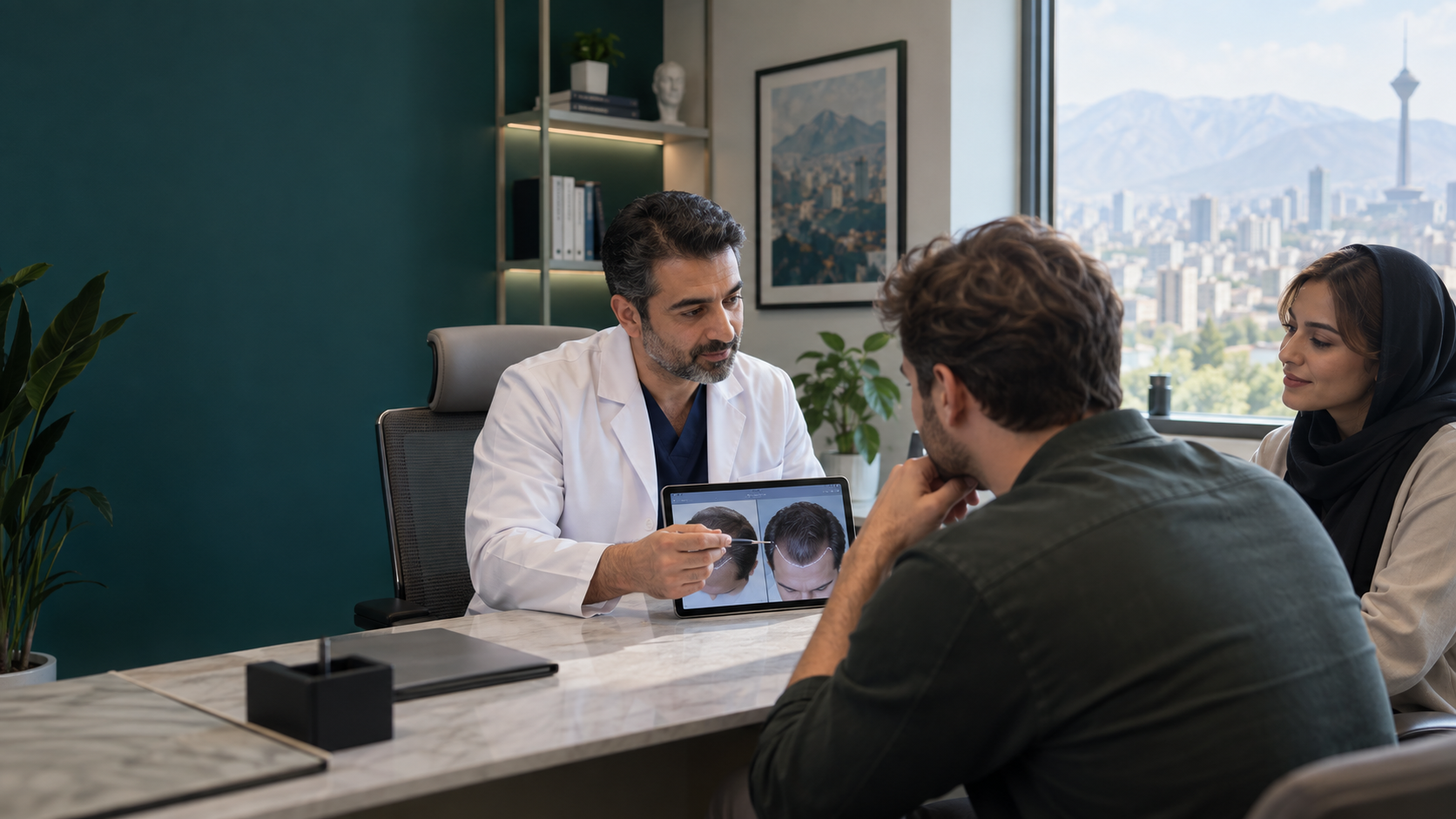
Why do patients consider Iran for hair restoration?
Iran can be a practical option when a patient finds a suitable surgeon, a properly documented treatment facility and a total trip cost that makes sense. Tehran offers a concentrated choice of hair-restoration clinics, international flight connections, accommodation and transport services. Those are reasons to investigate it, not evidence that every clinic provides the same standard or that travel is appropriate for everyone.
For an international patient, the useful comparison is a complete proposal: diagnosis, donor evaluation, surgeon and team roles, graft plan, facility, medicines, accommodation, transport and follow-up. A low advertised figure is only one part of that decision. The CDC’s medical tourism guidance explains why continuity of care and complications abroad should be considered before leaving home. You can explore Hamintour’s broader medical travel service and its Iran medical travel guides separately.
Which city should you choose?
Tehran: the main starting point
Tehran has the widest provider shortlist in this guide and is the most convenient place to compare consultations, clinic details and travel logistics. We focus on Tehran because a visitor can check several plausible options without treating any single brand as a default choice.
Other major cities
Shiraz, Isfahan and Mashhad may be relevant if a specific clinician, trusted family support or a simpler itinerary points there. Compare the named treating professional and follow-up arrangements, not city reputation alone.
Travel conditions first
Visa eligibility, flights, insurance and official security advice may change faster than a web page. Check them before committing money. No clinic or coordinator can guarantee an uneventful trip.
Who may be a good candidate?
A transplant moves follicles from a donor area to a recipient area; it does not create unlimited new hair. The essentials are a diagnosis, sufficient donor supply, stable or manageable hair loss, reasonable expectations and a health assessment. The International Society of Hair Restoration Surgery patient brochure describes why graft numbers and plans differ with the area of loss, donor supply and hair characteristics.
People with diffuse loss, active inflammatory scalp disease, scarring alopecia, an unresolved medical cause or very limited donor hair may need investigation or treatment before any surgery is considered. Age alone is not a sufficient decision rule. A young patient should also discuss how native hair may continue to recede and whether future surgery would be possible. Do not stop prescribed medicines or start supplements to qualify for surgery without asking your own clinician.
Techniques, explained without marketing labels
| Approach | What happens | Questions to ask |
|---|---|---|
| FUE | Follicular units are removed individually from the donor area and implanted in planned recipient sites. | Who performs extraction and implantation? How will donor depletion and multiple small scars be limited? |
| FUT or strip surgery | A strip of donor scalp is removed; follicles are dissected into grafts and implanted. A linear donor scar remains. | Why is FUT preferable in my case? Who closes the donor wound and how will the scar be managed? |
| Implanter-pen or branded variants | These describe instruments or workflow, not a guarantee of better growth or a separate biological source of hair. | What exactly differs from conventional FUE or FUT, and what evidence supports the claim for my situation? |
The NHS procedure guide outlines FUE and FUT. A clinician may use more than one technique over a patient’s lifetime. The label “DHI”, “SUT” or “micrograft” alone tells you less than the actual surgeon’s plan, operating team, donor limits and aftercare.
What happens on procedure day?
The team confirms identity, consent, design and graft plan; prepares the donor and recipient areas; administers local anaesthesia and any other agreed medication; harvests follicles; then creates or fills recipient sites according to the plan. Duration depends on the complexity and team. You should leave with written instructions, medication information, the number of grafts recorded, contact details for urgent concerns and a clear review appointment. The treating surgeon should explain any change in the plan before it happens.
Hair transplantation for women
Women can be candidates for transplant surgery, but the first question is why the hair is thinning. Female pattern hair loss, traction, inflammation, nutritional or hormonal issues and scarring disorders require different responses. The American Academy of Dermatology recommends a dermatologist’s diagnosis because lookalike conditions can be mistaken for female pattern hair loss. Surgery may be unsuitable when loss is diffuse, the donor zone is also thinning or the underlying disease is active.
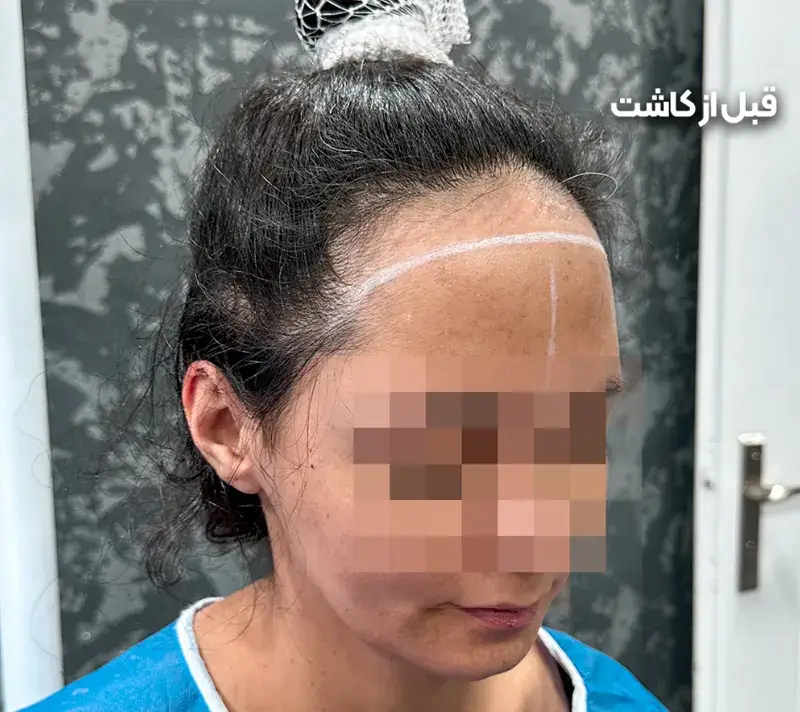
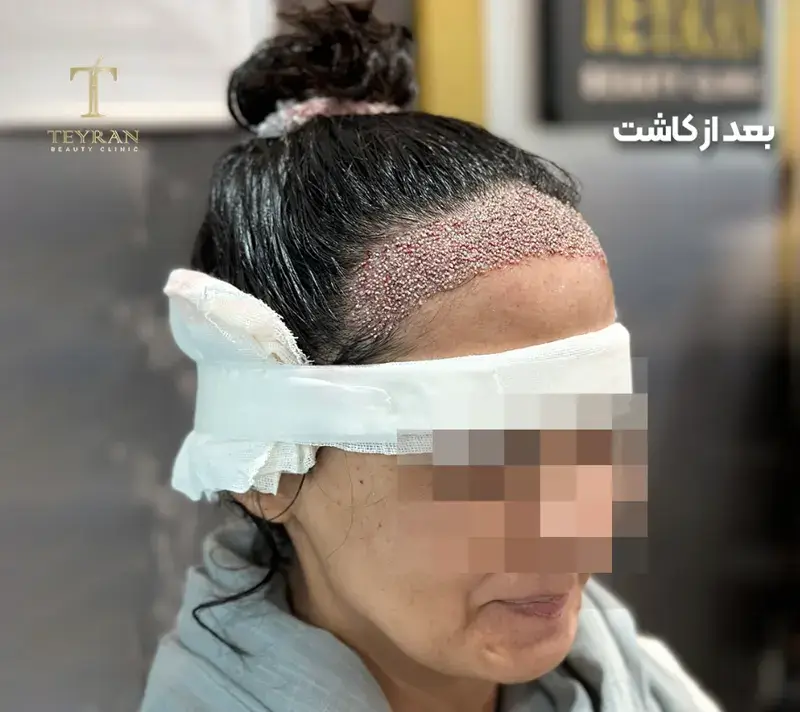
Ask about part-line density, hairline design, donor visibility, whether shaving is necessary and what non-surgical treatment may be needed to protect existing hair. A conservative design can be more valuable than an impressive but unrealistic graft count. There is a separate women’s hair-transplant guide and a women’s results collection on Hamintour. The gallery below includes provider-published female scalp cases and eyebrow examples; it does not imply identical outcomes for all women.
Eyebrow transplantation
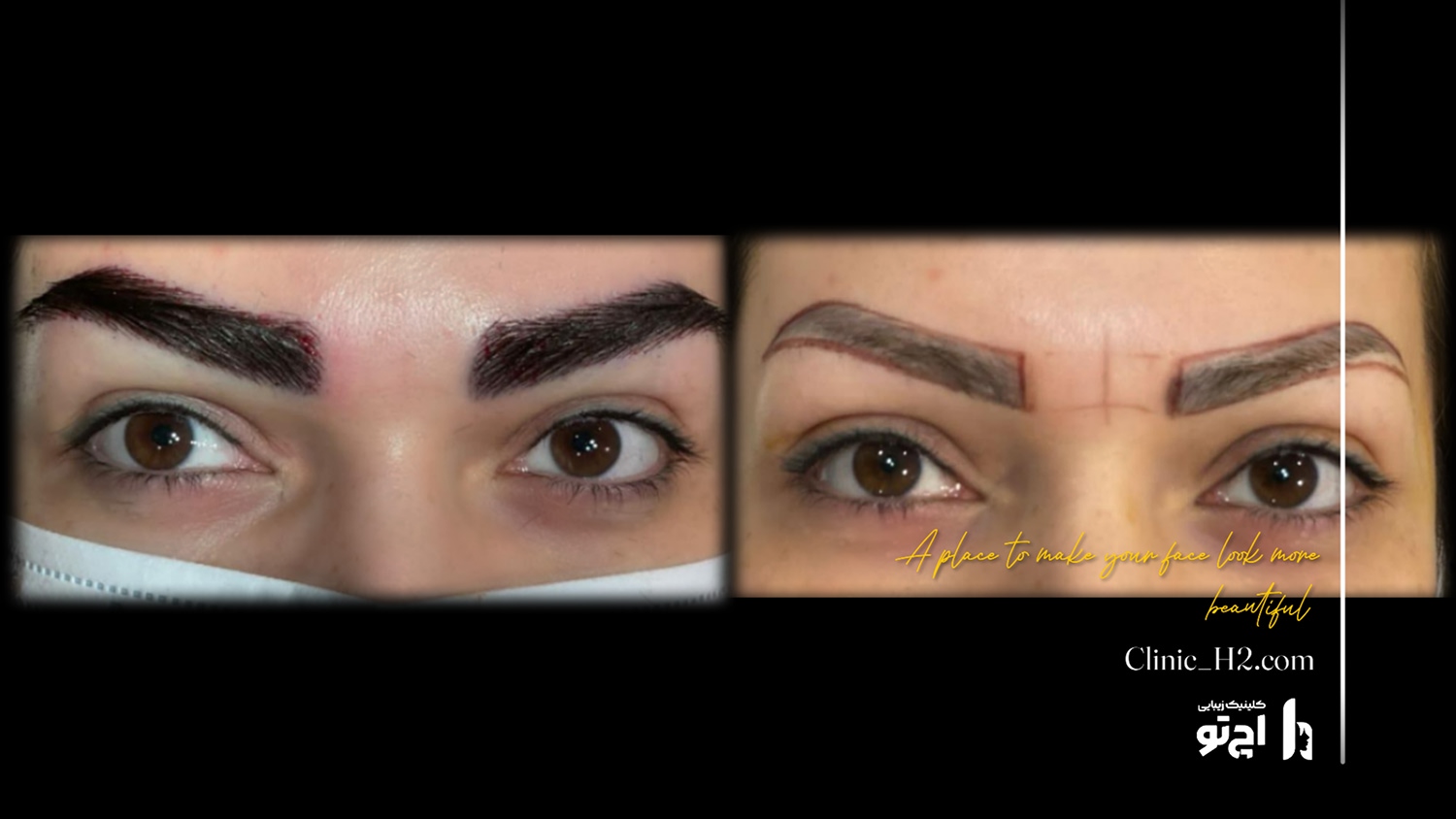
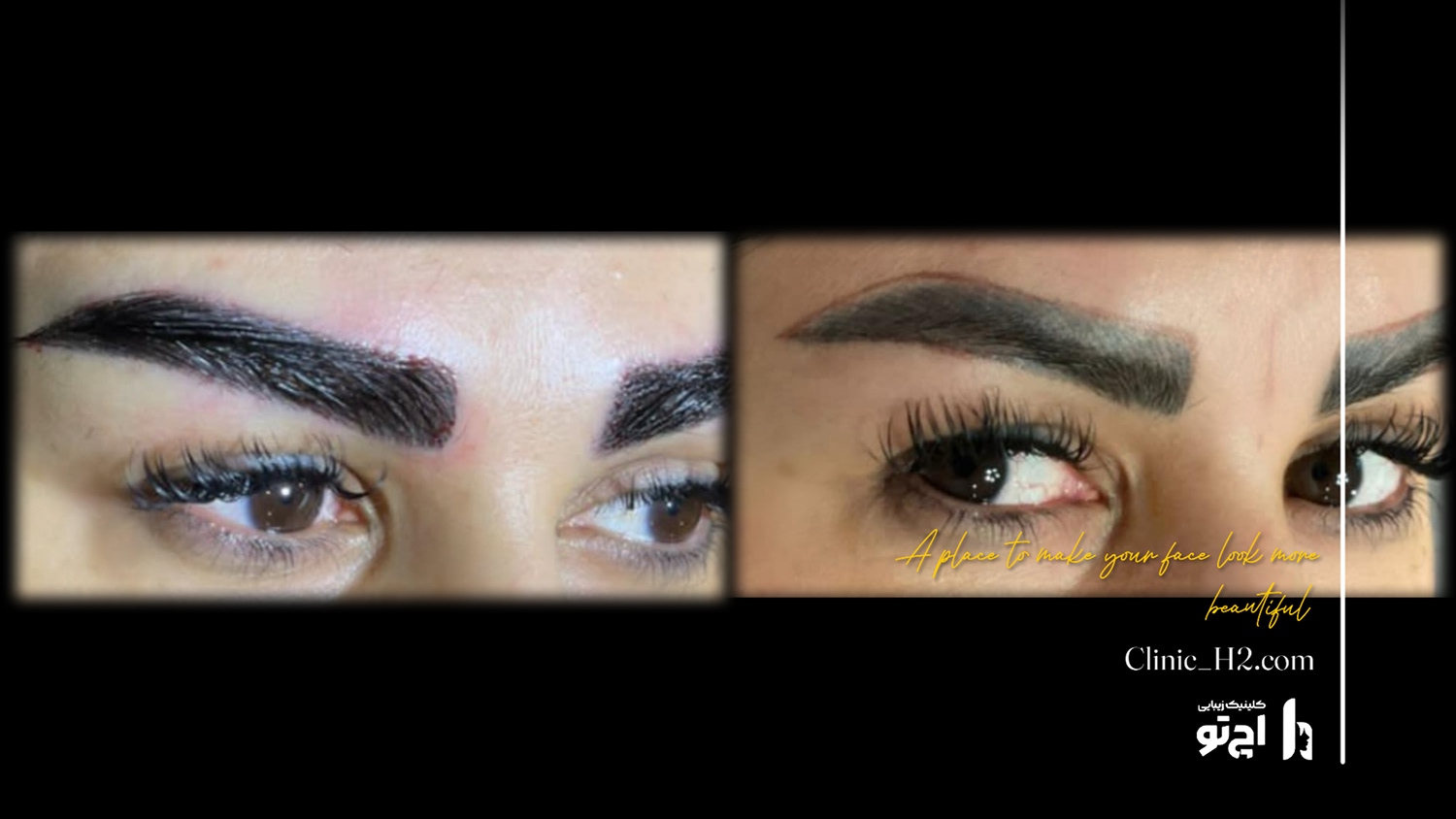
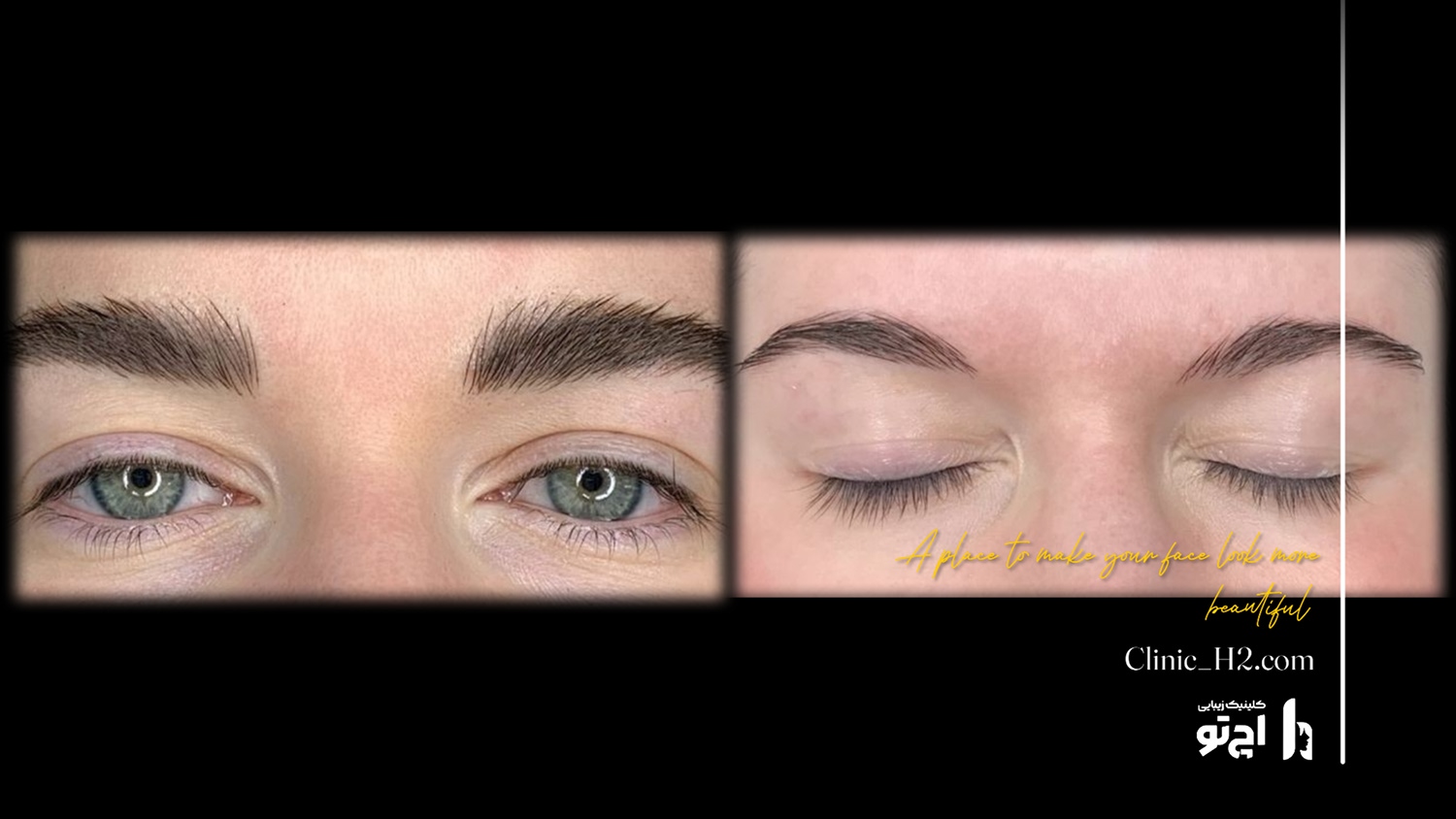
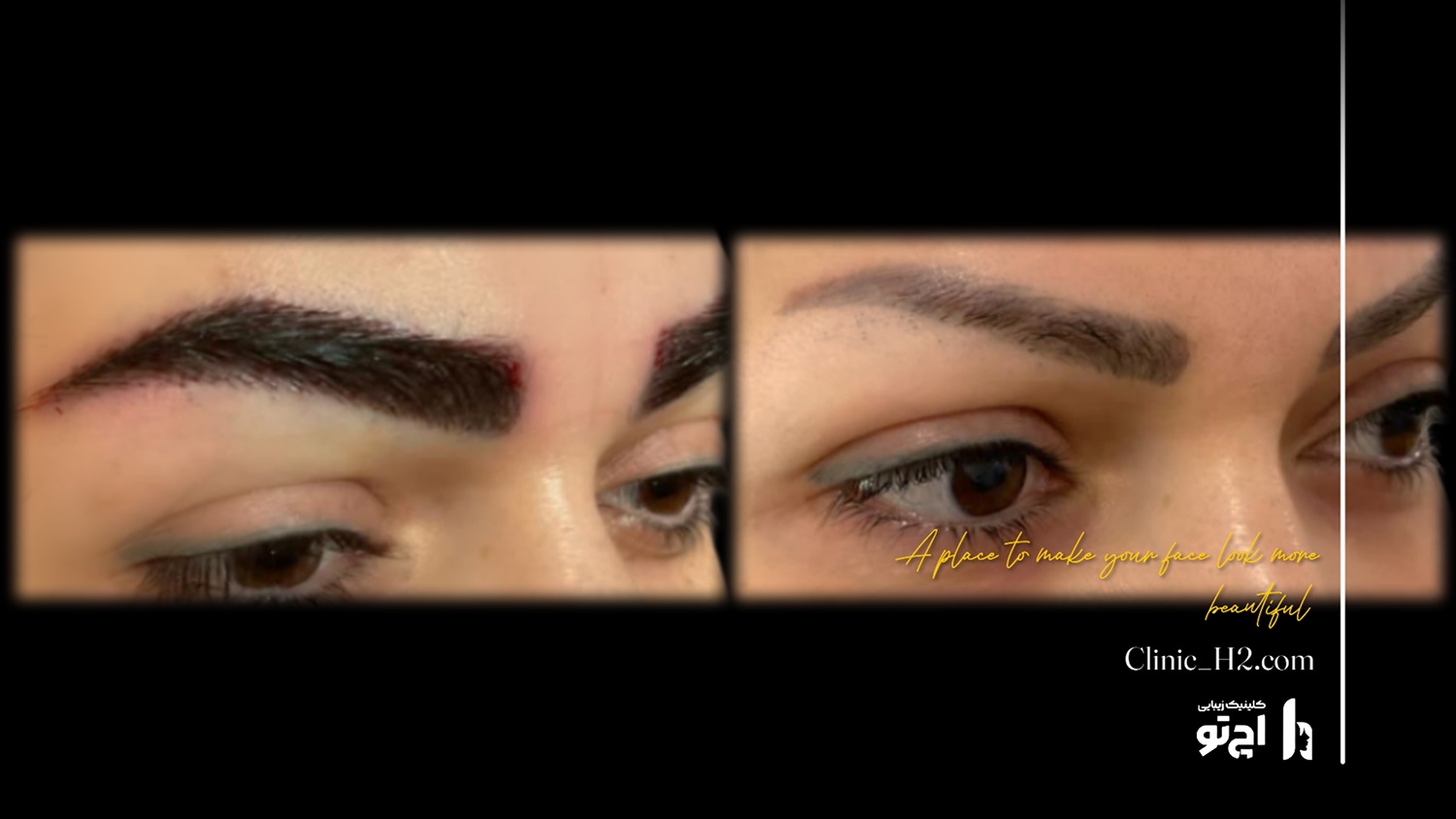
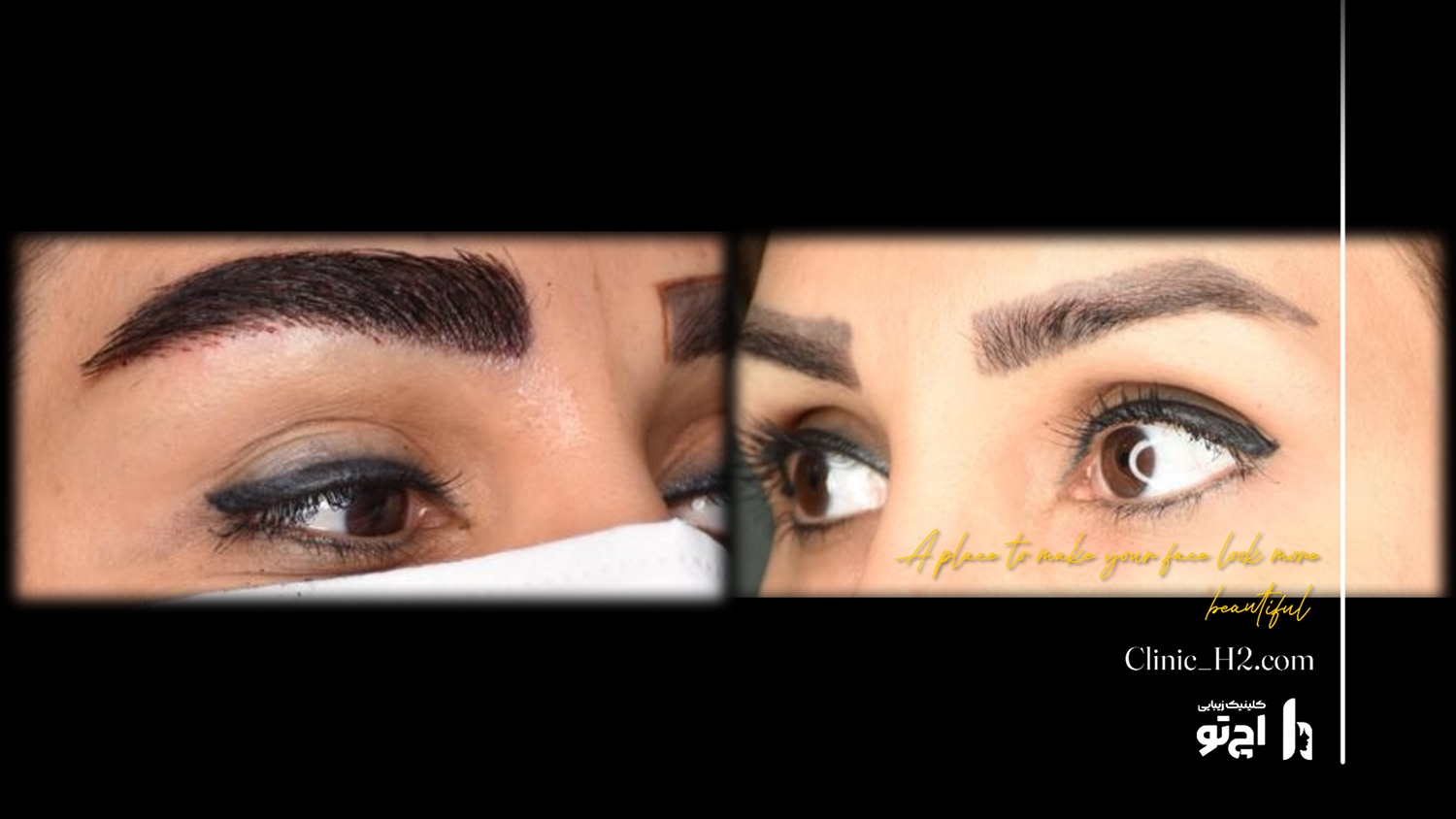
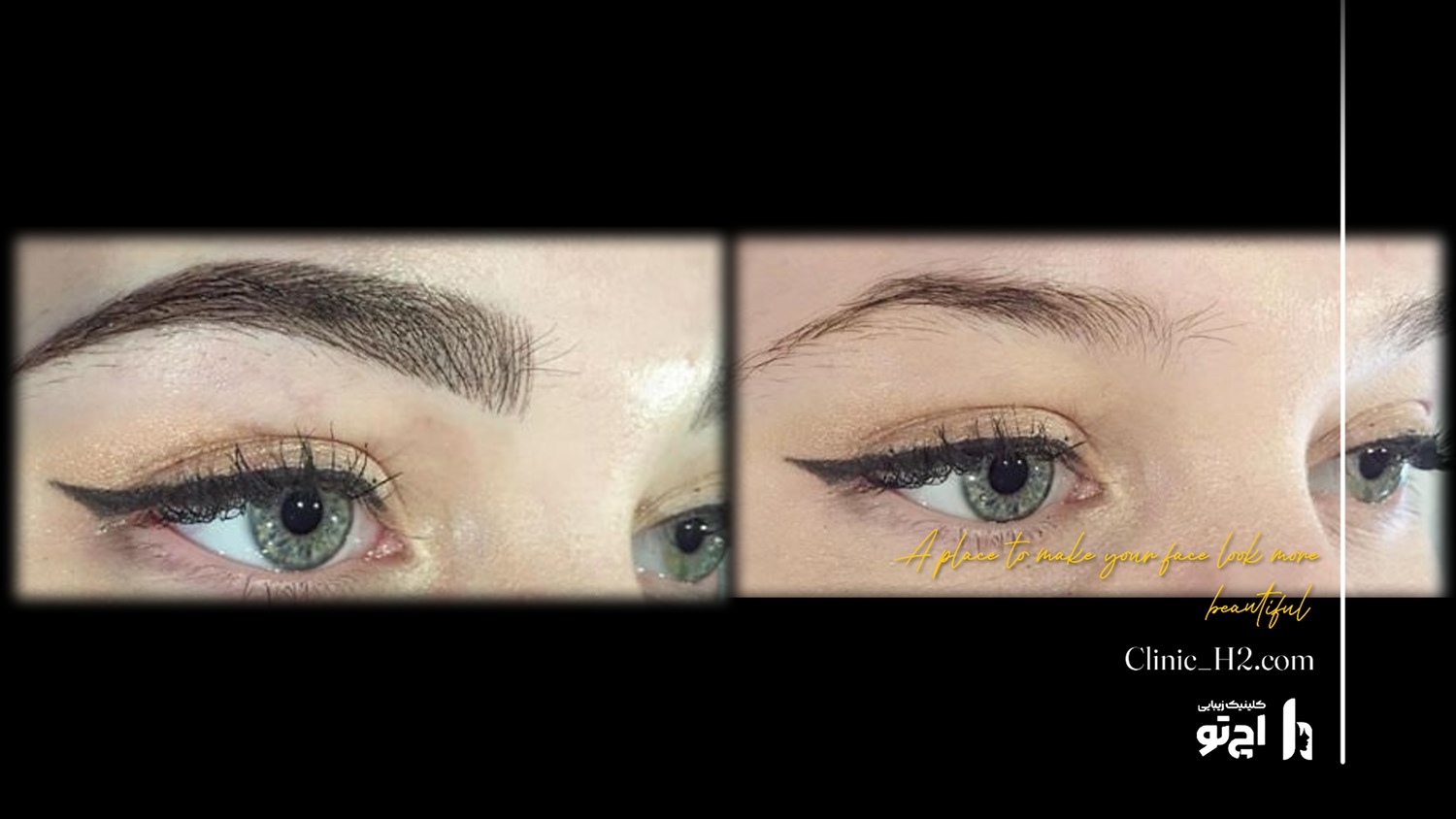
Eyebrow surgery is a small-area procedure with unusually visible design details. The direction and angle of each hair, symmetry, texture and curl matter as much as graft count. Scalp hair moved to a brow may need regular trimming. Some patients seek treatment after over-plucking, injury or a stable scar; others first need a diagnosis for ongoing eyebrow loss. An ISHRS discussion of eyebrow transplantation explains the planning issues and why scar maturity can matter.
Ask the clinician to draw the design while you are awake, show examples with similar brow hair and disclose who creates the recipient sites. Photographs of freshly implanted brows cannot establish the long-term result. See the dedicated eyebrow filter in the gallery below for provider-published comparisons from more than one case. The final surgical decision rests with the treating professional.
Beard and moustache transplantation
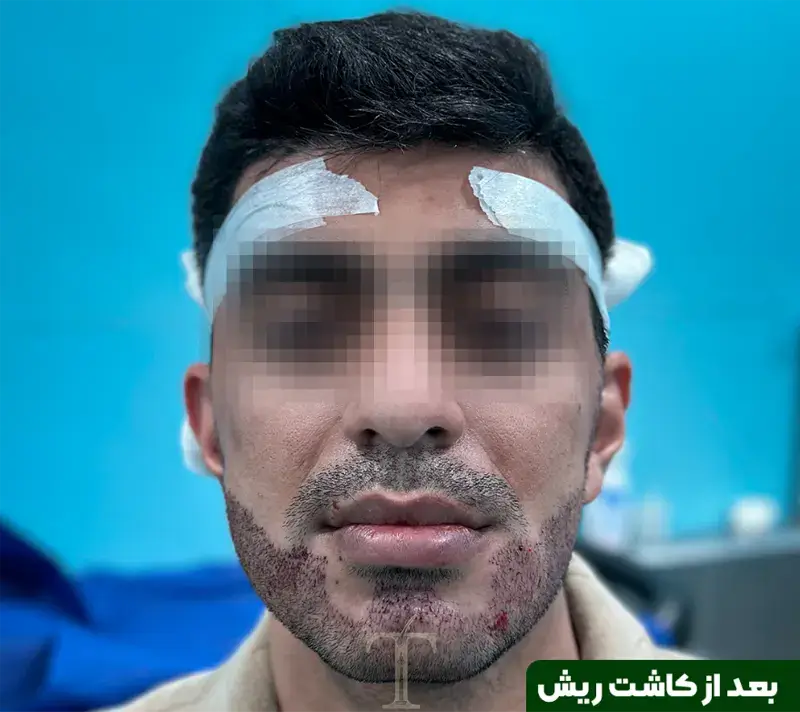
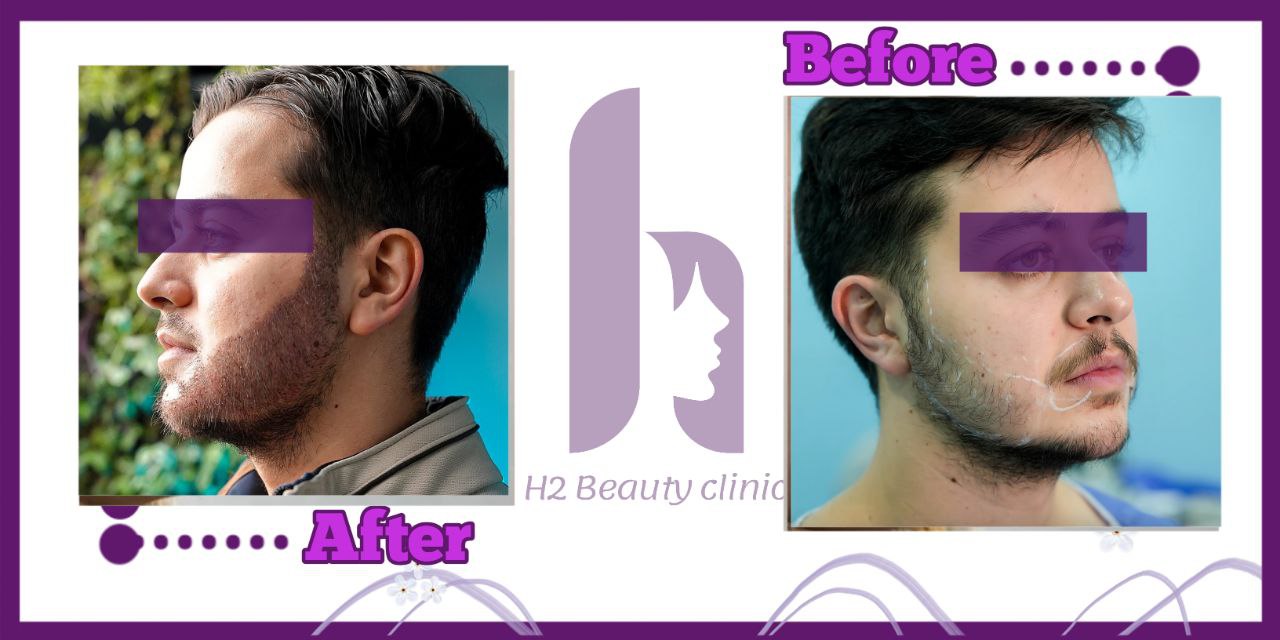
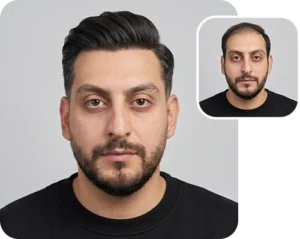
Facial-hair restoration can be considered for patchy growth, a scar or a desired shape when donor hair and skin condition permit it. Design needs to account for face shape, the direction in which native hairs lie, density and the possibility that surrounding beard hair may change. Very close-up photographs can hide uneven density across the whole face, so ask for frontal and side views in consistent light.
Discuss whether any scarring, active skin condition or prior surgery affects the plan. Ask where follicles will be taken from, whether the donor texture is a close match, who places the grafts and how the team manages visible redness and shaving after the procedure. The Hamintour beard results page offers a further starting point; the gallery entries below link to their original provider galleries.
How to shortlist a clinic and surgeon
Start with the named clinician and the facility, then ask for documentary evidence. A provider’s gallery is useful for style and consistency but is self-selected marketing material. Published cases cannot verify a current licence, complication rate, staff training or your likely outcome. The ISHRS recommends careful scrutiny of who actually performs critical surgical steps.
| Tehran example | Public evidence we could identify | What still needs direct confirmation |
|---|---|---|
| Tehran Kasht | Provider-published scalp, women’s, eyebrow and beard/moustache gallery; Tehran address on site. | Named treating physician, current registration, facility licence, precise graft plan and written quote. |
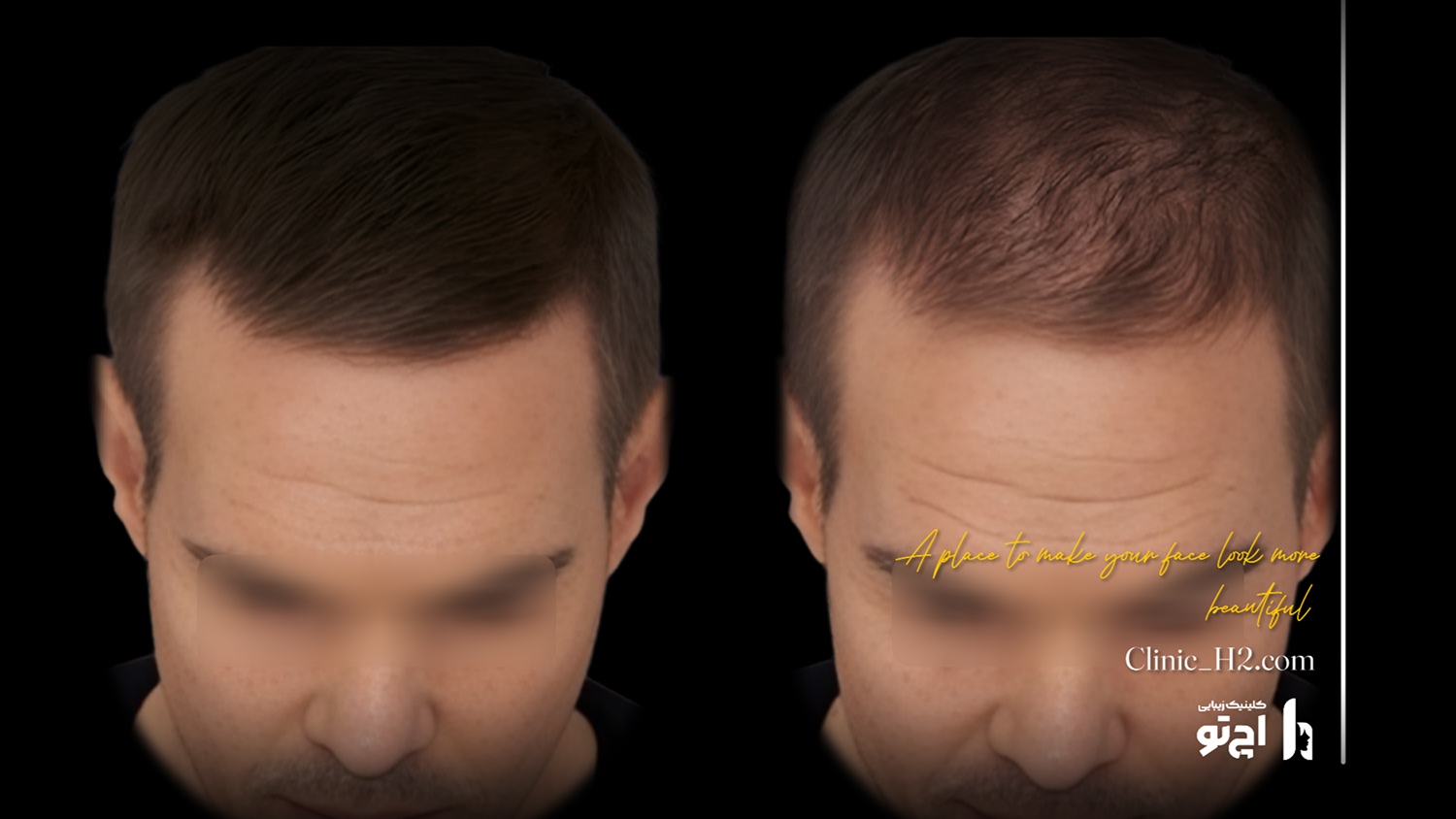
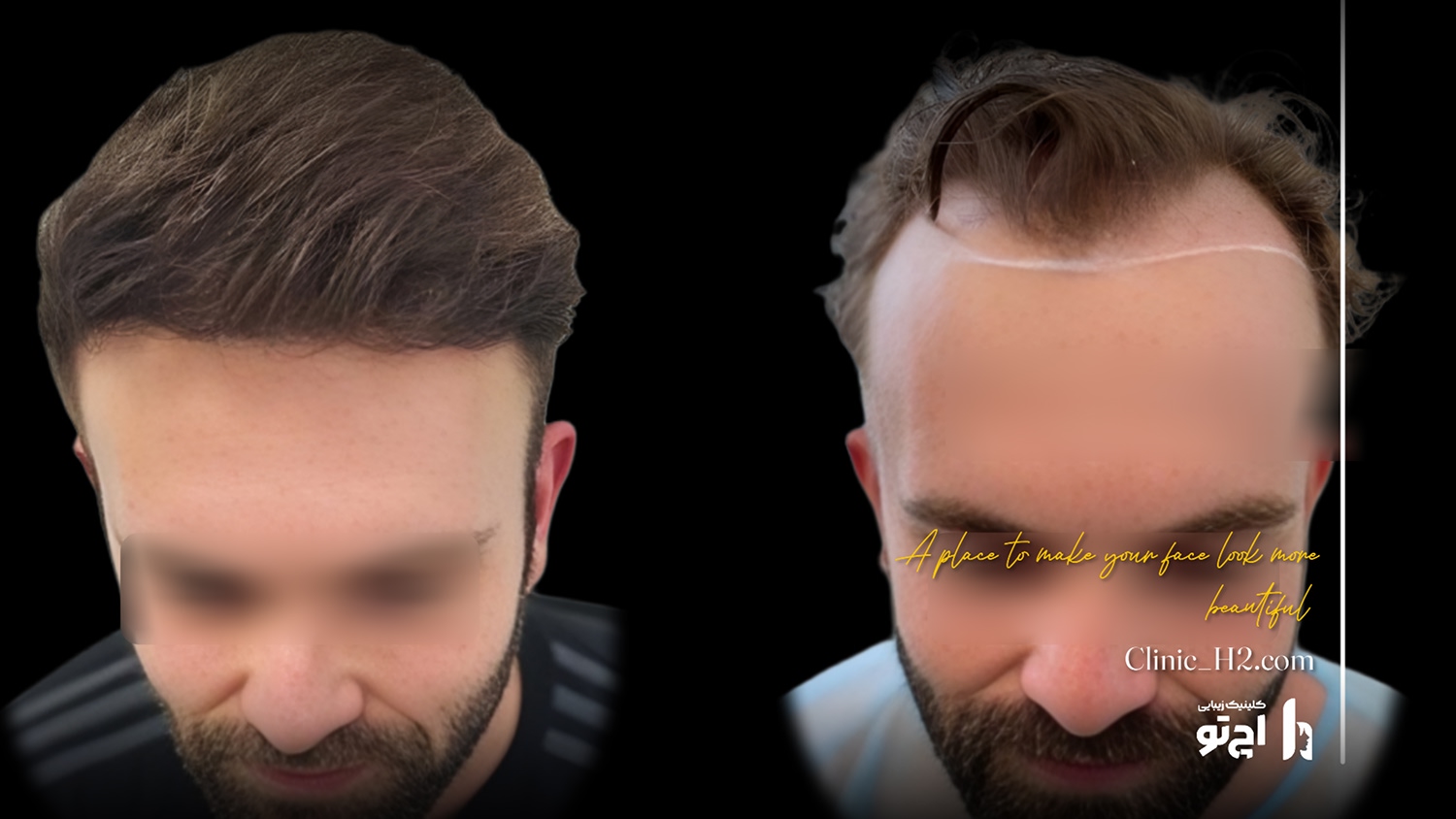
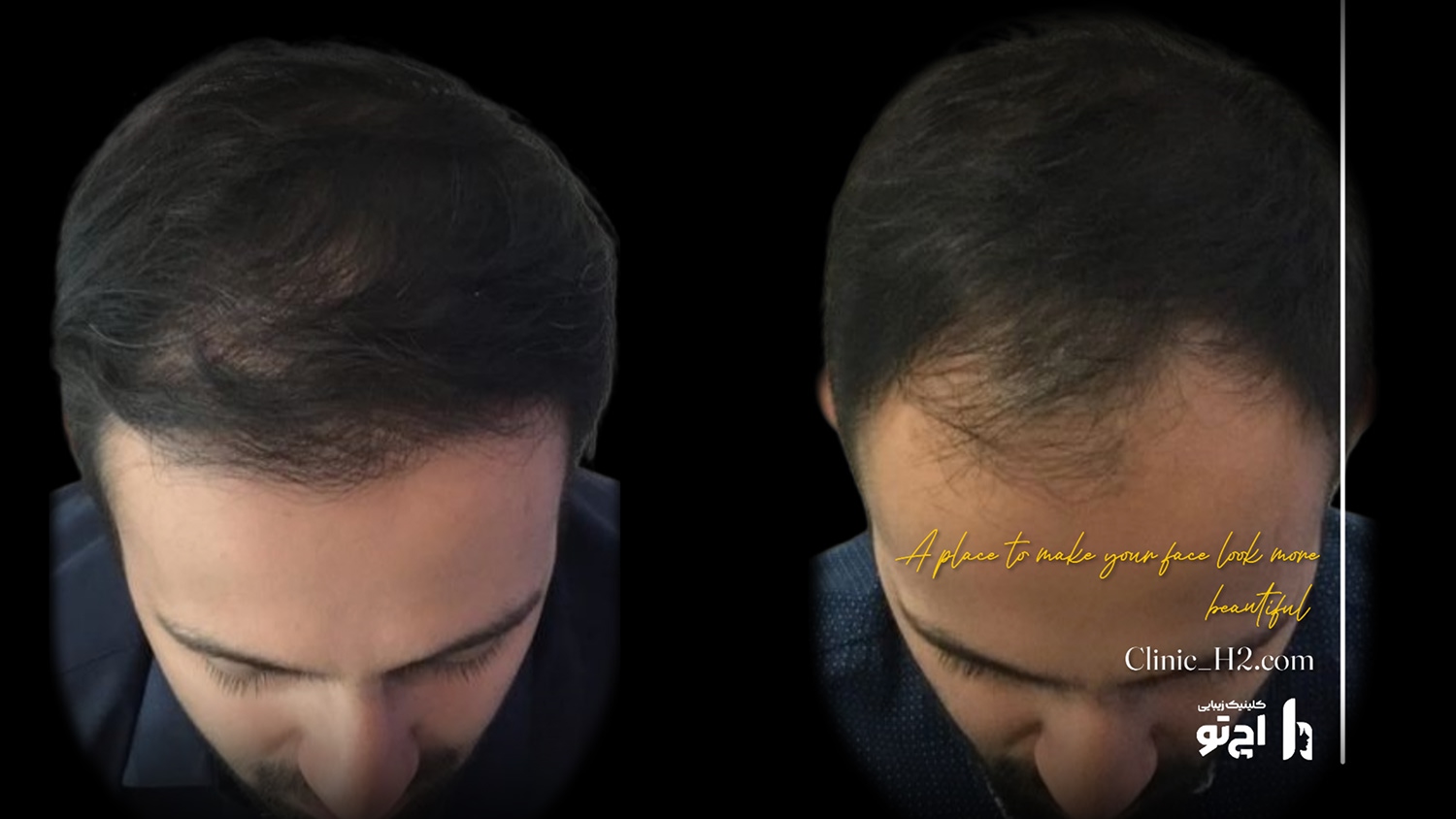
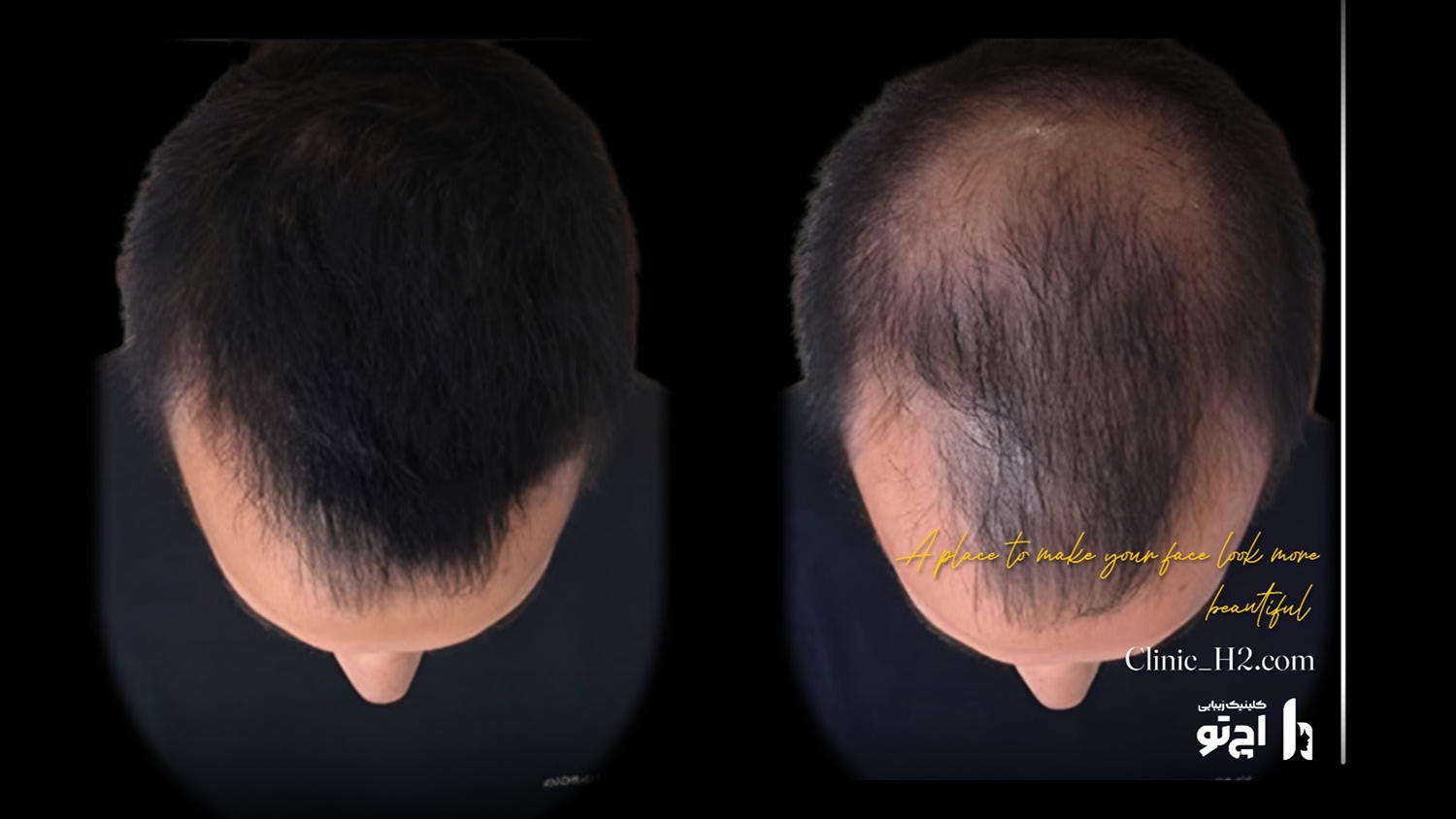
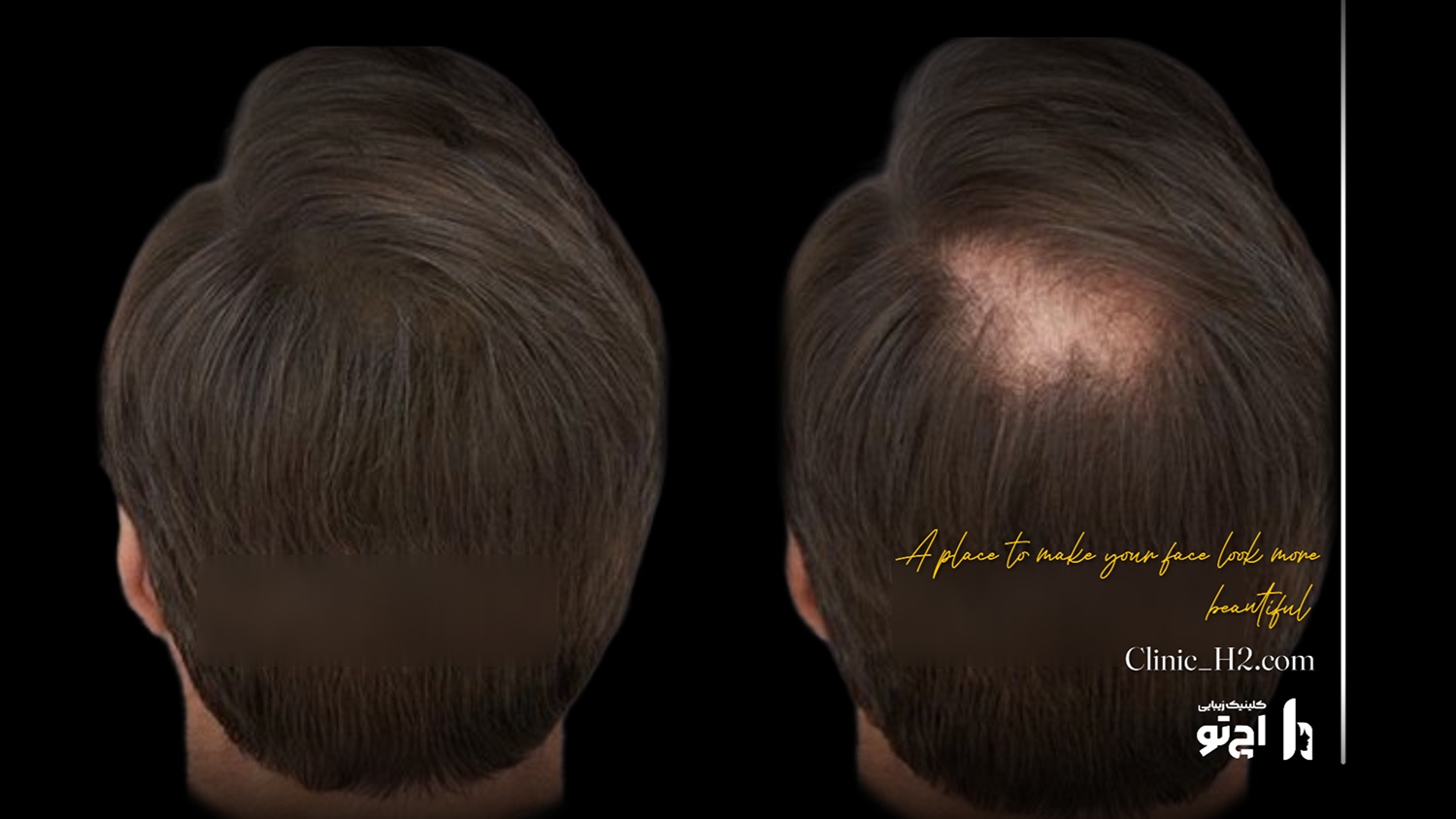
| Clinic H2 | Provider gallery has hair, eyebrow and beard categories; clinic describes a north-Tehran location. | Operating clinician and team roles, surgical facility details, follow-up, original full-size case images. |
| Fakhraei Clinic | Dedicated provider-published hair-transplant case gallery. | Which branch and named clinician would treat you, licence documents, quote and aftercare plan. |
These are centres with publicly inspectable treatment information and case galleries. Hamintour Medical reviewed those public materials to help you compare options; inclusion does not verify a physician registration, a facility licence or the outcome of an individual case. Before paying a deposit, request the physician’s full name and Medical Council registration number, verify it through the Iran Medical Council, and ask the provider for current facility authorisation. If records cannot be checked, pause the booking. Our complementary clinic-selection article gives a deeper comparison framework.
Hair transplant costs in Iran: what the USD range means
International-patient prices are normally quoted after the doctor reviews photographs and estimates the graft plan. The ranges below are indicative public offer bands seen on English-language Iran medical-travel listings; they are not audited clinic invoices, a Hamintour patient dataset, a market median or a binding quote. Promotions and package inclusions change. Do not use local-currency prices intended for residents as a foreign-patient quote.
| Procedure | Indicative public offer band (USD) | Main price variables | Written quote must identify |
|---|---|---|---|
| Scalp hair transplantation | Approximately $1,000–$2,500 | Donor assessment, graft plan, FUE/FUT choice, surgeon involvement, complexity | Graft estimate, team, facility, medicines, first wash, review and revision policy |
| Beard or moustache transplantation | Approximately $800–$1,500 | Patch size, scar work, design and donor availability | Specific facial zones, graft estimate, aftercare and any added scalp work |
| Eyebrow transplantation | Approximately $700–$1,200 | One or both brows, scar tissue, design and technique | Design consultation, graft estimate, trimming advice and follow-up |
Indicative prices only; source names: MedPalTrip public international-patient procedure listings and Iran Medical Tours published hair-transplant pricing. These commercial offers are advertising benchmarks, not independent evidence of clinical quality. Ask Hamintour Medical for a current, itemised, case-specific quotation. Flights, visa, insurance, extra tests, additional treatment and complications may be excluded.
Compare the full bill, not only the headline price
Ask whether the quote includes the surgeon’s work, facility fee, anaesthesia, medications, blood tests, accommodation, airport transfers, language support, first wash, follow-up and taxes. Clarify what happens if the actual graft count differs or the physician advises against surgery after examining you. Get deposit, refund and currency rules in writing. If comparing countries, use like-for-like medical plans and add the cost of time away, travel changes and local follow-up rather than converting one advertised number into a supposed saving.
Request a tailored treatment assessment
After comparing the indicative prices, share your photographs and questions so an appropriate treating clinician can review the clinical side and we can clarify travel arrangements.
Request Your Free Consultation
Get a personalized treatment plan from our elite medical experts.
Hamintour Medical: support and our commitment
Hamintour Medical is a medical-travel coordinator, not a hospital, clinic or treating medical team. We can help gather your questions and medical history, seek an initial review from an appropriate provider, arrange consultations and compare available options. The doctor and licensed facility determine whether surgery is suitable, which treatment to offer and what aftercare is required. We do not diagnose, prescribe or perform transplantation.
Depending on your needs and what is available, coordination can include flight and accommodation requests, airport reception, transport between your hotel and clinic, interpretation or a companion, appointment scheduling, practical support while in Iran and help reconnecting with the treating team after you return home. Every inclusion should appear in an individual written proposal. A patient can choose medical services independently; coordination does not replace informed consent.
What we ask you to expect from us
Clear separation between medical advice and logistics; named providers rather than vague “best clinic” claims; an itemised quotation; an opportunity to ask who performs each surgical step; and a route for post-treatment questions. If the clinician considers you unsuitable, a decision not to operate should be respected. We can help organise the conversation, but cannot guarantee a result or override medical judgement.
A realistic day-by-day travel outline
This is a planning example, not a prescribed length of stay. The clinician’s schedule, treatment complexity and your recovery determine when you can travel. Do not book a non-refundable return flight before the clinic confirms the proposed follow-up plan.
Before travel
Share records and photos securely. Obtain a provisional medical opinion, named clinician, itemised quote, visa information and your government’s travel advice. Confirm insurance coverage and an emergency contact.
Arrival day
Transfer to accommodation and rest. Keep your clinic address, coordinator contact and medical documents available. Avoid treating the first evening as a sightseeing obligation.
Consultation day
Meet the surgeon in person. Review diagnosis, donor limits, design, alternatives, risks, consent, price and who does each step. The plan may change or be cancelled after examination.
Procedure day
Follow clinic instructions on food, medication and arrival time. Make sure you receive written records and know how to reach the clinical team after hours.
First checks
Attend the clinic’s first review and washing instructions. Ask how to handle swelling, pain, bleeding or a medication reaction. Keep photos and discharge papers for your home clinician.
Departure and home
Fly only when your treating clinician clears you. Arrange remote review dates and a local doctor if needed. The CDC advises planning for care after returning home.
Recovery, shedding and realistic outcomes
Expect instructions specific to your method and the site treated. Early redness, swelling, crusting or discomfort can occur. Transplanted hairs may shed before new growth becomes visible. Growth is gradual and its appearance depends on hair calibre, colour, curl, graft placement, native-hair loss and healing. A single “success percentage” does not capture these differences. The American Society of Plastic Surgeons recovery guidance describes questions to raise about washing, activity, swelling and follow-up.
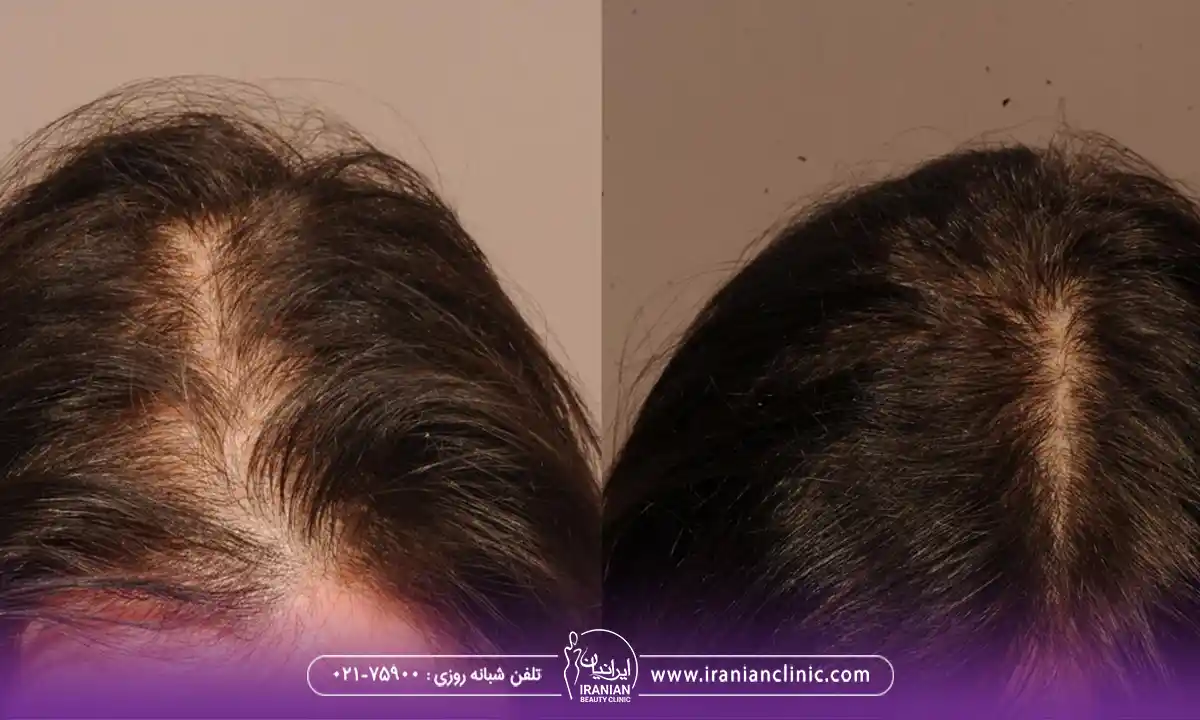
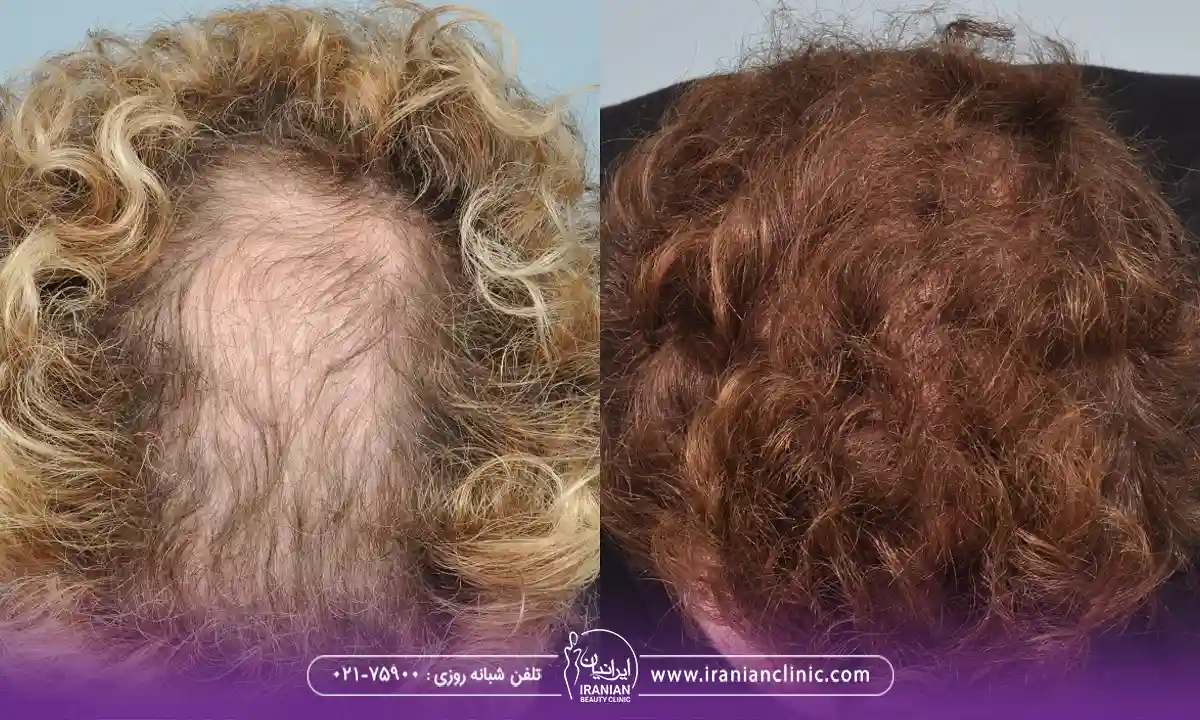
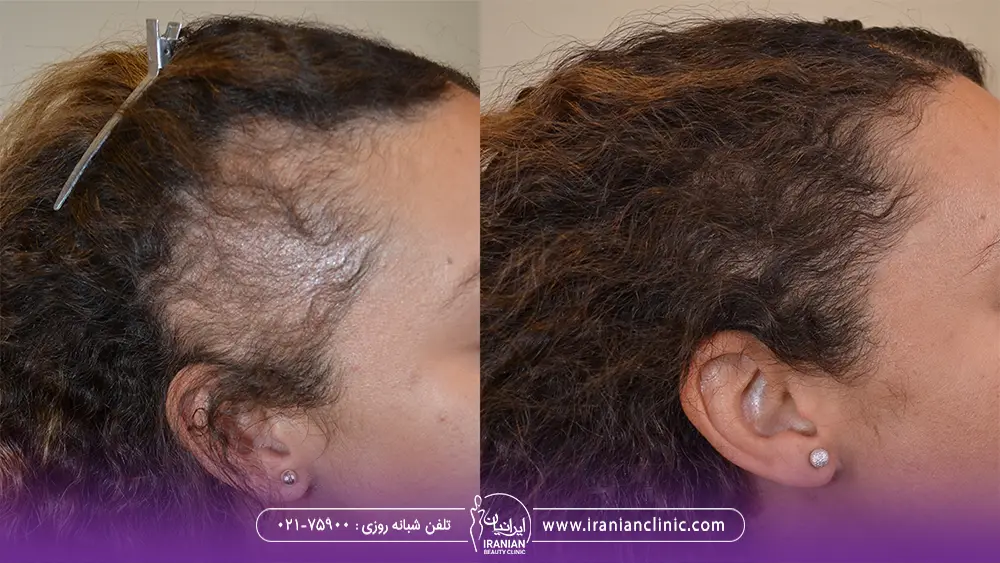
Do not compare a day-after photograph with a mature result. Ask when each gallery image was taken, whether the patient used medication or another procedure, and whether the lighting and angle are comparable. Future thinning of untreated hair can alter the look even when grafts grow. Ask whether long-term medical therapy may be useful for your diagnosis; only your doctor should advise on medication. In eyebrow surgery, also ask about trimming transplanted hairs. In beard surgery, ask when shaving can resume.
What counts as “success”?
A good outcome is not just surviving grafts. It also means an appropriate, natural-looking design; a donor area that has not been overharvested; reasonable density for available hair; clear consent; and a way to manage any complication or disappointment. Clinics may define and measure success differently. We have not found an independently audited, clinic-specific outcome rate for the providers shown here, so no percentage is offered as a guarantee.
Risks, side effects and a plan if something goes wrong
Risks can include infection, bleeding, scarring, uneven density, failed graft growth, an unnatural hairline, donor-area thinning, anaesthetic problems and dissatisfaction with appearance. Continuing native-hair loss can create a patchy result. The American Society of Plastic Surgeons explains that outcomes are not fully predictable. Travel adds practical risks: a complication may arise after you fly home, and your local clinician may not have the original operation details.
Ask for the clinic’s urgent-contact number, infection protocol, written operative record and policy on revisions and extra costs. Before you leave Iran, confirm whom to contact if redness worsens, you develop fever or you notice unexpected bleeding. Seek urgent local medical care for severe or rapidly worsening symptoms rather than relying on messaging alone. The treating clinician should tell you when flying is appropriate; airline schedules are not medical clearance.
Hair transplant before-and-after results
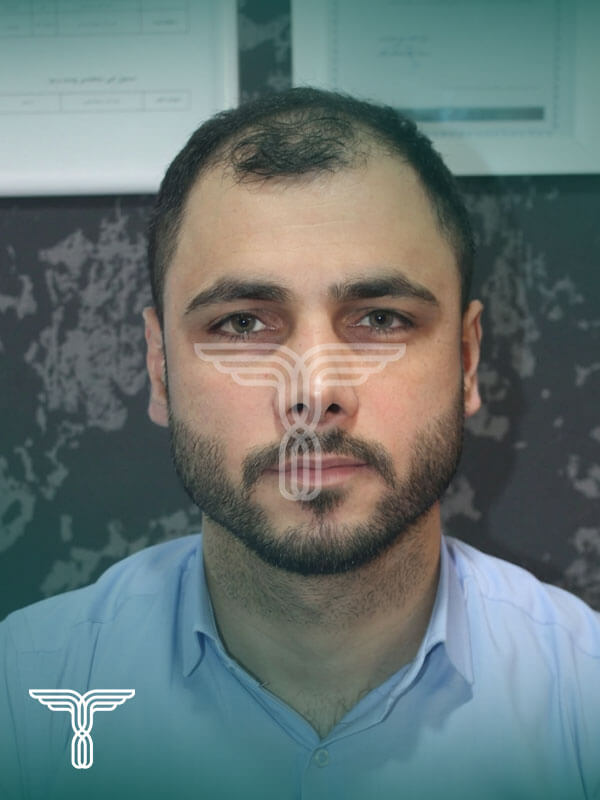
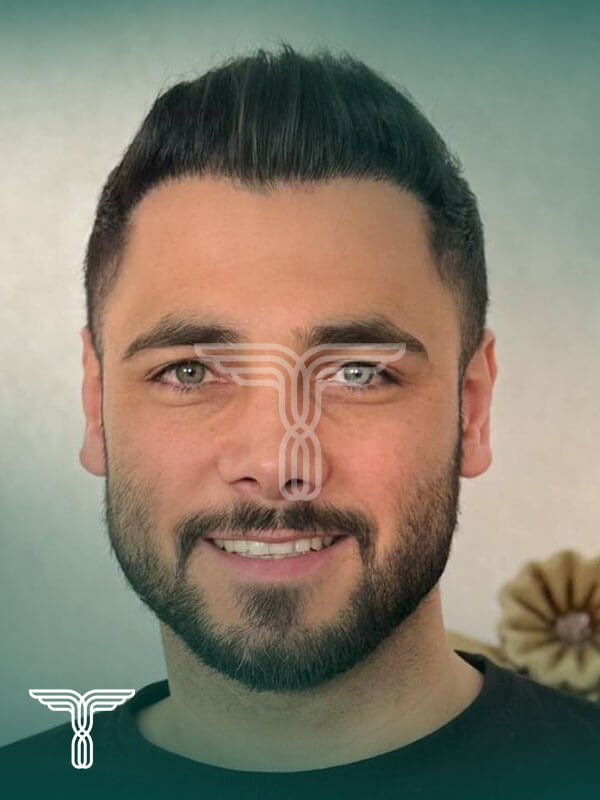
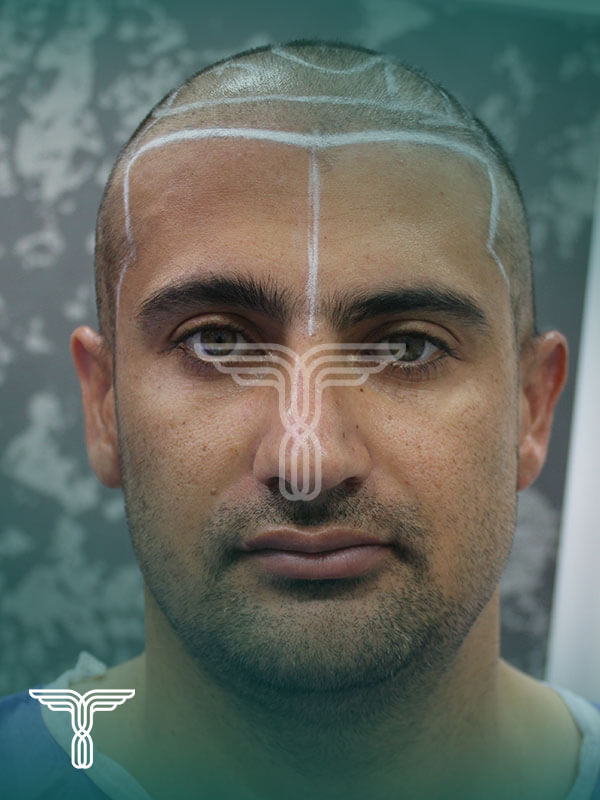
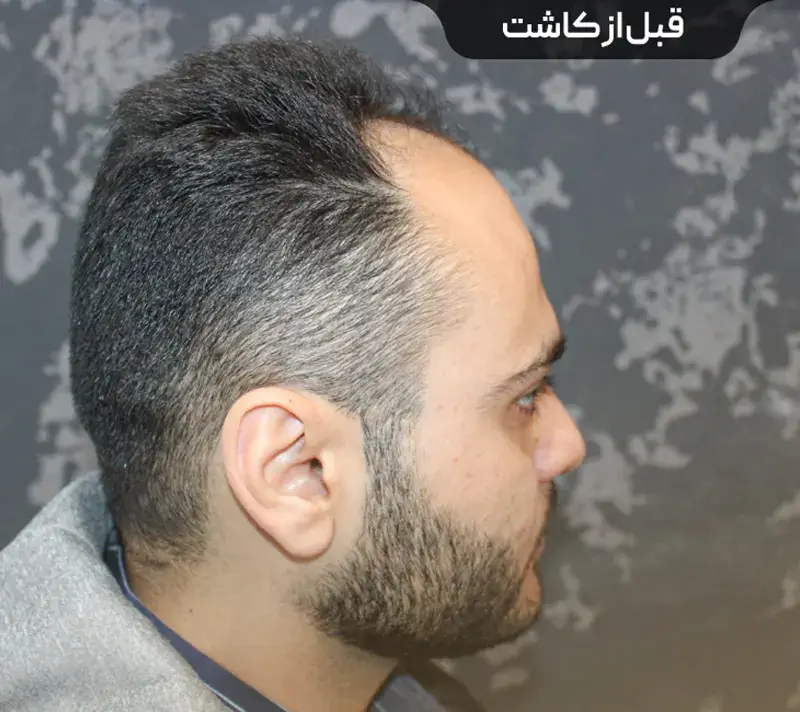
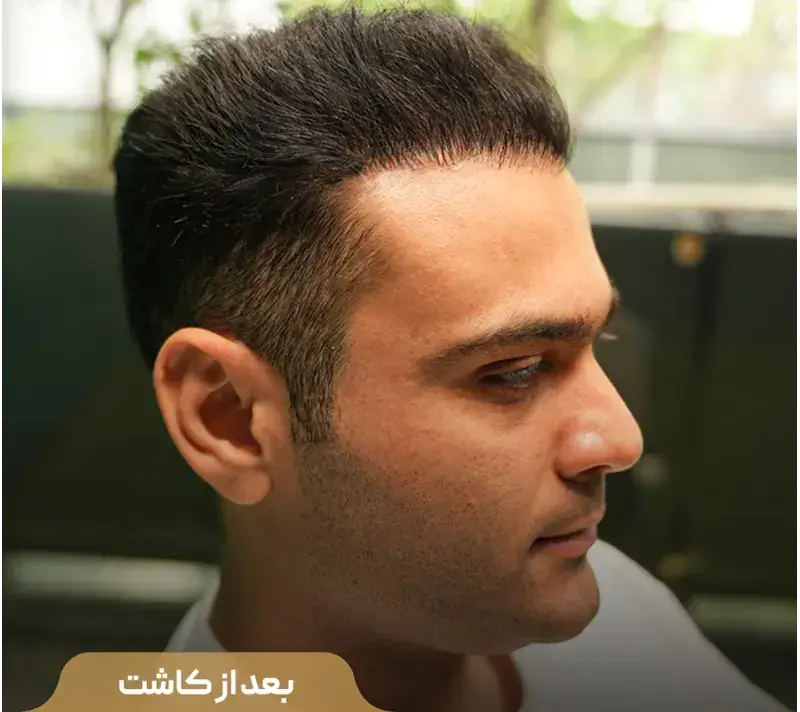
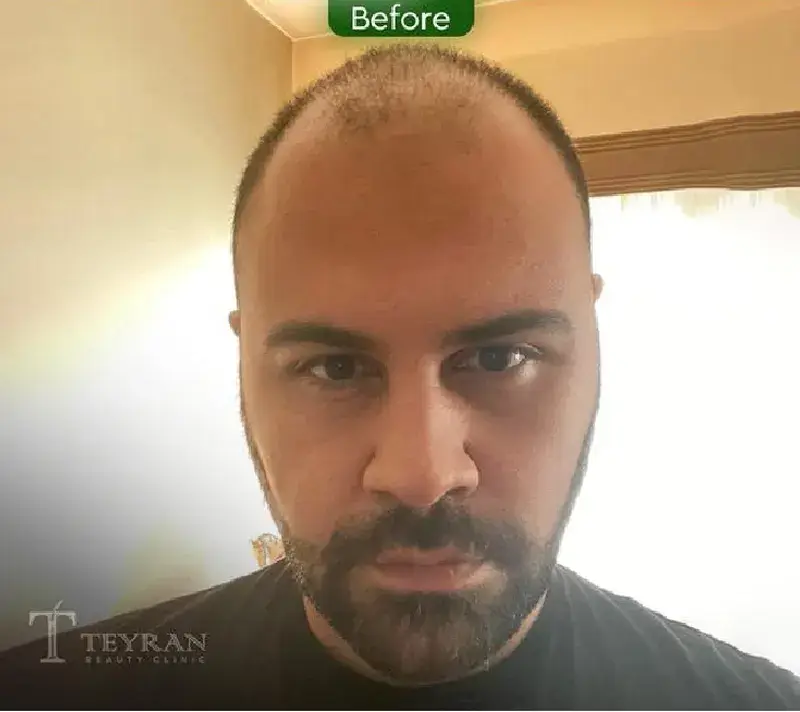
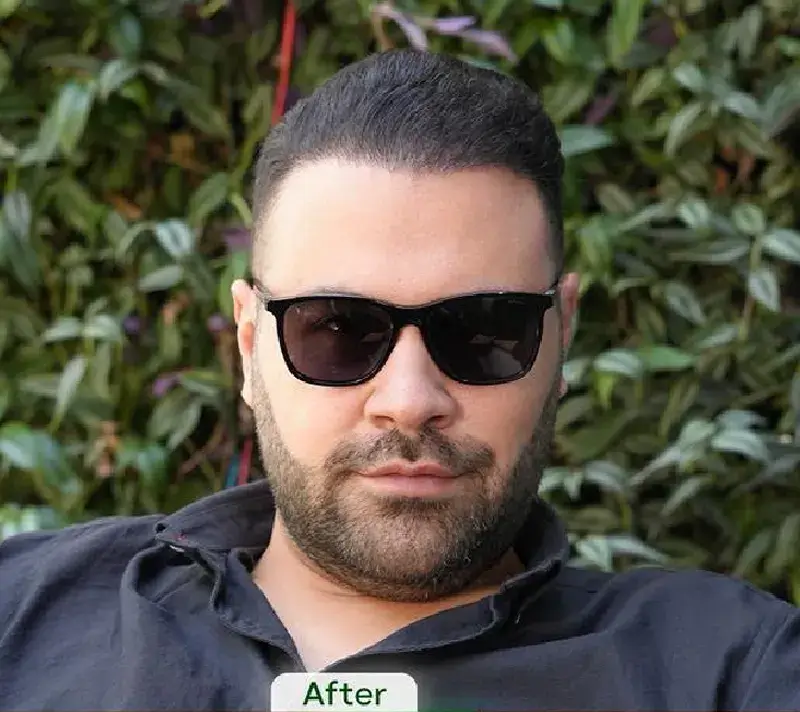
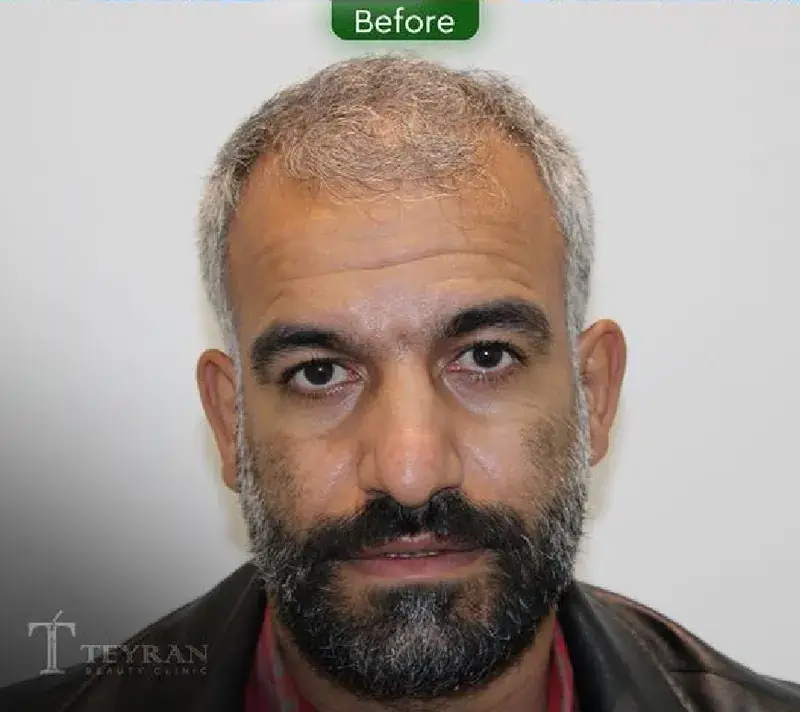
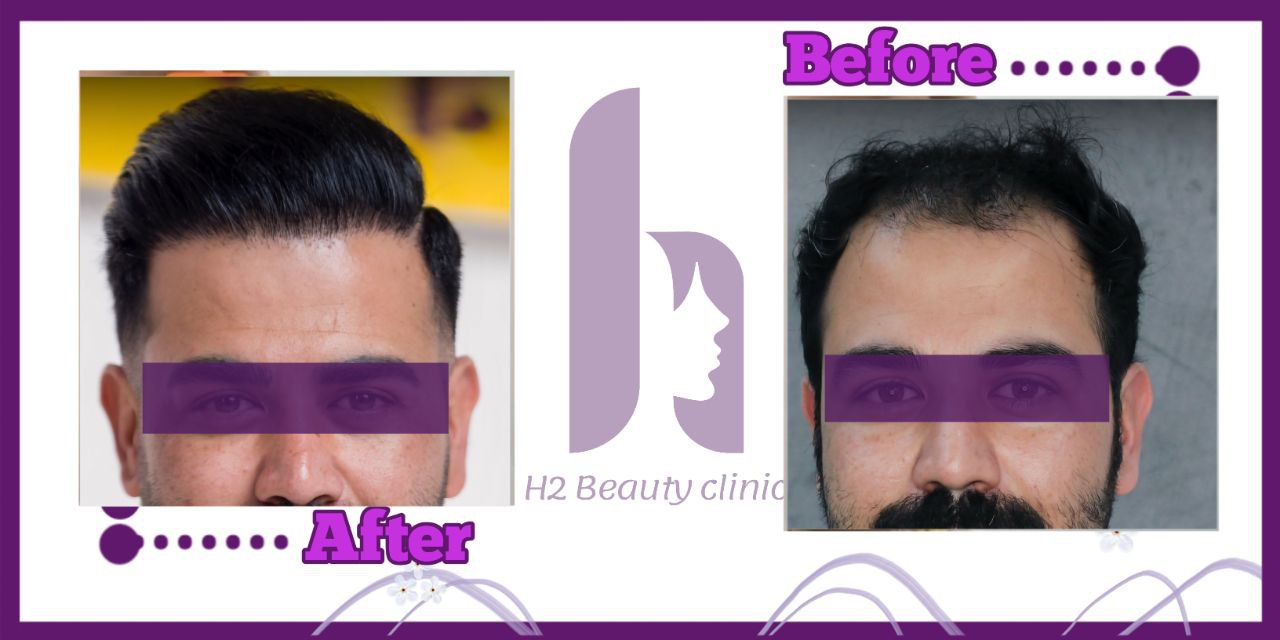
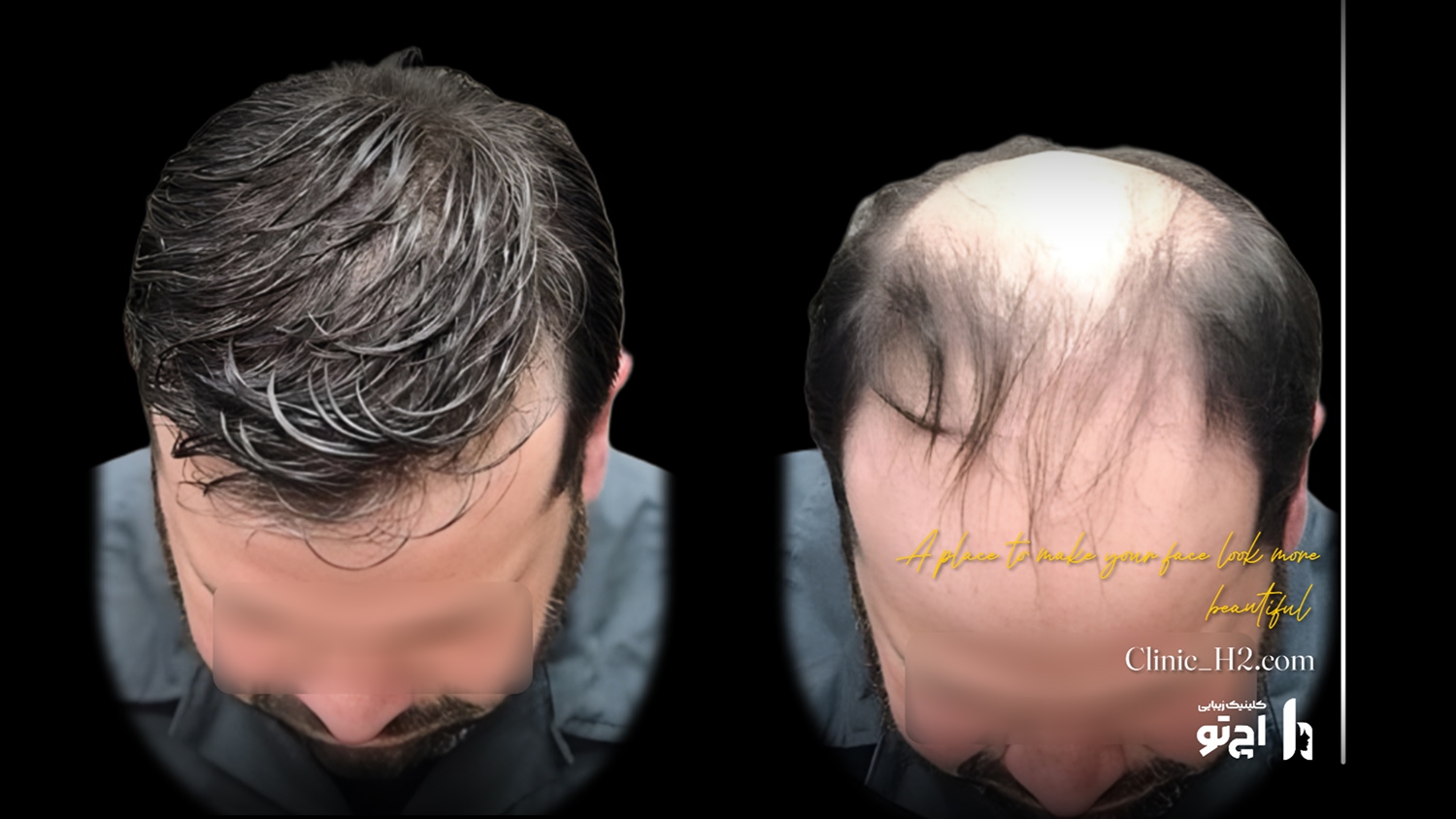
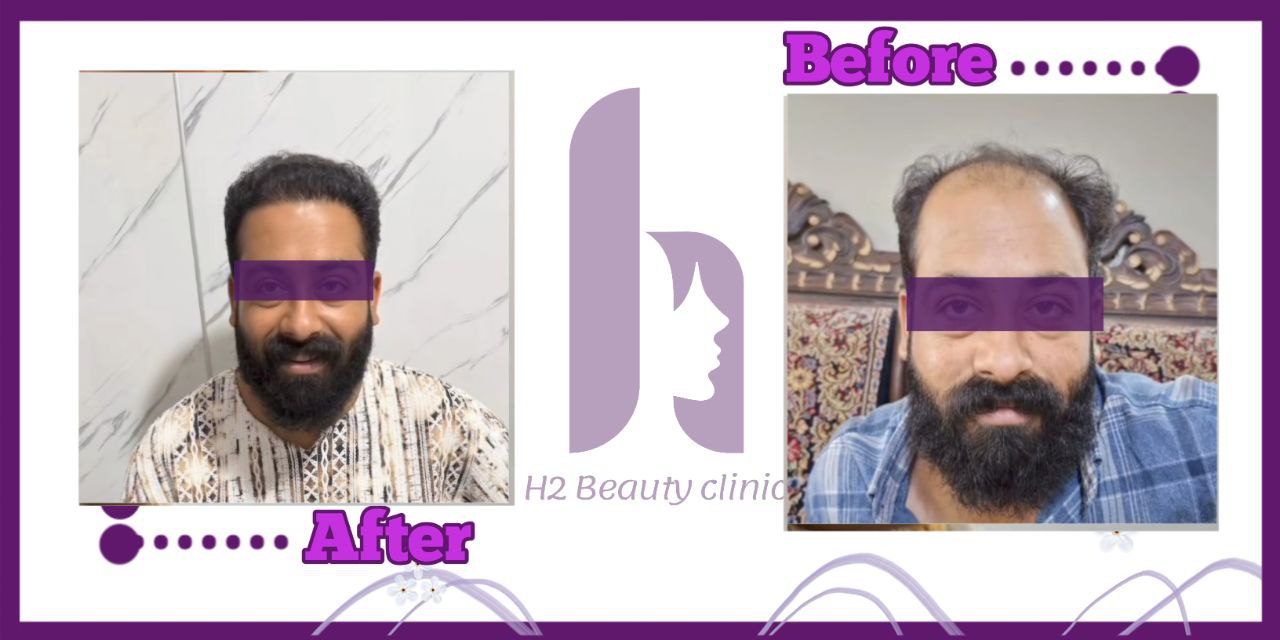
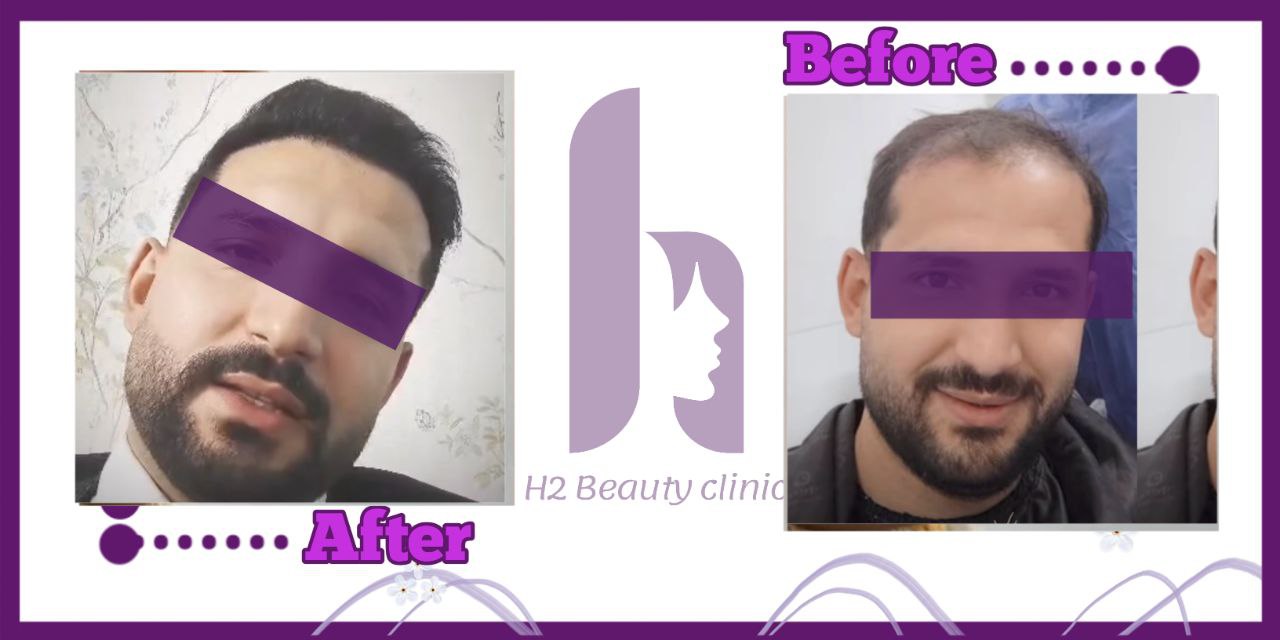
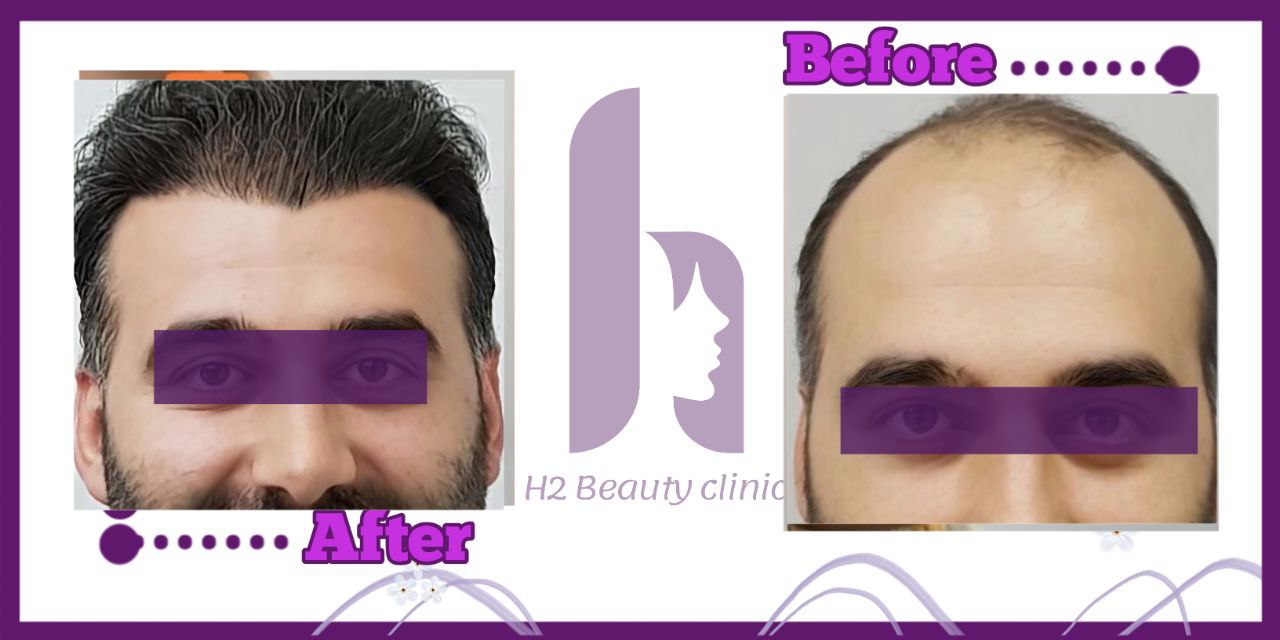
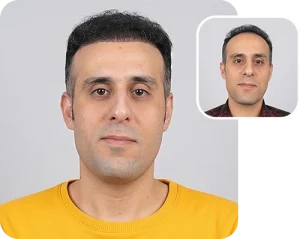
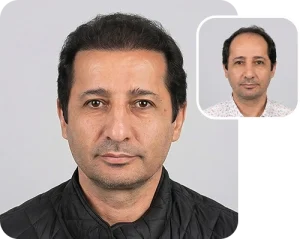
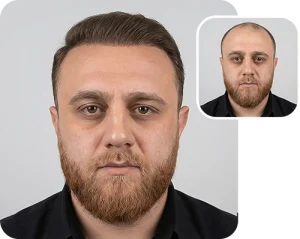
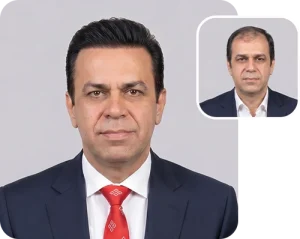
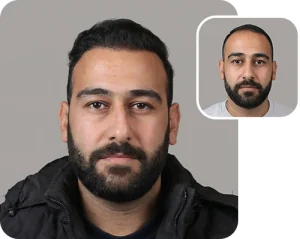
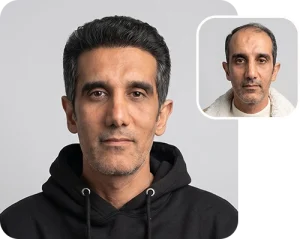
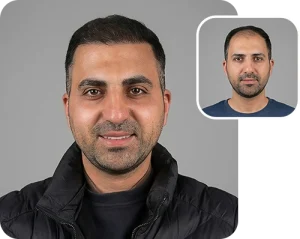
These examples come from the linked provider pages. Most show work published by Iranian clinics. Three women’s cases are clearly credited to Dr. Gary Linkov in the United States on the International Society of Hair Restoration Surgery website; they are international references, not results from treatment in Iran. Provider-published photographs can help you compare techniques, but they cannot establish your likely result or independently verify patient history, timing or image conditions.
Use the filters to compare hair, women’s hair, eyebrow and beard results. Look at the design, donor area, photo angle and stage of recovery. If a case matters to your decision, ask the provider when the photographs were taken and who performed the procedure.
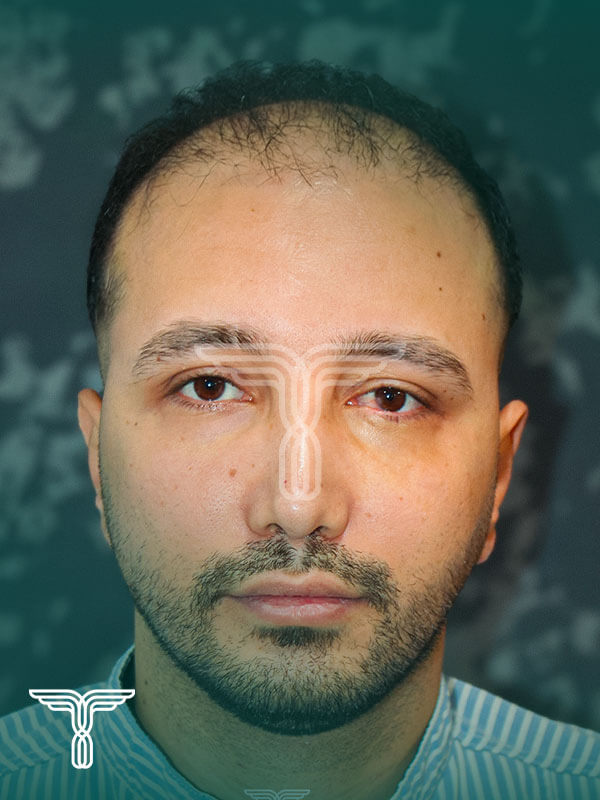 Before
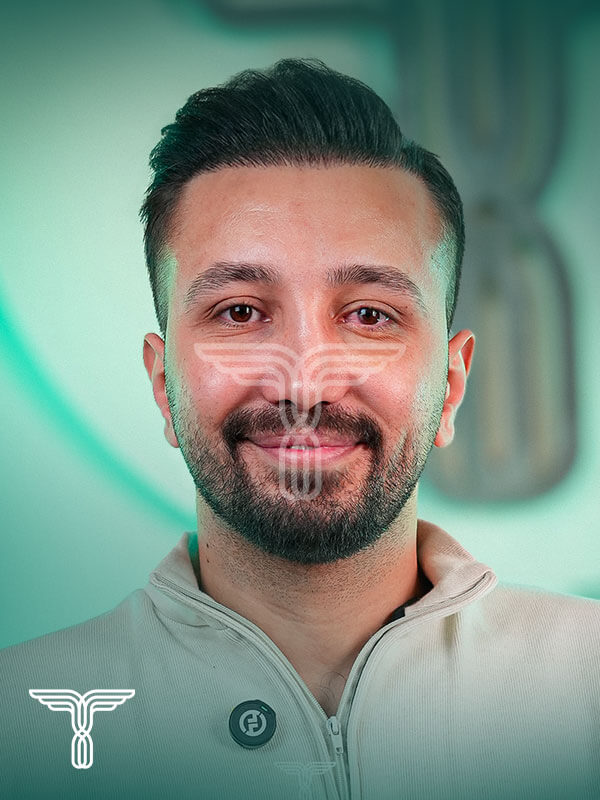 After
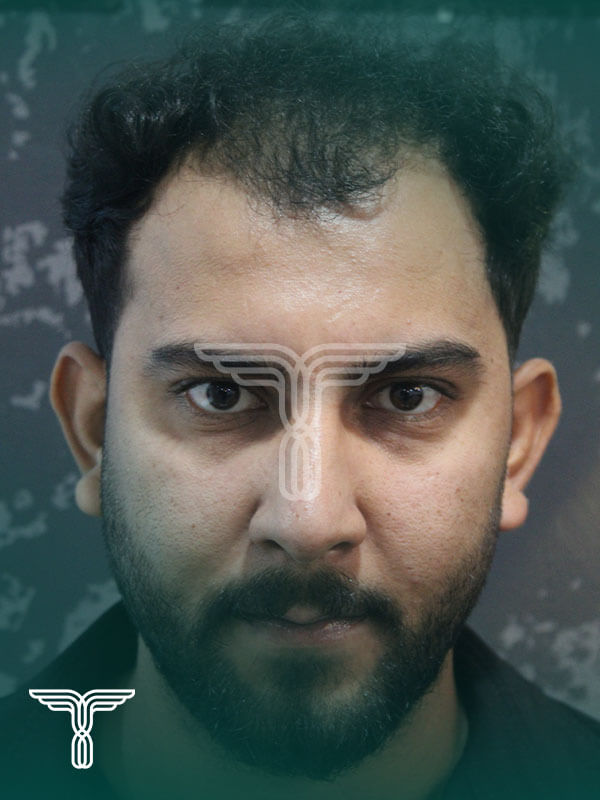 Before
 After
 Before
 After
 Before
 After
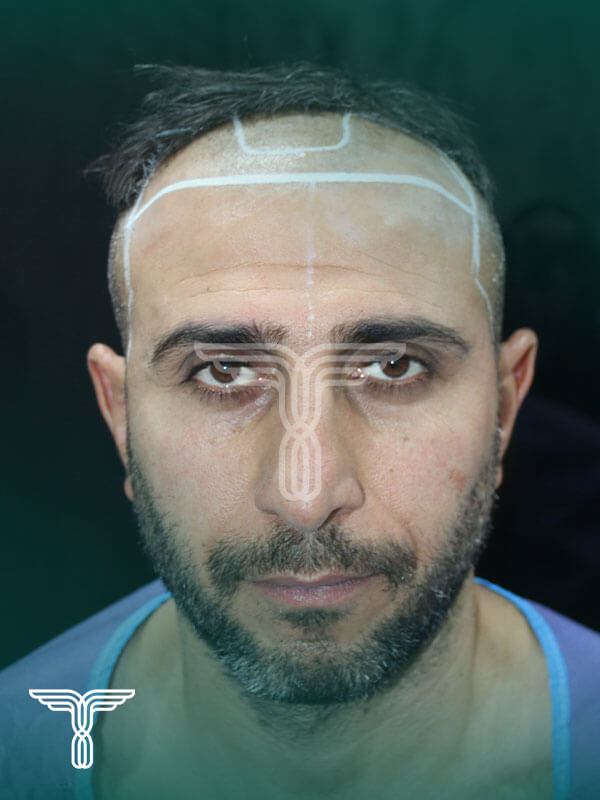 Before
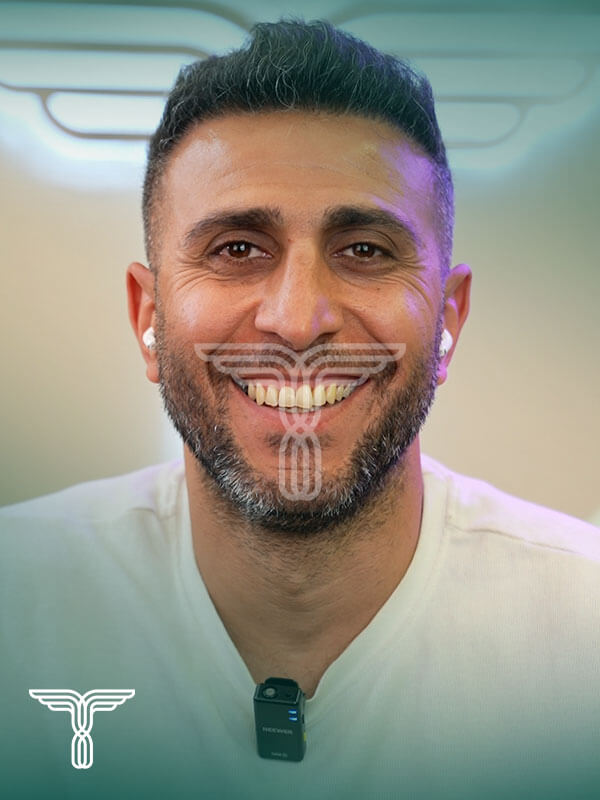 After
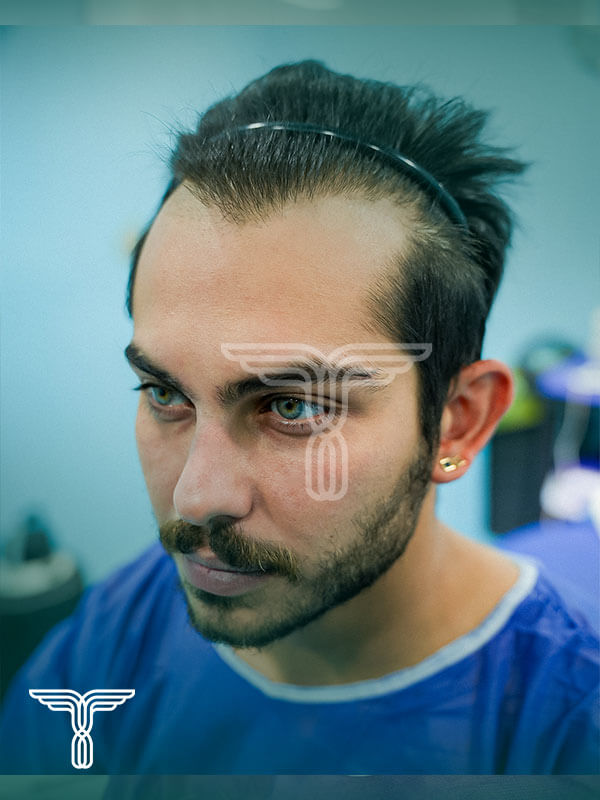 Before
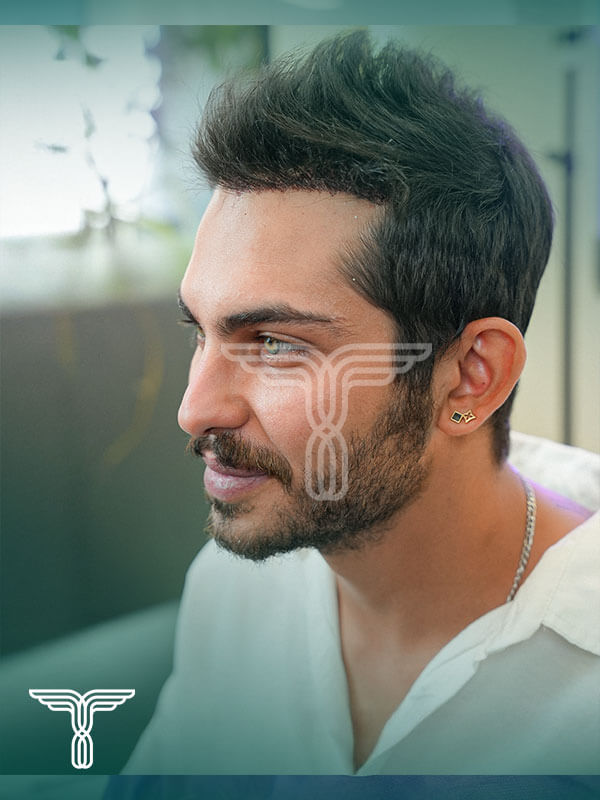 After
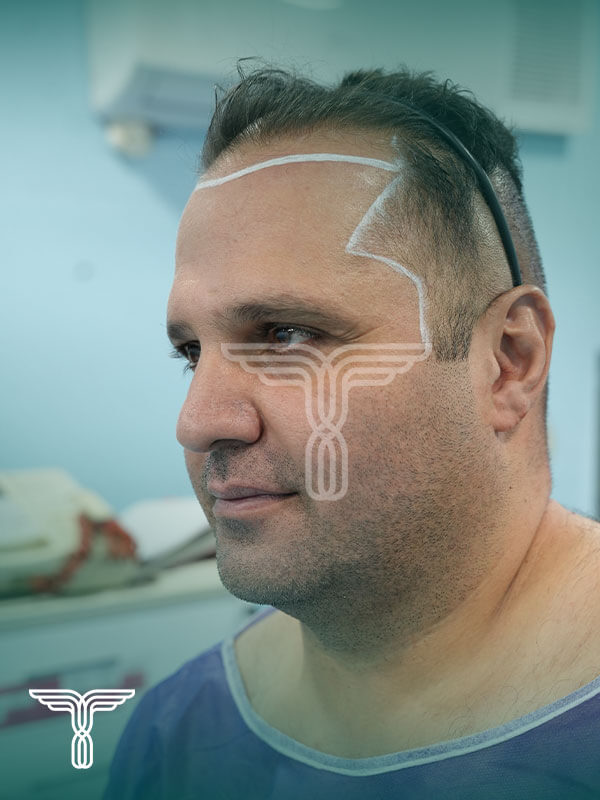 Before
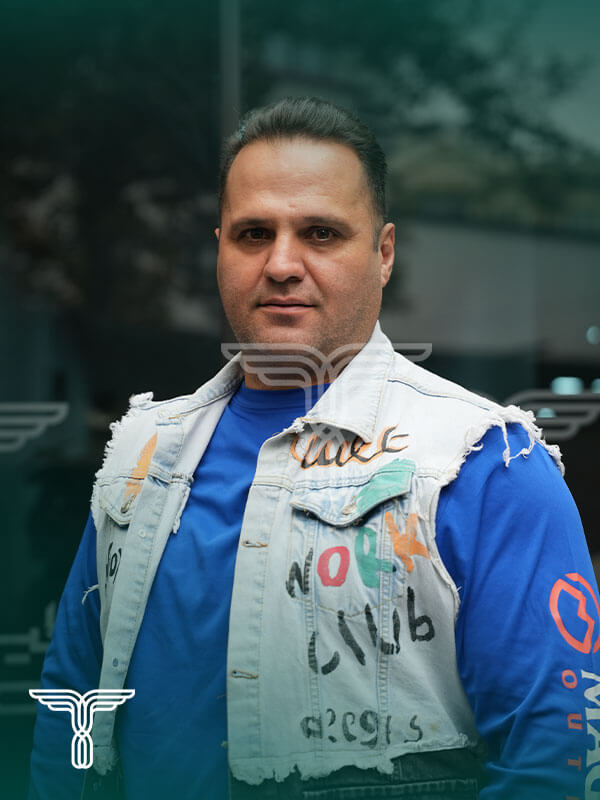 After
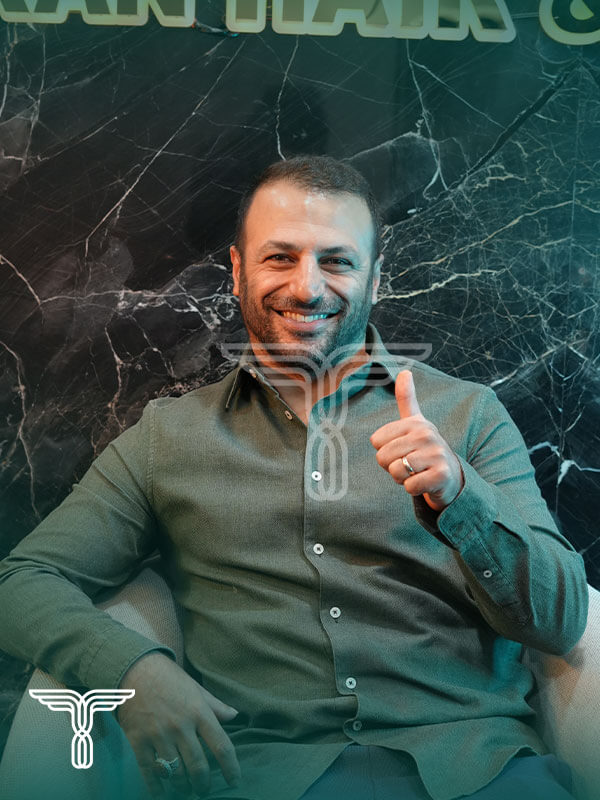 Before
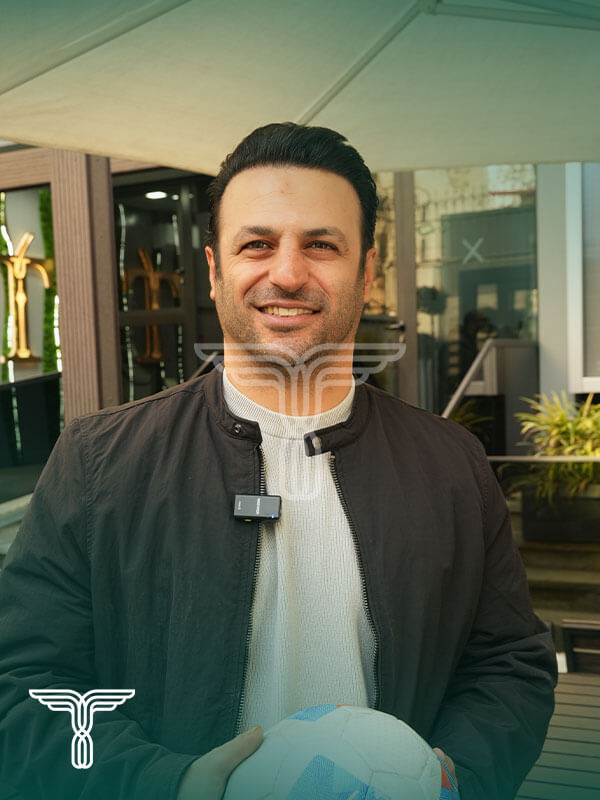 After
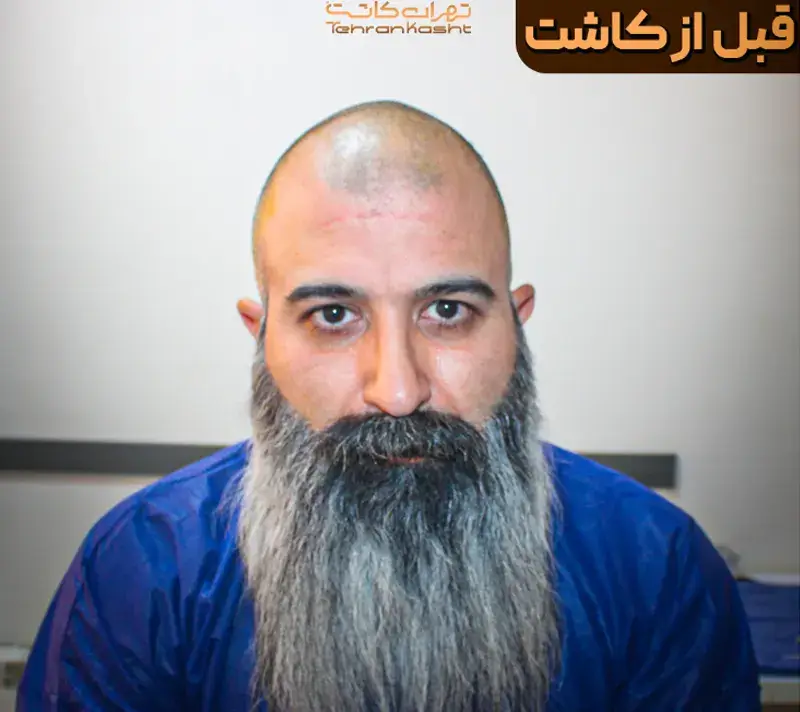 Before
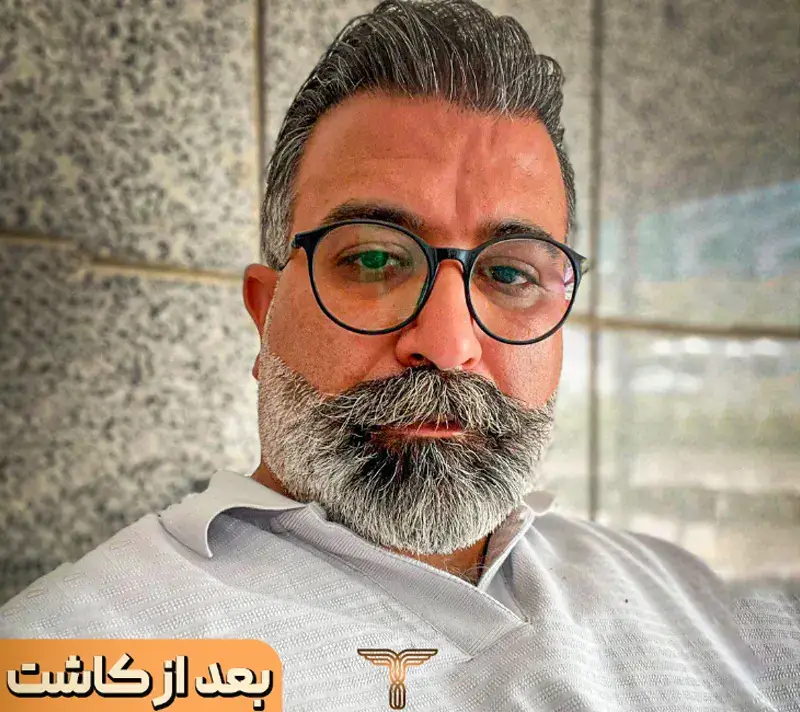 After
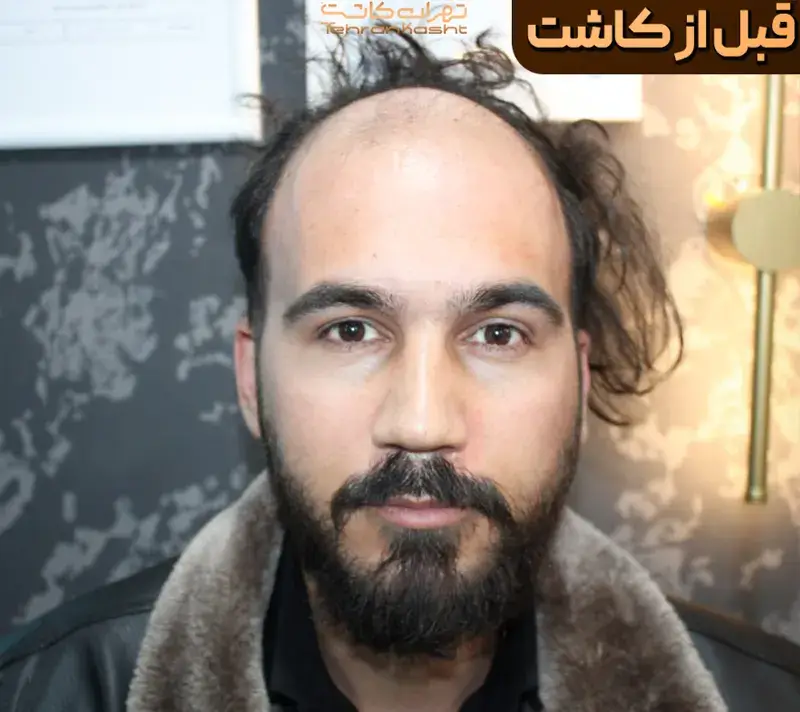 Before
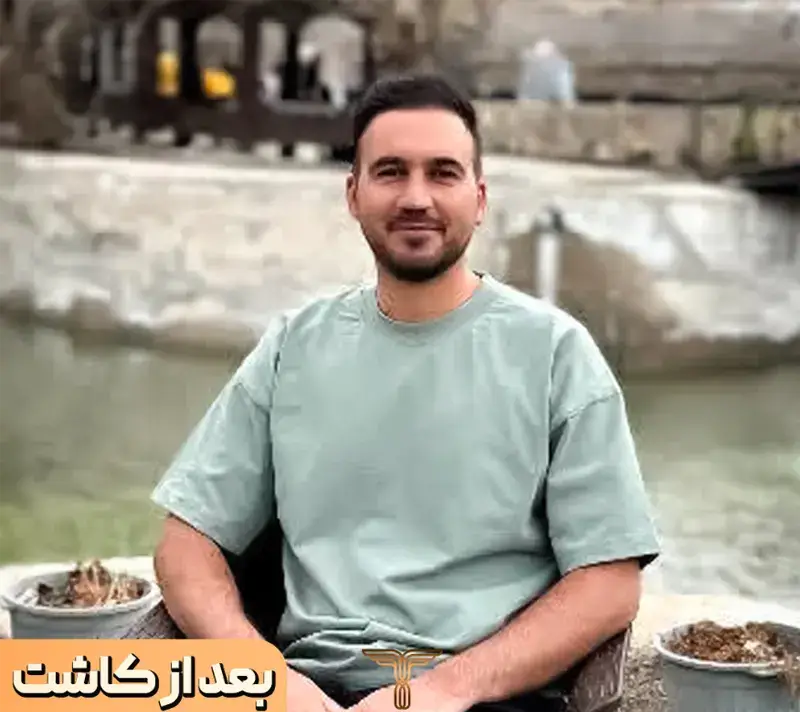 After
 Before
 After
 Before
 After
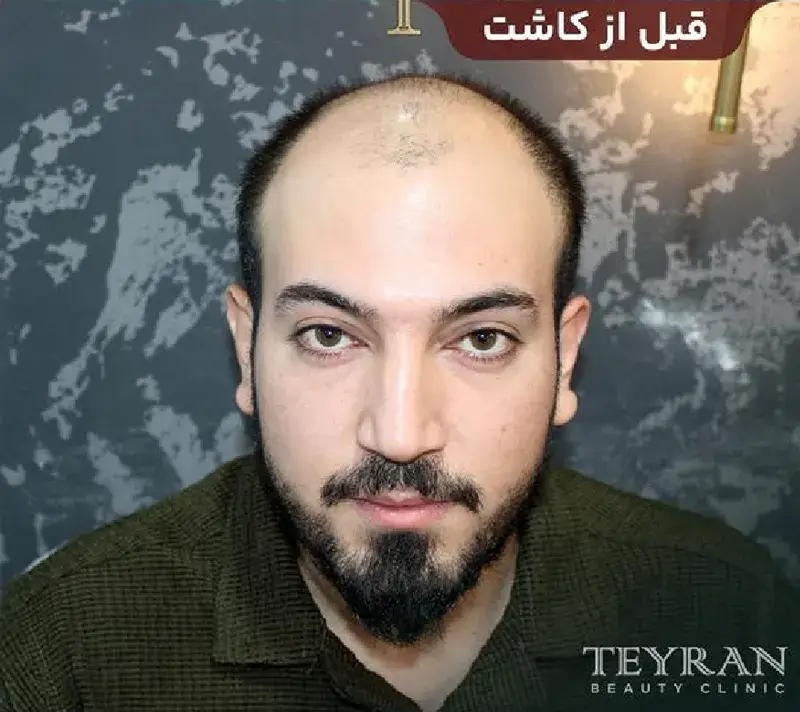 Before
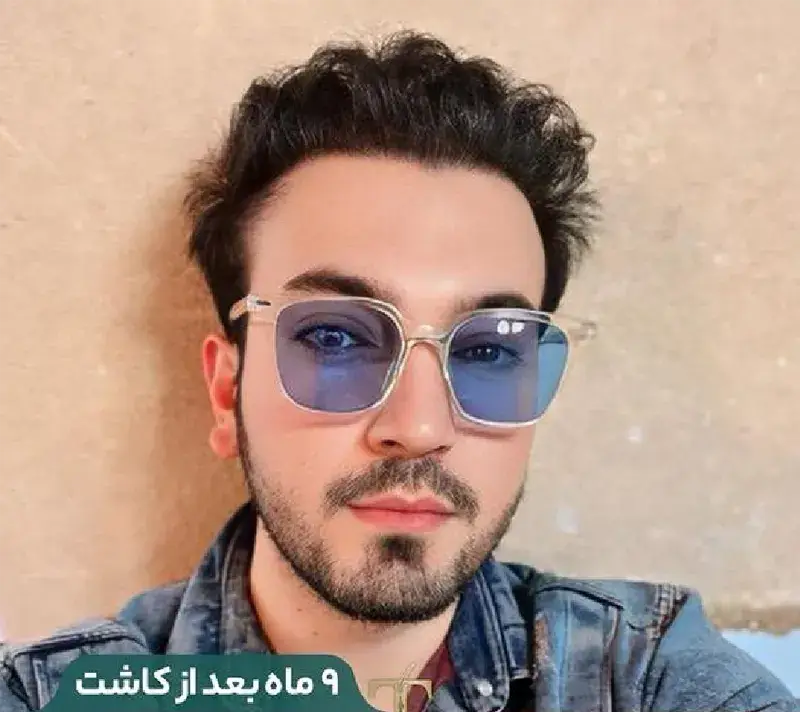 After
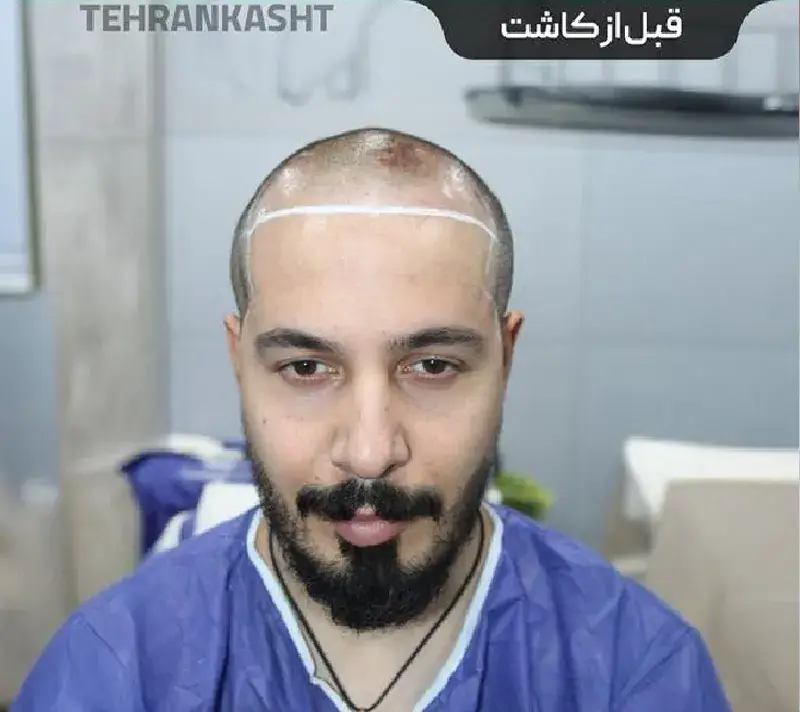 Before
 After
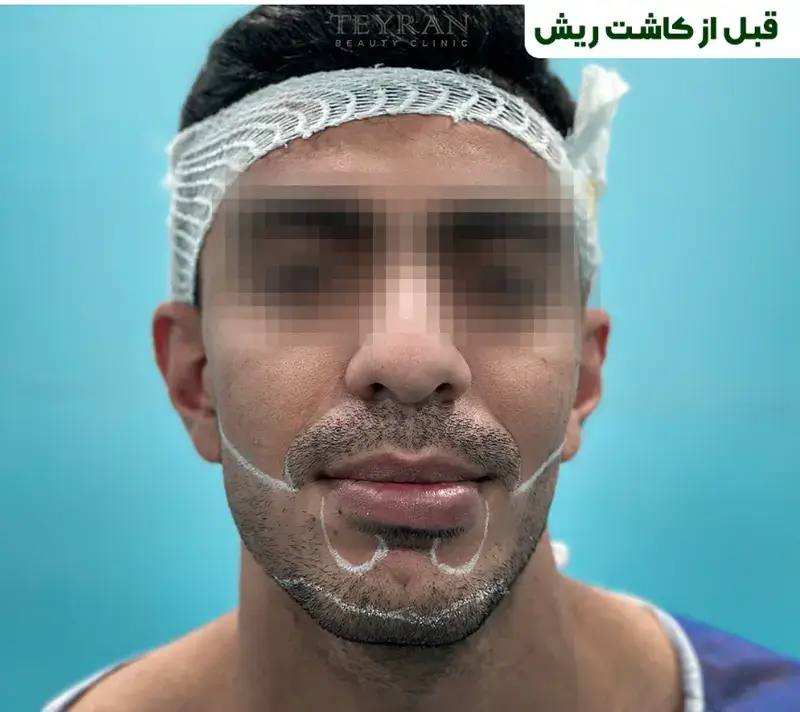 Before
 After
 Before
 After
 Before
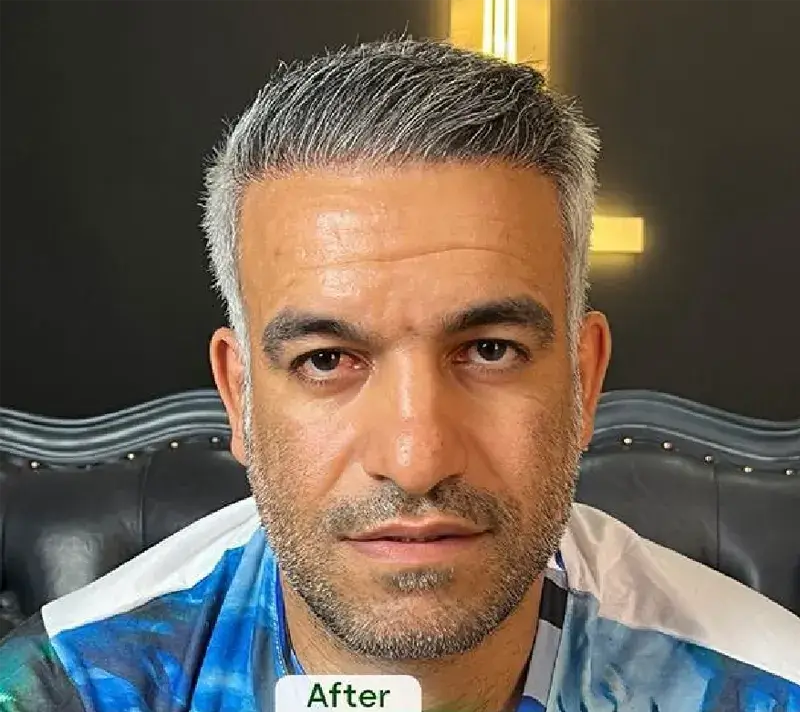 After
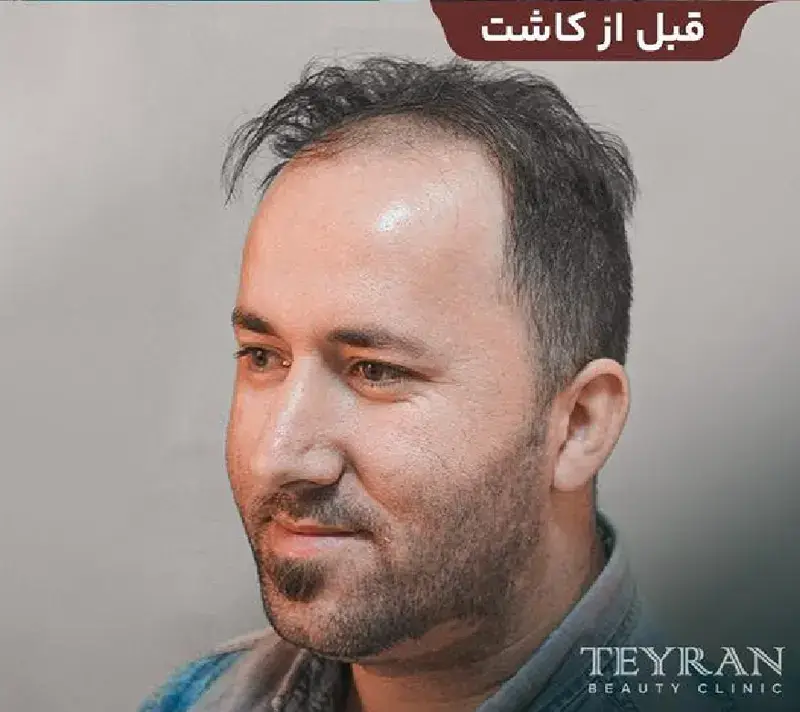 Before
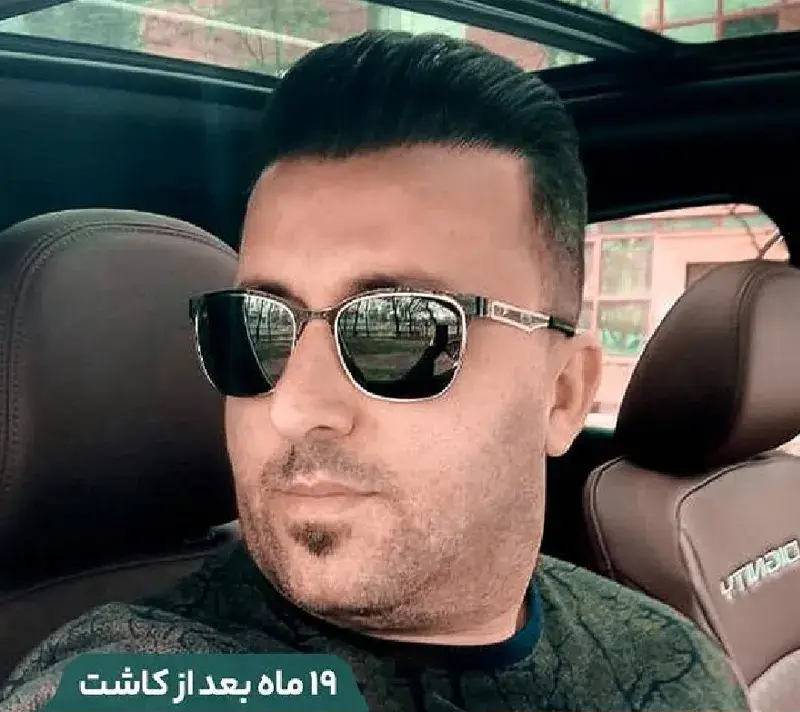 After
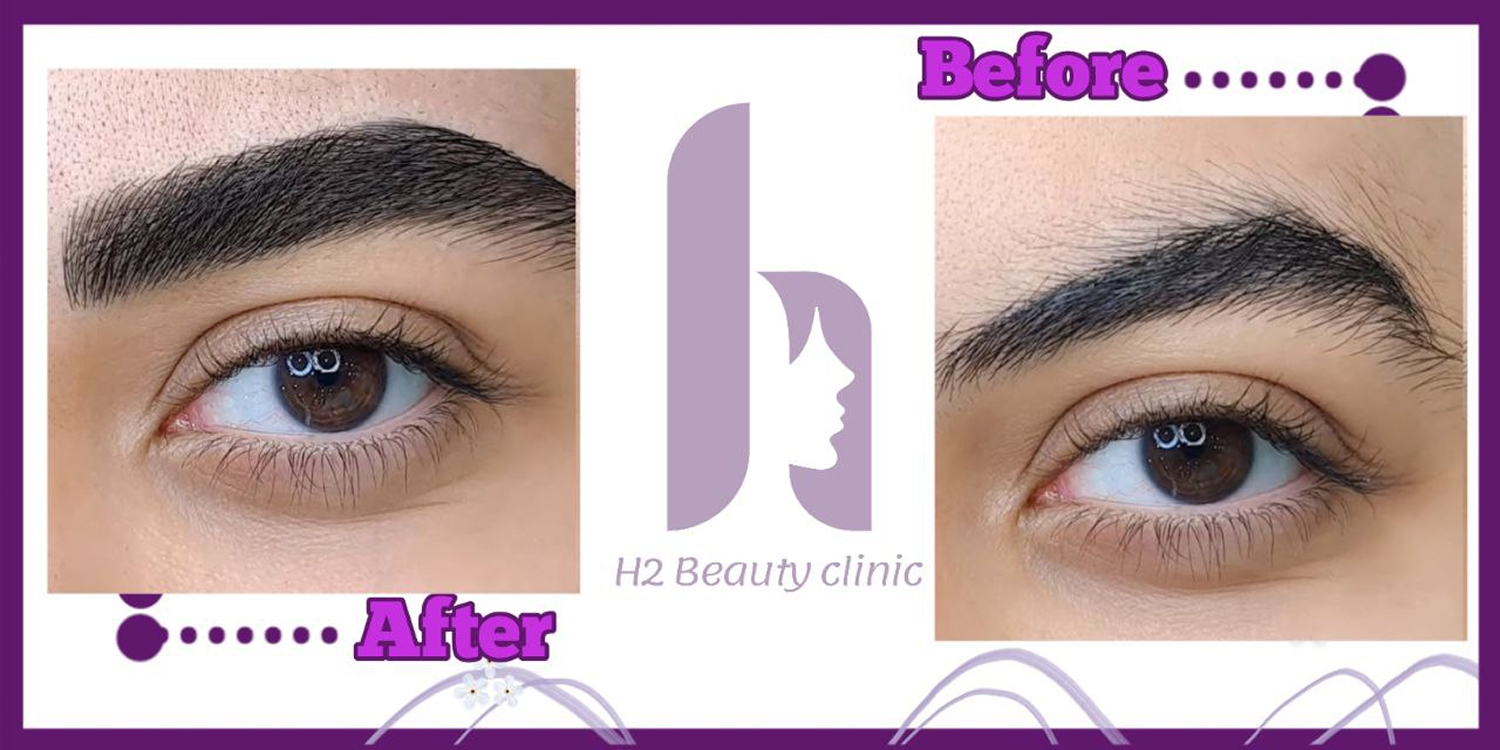 Before and after
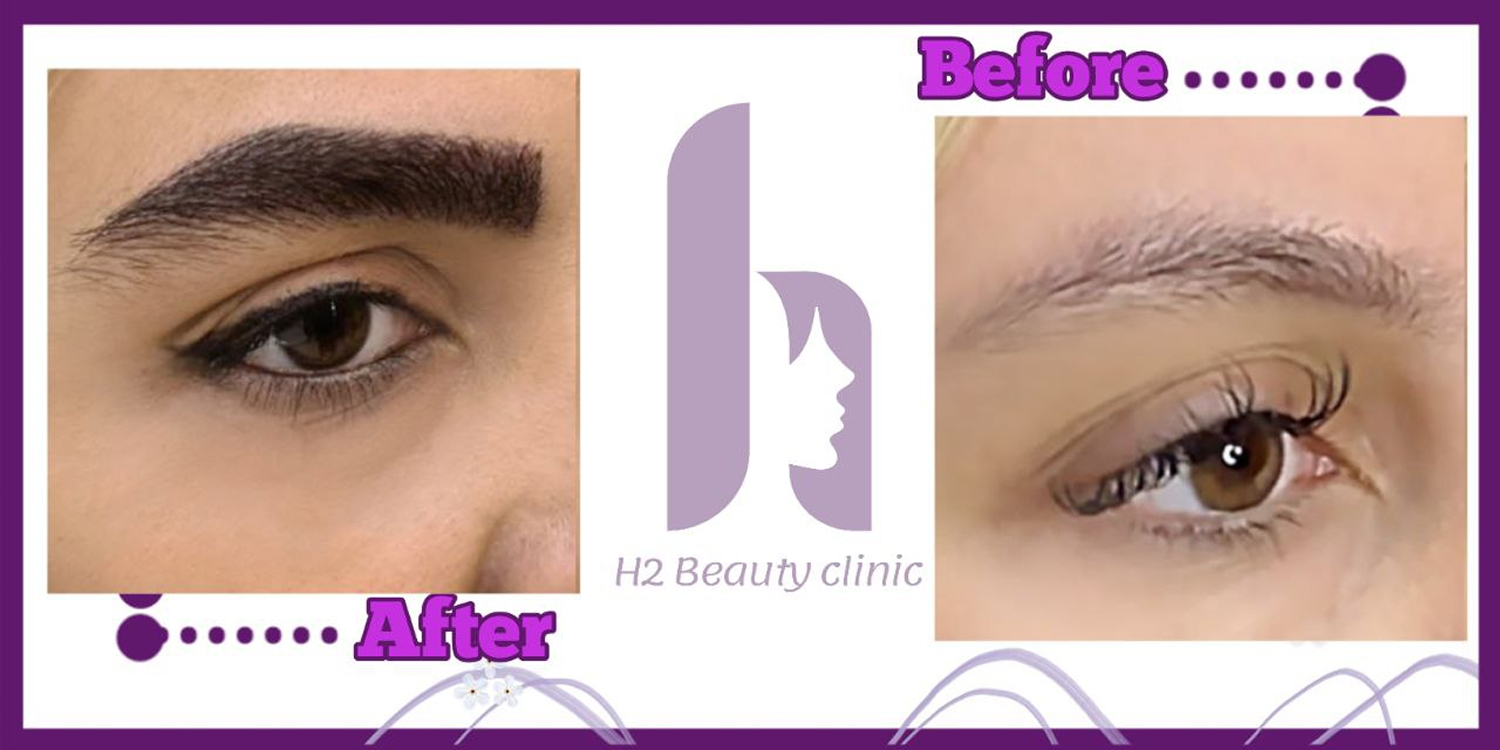 Before and after
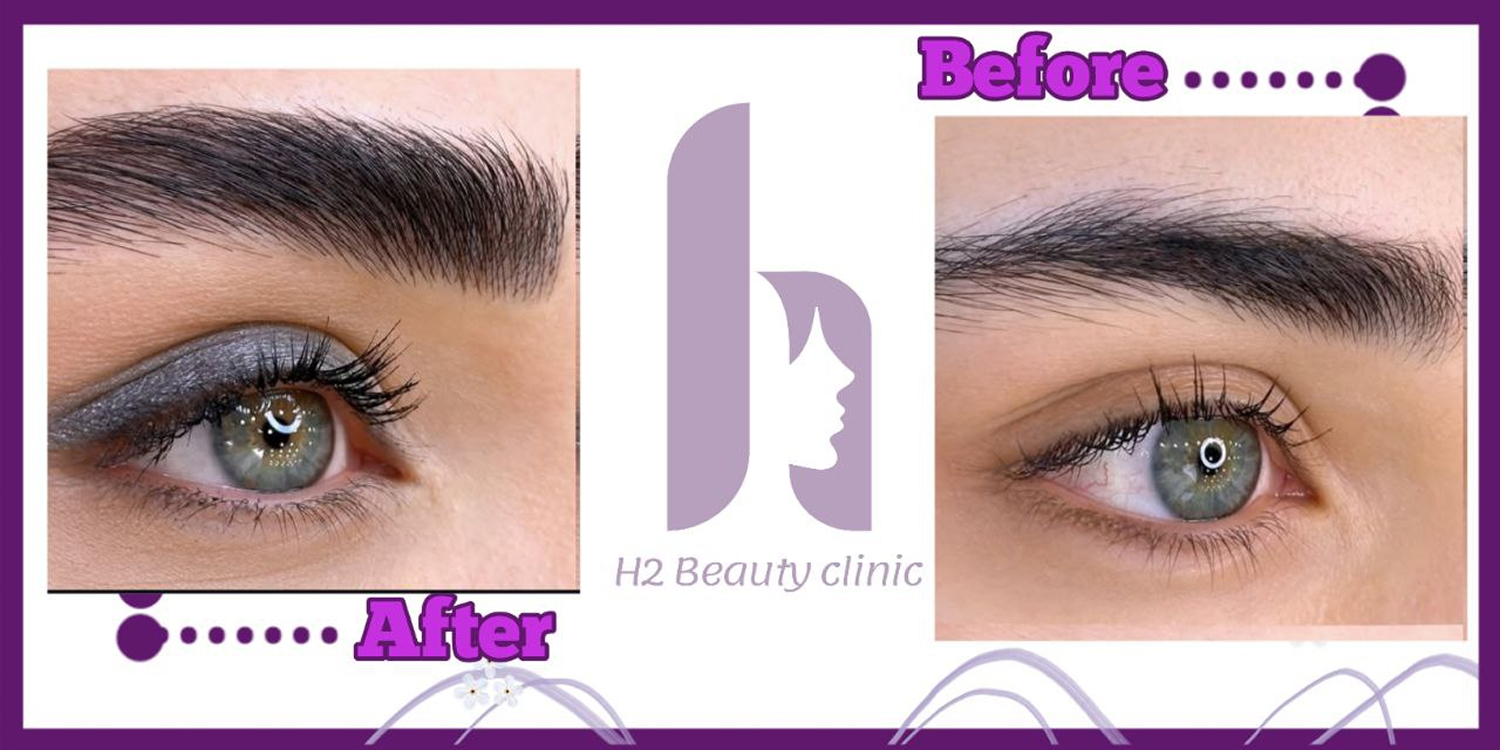 Before and after
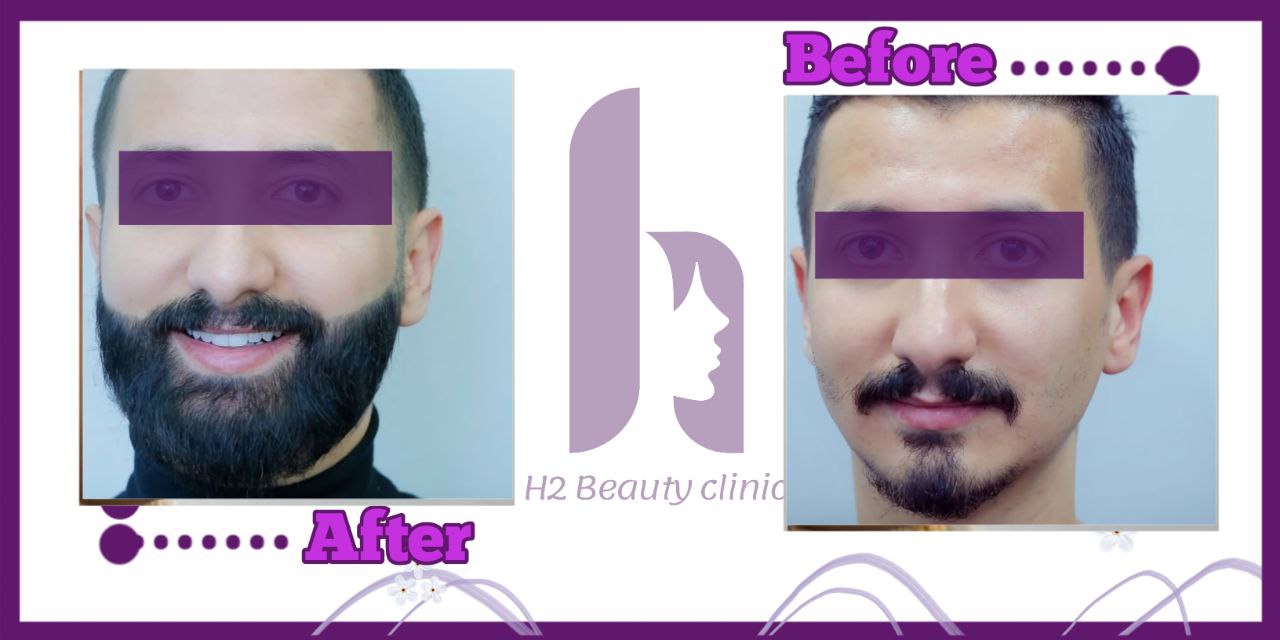 Before and after
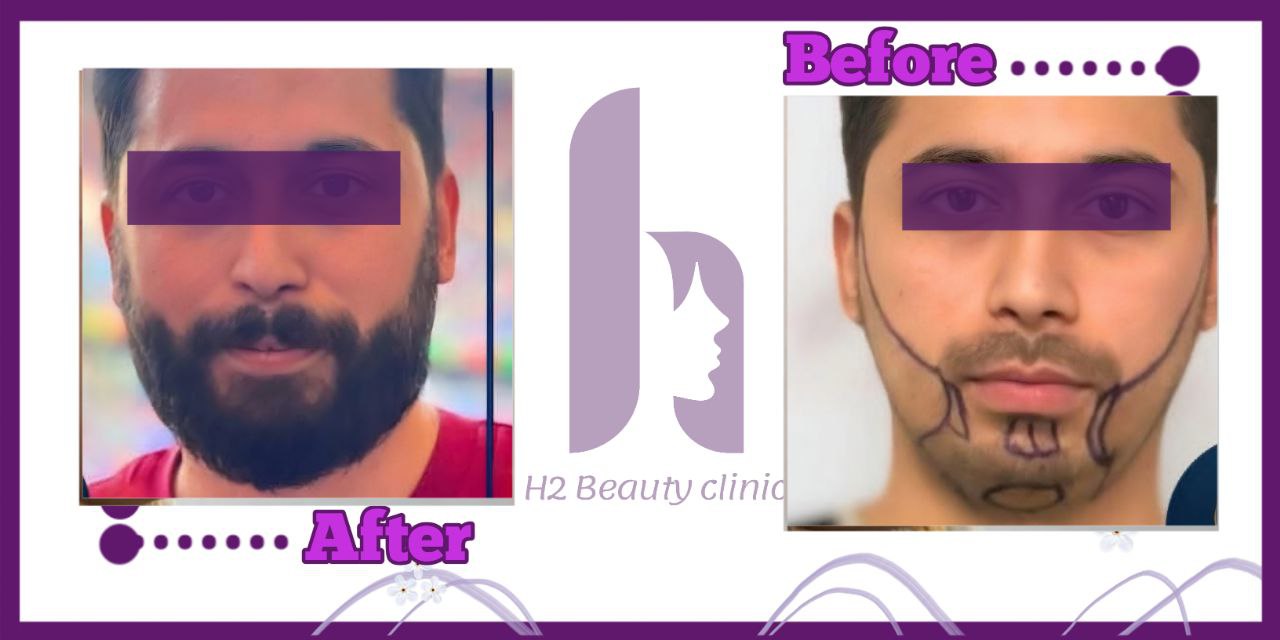 Before and after
 Before and after
 Before and after
 Before and after
 Before and after
 Before and after
 Before and after
 Before and after
 Before and after
 Before and after
 Before and after
 Before and after
 Before and after
 Before and after
 Before and after
 Before and after
 Before and after
 Before and after
 Before and after
 Before and after
 Before and after
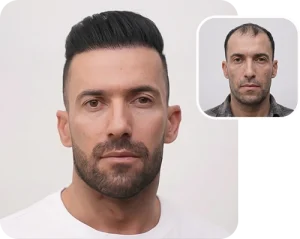 Before and after
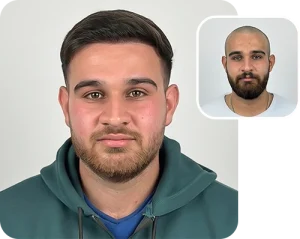 Before and after
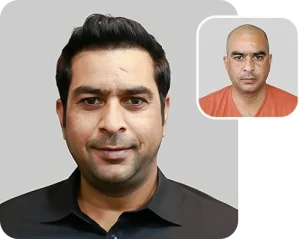 Before and after
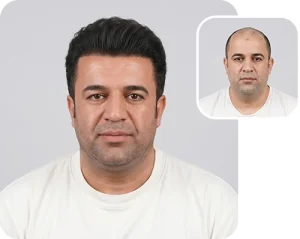 Before and after
 Before and after
 Before and after
 Before and after
 Before and after
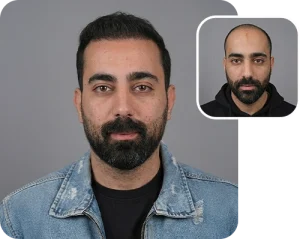 Before and after
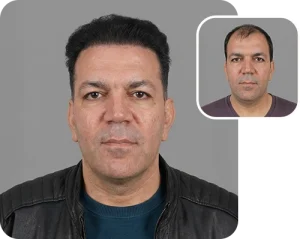 Before and after
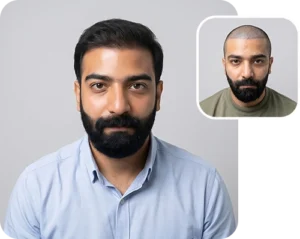 Before and after
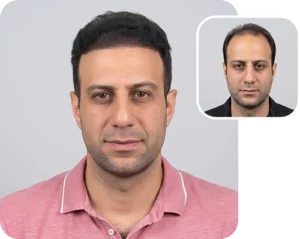 Before and after
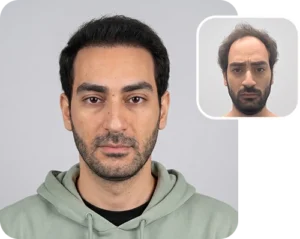 Before and after
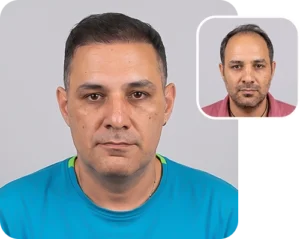 Before and after
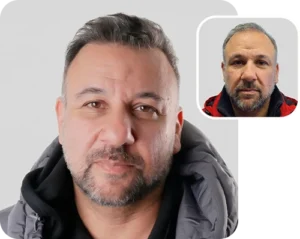 Before and after
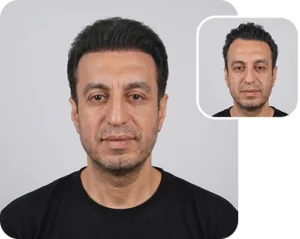 Before and after
 Before and after
 Before and after
 Before and after
 Before and after
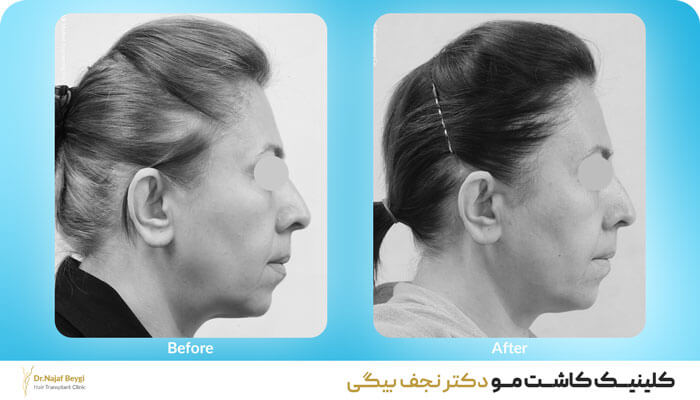 Before and after
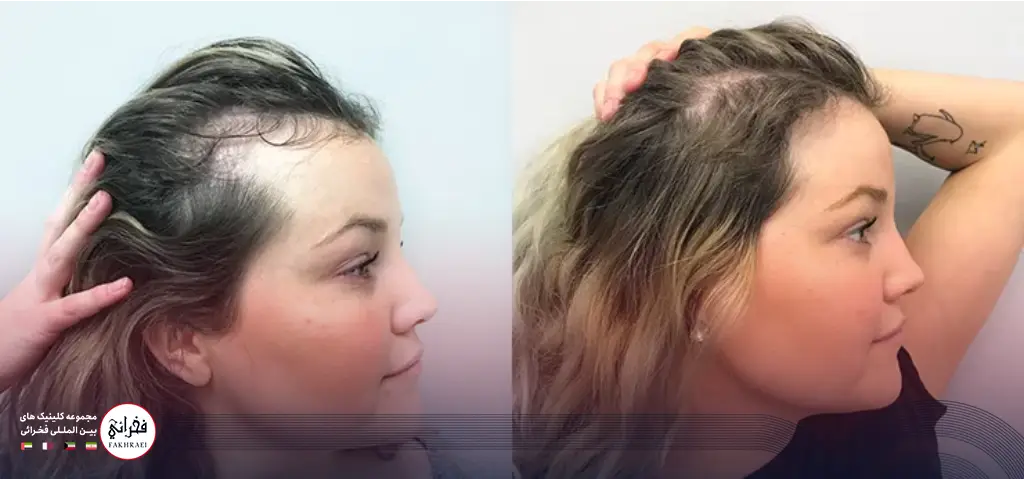 Before and after
 Before and after
 Before and after
 Before and after
Original provider pages: Tehran Kasht, Clinic H2, Fakhraei Clinic, Iranian Clinic, Dr. Najafbeigi Clinic, and ISHRS (US reference cases).
Frequently asked questions
Am I a suitable candidate for a hair transplant in Iran?
A clinician must establish the cause and stability of hair loss, examine the donor area, review your health and medications, and discuss realistic coverage. A photograph alone cannot establish candidacy.
What is the difference between FUE and FUT?
FUE removes follicular units individually; FUT removes a donor strip that is divided into grafts. Both leave scars of different patterns. The surgeon should explain which option suits your donor supply and long-term plan.
Can women have a hair transplant?
Yes, some women can, but diffuse thinning and other causes of loss need proper diagnosis first. Transplantation is not an automatic answer to female hair loss.
Can I have an eyebrow or beard transplant?
These are possible for selected patients with suitable donor hair. Eyebrow direction, curl and trimming needs, and beard design require a separate specialist assessment.
Is the result guaranteed?
No. Graft survival, future native-hair loss, scarring and cosmetic appearance vary. Ask for outcomes from patients with a similar starting pattern and for the clinic’s revision policy.
How much does it cost in US dollars?
Publicly advertised international-patient offers vary. The indicative ranges on this page are not a personal quotation. The provider must confirm graft plan, surgeon, facility, inclusions and payment terms in writing.
How long should I stay in Tehran?
There is no universal safe departure day. Plan around the surgeon’s examination, procedure, first wash or check, and medical clearance to fly; allow flexibility if a complication or change in plan occurs.
Will the transplanted hair shed?
Temporary shedding can occur after transplantation. The clinician should explain the expected growth timeline and when a lack of progress requires review.
Can Hamintour diagnose hair loss or perform the procedure?
No. Hamintour Medical coordinates information, introductions and travel support. A licensed treating clinician and facility make all medical decisions and carry out treatment.
How do I check travel rules and safety?
Review the official Iranian visa portal, your own government’s current Iran travel advice and your insurer’s exclusions before paying a deposit or booking flights.
Ready for a clinical opinion?
Tell us what area concerns you, what you have tried and what you need to know before travelling. We can help you prepare questions and seek a clinician’s preliminary review. A treating physician must confirm suitability and the final plan after appropriate assessment.
Clinical and travel sources
- NHS — Hair transplant
- ISHRS — Patient brochure
- AAD — Female pattern hair loss
- ASPS — Hair transplant risks and safety
- CDC — Medical tourism guidance
- Iran Ministry of Foreign Affairs — eVisa portal
- UK Foreign, Commonwealth & Development Office — Iran advice
This page provides general information, not individual medical advice. Medical decisions belong to the treating physician and licensed facility. Verify time-sensitive travel, entry, insurance and price information before making commitments.
