General Surgery in Iran
A practical guide to choosing a surgeon and hospital, understanding realistic costs, preparing your medical records, planning a safe stay, and arranging follow-up after you return home.
Travelling for surgery can be reasonable when the case is suitable, the surgeon and facility can be verified, the full price is clear, and enough recovery time is built into the trip. It also adds practical risks: a long journey, unfamiliar health systems, changing entry conditions, and follow-up across borders. This guide helps you examine both sides before you commit.
Hamintour Medical Tourism is a medical travel coordinator. We do not diagnose, prescribe, operate, or replace your surgeon. A treatment plan becomes valid only after a licensed clinician and the selected hospital review your records and, when required, examine you in person.
Contents
- What general surgery includes
- Is treatment abroad suitable?
- Common procedures in Iran
- Open, laparoscopic, and robotic surgery
- Records and preoperative assessment
- Estimated prices in US dollars
- Hospitals and surgeon selection
- Questions to ask before booking
- Your treatment journey
- Preparing for surgery and your stay
- Recovery, risks, and follow-up
- Visa, insurance, and travel safety
- Hamintour Medical services
- About Hamintour Medical
- Frequently asked questions
What does general surgery include?
General surgery is broader than its name suggests. It commonly covers the digestive tract, gallbladder and bile ducts, abdominal wall and groin hernias, appendix, thyroid and parathyroid glands, breast conditions, skin and soft tissue, and selected anorectal conditions. Complex cancer, liver, pancreatic, vascular, thoracic, or transplant cases may need a narrower subspecialty team.
For an international patient, the first useful question is not simply “Which hospital is best?” It is “Which surgeon routinely manages my exact diagnosis, and does the hospital have the imaging, anesthesia, intensive care, pathology, and emergency support my case may require?” A prestigious name alone does not answer those questions.
Is travelling to Iran for surgery suitable for you?
A planned trip may be practical when
- Your diagnosis is reasonably clear and the case is elective.
- A surgeon can review recent reports before you book.
- You can remain in Iran for the advised recovery and review period.
- A companion can travel if your surgeon recommends one.
- You have a written plan for complications and care after returning.
Extra caution or local treatment may be safer when
- The problem is urgent, unstable, or still unexplained.
- You have significant heart, lung, clotting, kidney, or anesthesia risk.
- You cannot stay long enough for early postoperative review.
- Your insurer excludes complications from planned treatment abroad.
- Travel restrictions or security conditions make continuity uncertain.
The CDC medical tourism guidance recommends discussing overseas care with a healthcare professional, checking provider credentials, arranging copies of medical records, understanding infection and blood clot risks, and planning follow-up before departure. These safeguards apply even when the operation itself is routine.
Common general surgery procedures in Iran
Availability varies by surgeon and hospital. Hamintour can request case-specific opinions rather than assuming that every provider offers every procedure.
Gallbladder surgery
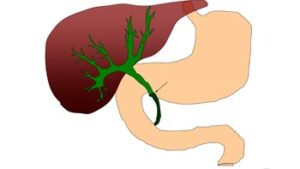
Laparoscopic cholecystectomy is commonly used for symptomatic gallstones or gallbladder inflammation. Some cases require open surgery or additional bile duct evaluation. Read our gallbladder surgery guide. The NIDDK explains when gallstones may need treatment.
Hernia repair
Inguinal, umbilical, incisional, and recurrent hernias may be repaired through open or keyhole surgery. Technique and mesh decisions depend on the hernia and patient. The NHS overview describes typical options and recovery considerations.
Appendix surgery
Appendicitis is usually an urgent condition, so international travel is generally unsuitable once acute symptoms begin. The American College of Surgeons provides a patient overview of appendectomy.
Thyroid and parathyroid surgery
These operations may be recommended for suspicious nodules, cancer, goitre causing pressure, or overactive glands. Ask about endocrine surgery experience, voice-nerve monitoring where appropriate, pathology, calcium monitoring, and follow-up. See the endocrine surgery guide.
Colorectal and bowel surgery
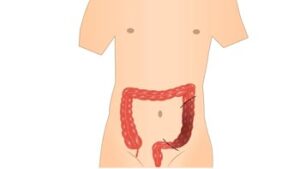
Benign disease, obstruction, inflammatory conditions, polyps, or cancer can require bowel surgery. Complex cases should be reviewed by a multidisciplinary team. Explore our guides to colon surgery and small bowel surgery.
Anorectal and soft-tissue procedures
Hemorrhoids, anal fissures, fistulas, pilonidal disease, cysts, and selected soft-tissue masses may be treated by general or colorectal surgeons. A correct diagnosis matters because similar symptoms can have different causes.
Patients researching wider abdominal procedures can also use our abdominal surgery guide, stomach surgery guide, and esophageal surgery guide.
Open, laparoscopic, and robotic approaches
Open surgery
The surgeon works through a larger incision. It can be necessary for advanced disease, major reconstruction, extensive scar tissue, emergencies, or when minimally invasive access is unsafe.
Laparoscopic surgery
Several small incisions are used for a camera and instruments. It may reduce incision pain and support faster mobility in suitable cases, but it is not automatically the safest option for everyone. Read about advanced laparoscopy in Iran.
Robotic-assisted surgery
The surgeon controls robotic instruments from a console. Availability and cost need direct confirmation. The platform does not replace surgeon judgment, and “robotic” alone does not prove a better result.
Ask why a particular approach is recommended, how often the surgeon performs it, whether conversion to open surgery is possible, and what the plan is if unexpected findings appear.
Records needed for a useful preliminary review
- A short medical history and current symptoms
- Diagnosis and previous consultation notes
- Recent laboratory results
- Ultrasound, CT, MRI, endoscopy, or pathology reports
- Original imaging files when available, preferably DICOM
- Previous operation reports and discharge summaries
- Medication list, allergies, and chronic conditions
- Passport nationality for entry and scheduling checks
Before accepting a quote
Confirm whether the opinion is based only on documents or includes a video consultation. Ask which tests may need repeating in Iran and whether the plan can change after physical examination. Translation should preserve medical meaning, measurement units, and dates.
Never stop blood thinners, diabetes medicines, supplements, or other prescribed treatment solely because of a general online instruction. Obtain individualized directions from the surgical and anesthesia teams.
Estimated general surgery prices in Iran
International-patient prices are usually quoted in US dollars and can differ from domestic tariffs. The estimates below are planning ranges gathered from English-language international patient and Iran medical travel listings. They are not binding offers.
| Procedure | Approximate range (USD) | What can change the total |
|---|---|---|
| Laparoscopic gallbladder removal | $700–$4,700 | Imaging, bile duct tests, acute inflammation, admission length, open conversion |
| Hernia repair | $500–$6,250 | Hernia type, one or both sides, open or laparoscopic method, mesh, recurrence |
| Appendectomy | $750–$3,150 | Simple versus perforated appendix, urgency, infection, admission and medicines |
| Thyroid surgery | $1,000–$3,750 | Partial or total removal, pathology, nerve monitoring, calcium observation |
| Hemorrhoid, fissure, or pilonidal procedure | $450–$2,200 | Diagnosis, method, anesthesia, complexity and required follow-up |
| Colectomy or major bowel surgery | From about $5,600 | Extent of resection, cancer staging, intensive care, pathology, stoma and stay |
Price note: All amounts are approximate and may change after medical review. Request an itemized written quote from Hamintour Medical for your exact case. Pricing reference names: Kasra Hospital International Patient Department, Armaghan Surgery Center, MedexaTrip, and Tourism Angels.
What should a written quote show?
Ask for surgeon, assistant, anesthesia, operating room, implant or mesh, standard medicines, routine tests, pathology, expected room type and nights, interpreter, transfers, and coordinator fees to be separated or clearly bundled. Also ask what is excluded: additional imaging, blood products, intensive care, treatment of an unrelated condition, extended stay, reoperation, and care after returning home. Currency and payment method should be written down because exchange rates and banking access can change.
Request a case-specific preliminary assessment
After you share the relevant records, Hamintour Medical can coordinate review by an appropriate provider and request a provisional plan, expected stay, and itemized estimate. The final plan remains subject to the surgeon’s assessment and hospital approval.
Request Your Free Consultation
Get a personalized treatment plan from our elite medical experts.
Hospitals and surgeons: how to make a defensible choice
Tehran has the largest concentration of private hospitals, subspecialists, diagnostic services, and international patient departments, so it is usually the starting point for planned general surgery. A provider outside Tehran can still be appropriate when the relevant surgeon or service is stronger for the specific case.
Examples of Tehran hospitals with international patient services include Kasra Hospital, Nikan Hospital, Laleh Hospital, and Ebnesina Hospital. Inclusion here is for comparison and does not rank or guarantee any institution. Availability, surgeon privileges, and international-patient arrangements must be reconfirmed for each case.
Hamintour Medical has coordinated with clinicians and facilities in its network, including hospitals used for international cases. A past working relationship is not a substitute for current credential checks, suitability, or informed consent. For a broader comparison, see our guide to general surgery centers and surgeons in Iran.
Verify the surgeon
- Full name, specialty, registration, and current practice location
- Experience with your exact operation, including complex cases
- Who will perform the key steps and who provides follow-up
- Expected alternatives, major risks, and likely recovery
Iranian physician registration can be checked through the Iran Medical Council member search. If a record is unclear, request clarification before paying.
Verify the facility
- Hospital privileges for the named surgeon
- International patient department and interpreter access
- On-site imaging, laboratory, blood bank, pathology, and ICU support
- Written infection-control and complication pathway
- Medical-record language, discharge report, and contact after departure
Questions to ask before you book or pay
A good consultation should help you understand the reasoning behind the recommendation. Send your questions in writing and keep the answers with your quote. If a provider cannot answer a question before travel because an examination is required, that limitation should be stated clearly.
Questions about the diagnosis and plan
- What diagnosis are you treating, and what evidence supports it?
- Is the operation urgent, recommended, optional, or one of several reasonable choices?
- What could happen if I wait, seek another opinion, or choose non-surgical treatment?
- Which operation and approach do you recommend, and why is it suitable for me?
- What findings during surgery could change the planned procedure?
- Will tissue be sent to pathology, and when and how will I receive the final report?
Questions about people and place
- Who is the lead surgeon, and who performs the important steps?
- How often does this team perform the proposed operation?
- Who provides anesthesia, ward care, and urgent cover overnight?
- Does the surgeon have privileges at the named hospital?
- Are intensive care, imaging, blood bank, endoscopy, and pathology available if needed?
- Who will speak with my companion and provide interpretation?
Questions about risk and recovery
- What are the common and serious risks for my case?
- Could I need a drain, stoma, blood transfusion, open conversion, or further operation?
- What is the expected hospital stay, and what must happen before discharge?
- How many local follow-up visits are expected?
- What symptoms require urgent review, and where should I go outside office hours?
- When might I safely fly, work, lift luggage, exercise, and travel alone?
Questions about cost and continuity
- Which services are included in the price, and which are billed separately?
- What happens financially if the procedure changes or the stay becomes longer?
- Who pays for treatment of a complication or readmission?
- What is the cancellation and refund policy if the surgeon postpones or changes the plan?
- Which documents will be supplied in English?
- How will my home doctor contact the treating team after I leave Iran?
Your treatment journey, step by step
Share records securely
Send reports, imaging, medication details, allergies, and questions. Remove irrelevant sensitive information where possible.
Receive a provisional opinion
A suitable clinician reviews the available material. The response should state limitations and any missing tests.
Compare plans
Review the proposed operation, alternatives, surgeon, hospital, expected nights, recovery, risks, inclusions, and exclusions.
Plan entry and stay
Confirm visa requirements, flight flexibility, accessible accommodation, companion needs, transfers, and contingency funds.
In-person assessment
The hospital verifies your condition, repeats necessary tests, obtains informed consent, and finalizes the operation.
Discharge and review
Leave with written instructions, medication list, wound plan, pathology arrangements, emergency contact, and fitness-to-fly advice.
Preparing for surgery and your stay
Preparation should follow written instructions from the hospital. The list below helps with logistics, but it does not replace the surgical or anesthesia team’s directions.
Medical preparation
- Carry medicines in original packaging and bring a list of generic names and doses.
- Disclose allergies, previous anesthesia problems, implants, sleep apnea, pregnancy possibility, smoking, alcohol use, and supplements.
- Ask which medicines to take on the operation day and when fasting begins. Do not make changes without instructions.
- Bring recent scans and reports even if they were already sent electronically.
Practical packing
- Choose loose clothing that does not press on the operative area.
- Keep passport, hospital address, emergency contacts, payment records, and insurance documents together.
- Use luggage that your companion can manage because lifting may be restricted.
- Bring charging cables and secure access to translated records, but protect medical data on shared devices.
Accommodation and companion
- Prefer a lift, accessible bathroom, short route to the hospital, and a quiet place to rest.
- Ask whether a responsible adult must remain with you after day surgery or anesthesia.
- Confirm food, wound supplies, refrigeration for medicine, and transport for reviews.
- Keep the first days flexible; tourism immediately after an operation may delay recovery.
Communication and language
Arrange interpretation for consent, anesthesia assessment, discharge, and any discussion of complications. A companion can provide support, but should not be expected to translate complex medical information unless they are fully comfortable doing so. Ask the hospital to record important instructions in English and use generic medicine names so a clinician in another country can identify them.
Infection prevention
Ask when to wash, whether any hair removal is needed, and how the wound should be cared for. Do not shave the operative site unless the team specifically instructs you. After discharge, clean hands before touching dressings, follow the written shower and dressing plan, and do not use unapproved creams or antibiotics. A clean, dry incision can still need review if pain, redness, heat, swelling, drainage, or fever is worsening.
Recovery, risks, and follow-up
Recovery depends on the diagnosis, technique, anesthesia, age, other conditions, complications, and the physical demands of your journey. Keyhole incisions do not mean the internal healing is complete. Your surgeon should decide when you can shower, lift weight, drive, work, exercise, fly, and resume medicines.
Possible risks to discuss
Risks vary but may include bleeding, infection, injury to nearby structures, anesthesia complications, blood clots, pneumonia, wound problems, persistent symptoms, scar formation, hernia recurrence, and the need for another procedure. Procedure-specific risks must be explained by the surgeon.
Documents to take home
Request the operative note, anesthesia record or summary, discharge report, medication list with generic names, implant or mesh details, laboratory and imaging results, pathology report or delivery plan, follow-up schedule, and a contact for urgent questions.
Flying after surgery
Long travel after an operation can increase discomfort and blood clot risk. Timing varies greatly; an airline may also apply its own medical clearance rules. Get written advice from the surgeon, tell the team the length of your route, and do not choose a return flight solely from an advertised package duration.
Before leaving Iran, identify a clinician in your home country who can examine you if needed. Ask the Iranian team how images, laboratory results, and pathology will be exchanged and how time-sensitive concerns will be answered across time zones.
Visa, insurance, payments, and current travel conditions
Entry and medical visa checks
Requirements depend on nationality, passport, purpose of travel, and current policy. Use Iran’s official electronic visa portal and confirm details with the relevant Iranian embassy or consulate before buying non-refundable travel. An invitation or treatment letter does not by itself guarantee visa approval or entry.
Insurance and financial planning
Standard travel insurance may exclude planned treatment and related complications. Ask the insurer in writing about cancellation, medical evacuation, complications of elective treatment, additional accommodation, and a companion’s costs. Keep an emergency reserve and confirm acceptable payment methods because international bank-card access can be restricted.
Safety after regional conflict or security changes
Daily life and medical services may appear normal in major cities while official foreign-government advice remains restrictive. Conditions can change quickly, and an uneventful local day does not remove risks related to regional tensions, detention, transport disruption, airspace closures, or limited consular support. Hamintour Medical can provide practical local updates, but it cannot guarantee safety or replace official advice.
Before departure and again before any domestic transfer, review the advice issued for your passport country. Examples include the United States travel advisory, the United Kingdom foreign travel advice, and Australia’s Smartraveller advice. Confirm flights, border access, local transport, communications, insurance validity, and contingency plans. If official advice conflicts with a proposed itinerary, pause and reassess.
Hamintour Medical services
Our role is to make the administrative and travel side of care easier to understand and manage. Depending on your needs, coordination can include:
Before travel
- Organizing records for preliminary specialist review
- Introducing suitable doctors, clinics, or hospitals
- Requesting appointments, provisional plans, and estimates
- Helping compare practical differences between options
During your stay
- Flight and accommodation support on request
- Airport reception and local transport
- Interpreter or patient companion where arranged
- Coordination of tests ordered by the treating doctor
After treatment
- Helping collect discharge documents
- Coordinating scheduled reviews in Iran
- Supporting communication with the provider after departure
- Relaying questions without independently giving medical advice
Optional sightseeing is considered only when the treating clinician agrees that it is compatible with your condition and recovery. Medical appointments and rest take priority.
About Hamintour Medical
Hamintour Medical Tourism is an Iran-based medical travel coordination platform. We help international patients identify relevant treatment options and communicate with a network of Iranian doctors, surgeons, clinics, and hospitals. We also coordinate practical parts of the journey, from planning and arrival to local transport and post-treatment communication.
Hamintour is not a hospital, clinic, medical practice, or healthcare provider, and it does not employ a dedicated treating medical team. We do not diagnose conditions, prescribe medicines, perform procedures, or promise clinical outcomes. Medical responsibility remains with the licensed provider selected by the patient. Editorial information in this page is designed to support informed questions, not to replace an individual consultation.
For more independent planning resources, visit the Hamintour Medical Magazine.
Frequently asked questions
How much does general surgery cost in Iran?
Indicative international-patient prices vary widely by operation and complexity. Examples range from about $450 for selected minor anorectal procedures to several thousand dollars for major bowel surgery. A reliable estimate requires record review and an itemized quote showing inclusions and exclusions.
Which Iranian city is most practical for general surgery?
Tehran is usually the first place to compare because it has a large concentration of private hospitals, subspecialists, diagnostic services, and international patient departments. Another city may be appropriate when a particular surgeon or service better matches the case.
Can I choose laparoscopic surgery?
You can ask for a laparoscopic opinion, but the surgeon must determine whether it is safe and useful for your diagnosis. Previous operations, inflammation, anatomy, cancer extent, and available expertise can affect the approach. Conversion to open surgery may sometimes be necessary.
How long should I stay in Iran?
There is no safe universal duration. It depends on the procedure, recovery, pathology, complications, follow-up needs, and flight length. Book flexible travel only after the treating team gives case-specific advice, and allow for an extended stay if recovery is slower than expected.
Does Hamintour Medical provide treatment?
No. Hamintour Medical coordinates introductions, communication, appointments, travel, accommodation, transport, interpreters, and follow-up communication. Diagnosis, prescriptions, surgery, and clinical decisions belong to licensed healthcare providers.
How can I verify a surgeon in Iran?
Request the surgeon’s full name, specialty, registration details, hospital privileges, and experience with your specific operation. Search the Iran Medical Council register and confirm the appointment directly through the hospital or international patient department.
Will my insurance cover planned surgery in Iran?
Coverage cannot be assumed. Many policies exclude elective treatment abroad or complications arising from it. Ask the insurer for written confirmation covering the procedure, cancellation, complications, evacuation, additional accommodation, and follow-up.
Is it currently safe to travel to Iran for treatment?
Conditions and official advice can change quickly. Review the guidance issued for your nationality, check flights and border access, consider limited consular support, and reassess immediately before travel. Local operational updates cannot guarantee personal safety or override government advice.
Start with your records, not a sales package
Tell us the diagnosis, proposed procedure, current symptoms, and preferred travel window. We can organize a preliminary review and request a transparent plan from a suitable provider.