Ultimate Guide to Spinal Fusion in Iran: Your Path to Recovery
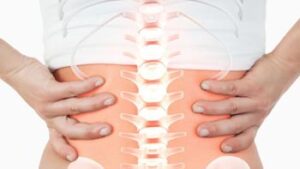
Introduction to Spinal Fusion in Iran Spinal fusion is a transformative surgical procedure designed to alleviate chronic back pain, correct spinal deformities, and restore stability

A practical guide to joint replacement, sports injuries, hospitals, USD costs, rehabilitation and a safe return home.
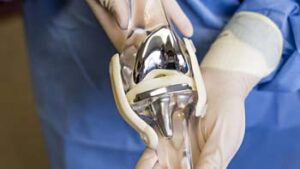
The scene is illustrative. It does not show a named clinician, facility or patient result.
Explore your optionsIf you are considering orthopedic care abroad, the hardest question is rarely “Where can I have surgery?” It is “What treatment do I actually need, who will perform it, how will I recover, and can I safely travel home?” This guide is designed to help you answer those questions before you commit to a trip to Iran.
Iran has dedicated orthopedic teaching centers and hospitals with international patient services. That makes it an option worth examining for some patients, especially when they can obtain a case-specific plan and a clear rehabilitation pathway. Surgery is not automatically the right answer. A licensed orthopedic specialist must review your diagnosis, imaging, medical history and nonoperative alternatives. Hamintour Medical can coordinate introductions and travel; it does not diagnose, prescribe or perform treatment.
“Orthopedic surgery” covers very different problems. A hip worn by arthritis, a torn ACL and a painful spine need different specialists, facilities and recovery plans. Use this table to narrow your search. It is a starting point for discussion, not a diagnosis.
| Problem or goal | Possible assessment and treatment | Key decision before travel |
|---|---|---|
| Persistent knee pain and stiffness | Examination and standing X-rays; rehabilitation, medication or injection where suitable; partial or total knee replacement for selected patients | Is arthritis severe enough, and have reasonable nonsurgical options been tried? |
| Hip pain affecting walking or sleep | Examination and hip X-rays; treatment of the underlying condition; total hip replacement in selected cases | What is causing the pain, and would a replacement address it? |
| Knee instability after injury | Examination and MRI when indicated; rehabilitation; ACL reconstruction or combined repair for selected injuries | How do instability, activity goals and any meniscus injury change the plan? |
| Shoulder pain, weakness or limited motion | Rotator cuff assessment, rehabilitation and possibly arthroscopy or shoulder replacement | Is the problem tendon, joint surface, nerve or another cause? |
| Fracture, deformity or failed prior implant | Specialist review with current imaging; fixation, corrective surgery or revision when appropriate | Does the receiving hospital have the exact expertise, implants and complication pathway? |
| Back or neck pain with nerve symptoms | Focused neurological assessment and imaging; medication, rehabilitation or selected spine procedures | Is there a defined surgical target? Which specialist and hospital would manage complications? |
For knee replacement, the NHS explains that surgery is generally considered when pain and stiffness persist despite other measures and daily life is affected. The American Academy of Orthopaedic Surgeons (AAOS) describes a similar individualized decision for hip osteoarthritis. For ACL injuries, the AAOS patient summary notes that treatment depends on instability, activity and associated injuries; some people improve enough with rehabilitation to avoid an operation.
Ask whether the proposed operation is partial, total or revision; request the implant manufacturer, model and fixation plan in writing. Ask how many physiotherapy sessions you will need and who will supervise them.
Clarify the exact structures injured and whether reconstruction, repair or rehabilitation best fits your activity goals. A quoted operation without a postoperative therapy plan is incomplete.
These cases may need different imaging, specialized teams and longer follow-up. Confirm which hospital service, surgeon and rehabilitation setting can handle the specific diagnosis before you travel.
With degenerative joint disease, symptoms, examination findings, X-rays and the effect on daily life matter together. An X-ray alone does not tell us how much pain you feel; pain alone does not establish that replacement is needed. For ACL injury, a plan should account for instability, other ligament or meniscus damage, sports or work demands and the possibility of structured rehabilitation. For spine symptoms, a surgeon should explain what the imaging actually shows and whether that finding matches your symptoms.
Before asking for a surgical quote, ask for a written clinical opinion that states the diagnosis, alternatives, likely benefit, material risks and the consequences of waiting. A second opinion can be particularly valuable for a revision joint replacement, a proposed spinal fusion or an operation whose indication is uncertain. Ask the treating team what will happen if the plan changes after in-person examination in Iran.
These examples are included because their own institutional websites document orthopedic services or an international patient route. They are not a ranking, a claim of partnership or a promise that a specific operation is available on your preferred date. Tehran is emphasized because it offers several documented orthopedic and rehabilitation options; a Mashhad hospital is included because it publishes English-language USD price examples.
| Center and location | What its own site documents | What you should confirm | Official source |
|---|---|---|---|
| Shafa Yahyaian Orthopedic Hospital Tehran | Dedicated orthopedic hospital; joint, shoulder, spine, hand and other services; imaging, physiotherapy and international patient department | Exact surgical team, international admission terms, rehabilitation capacity and written quote | Hospital website |
| Akhtar Medical, Educational and Therapeutic Center Tehran | Orthopedic clinics and department, operating rooms, physiotherapy and an international patient section | Service for your diagnosis, implant supply and current IPD process | Hospital website |
| Parsa Hospital Tehran | Orthopedic operating room lists arthroscopy, joint replacement and fracture procedures; physiotherapy is also documented | Named surgeon, procedure-specific capability and postoperative rehabilitation | Orthopedic operating room; physiotherapy |
| Nikan Hospital network Tehran | Orthopedic category on its physician finder and an international patient department; multiple hospital branches | Which specific branch, doctor and operating facility would treat you | Hospital website; international unit |
| Mehr Hospital Mashhad | Orthopedic doctors listed and a public English orthopedic price page | Current price, detailed inclusions and whether your surgeon and implant are available | Doctors; USD examples |
A hospital website describes what the hospital says it offers. It does not independently establish outcomes, accreditation status, infection rates or suitability for your own case. Request the named surgeon's Iran Medical Council record, the hospital's current authorization for the proposed service, and a recent case-specific quote. For a broader Tehran overview, see our orthopedic centers guide; verify every claim against the center's current primary source.
A price without a defined procedure, implant and included services is easy to misunderstand. The amounts below are public approximate examples from one hospital in Mashhad, not a national median, a Tehran quote or a Hamintour quotation. They are useful for forming questions, but the hospital may change them and your final plan may be different.
| Procedure | Published approximate USD range | What may materially change it |
|---|---|---|
| ACL procedure (listed as “ACL repair” by the hospital) | $1,500–$3,800 | Graft choice, meniscus work, implants and rehabilitation |
| One-sided total knee replacement | $2,500–$4,500 | Implant brand and type, complexity, length of stay |
| One-sided total hip replacement | $2,500–$4,500 | Implant materials, fixation and any additional work |
| Knee arthroscopy | $2,000–$3,500 | Diagnostic versus repair procedure and consumables |
| Shoulder replacement | $2,500–$4,500 | Standard versus reverse prosthesis and case complexity |
| Hallux valgus correction | $1,100–$2,500 | Technique, implants and additional procedures |
Source for every figure: Mehr Hospital orthopedic prices. The page also contains at least one apparent typographical inconsistency in another price row, so the figures above should be treated as indicative only. Ask for a current written quotation for your exact case and confirm the currency and payment method. We have not presented an invented “Hamintour observed” median or a cross-country savings percentage.
For a meaningful comparison, request an itemized estimate showing surgeon and anesthesia fees, operating room, prosthesis or graft, imaging, medicines, physiotherapy, admission, complication-related charges, accommodation and transport. Ask what is excluded. A revision operation, bone loss, infection or more nights in hospital can change the total considerably. Tell the center about prior surgery and send the original operative report if you have it.
Share your diagnosis, current imaging and preferred travel window. Hamintour can coordinate a clinical review and request an itemized USD quotation from an appropriate provider. A quotation is not a diagnosis or a guarantee that an operation is suitable.
Get a personalized treatment plan from our elite medical experts.
If you prefer a short conversation first, message Hamintour Medical on WhatsApp. Keep sensitive records out of a public comment or review.

Hamintour Medical is a coordination platform. We can help you find and compare relevant options, arrange contact with a treating specialist, coordinate appointments, travel, suitable accommodation, local transport, interpretation and follow-up communication. We do not own or run the hospitals listed above, employ the treating surgeon, review imaging as your physician, prescribe medication or make the final treatment decision.
Send a brief symptom history, diagnosis if known, prior treatments, medications and the actual imaging files. Photos of a report are often insufficient when a surgeon needs to inspect images.
We coordinate a specialist review so you can understand whether further tests are needed, what treatment is proposed, alternatives and the rehabilitation plan. The clinician's opinion takes priority.
We help organize a written quote, admission and recovery arrangements, airport transfer and communication with the center. After return, we can help reconnect you with the treating team if questions arise.
No coordinator can responsibly promise a result, a fixed surgery date or a particular implant before a licensed provider has evaluated the case and confirmed availability. If the review suggests you should stay close to home for urgent care or extended rehabilitation, that is an important answer too.
For joint replacement, ask for the proposed implant manufacturer, model, bearing material and whether a specific device is included in the quoted price. After surgery, request a copy of the operative report and implant identification. For ACL reconstruction, clarify graft choice and the plan for any meniscal injury. For spine surgery, ask the team to show where the nerve or structural problem appears on imaging and why the proposed procedure should address your symptoms.
Ask whether your home clinician can receive an English discharge summary, medication list, rehabilitation protocol and contact details for the treating team. The CDC medical tourism guidance specifically advises patients to arrange follow-up and obtain records for clinicians at home.
After a joint replacement, progress is measured in months, not in a sightseeing itinerary. The NHS knee recovery guide explains that walking assistance and physiotherapy are part of early recovery and that full recovery can take several months or longer. The surgeon and physiotherapist should explain wound care, mobility milestones, pain control and when to seek urgent help.
Air travel adds a separate concern. The CDC notes that surgery and prolonged air travel can each increase blood clot risk. The Royal National Orthopaedic Hospital advises discussing flight plans with the surgeon before surgery and describes substantially longer waits for long-haul travel after joint replacement than some short medical tourism itineraries allow. There is no single flight date appropriate for everyone. Do not book a nonrefundable return flight around an assumed discharge date.
| Stage | What should be confirmed | Why it matters |
|---|---|---|
| Before departure | Travel fitness, surgery timing, return-flight flexibility, home physiotherapist | Complications or a change in plan may require a longer stay |
| Hospital admission | Expected inpatient stay, early mobilization, anticoagulation plan when prescribed | Care varies by procedure and individual risk |
| Local recovery | Wound review, mobility assessment, rehabilitation sessions, accessible accommodation | Safe daily functioning is more important than a calendar target |
| Before flying | Written clearance from treating team, clot prevention plan, airline mobility needs | Long sitting and recent surgery can compound clot risk |
| After arrival home | Named local clinician, physiotherapy, access to records, urgent escalation plan | Continuity of care is part of treatment, not an optional extra |
If the wound becomes red or drains, you have fever, new calf swelling or pain, chest pain, shortness of breath or sudden weakness, seek urgent medical help. The AAOS joint replacement aftercare explains symptoms that can signal a blood clot. Do not wait for an online coordinator to diagnose a possible complication.
For orthopedic care, a photograph of a scar or someone walking immediately after surgery cannot demonstrate a durable result. The evidence that matters is the diagnosis, the appropriateness of the operation, a documented implant or repair, defined functional measures, complications and follow-up. Before-and-after X-rays can help a specialist discuss alignment or implant position, but they must be interpreted with the clinical history and the patient's consent. We have therefore not filled this page with unrelated cosmetic-style before-and-after images.
Ask the surgeon what outcome is realistic for you: pain reduction, walking distance, stability, range of motion or return to a particular activity. Ask how these will be measured and what rehabilitation is required. If a center gives a success percentage, request the procedure, number of patients, definition of success, follow-up period and complication reporting. Without those details, a percentage may mislead.
Check a doctor's individual Iran Medical Council record and ask the hospital to confirm current privileges for the specific operation. A registration number verifies professional identity and qualifications recorded there; it does not by itself prove a surgeon's outcomes or current operating privileges. For a more detailed provider comparison, see our Tehran orthopedic centers article.
Entry rules depend on nationality, purpose of travel and current policy. Use the Iranian Ministry of Foreign Affairs e-visa portal and the relevant Iranian mission to confirm the correct route before buying tickets. A hospital invitation or coordination support does not guarantee a visa or entry. Ask your insurer directly whether planned treatment, complications, rehabilitation, medical evacuation and trip changes are covered; standard travel insurance may exclude elective surgery. The CDC travel insurance guidance explains why policy details matter.
For current security and travel conditions, consult your government's official advice shortly before departure and while in Iran. One example is the UK Foreign, Commonwealth & Development Office Iran advice. Your own government's advisory may differ and should take precedence for your decision. Confirm airline operations and any medicines or mobility equipment rules directly with your airline.
Hamintour Medical Tourism helps international patients connect with treatment providers in Iran and organize the practical parts of a medical journey. Our role can include introductions to hospitals and specialists, appointment coordination, support with records, travel and accommodation arrangements, transfers, interpretation and communication after treatment. The treating licensed clinician and facility remain responsible for the medical assessment, informed consent, operation and follow-up instructions.
You should be able to compare options without pressure. Ask us to explain which parts of a proposed price come from the hospital and which, if any, are travel or coordination services. If the initial information is insufficient for a reliable quotation, we will need the provider's assessment before there is a meaningful figure.
Send your diagnosis and imaging, or tell us what has not yet been diagnosed. We can help you request a review, written quote and realistic recovery plan from a relevant provider.
Discuss your caseIran has hospitals that document orthopedic and joint replacement services, including Shafa Yahyaian and Parsa in Tehran. Whether it is a sensible option for you depends on the diagnosis, surgeon and facility, a complete quotation, the rehabilitation plan and when your clinician says it is safe to fly.
Mehr Hospital in Mashhad publishes an approximate $2,500–$4,500 range for one-sided total knee replacement. This is an example from one center, not a guaranteed national price or a Tehran quote. Request a current itemized USD quote after clinical review.
Do not assume so. Recent surgery and prolonged sitting raise blood clot concerns. Discuss your route and timing with the surgeon before booking. Your mobility, wound, complications and individual risk determine when you may travel.
Ask the surgeon what implants are available and clinically appropriate, why one is recommended, and whether it is included in the quote. Request the implant label and operative report after surgery. A brand name alone does not determine outcome.
No. A photo cannot establish pain relief, stability or long-term function. Imaging can help when interpreted by a qualified clinician, while rehabilitation progress and defined follow-up measures provide more meaningful context.
No. Hamintour coordinates communication and the travel process. A licensed treating specialist decides what assessment or treatment is appropriate, and you decide whether to consent after hearing the alternatives and risks.
Clinical and travel guidance: AAOS OrthoInfo, NHS knee replacement guide, Royal National Orthopaedic Hospital, CDC medical tourism. Hospital and price sources appear beside the relevant descriptions and table.
Explore related Hamintour pages: Medical Tourism in Iran, Medical Magazine, Medical Guides, Weight Loss in Iran, General Surgery in Iran, Heart and Vascular Treatment in Iran, and Hand Surgery in Iran. Read our medical information disclaimer for the limits of general website content.
Treatment availability, professional registration, travel conditions and USD prices can change. Recheck primary sources and obtain a current provider-specific plan before making a medical or financial decision. This page provides general information and is not personalized medical advice.

Introduction to Spinal Fusion in Iran Spinal fusion is a transformative surgical procedure designed to alleviate chronic back pain, correct spinal deformities, and restore stability

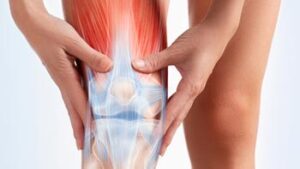
Introduction to Meniscus Repair in Iran Meniscus repair is a specialized surgical procedure aimed at restoring the function of the knee’s meniscus, a critical cartilage

Introduction to Achilles Tendon Repair in Iran The Achilles tendon, the largest and strongest tendon in the human body, plays a crucial role in mobility,

Knee replacement surgery, a transformative solution for chronic knee pain and mobility issues, has positioned Iran as a leading destination for orthopedic care. With over

For individuals grappling with chronic hip pain that hinders everyday movements, hip replacement surgery offers a life-changing opportunity to regain mobility and independence. In Iran,

Ankle replacement surgery, a transformative procedure for those struggling with debilitating ankle pain, is gaining global attention in Iran due to its exceptional medical expertise,

Elbow replacement surgery, a transformative solution for chronic elbow pain and restricted mobility, is gaining global recognition in Iran for its exceptional quality and affordability.

Shoulder replacement surgery, a vital procedure for alleviating chronic shoulder pain and restoring mobility, has positioned Iran as a top destination for orthopedic care. With

Bunion surgery, a highly effective solution for correcting the painful and unsightly deformity of hallux valgus, is gaining prominence in Iran due to its exceptional

Herniated disc surgery, a highly effective solution for chronic back or neck pain caused by disc rupture, is a sought-after procedure in Iran due to

Anterior cruciate ligament (ACL) and posterior cruciate ligament (PCL) surgeries are highly effective solutions for restoring knee stability and mobility after ligament tears, and Iran

Knee osteotomy surgery, a precise orthopedic procedure designed to realign the knee joint and alleviate pain from conditions like arthritis or misalignment, is increasingly popular

Arthroscopic knee debridement is a minimally invasive orthopedic procedure that addresses knee joint issues, offering pain relief and improved mobility for athletes and active individuals.

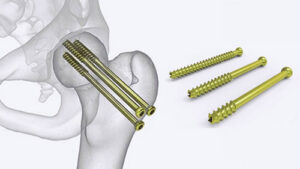
Hip nailing, also known as hip pinning or internal fixation, is a highly effective orthopedic surgery to repair hip fractures, restoring mobility and alleviating pain.

Rehabilitation, or physiotherapy, is a critical process for restoring function and reducing pain after injuries, surgeries, or chronic conditions. In Iran, world-class rehabilitation services are

Laminectomy, a vital orthopedic surgery to relieve back and neck pain, removes part or all of the vertebral lamina to ease pressure on the spinal