


Angiography in Iran: Affordable Vascular Diagnosis
Angiography, a critical diagnostic procedure to examine blood vessels, identifies blockages, aneurysms, or other abnormalities using X-ray imaging and contrast dye. In Iran, this test


A clear route from second opinion to recovery: understand the treatment choices, compare verified centers, budget in US dollars and plan safe travel with your own cardiologist involved.
If you are considering crossing a border for heart care, the first question is not “Which package is cheapest?” It is whether travel is medically appropriate, whether the proposed procedure fits your diagnosis, and how complications and follow-up will be handled when you are back home. This guide starts there. It covers coronary disease, valve problems, selected rhythm and vascular conditions, the limits of public prices, and the questions a responsible hospital should answer before you pay.
Iran has dedicated cardiovascular hospitals and hospital cardiac services, particularly in Tehran. Tehran Heart Center publishes cardiac clinics, inpatient services, rehabilitation and an international patient section; Rajaie Cardiovascular Medical and Research Center publishes its clinical departments. That makes a planned specialist review possible. It does not prove that a particular technique is available for you, that the hospital will accept you, or that its outcome is better than another center.
The American Heart Association's symptom guide explains warning signs that need emergency response.
For serious coronary disease, the ACC/AHA/SCAI guidance recommends a multidisciplinary Heart Team when the best revascularization strategy is uncertain. Ask to speak to both interventional cardiology and cardiac surgery where relevant. A low-cost stent offer is not a substitute for that decision.
| Problem | Possible pathway | Lead specialist and key question |
|---|---|---|
| Coronary artery disease | Medication and risk-factor treatment; sometimes angiography, PCI with a stent, or coronary bypass (CABG) | Cardiologist, interventional cardiologist and sometimes cardiac surgeon. What anatomy, symptoms and test results support this choice? |
| Valve disease | Monitoring, medication for symptoms, surgical repair or replacement, or a catheter-based procedure in selected cases | Valve team. Which valve, how severe, repairable or replaceable, and what long-term medication will be required? |
| Arrhythmia | Monitoring, medication, cardioversion, catheter ablation or implanted device where indicated | Electrophysiologist. What exact rhythm has been documented and what is the stroke-prevention plan? |
| Aortic or peripheral vascular disease | Imaging surveillance, medical therapy, endovascular repair or open surgery depending on anatomy and urgency | Vascular surgeon, cardiac surgeon or interventional specialist. Is the condition stable enough for travel? |
| Heart failure or congenital disease | Cause-specific medication, devices or specialist surgery in selected patients | Heart failure or congenital heart team. Is the proposed center equipped for this particular complexity and long-term follow-up? |
The table describes possible pathways, not a treatment recommendation. See the American Heart Association's procedure explanations and the NIH coronary disease treatment guide.
A coronary angiogram is a diagnostic test showing arteries; angioplasty or PCI is a treatment that may follow it. CABG creates a new route around a blocked artery. They are not interchangeable products. For some patients, optimal medication remains central whether or not a procedure is performed. For others, disease pattern, diabetes, left ventricular function, symptoms or a high-risk lesion changes the balance between PCI and surgery. The coronary revascularization guideline emphasizes clinical indications and shared decisions.
Which arteries or valves are involved? What is my ejection fraction? Are my symptoms explained by these findings? Has my imaging been reviewed by the actual treating specialist, not only a coordinator?
What happens with medication alone? When is PCI reasonable, when is CABG preferred, and what does my home cardiologist think? For valve disease, is repair possible, and how would a mechanical or tissue valve affect lifelong care?
Will I need antiplatelet or anticoagulant medication? What monitoring is required after discharge? What would trigger another intervention? Who will take over this care at home?
After stent implantation, antiplatelet treatment can be essential; after some valve replacements, anticoagulation and monitoring can be long term. Never interrupt these medicines without a treating clinician's instruction. The AHA procedure guide and NIH recovery guidance explain why the operation is only one part of care.
Published US-dollar offers are useful for setting a budget, but public prices usually lack the detail needed for a final decision. The table below records actual public international-facing examples from Mehr Hospital's English price page in Mashhad. It is a single provider's advertised starting context, not a Tehran market median and not a Hamintour quotation. The hospital and your treating team must reconfirm current availability and scope.
| Procedure | Public USD example | What must be clarified before comparing | Source |
|---|---|---|---|
| Coronary angiography | About $500 | Diagnostic study only or possible same-session PCI? Contrast, extra imaging, overnight stay and complications included? | Mehr Hospital English price page |
| Coronary bypass (CABG) | About $3,500 | Number of grafts, ICU days, surgeon/anesthesia fees, blood products, tests, medicines and any additional procedures? | Mehr Hospital English price page |
| Heart valve replacement | About $3,000 | Which valve and device, repair versus replacement, ICU time, blood products, anticoagulation plan and follow-up? | Mehr Hospital English price page |
| PCI with stent, complex vascular surgery, pacemaker or ablation | Individual written quote required | Device make/model and number, anatomy, ICU and repeat intervention can materially change the bill. | Center quotation after case review |
Price note: These are approximate public examples, not current guaranteed prices. Source: Mehr Hospital. They are not a cross-country comparison. Ask Hamintour Medical to obtain a current, itemized USD quote for your specific case and proposed hospital. Do not treat prices in Iranian toman intended for domestic patients as international patient quotations.
After reviewing the price examples, you can share your diagnosis and available reports so Hamintour can request a preliminary review and an itemized quotation from a suitable center. Please leave out unnecessary personal information until a secure transfer method is agreed. A quote cannot determine the right treatment without clinician assessment.
Get a personalized treatment plan from our elite medical experts.
These entries are a starting list, not a ranking or an endorsement of their results. Tehran comes first because it allows comparison among major specialist services. The hospital's own page is linked for each entry. Confirm the exact procedure, clinician, international-patient pathway and fee directly before choosing.
| Center and location | Publicly documented scope | What to verify for your case | Direct source |
|---|---|---|---|
| Tehran Heart Center Tehran | University-affiliated cardiovascular hospital; public site lists cardiology clinics, inpatient care, imaging, rehabilitation and an international patient section. | Specific unit, named clinician, current international admission, procedure capacity and written outcomes relevant to your diagnosis. | Official center website |
| Rajaie Cardiovascular Medical and Research Center Tehran | Dedicated cardiovascular teaching, research and treatment center. | Adult versus pediatric service, surgery or interventional pathway, named clinician and current international admission. | Official center website |
| Mehr Hospital Mashhad | Hospital publicly describes angiography, angioplasty and open-heart facilities and publishes sample USD prices. | Whether your exact operation and implant are currently offered; verify a fresh individualized quote. | Official hospital overview · Public prices |
Other Tehran facilities may be appropriate for a particular condition, but we do not label a center “best” from marketing language alone. For a broader site directory, see Hamintour's Iran hospital overview; verify any claims there against the facility's own current records. If you are evaluating another major procedure, the Hamintour Medical home connects to specialty pages, including general surgery and weight-loss treatment. These are different care pathways and require separate specialist assessment.
A hospital homepage does not prove the credentials of the clinician who will treat you. Ask for the doctor's full name in Persian and English, specialty, Iran Medical Council registration number, the direct individual registration record, hospital privileges and the name of the clinician responsible for postoperative decisions. The Iran Medical Council's member search is a starting point for checking registration. A name match alone does not establish subspecialty competence or current hospital privileges.
The CDC's medical-tourism guidance recommends checking facility and clinician credentials, planning for complications and keeping complete medical records. We do not publish a named surgeon on this page without an individually verified registration record.
A short message saying “I need heart surgery” cannot produce a safe estimate. Send the materials you already have, preferably as readable PDFs or image files, plus a concise English summary. The receiving clinician may request updated tests in Iran; do not repeat or stop investigations without advice from your own team.
Use a secure way to share records. The CDC advises travelers to carry medication and medical records and obtain copies of overseas records for follow-up at home.
Send records. A suitable center decides whether the case needs urgent local care, a second opinion, further testing or a treatment proposal. Request the name of the treating clinician, alternatives, risks and a written quote. Your home cardiologist should know the plan.
Check visa eligibility, current travel advice, hospital admission, companion arrangements, insurance, payment method and a flexible return ticket. Agree what happens if testing changes the diagnosis or the procedure cannot go ahead.
The hospital reviews your history, examines you and may repeat key tests. The final treatment choice and consent happen with the licensed team. A pre-travel quotation may change after these findings.
Care differs greatly between a diagnostic test, stent, open operation or device procedure. Ask which ward or ICU will care for you, the expected admission range, and who will explain any deviation from plan.
Before leaving, collect procedure and implant reports, discharge summary, images, medication list, warning signs, wound instructions, follow-up appointments and the treating clinician's written fitness-to-fly decision.
Give the records to your home cardiologist. Schedule medication monitoring, wound checks, imaging and cardiac rehabilitation as advised. If a complication occurs, seek local emergency care immediately and inform both treating teams.
A coherent care plan is more valuable than a fixed “seven-day package.” NIH recovery guidance explains that bypass recovery may continue for weeks after hospital discharge.
Heart and vascular procedures can involve bleeding, infection, irregular rhythm, stroke, kidney problems, heart attack, device problems or death. The likelihood depends on diagnosis, age, organ function, urgency and procedure type. A responsible clinician should give you an individual estimate rather than a generic percentage. NIH describes how risk varies, especially with emergency surgery and other illness.
The CDC notes infection, blood clots and gaps in follow-up as medical-travel risks. Quality varies between facilities in every destination; compare the actual center and clinical team rather than a country-wide claim. Travel after major surgery also adds clot risk. Sightseeing and strenuous excursions should wait for medical clearance.
Recovery is not the same for a diagnostic angiogram, PCI, bypass or valve surgery. After CABG, the NIH describes a hospital stay of about a week for many patients and a much longer recovery at home. Complications, a combined procedure or other illnesses can extend that timeline. The treating surgeon and your airline must determine when you can fly. Avoid booking a nonrefundable return flight based on a generic website timetable.
The CDC Yellow Book advises against flying during the early period after chest surgery and explains that surgery and long flights each increase blood-clot risk. Its timing is general travel guidance, not a personal clearance. Ask whether you need assistance at the airport, mobility support, a companion, medication on board or arrangements for oxygen. Never start compression or anticoagulant measures without clinical advice.
Rehabilitation and long-term medicine management are part of treatment. The NIH heart-surgery recovery guide describes regular checks, prescribed medicines and cardiac rehabilitation. Arrange these with a clinician near home before you travel.


Visa eligibility and entry rules depend on your passport and can change. Check the Iranian Ministry of Foreign Affairs e-visa portal and the Iranian mission serving your country. Ask the hospital what documentation it can provide, but do not assume an invitation guarantees a visa. Before booking and again before departure, read the current US travel advisory for Iran if you are a US traveler, or the current advisory from your own government if you are not. Conditions differ by nationality and can change quickly.
Confirm in writing whether your insurer covers planned treatment abroad, complications, delayed flights and repatriation. Ask the hospital how foreign currency is accepted and how refunds work if treatment changes. For an international patient, a price in toman for domestic residents is not evidence of the amount you will pay. Keep copies of all quotes, consent forms, invoices, implant labels and discharge records.
Make time for recovery, not tourism immediately after an intervention. A visit to another city adds travel, activity and distance from your treating center. Your clinician should approve any excursion. For broader health travel planning, see the Hamintour Medical Magazine and our medical content disclaimer.
Hamintour can organize the non-clinical parts of a planned medical trip. We can help route your records to a relevant specialist or hospital, arrange consultation times, request a written quotation, coordinate accommodation and airport or local transfers, assist with language needs, and help you reconnect with the provider after you return. Travel and clinical arrangements are agreed case by case; availability and fees should be confirmed before booking.
Organize reports, clarify your questions, identify possible providers and request a preliminary medical review and price breakdown.
Coordinate appointments, transfers, accommodation and interpretation if requested, while the hospital directs all medical care.
Help maintain communication with the treating center and share discharge records with the local follow-up team you choose.
Hamintour Medical Tourism is an Iran-based medical travel coordinator. Our role is to make provider communication and the journey easier to manage for international patients. We are not a hospital, clinic, doctor's office or independent medical team. A licensed clinician and facility determine eligibility, consent, treatment and discharge. If you would like help obtaining a case-specific review, share your current diagnosis and reports through the contact route below.
Possibly, if your condition is stable enough for travel and a suitable center accepts your case after record review. Your own cardiologist and the receiving cardiac team should assess urgency, alternatives, travel fitness, complication cover and follow-up before you book.
No. Angiography images the coronary arteries; angioplasty or PCI treats a narrowing, often with a stent. The need for a stent may not be clear until the clinician reviews the anatomy and overall clinical picture.
Public English-language examples from Mehr Hospital list approximately $3,500 for bypass and $3,000 for valve replacement. These are a single hospital's sample prices, not guaranteed international quotes for a specific case. Device, ICU, additional procedures and travel costs may be extra. Request a current written quote in US dollars.
Check the hospital's official service information and international-patient pathway. Ask for the actual treating doctor's full name, direct Iran Medical Council record, specialty and hospital privileges. Request comparable outcome definitions, an ICU and complication plan, and a written follow-up pathway. A marketing award or review score alone is insufficient.
Only when your treating team judges you stable and the airline's rules are satisfied. Timing varies with the procedure and recovery. The CDC advises avoiding flight in the early period after chest surgery and highlights clot risk from long travel. Ask for written clearance and a contingency plan if your return date changes.
Yes. Heart care often requires medicines, checks, rehabilitation and monitoring long after the hospital stay. Arrange a clinician near home before travelling and bring back your discharge summary, imaging, implant details and medication list.
No. Hamintour can coordinate communication and travel and request a preliminary review. The licensed cardiologist, surgeon and hospital must decide whether a procedure is indicated and obtain informed consent.
Use the official Iranian e-visa portal for visa information and your own government's current travel advisory for security guidance. Recheck shortly before departure because conditions and entry rules can change.
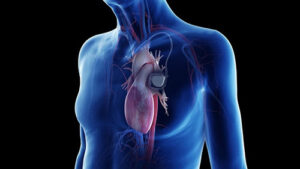
Public provider pages establish only what a center publishes. They do not independently establish current clinician credentials, treatment capacity, patient eligibility or outcomes. All prices are approximate and need direct reconfirmation. The images are illustrative; they are not patient before-and-after evidence.

Angiography, a critical diagnostic procedure to examine blood vessels, identifies blockages, aneurysms, or other abnormalities using X-ray imaging and contrast dye. In Iran, this test

Angioplasty, a minimally invasive procedure to unclog blocked arteries and restore blood flow, is a highly effective treatment for preventing heart attacks and relieving chest

Heart bypass surgery, medically known as coronary artery bypass grafting (CABG), is a proven, life-saving procedure to restore blood flow to the heart by bypassing

Heart transplant surgery, a life-saving procedure for end-stage heart failure, replaces a damaged heart with a healthy donor heart. In Iran, a global leader in

Aortic aneurysm surgery repairs or replaces a weakened, bulging section of the aorta to prevent life-threatening rupture. In Iran, a global leader in cardiology, thousands

Heart pacemaker surgery implants a device to regulate irregular heartbeats, ensuring proper heart function and preventing life-threatening complications. In Iran, a global leader in cardiology,

Heart valve surgery, encompassing repair or replacement of faulty heart valves, is a critical procedure to treat heart failure and restore normal blood flow. In