
beauty
Nose Fillers in Iran: Affordable Non-Surgical Reshaping
Nose fillers in Iran provide a cost-effective, non-surgical way to enhance nasal shape and balance facial features. With skilled doctors and modern clinics, Iran is
A clear guide to ear, nose and throat care in Iran: procedures, specialist pathways, Tehran centers, approximate USD prices, recovery, travel planning and questions to ask before you commit.
Travelling for ENT care makes sense only when the diagnosis, specialist, facility and follow-up plan fit the patient. A blocked nose, hearing problem, chronic sinus disease, voice change or neck mass may look straightforward online but can require different tests and different subspecialists. This page helps international patients compare the entire pathway instead of choosing from price or promotional claims alone.
Tehran has university referral departments, dedicated ENT facilities and private hospitals with rhinology, otology, neurotology, audiology, head-and-neck, laryngology and facial-plastic pathways. That concentration helps when a case needs more than a general consultation.
Patients investigate septoplasty, endoscopic sinus surgery, ear-drum repair, hearing implants, tonsil surgery, voice treatment and head-and-neck procedures. Some teams also combine functional nasal surgery with rhinoplasty when the clinical and cosmetic goals are both clear.
Published USD offers can be below self-pay prices in several other markets. The difference does not remove clinical risk and does not prove quality. Compare the named surgeon, hospital, diagnostic work, device or implant, anesthesia, aftercare and exclusions.
Iran becomes a realistic option when a suitable subspecialist reviews adequate records, explains alternatives and gives a written plan that includes care after the patient returns home. Avoid choosing a clinic because it claims “guaranteed success,” “no complications” or “the best surgeon.” Those phrases are not substitutes for credentials, case selection or informed consent.
| Problem or goal | Possible pathway | Relevant specialist | What must be clarified |
|---|---|---|---|
| Nasal blockage or deviated septum | Medical treatment, turbinate treatment, septoplasty, nasal-valve repair or functional septorhinoplasty | Rhinologist or ENT facial-plastic surgeon | Cause of obstruction, nasal valve, allergy, sleep symptoms and whether appearance will change |
| Chronic sinusitis or nasal polyps | Medication and rinses; FESS when appropriate; revision or skull-base expertise for selected cases | Rhinologist / endoscopic sinus surgeon | CT, nasal endoscopy, prior treatment, asthma/allergy, pathology and long-term medical management |
| Hearing loss | Audiology, hearing aids, middle-ear surgery, bone-conduction device or cochlear implant depending on cause | Otologist/neurotologist with audiology team | Audiogram, speech testing, imaging, implant candidacy, device availability, mapping and rehabilitation |
| Chronic ear infection or eardrum perforation | Tympanoplasty, ossicular reconstruction, mastoid surgery or cholesteatoma surgery | Otologist/neurotologist | CT where indicated, infection control, hearing goal, graft plan, recurrence and flight restrictions |
| Recurrent tonsillitis or enlarged adenoids | Observation, medical care, tonsillectomy and/or adenoidectomy when criteria are met | Adult or pediatric ENT | Frequency/severity, bleeding risk, sleep symptoms, hydration and access to emergency care after discharge |
| Hoarseness, swallowing or airway symptoms | Flexible laryngoscopy, voice therapy, microlaryngeal surgery or multidisciplinary treatment | Laryngologist, speech therapist and relevant team | Duration, smoking history, endoscopy findings, biopsy need, voice demand and airway safety |
| Sleep-related breathing problems | Sleep assessment, CPAP, weight management, nasal or throat surgery for selected patients | Sleep physician and ENT airway surgeon | Sleep study, obstruction level, alternatives and realistic effect of surgery |
| Head, neck, thyroid or salivary tumor | Imaging, biopsy, staging and multidisciplinary surgery, oncology or reconstruction | Head-and-neck oncologic surgeon and cancer team | Pathology, staging, nerve/voice/swallowing risk, reconstruction, radiotherapy and long-term surveillance |
The American Academy of Otolaryngology–Head and Neck Surgery states that septoplasty is used to correct a deformed nasal partition when associated problems such as obstruction are present. Its guidance also lists bleeding, infection, persistent obstruction, scarring, perforation and possible appearance change among issues to discuss. For chronic sinus disease, its endoscopic sinus surgery indicators explain that surgery is generally considered after appropriate medical evaluation and treatment, using symptoms, endoscopy and imaging together.
A cochlear implant is different from a hearing aid. The US National Institute on Deafness and Other Communication Disorders explains that it bypasses damaged portions of the ear and directly stimulates the auditory nerve; it does not restore normal hearing. NICE cochlear-implant guidance describes multidisciplinary assessment of audiological and functional hearing, surgical fitness, cochlear anatomy and likely benefit. Candidacy testing, device support, programming and rehabilitation should be planned as carefully as the operation.
For other pathways, use condition-specific references rather than general marketing pages: NIDCD on hoarseness, NHLBI on sleep-apnea treatment, and the US National Cancer Institute head-and-neck cancer fact sheet. These sources explain why voice, sleep and tumor care often require testing and multidisciplinary input before surgery is discussed.
This is a research shortlist rather than a ranking, endorsement or promise of availability. Confirm the named department, doctor, current privileges, equipment, international-patient process and price for the individual case.
Location: Central Tehran
Published focus: Otolaryngology, complex ear care and hearing implantation
Physicians published: Yes
Facility information checked: ✓
Public international pricing: No complete tariff found
Useful for: Academic referral and advanced hearing or ear review
Direct sources: Amir A'lam Hospital, Tehran University of Medical Sciences · TUMS report on hearing implantation at Amir A'lam. Availability for an international patient must be confirmed directly.
Location: Tehran
Published focus: ENT surgery, ear, sinus, larynx, head-and-neck, audiology and multidisciplinary hospital services
Physicians published: Yes
Facility information checked: ✓
Public international pricing: No complete tariff found
Useful for: Complex cases needing multiple specialties
Direct source: the official Rasoul Akram Medical Complex website lists ENT surgery, dedicated ENT operating facilities, audiology, ear, sinus, larynx and head-and-neck services, plus an International Patient Department.
Location: North Tehran
Published focus: Multispecialty private hospital with ENT and audiology access
Physicians published: Yes
Facility information checked: ✓
Public international pricing: No complete ENT tariff found
Useful for: Comparing a private-hospital route with IPD support
Direct sources: Nikan International Patient Unit · published hospital service listing. Confirm the named ENT surgeon and procedure before relying on a general hospital profile.
Location: Central Tehran
Published focus: Multispecialty private hospital with ENT physicians and international-patient services
Physicians published: Yes
Facility information checked: ✓
Public international pricing: Selected tariffs published
Useful for: Comparing a documented private hospital package
Direct sources: Kasra IPD · Kasra ENT physician list · published international tariff. A current case-specific quotation is still required.
| Doctor | Published field | Medical Council number | How to use this information |
|---|---|---|---|
| Dr Masoud Motesaddi Zarandi | ENT and head-and-neck surgery; TUMS has publicly identified him with its hearing-implant program | 32272 | Possible starting point for complex ear/hearing assessment; verify current hospital and implant pathway |
| Dr Mohsen Naraghi | Otolaryngology with documented rhinology and facial-plastic training; former TUMS academic experience is listed by the Dubai Health Authority | 34933 | Possible starting point for functional nasal and sinus comparison; verify present Iran practice |
| Dr Saleh Mohebbi | Otolaryngology and skull-base surgery; the profile lists affiliation with Iran University of Medical Sciences research centers | 81491 | Possible starting point for complex skull-base or head-and-neck opinion |
| Dr Behzad Abedin | ENT with a public rhinology / sinus surgery profile | 119844 | Possible starting point for nasal obstruction, sinus and rhinology comparison; registration/profile source |
Verification method: Numbers were cross-checked against publicly indexed Persian medical profiles. Before booking, search each full name and number in the official Iran Medical Council directory, confirm the subspecialty relevant to your condition and ask the hospital to confirm current privileges. Registration proves recorded professional identity; it does not guarantee a result.
For a larger provider comparison, read Hamintour’s ENT clinics in Tehran guide and hospital directory. The final choice should follow clinical fit, documented credentials and a complete written plan.
These USD figures combine publicly advertised international-patient offers and Hamintour enquiry observations. They are planning ranges, not promises or domestic Iranian tariffs. Complexity, surgeon, hospital, anesthesia, imaging, pathology, implant or prosthesis, medicines, room type and length of stay can change the total.
| Procedure | Observed quotations | Observed midpoint | Typical planning range | Important price variable |
|---|---|---|---|---|
| Septoplasty | 3 | $1,800 | $1,500–$2,800 | Turbinate or nasal-valve work; hospital nights |
| Functional endoscopic sinus surgery (FESS) | 4 procedure-specific listings | $1,750 | $1,000–$3,500 | Number of sinuses, polyps, revision status, navigation |
| Functional septorhinoplasty | 3 | $2,200 | $1,800–$3,500 | Functional versus cosmetic scope, grafts, revision complexity |
| Tympanoplasty / eardrum repair | 1 directly priced hospital listing | $1,500 published example | Insufficient comparable data for a range | Ossicular work, mastoid surgery, infection and graft |
| Tonsillectomy | 1 directly priced hospital listing | $1,200 published example | Insufficient comparable data for a range | Age, technique, admission and bleeding monitoring |
| Mastoid, cholesteatoma or microlaryngeal surgery | Public offers were not comparable enough | Not calculated | Case-specific quotation required | Extent, pathology, reconstruction, equipment and staged care |
| Cochlear implant pathway | 3 | $10,000 | $6,500–$18,000+ | Device, candidacy tests, mapping and rehabilitation |
Price-source names: Kasra Hospital IPD tariff, Healthcare in Your Hand, AriaMedTour, TebMedTourism, Iran Elaj and Hamintour enquiries. “Observed quotations” means the number of distinct public offers or Hamintour enquiry records checked for that row; it does not mean a statistical market survey. A midpoint is withheld where the observations are too sparse or too dissimilar. Prices are approximate. For an exact price, contact Hamintour Medical after submitting the relevant medical records. Source names are intentionally shown without links in this comparison table.
Get a personalized treatment plan from our elite medical experts.
Ask the clinical team to explain alternatives, including non-surgical care. For chronic sinusitis, surgery can improve ventilation and access for topical treatment, but it does not remove the need to manage allergy, asthma or recurrent polyps. For nasal obstruction, septal deviation may be only one contributor; turbinate enlargement and nasal-valve collapse can change the plan. For hearing loss, an implant recommendation should follow audiology and medical assessment, not a photograph or brief chat.
When a quote is much lower than the rest, ask what is missing. When it is much higher, ask what additional expertise, equipment, implant, hospital support or aftercare it contains. Choose only after the differences are clear.
Send a short symptom timeline, current diagnoses, medicines, allergies, smoking history, past surgery and relevant conditions. Include CT or MRI files, endoscopy reports, audiograms, tympanograms, sleep studies, pathology and operative notes where applicable. A compressed screenshot is often less useful than the original report or imaging file.
A rhinologist is appropriate for complex sinus disease; an otologist or neurotologist for middle and inner ear conditions; a laryngologist for voice and airway; a head-and-neck team for tumors; and a pediatric ENT team for children. A preliminary remote opinion remains provisional until examination.
Confirm diagnosis, doctor, facility, operation, alternatives, risks, expected stay, tests and follow-up. For implants, ask for manufacturer and model options plus what programming and rehabilitation are included. For combined functional and aesthetic nasal surgery, define both goals separately.
The surgeon should review the history and repeat essential examination. Depending on the problem, this may include nasal or laryngeal endoscopy, audiology, microscopy, imaging review, sleep assessment, blood work or anesthesia evaluation. New findings may change the plan; the patient should remain free to pause or decline treatment.
Follow instructions on fasting, anticoagulants, washing, nasal rinses, ear protection, voice rest, diet, activity and medicines. Keep enough time for packing or splint removal, wound review, ear examination, hearing-device activation or pathology discussion.
Obtain an English diagnosis, operation report, implant label, pathology result, medicine schedule, emergency signs, flight clearance and future appointments. Hamintour can help reconnect the patient with the Iranian team, while local in-person care remains essential when an examination is needed.
| Procedure group | Early recovery issues | Material risks to discuss | Travel planning |
|---|---|---|---|
| Septoplasty / functional nasal surgery | Congestion, swelling, drainage, splints and temporary reduced smell | Bleeding, infection, septal hematoma or perforation, persistent obstruction, adhesion and appearance change | Stay through planned early review and obtain flight clearance |
| Endoscopic sinus surgery | Bleeding, crusting, rinses and office cleaning/debridement | Persistent disease, recurrent polyps, smell change, orbital injury, cerebrospinal-fluid leak and bleeding | Do not compress several required reviews into a very short trip |
| Tonsil / adenoid surgery | Throat pain, difficult swallowing, ear-referred pain and dehydration risk | Primary or delayed bleeding, infection, anesthesia complications and breathing problems | Remain within reach of emergency care during the bleeding-risk period set by the surgeon |
| Tympanoplasty / mastoid surgery | Ear packing, drainage, temporary hearing change and balance symptoms | Persistent perforation, infection, taste disturbance, dizziness, facial-nerve injury, hearing loss and recurrence | Pressure and flying rules must come from the operating surgeon |
| Cochlear implant | Wound healing before activation; later mapping and auditory training | Infection, device failure, balance/taste change, facial-nerve injury, meningitis precautions and revision | Plan access to compatible programming and rehabilitation at home |
| Head-and-neck surgery | Wound, drain, swallowing, voice and nutritional care | Nerve injury, airway problems, bleeding, infection, fistula and need for additional oncologic treatment | Complex care requires multidisciplinary discharge and a local oncology pathway |
Emergency symptoms after discharge can include uncontrolled bleeding, breathing difficulty, rapidly increasing neck swelling, severe dehydration, high fever, clear watery nasal drainage after skull-base work, new facial weakness, severe vertigo, worsening neurological symptoms or sudden hearing loss. Use the treatment center’s emergency instructions and seek local care rather than waiting for an online reply.
Recovery references: AAO-HNS septoplasty indicators · AAO-HNS endoscopic sinus surgery indicators · NHS adult tonsillectomy aftercare · NIDCD cochlear implants. These sources describe general risks and follow-up principles; the operating team’s instructions take priority for the individual patient.
Photographs are relevant when an ENT procedure intentionally changes visible nasal shape, particularly rhinoplasty or functional septorhinoplasty. They are not a reliable outcome tool for sinus disease, hearing loss, ear-drum repair, tonsil surgery, voice treatment or most head-and-neck care. Those outcomes require clinical examination, endoscopy, audiology, pathology or validated symptom measures.
This broad ENT page therefore does not reproduce an unverified image grid. Patients who are also considering an external change to the nose can review Hamintour’s dedicated galleries, where each case should be assessed by source, consent, comparable anatomy, standardized views and time since surgery. A photograph cannot show airflow, smell, hearing, infection control or surgical safety.
Provide original imaging files when possible and label each document with the patient’s name and date of examination. Do not stop prescribed medicine, especially anticoagulants, because a coordinator or travel agent suggests it. Medication changes belong to the prescribing doctor and surgical team.
Nationality, passport details, travel history and purpose can affect the process. Check the official Iranian e-visa portal before purchasing tickets. Hamintour may help organize supporting documents but cannot guarantee approval or border entry.
Read the official travel advisory issued by your own government immediately before booking and departure. One official reference is the UK FCDO Iran travel advice; use the advice applicable to your own citizenship and circumstances.
Standard travel insurance often excludes planned treatment and related complications. Ask the insurer in writing about medical travel, emergency bleeding or airway care, extended stay, cancellation, companion expenses and medical evacuation. Keep the written answer.
Confirm currency, accepted payment method, deposit, receipt, refund terms and how an unexpected charge is approved. Use flexible flights because examination, pathology or recovery may change the schedule. Budget for extra accommodation and local emergency care.
Hamintour supports the administrative and practical journey while licensed clinicians retain responsibility for diagnosis, consent and treatment.
Explore the Hamintour Medical home page, browse the Iran medical travel magazine, compare medical travel packages, read the cochlear implant guide or review practical information about septoplasty in Iran.
Hamintour Medical Tourism helps international patients identify relevant options and communicate with doctors, clinics and hospitals in Iran. Its role can include introductions, scheduling, record transfer, accommodation, transport, language support and coordination of post-treatment communication.
Hamintour is not a hospital, clinic or medical practice. It does not diagnose, prescribe medicine, employ a dedicated treatment team or perform surgery. The treating physician and licensed facility make the final clinical decisions after appropriate assessment and informed consent.
The public international-patient listings reviewed for this page place septoplasty around $1,500–$2,800 and procedure-specific endoscopic sinus surgery offers around $1,000–$3,500. Kasra Hospital publishes examples of $1,500 for tympanoplasty and $1,200 for tonsillectomy, but one listing is not enough to define a market range. Complex ear, implant, airway and head-and-neck procedures require individual review. Every figure must be reconfirmed in an itemized quotation.
No. Hamintour coordinates records, appointments, travel and communication. Diagnosis, treatment selection and medical clearance belong to a licensed ENT specialist and an appropriately equipped treatment center.
No. Septoplasty primarily corrects the internal nasal septum to address problems such as obstruction. Rhinoplasty changes the external structure of the nose. A surgeon may combine functional and cosmetic work when clinically and personally appropriate, but each component, objective and price should be stated separately.
The answer depends on the operation and the surgeon’s findings. A straightforward nasal or throat procedure may require roughly one to two weeks of local follow-up, while ear reconstruction, cochlear implantation, skull-base or cancer treatment can require a longer and staged pathway. Obtain written clearance before booking the return flight.
No procedure guarantees a permanent cure. Endoscopic sinus surgery may improve drainage and access for topical treatment when chronic disease has not responded sufficiently to appropriate medical care. Allergy, asthma, polyps and inflammation may still require long-term management.
No. A cochlear implant can provide useful access to sound for appropriately selected people with severe or profound hearing loss, but it does not restore normal hearing. Testing, programming and auditory rehabilitation are essential parts of the pathway.
Yes, but compare cases with similar anatomy and goals, confirm that consent was obtained, and remember that photographs cannot prove breathing improvement, safety or how your result will heal. Ask for standardized views and an in-person functional assessment.
Do not assume so. Bleeding risk, pressure changes, packing, middle-ear surgery, cerebrospinal-fluid repair and other factors may affect travel. Only the treating surgeon should set the flight date for the specific procedure.
Request the doctor’s full Persian and English name and Medical Council number, then check the official Iran Medical Council member directory. Also confirm current hospital privileges and the subspecialty relevant to your condition.
Use the official travel advisory published by your own government and the official Iranian e-visa portal. Advice and entry requirements can change, so check again immediately before departure.
This page links evidence next to the claim it supports. The list below makes the main verification route easy to audit.
Provider pages are evidence of what a center or professional publicly states, not independent proof of outcomes. Registration data, current hospital privileges, availability, equipment and international-patient admission must be reconfirmed. Prices are approximate international-patient observations rather than guaranteed tariffs. The final clinical recommendation belongs to the treating licensed specialist and facility.
Nose fillers in Iran provide a cost-effective, non-surgical way to enhance nasal shape and balance facial features. With skilled doctors and modern clinics, Iran is

Introduction to Chronic Otitis Media Treatment in Iran Chronic Otitis Media (COM) is a persistent ear condition that can lead to hearing loss, discomfort, and
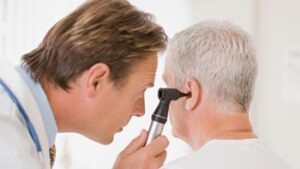
Introduction to Ear Tumor Treatment in Iran Ear tumors, whether benign growths or malignant masses, can disrupt hearing, balance, and daily life, but effective treatment

Introduction to Hearing Loss Treatments in Iran Hearing loss can profoundly impact communication, relationships, and quality of life, but advanced treatments offer hope for restoration.
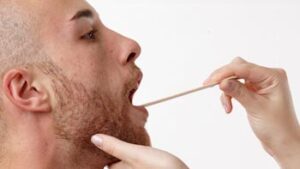
Introduction to Oropharyngeal Cancer Surgery in Iran Oropharyngeal cancer, affecting the back of the mouth, throat, and tonsils, demands swift, skilled intervention to preserve function

Introduction to Laryngeal Surgery in Iran Laryngeal surgery, including laryngectomy, is a transformative procedure for addressing serious conditions like laryngeal cancer, severe trauma, or chronic

Introduction to Endoscopic Skull Base Tumor Resection in Iran Endoscopic skull base tumor resection represents a pinnacle of minimally invasive neurosurgery, targeting complex growths at

Introduction to Endoscopic Dacryocystorhinostomy in Iran Endoscopic Dacryocystorhinostomy (DCR) is a cutting-edge procedure designed to relieve chronic tearing and infections caused by tear duct blockages,
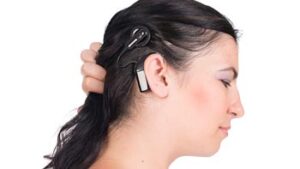
Cochlear implant surgery restores hearing for those with severe to profound sensorineural hearing loss by bypassing damaged cochlear hair cells to stimulate the auditory nerve.

Rhinoplasty, or nose surgery, reshapes the nose for cosmetic or functional purposes, addressing issues like asymmetry, size, or breathing difficulties. In Iran, dubbed the “nose

Thyroidectomy, the surgical removal of all or part of the thyroid gland, effectively treats conditions like thyroid cancer, goiter, hyperthyroidism, and nodules. In Iran, a

Struggling with chronic throat infections or breathing difficulties caused by problematic tonsils or adenoids? Iran offers world-class tonsillectomy and adenoidectomy procedures at premier medical facilities,

Discover the transformative benefits of sinus surgery in Iran, where cutting-edge medical expertise meets affordability through hamintour’s all-inclusive medical tourism packages. Iran has emerged as

Regaining clear hearing can transform your daily life, and with hamintour, accessing top-quality hearing aids in Iran is both affordable and seamless. Iran has established