Plastic Surgery in Iran
Thinking about surgery abroad is a larger decision than choosing a photograph you like. The right operation, a qualified surgeon, a suitable facility, a realistic recovery window and a plan for complications all matter. This guide helps you compare those pieces before you commit to travel.
Explore facial surgery, breast procedures, body contouring and reconstructive care, with questions to take to a surgeon and a clear explanation of what Hamintour Medical can coordinate.
Explore proceduresUnderstand costs
Start with the problem you want to solve
“Plastic surgery” covers procedures with very different aims. A person with heavy upper lids may need an eyelid assessment; someone bothered by loose abdominal skin after weight loss may need to discuss skin removal rather than fat removal. Breast reconstruction after cancer involves decisions unlike elective augmentation. If the goal is easier breathing as well as a changed nose, nasal function needs its own examination. The first useful step is to describe the concern in plain words and ask a specialist what options, including doing nothing, fit your anatomy and health.
This page is general information. It cannot diagnose a condition or decide whether you are fit for anesthesia. A licensed treating surgeon and facility must make the final clinical decision after reviewing your history and examining you. Photographs and online conversations can help prepare that consultation, but they are not a substitute for it. You should be free to decline an operation if the proposed plan, risk, cost or travel arrangements do not make sense to you.
Use the quick comparison below to reach the most relevant section. Some operations are commonly combined, but a larger combination is not automatically better. It can mean a longer anesthetic, a more difficult recovery and a more complicated journey home. Ask why each procedure is proposed and whether staging treatment would be safer for your particular case.
| Main concern | Procedure to discuss | Important distinction |
|---|---|---|
| Heavy upper lids or under-eye fullness | Upper or lower blepharoplasty | True eyelid droop, brow descent and tear-trough hollowing may need different treatment. |
| Localized fat with relatively elastic skin | Liposuction | It does not remove much loose skin or treat obesity. |
| Loose skin and muscle separation in the abdomen | Abdominoplasty | It is a larger operation with a longer scar and recovery than liposuction. |
| Loss of breast volume, breast heaviness or asymmetry | Augmentation, lift or reduction | Implants add volume; a lift changes position; reduction removes tissue. |
| Facial or neck sagging | Facelift or neck lift | Skin quality, facial volume and neck bands must be assessed separately. |
| Contour or breathing concern involving the nose | Rhinoplasty or functional nasal surgery | Aesthetic and breathing goals should both be written into the plan. |
| Scar, burn injury or tissue loss | Scar revision or reconstructive surgery | Improvement may require several stages and complete scar removal is rarely realistic. |
Why consider Iran for plastic surgery?
Iran gives international patients a range of surgeons, private hospitals and procedure options to investigate. Tehran is a practical starting point because it offers several hospitals and specialists in one city, making in-person opinions and follow-up easier to organize. A specific surgeon and facility matter more than a city’s reputation. You may also find relevant care in Mashhad, Shiraz or another city, particularly if a named specialist or hospital is suited to your case. The comparison should be between documented clinical plans, not destination slogans.
Cost can be part of the appeal, but the lowest advertised number is an unreliable measure of value. An estimate may omit anesthesia, implants, testing, medication, accommodation, a companion, extra nights or treatment of a complication. Our guide to comparing plastic surgery clinics and surgeons in Iran is designed to help you examine named providers rather than accept a generic “best” label. For nose surgery, the dedicated rhinoplasty guide explores that decision in greater detail.
Travel conditions can change quickly and affect whether elective surgery is sensible. Check your own government’s current advice and your insurer’s position before paying for a procedure or ticket. The UK Foreign, Commonwealth & Development Office advice for Iran and the US Department of State country page are examples of official sources; your passport country may have different guidance. No coordinator can guarantee that a city, route or flight will remain safe or available. Plan for postponement and cancellation in writing.
How to choose a surgeon and surgical facility
Ask for the full name of the person who will operate, their specialty, professional registration number and the exact address of the facility. Search the clinician in the Iran Medical Council member directory, then ask the provider to explain any difference in transliteration or listed specialty. Registration establishes identity and professional standing; it does not measure outcomes or guarantee a safe operation. For a complex procedure, ask how often that surgeon performs the specific operation, whether they have hospital privileges for it and who is available if a complication develops.
Confirm whether the procedure will take place in a licensed hospital or surgical center with appropriate anesthesia staff, monitoring, emergency equipment and an escalation pathway. Ask whether there is an international patient department, which hospital admission documents you will receive and who coordinates after-hours concerns. A clinic’s attractive website, social-media following or photo gallery is not a substitute for the facility’s license and a clear operative plan. The CDC guidance on medical tourism advises patients to check clinician and facility credentials, communication arrangements, infection risk, insurance and follow-up care.
Before you pay
Get the named surgeon, facility, proposed operation, anesthesia plan, itemized quote, inclusions, exclusions and cancellation terms in writing. Ask who owns clinical decisions and how you can reach that person.
Before anesthesia
Disclose medications, allergies, smoking or nicotine use, prior anesthesia issues, clotting history, pregnancy possibility and prior surgery. Only your treating team should tell you which medicines to stop or continue.
Before flying home
Request a discharge summary, operative note, implant records if relevant, medication list, warning signs, follow-up schedule and an emergency contact. Confirm that a clinician at home can assess you if necessary.
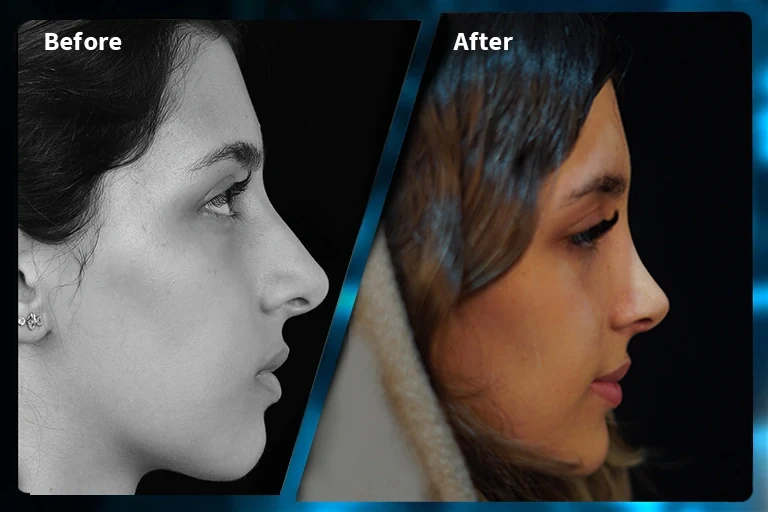
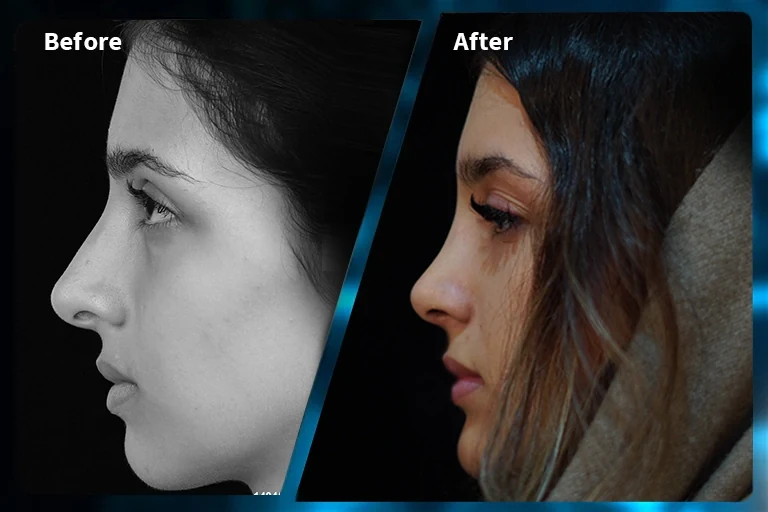
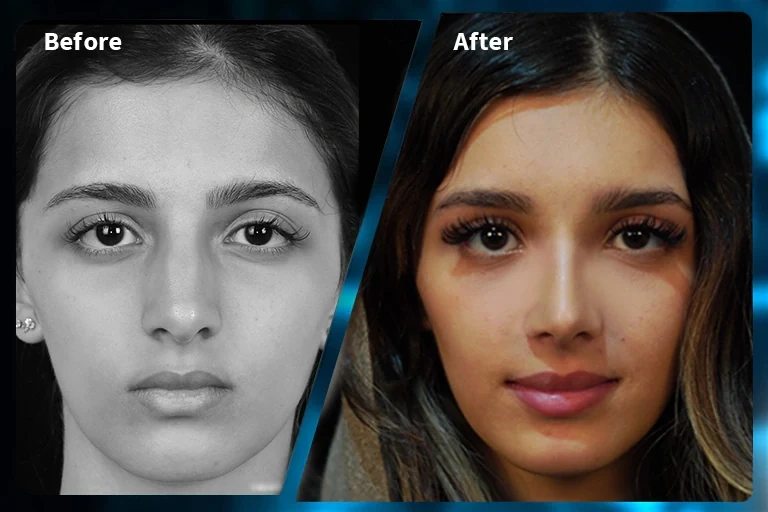
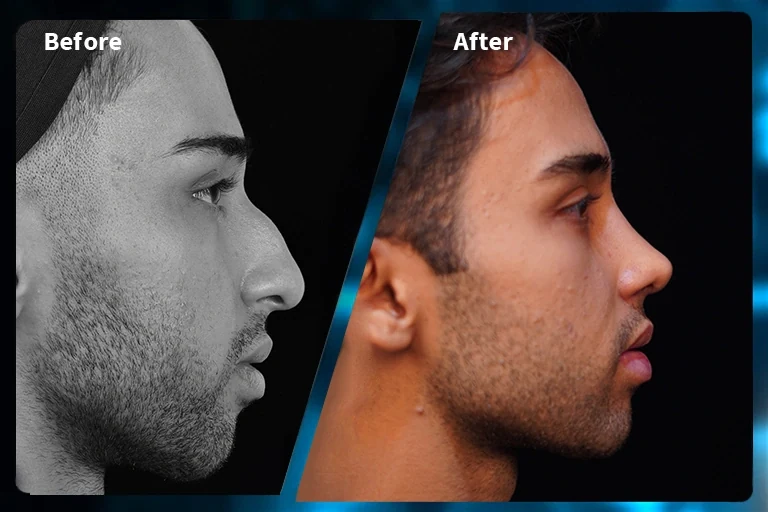
Ask to see before-and-after cases with anatomy and goals similar to yours, but inspect them critically. Are the angle, lighting, posture, expression and time since surgery comparable? Is the image actually attributed to the named surgeon? A gallery is evidence of what has been published, not a prediction of your result. Where this page shows photographs, we name the source and distinguish them from Hamintour’s own patient records. If an image does not clearly show a surgical before-and-after comparison, it should not be presented as one.
Explore the procedures
These sections group operations by the question a patient usually brings to consultation. Facial procedures can change tissue position or structure; body contouring may remove fat, skin, or both; reconstructive surgery aims to restore form or function after disease, injury or a congenital condition. One technique does not solve every concern in a region. Use the “what to ask” notes as prompts for a surgeon, not as a self-diagnosis checklist.
Blepharoplasty and under-eye bags
Upper blepharoplasty removes or reshapes tissue that makes the upper lid feel or look heavy. Lower blepharoplasty may address bulging fat, loose lower-lid skin or both. “Puffy eyes” are not one diagnosis: swelling, pigmentation, hollowing, cheek descent and genuine fat bags can look similar in a photograph. A surgeon should examine eye health, lid position, tear film, previous eye surgery and whether brow descent is contributing to the appearance. If you have a visual-field complaint, explain it directly rather than assuming a cosmetic operation will improve it. The American Society of Plastic Surgeons (ASPS) eyelid guide describes the scope of upper and lower surgery.
Ask whether the plan involves skin removal, fat repositioning, fat removal, support of the lower lid or a combination. The incision location and approach depend on anatomy. Too much skin or fat removal can cause a hollow look, trouble closing the eye, asymmetry or lower-lid malposition. Dry eye and visual symptoms deserve careful preoperative attention. Bruising and swelling can affect appearance for longer than a short sightseeing stay; discuss the surgeon’s examination and flight-clearance plan before booking a rigid return date.
How to inspect examples: compare relaxed, front-facing photographs with eyes naturally open. Look at lid closure, left-right symmetry and the lower-lid margin, not only at apparent youthfulness. Makeup, lighting and a raised eyebrow can create misleading changes. If the original gallery does not state whether the operation was upper, lower or combined, we do not infer it from appearance. See further examples in the eyelid before-and-after collection.
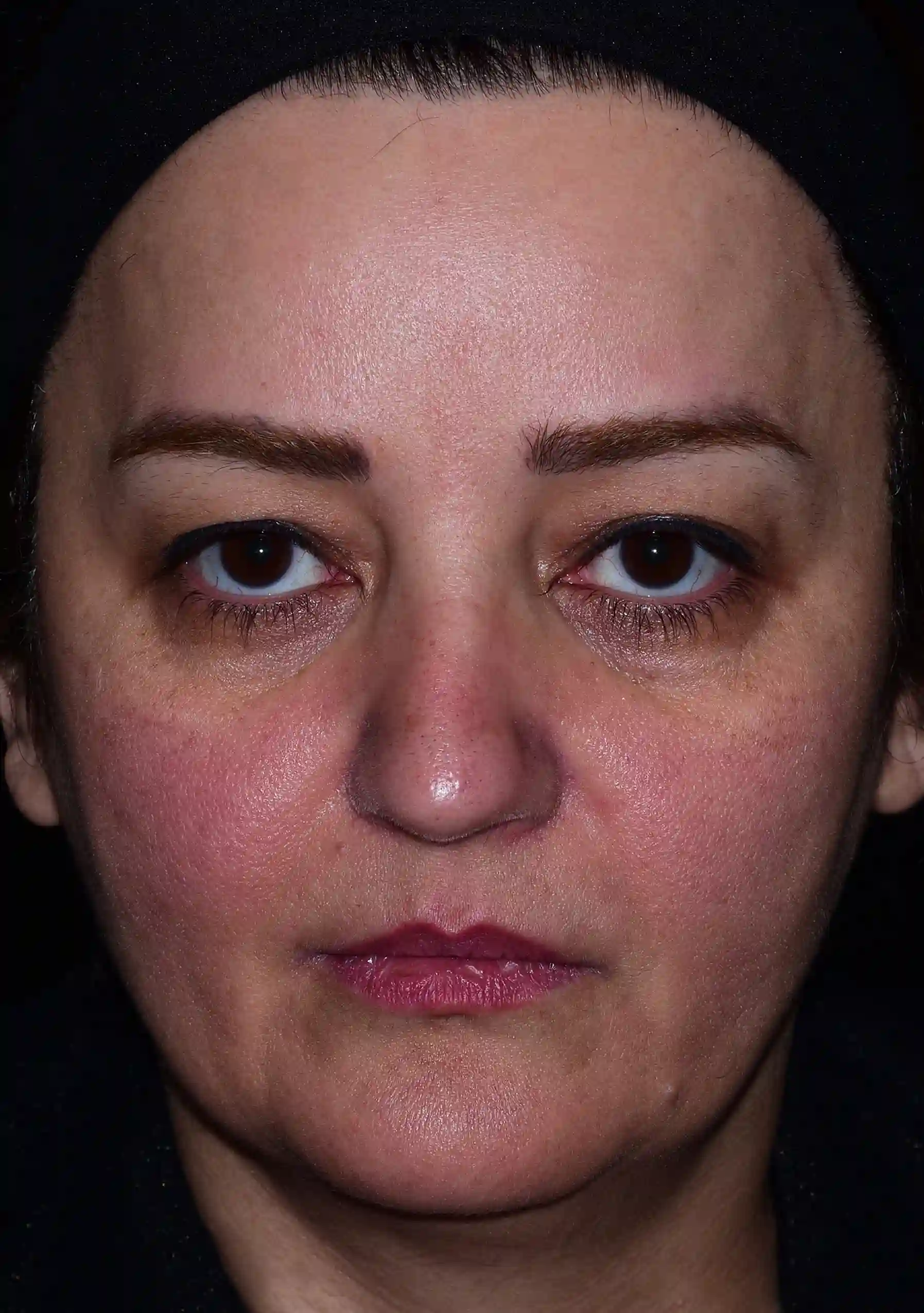
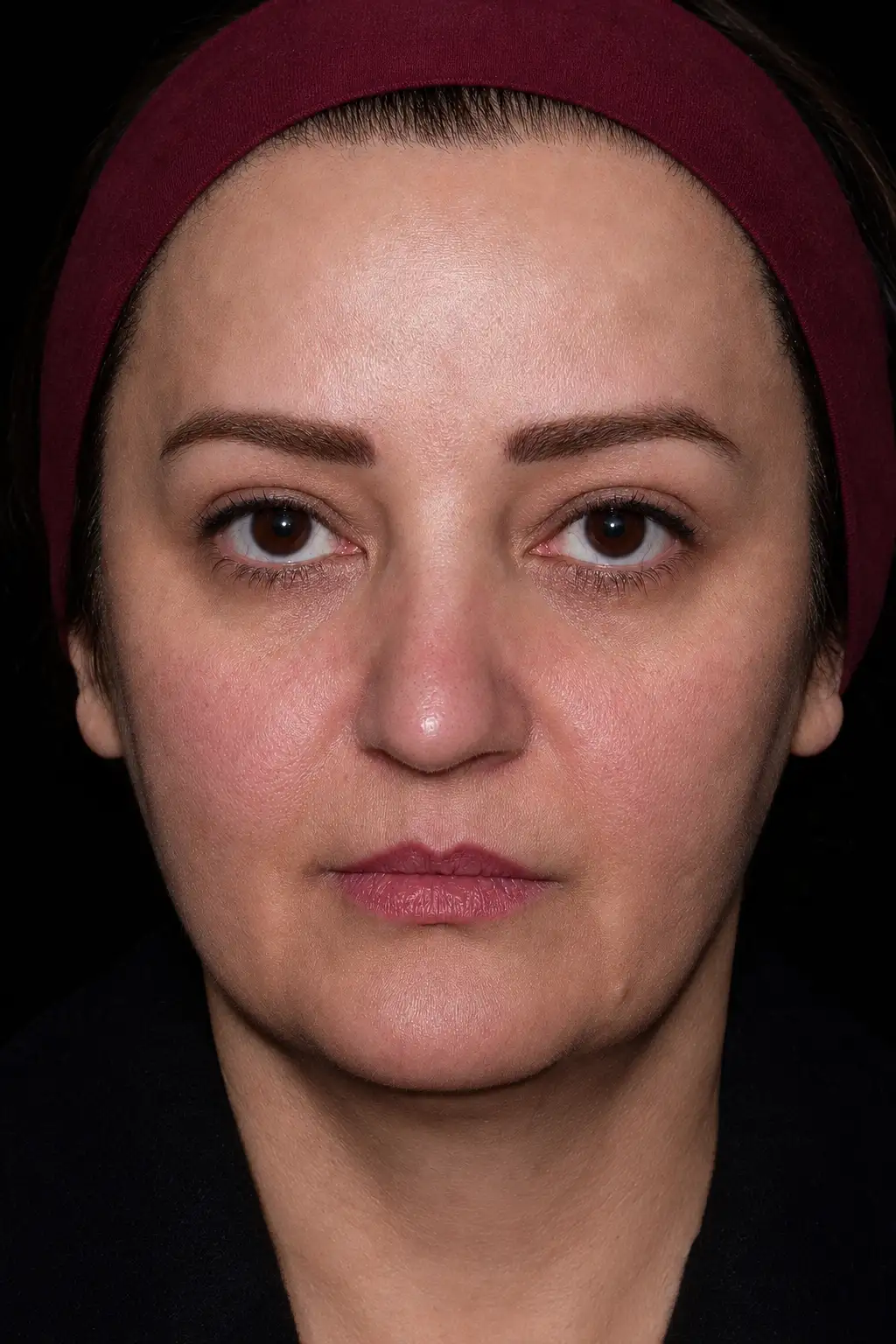


Published examples illustrate a provider’s work; they do not establish individual suitability or guarantee a similar result.
Liposuction: contouring, not weight-loss treatment
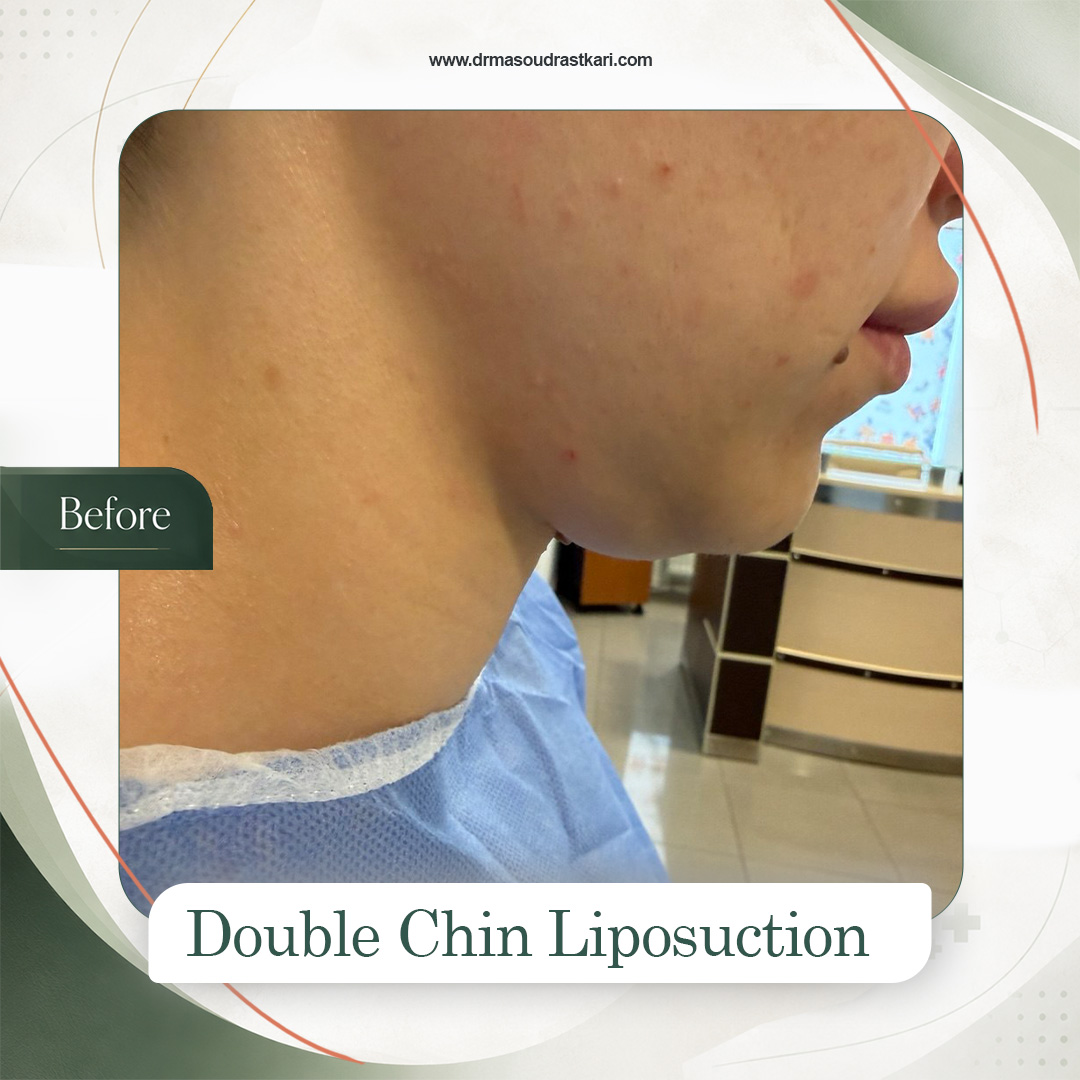
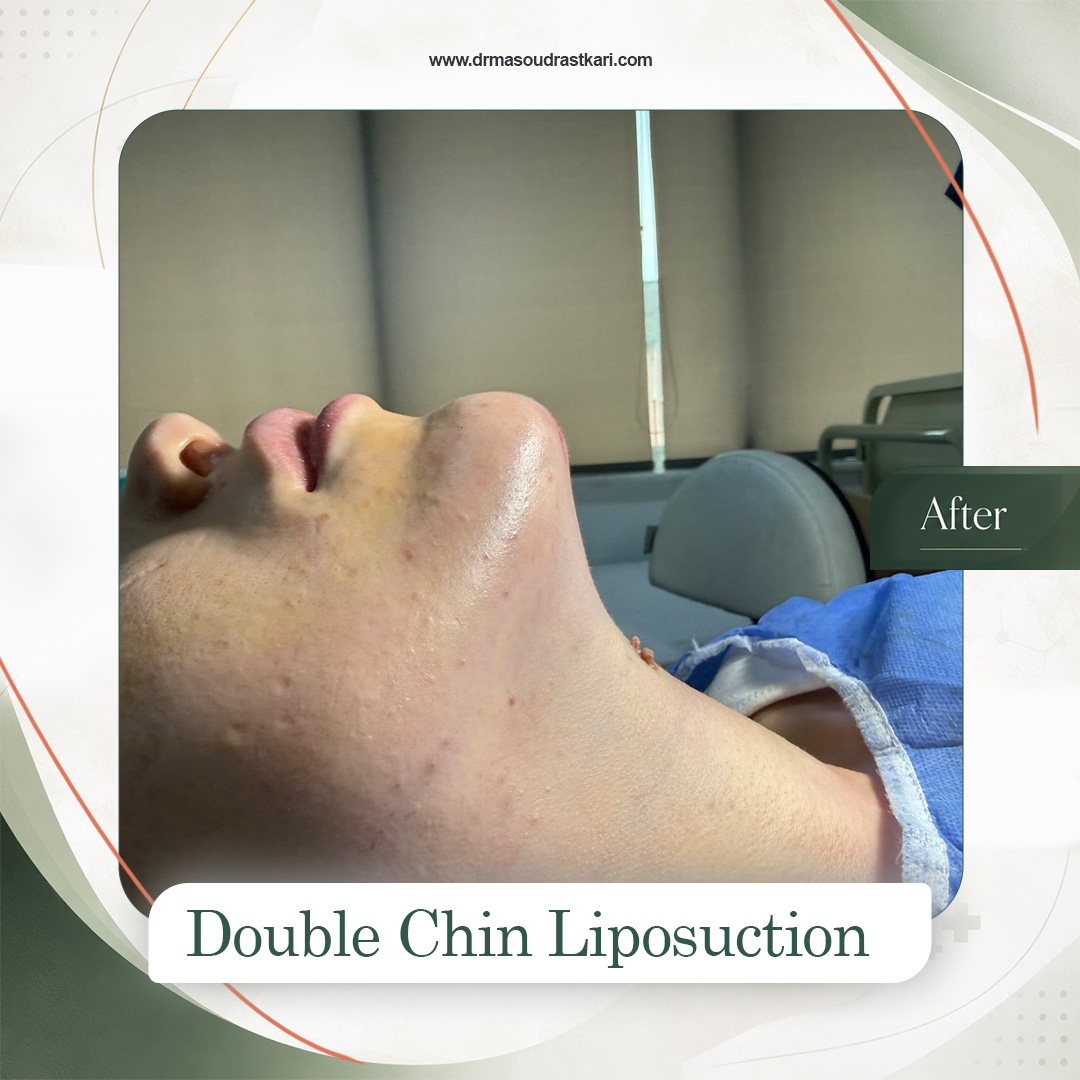
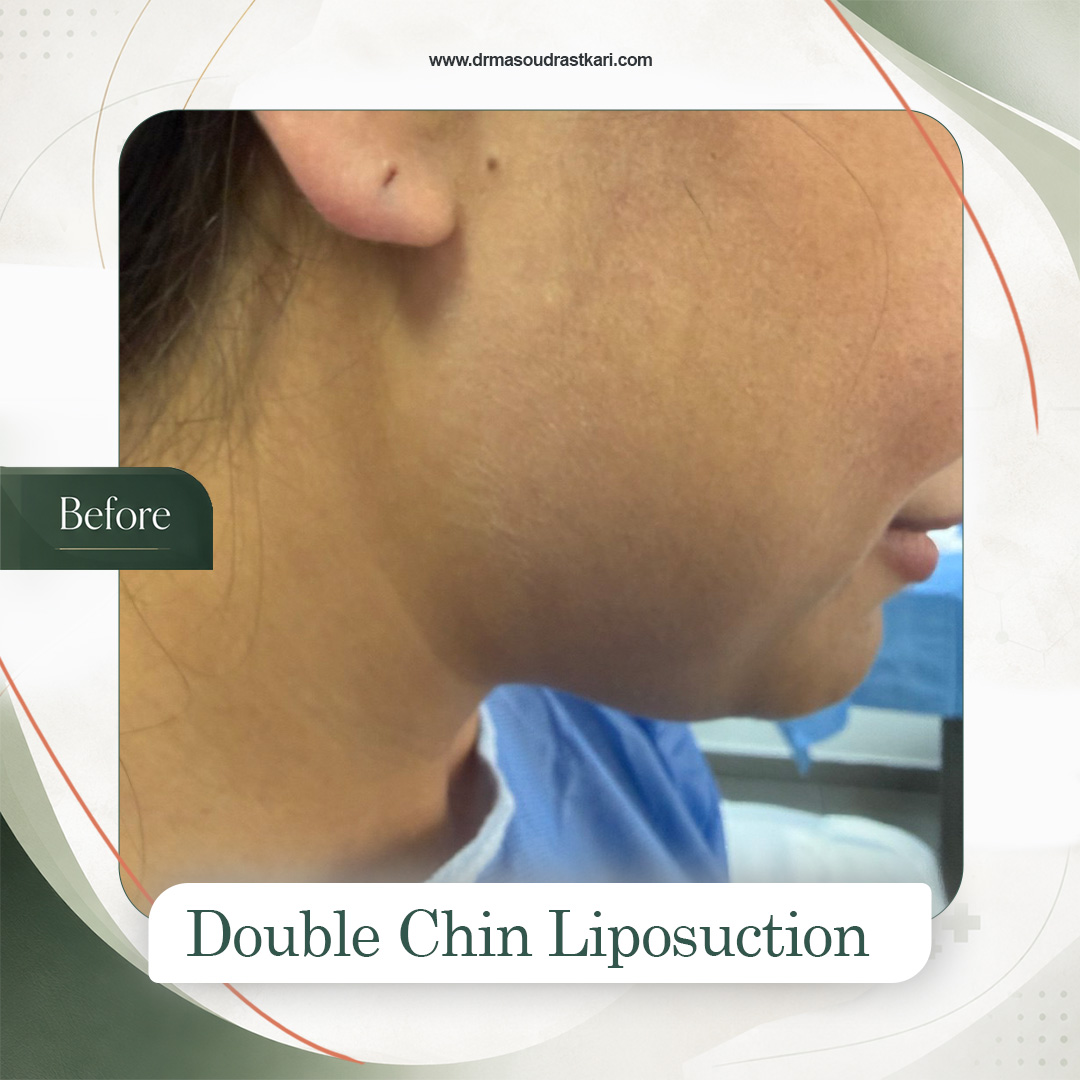
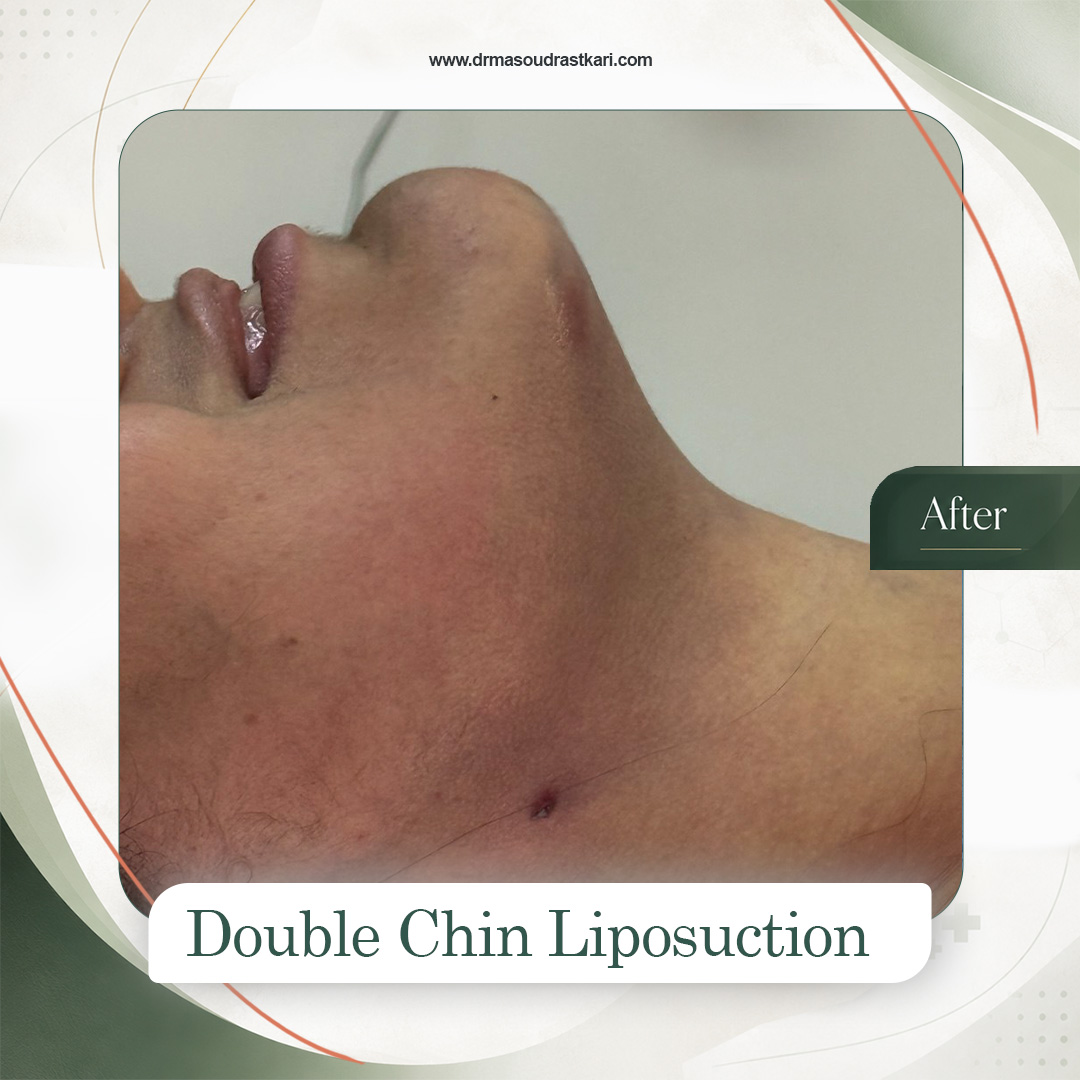
Liposuction removes localized subcutaneous fat through small incisions with a cannula. The plan can focus on the waist, abdomen, flanks, arms, thighs, neck or another area, but the volume and distribution matter more than the marketing name of a device. “360 liposuction” usually describes treating several sides of the torso; it is not a single standardized operation. The ASPS states that liposuction is not a treatment for obesity and cannot reliably tighten substantial loose skin. A patient with hanging skin may need a lift or tummy tuck instead, or may prefer no surgery after comparing scars and recovery.
Ask which zones will be treated, the expected total aspirate, whether the surgeon recommends combining procedures and how fluid balance, anesthesia and clot risk will be managed. Irregular contours, asymmetry, persistent swelling, altered sensation, infection, bleeding and blood clots are among the possible complications. Elastic garments are often part of aftercare, but their type and duration should come from your own clinical team. Avoid any provider who promises a fixed number of centimeters lost or an effortless recovery based on a photograph.
How to inspect examples: compare the same body position, camera distance and clothing. Ask whether a tummy tuck, breast procedure or weight change occurred at the same time. Combined-operation photographs cannot show what liposuction alone achieved. The body contouring gallery gives you more cases to discuss with a clinician; it is not a measure of a surgeon’s complication rate.
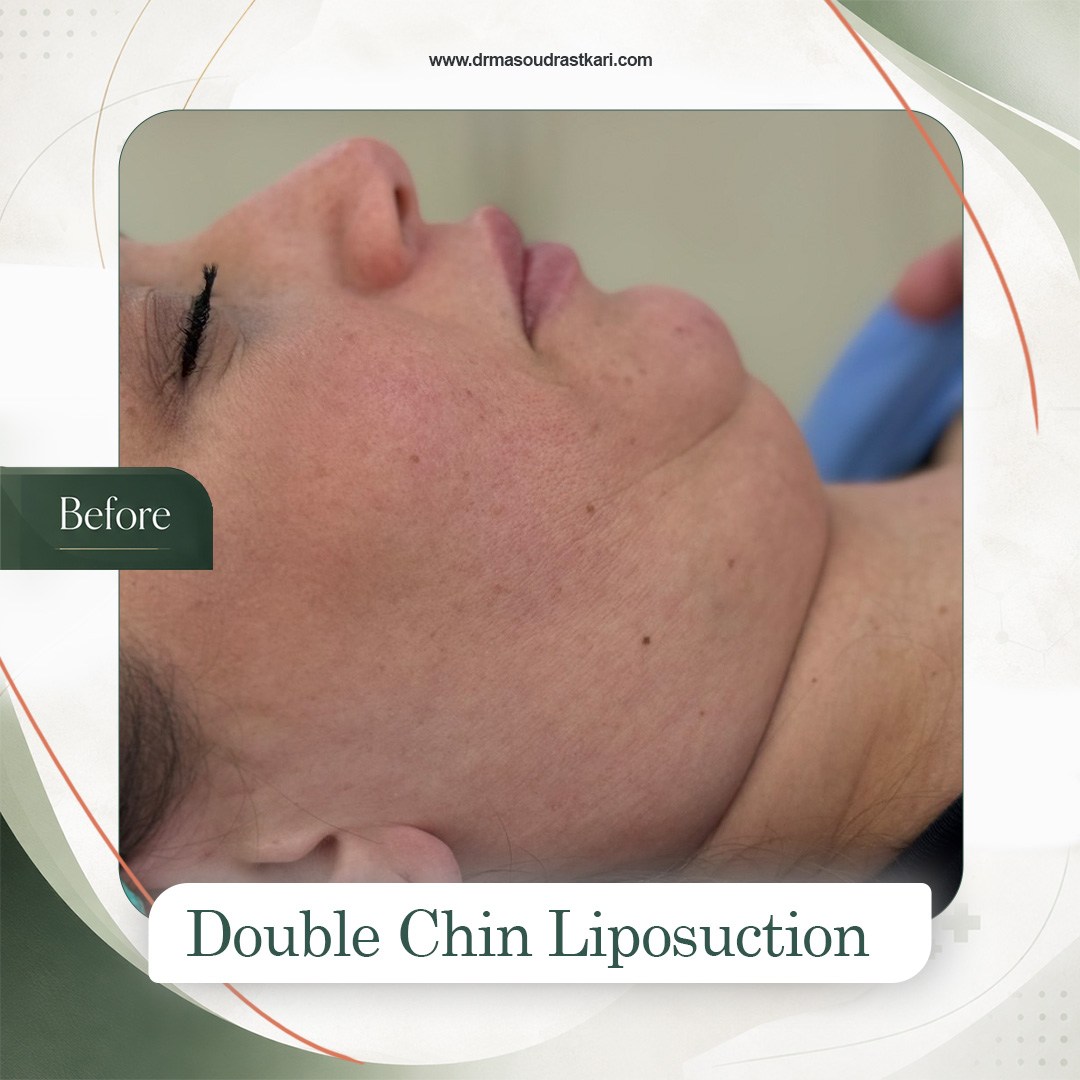
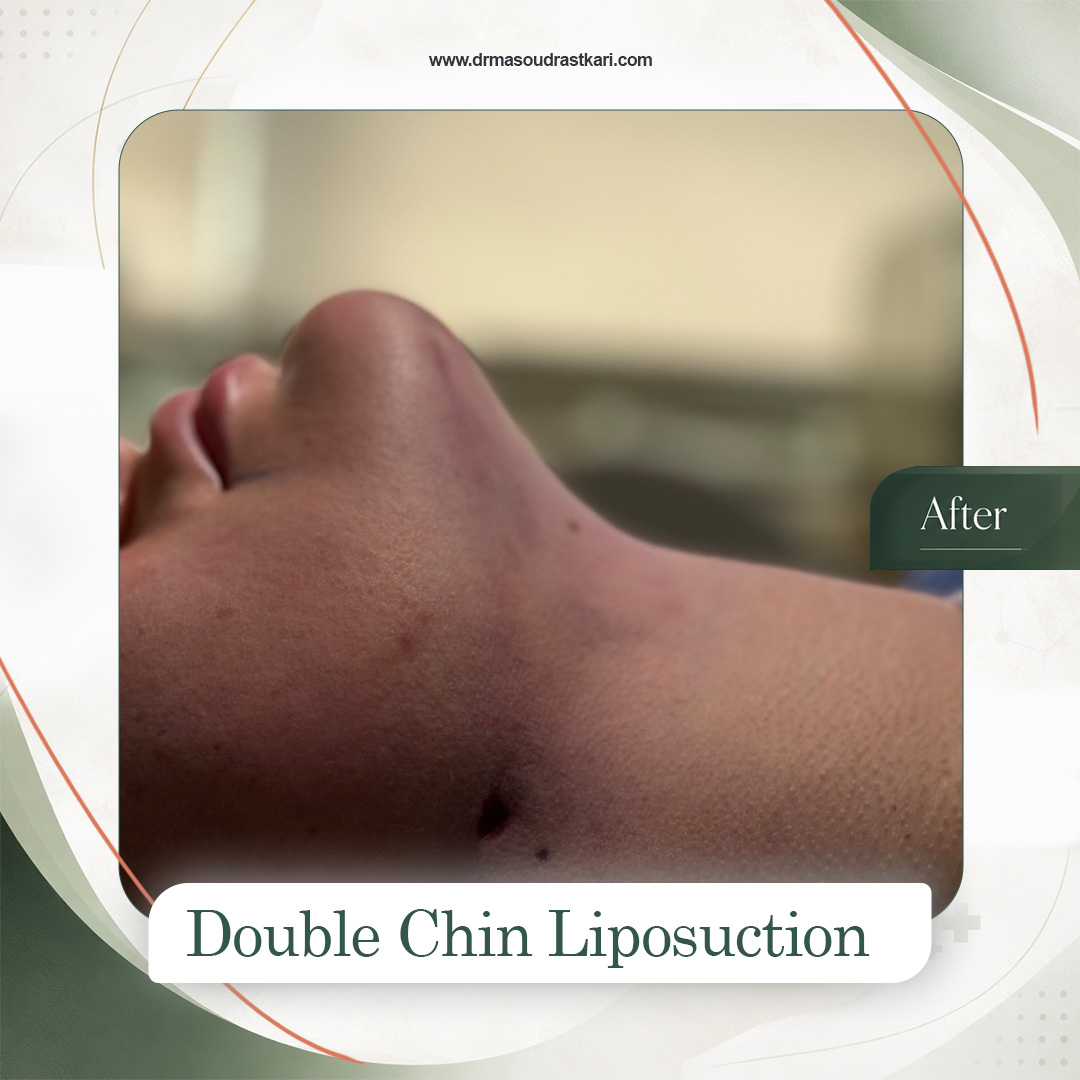






Breast surgery: volume, position, size and reconstruction
Breast augmentation adds volume with an implant or, in selected cases, transferred fat. A breast lift, or mastopexy, changes position and shape by removing skin and reshaping tissue. Reduction removes breast tissue and skin to make the breasts smaller; it can also address symptoms such as discomfort, although only a clinician can assess whether it is appropriate. These procedures may be combined, but the trade-off may include longer incisions, altered nipple sensation, difficulty breastfeeding, asymmetry and additional surgery later. A photograph does not tell you which technique was used or how the result changed over time.
If implants are considered, ask for the device brand, model, surface, size, placement and patient information. Discuss capsular contracture, rupture, infection, changes in sensation, future imaging and the possibility of removal or replacement. Implants are not lifetime devices. The US Food and Drug Administration (FDA) implant safety information explains known risks, including breast implant-associated anaplastic large cell lymphoma, which has been associated more often with textured implants. The FDA’s checklist is a useful conversation aid even when treatment is outside the United States; your surgeon must explain the specific device offered in Iran.
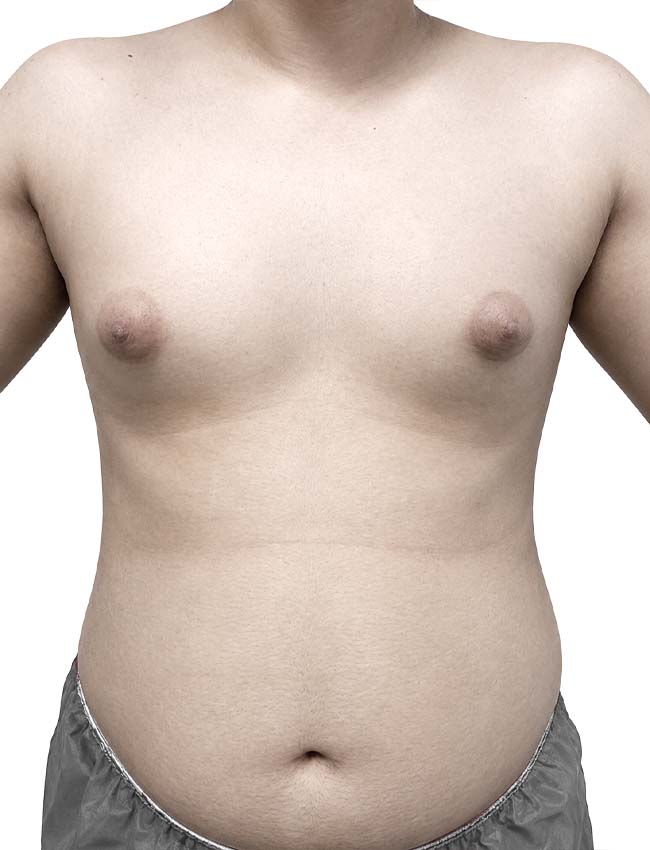
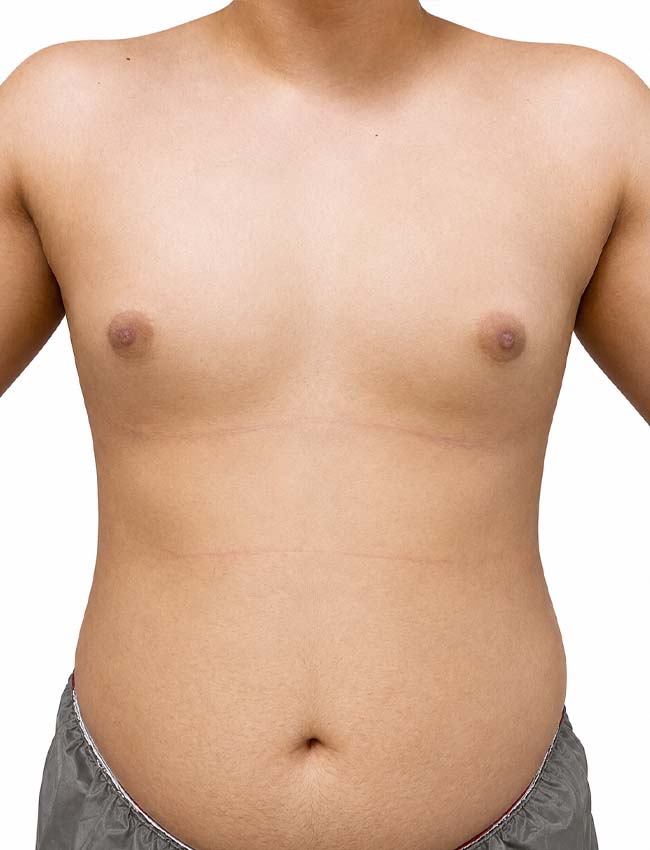
Implant removal or exchange needs its own assessment. The reason may be a personal preference, rupture, pain, capsular contracture or another concern. Breast reconstruction after cancer is a different clinical pathway that may involve an implant, tissue from another part of the body, several stages or no reconstruction. Coordination with the cancer team and timing of other treatment matter more than a cosmetic package. Men seeking gynecomastia surgery should first discuss whether the fullness is glandular tissue, fat, medication-related or a sign of another condition. Read additional breast-lift cases, breast-reduction cases and gynecomastia cases with those distinctions in mind.
How to inspect examples: a front and both side views are more useful than one posed image. Ask about implant size, concurrent lift, prior pregnancy or weight change, scar pattern and how long after surgery the second photograph was taken. Before you travel, request an itemized quote showing the implant and its documentation, surgical bra, imaging, admission, follow-up and any exclusions.


Scar revision and wound reconstruction
A scar may be raised, widened, depressed, discolored, tight or painful. The right response depends on its cause, age, location, direction, skin type and whether it limits movement. A surgeon might discuss surgical revision, a graft, a flap or tissue expansion; another specialist might recommend silicone, injections, laser treatment or observation. These are different treatments with different aims. Revision may make a scar less conspicuous or improve function, but it cannot erase the fact that skin was injured. The ASPS scar-revision guide emphasizes individualized treatment and realistic expectations.
Ask whether the proposed operation changes the line of the scar, releases a contracture or replaces missing tissue. A burn scar crossing a joint may be a functional problem, not simply an aesthetic one. A keloid can recur after excision and may need a broader management plan. The surgeon should explain the chance of recurrence, pigmentation change and further procedures. For international travel, clarify whether the treatment needs repeated visits; a one-time trip may be unsuitable for a staged course.
How to inspect examples: only compare cases with the same kind of scar and the same treatment. An acne-scar laser result should not be labelled as surgical scar revision. Look for a clear location, time after treatment, lighting and a description of whether multiple sessions occurred. Where the public source lacks these details, request the full case record directly from the provider rather than treating a picture as proof of a method or result.
No clearly attributed surgical scar-revision case met the documentation standard for this page. Ask the treating surgeon for a case matching your scar type, site and treatment method.
Facelift surgery
A facelift addresses selected signs of aging in the lower face, such as jowls and tissue descent. Techniques differ in how skin and deeper tissues are repositioned; terms like “mini,” “deep plane” and “SMAS” should prompt an explanation of the actual plan rather than serve as a quality badge. The surgeon needs to consider facial shape, skin, hairline, prior operations and your preferences about scars. It may be paired with a neck procedure, eyelid surgery or fat transfer, but each addition should have a separate reason. See the ASPS facelift overview for the operation’s scope.
A facelift does not stop aging, remove every wrinkle or replace good skin care. Risks include bleeding or hematoma, infection, nerve injury, altered sensation, skin loss, asymmetry and an unsatisfactory appearance. Smokers and patients with circulation problems may face additional healing concerns. Ask where the incisions will sit around the ears and hairline, how the surgeon manages an early hematoma and when you can safely leave the city. A short holiday itinerary is not an aftercare plan.
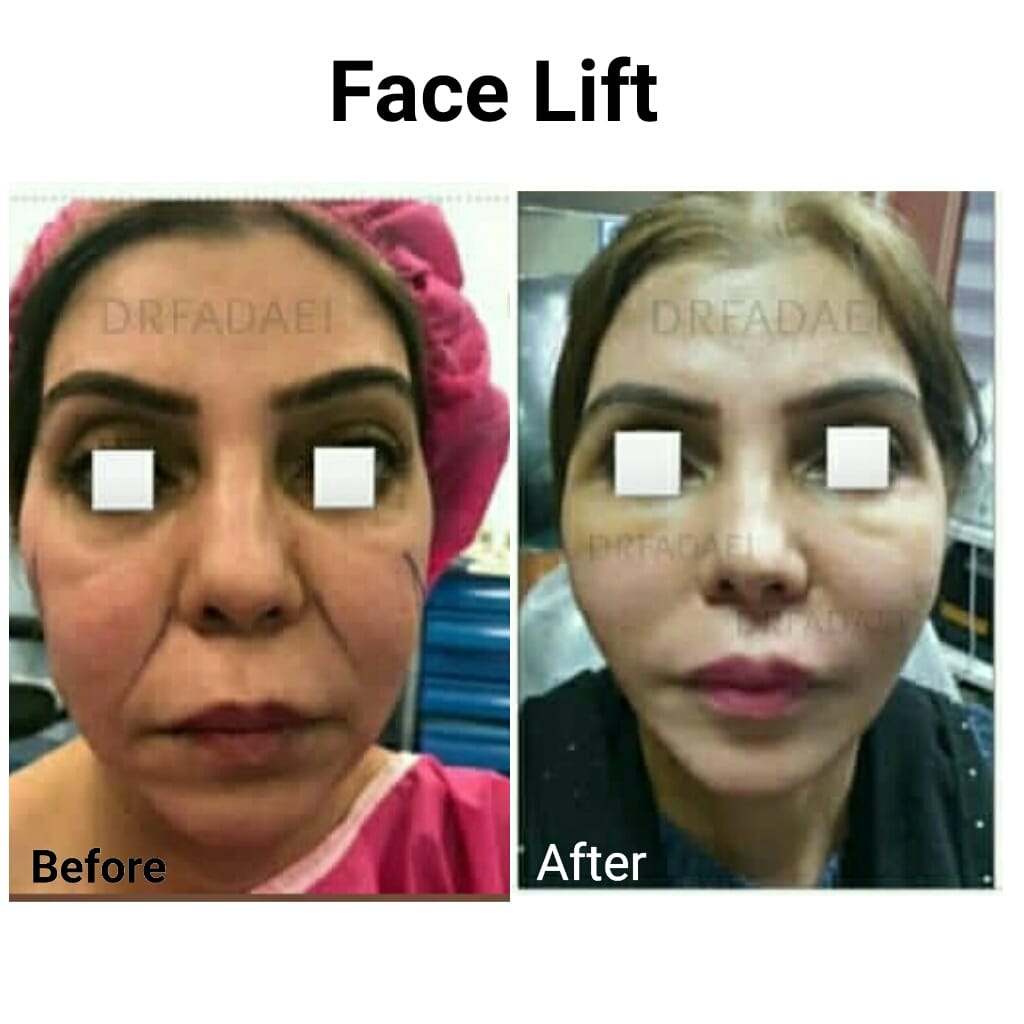
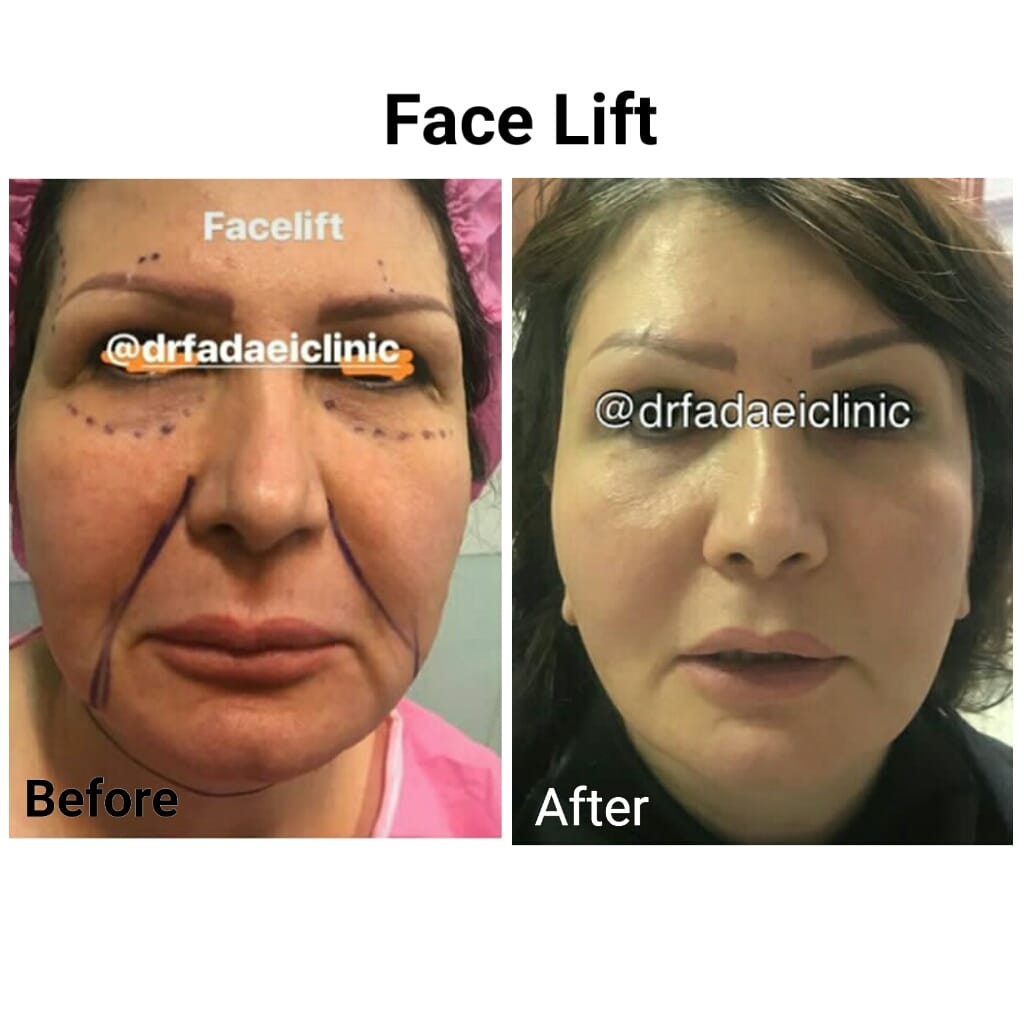
How to inspect examples: compare the same camera angle, expression, hairstyle and neck position. Ask whether the patient also had eyelid surgery, fat grafting, filler or skin resurfacing. Those additions can change what you think the facelift accomplished. The facelift case gallery can help you frame questions, while the surgeon’s consultation determines what is appropriate for you.


Rhinoplasty and revision nose surgery
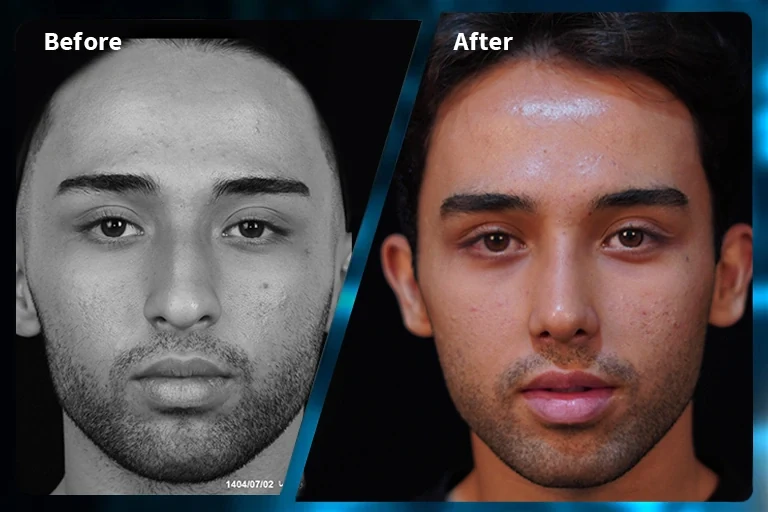
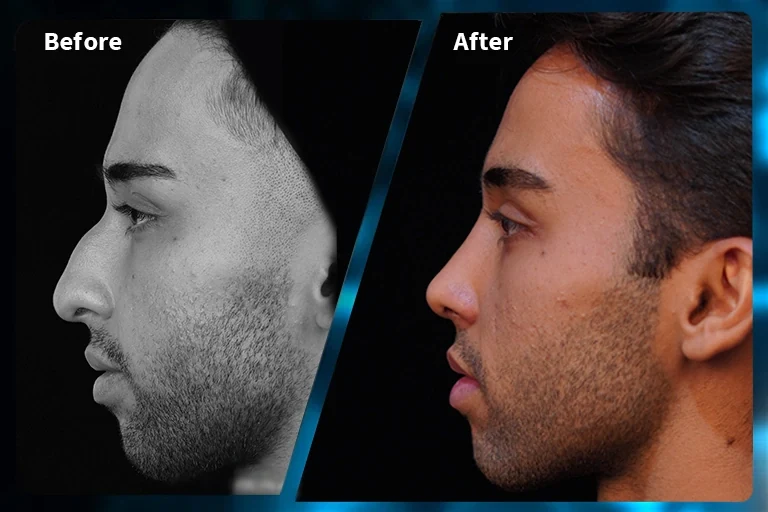
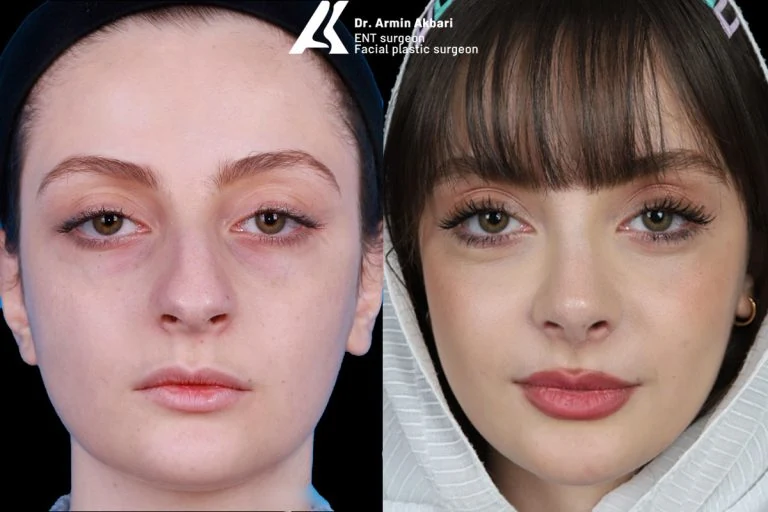
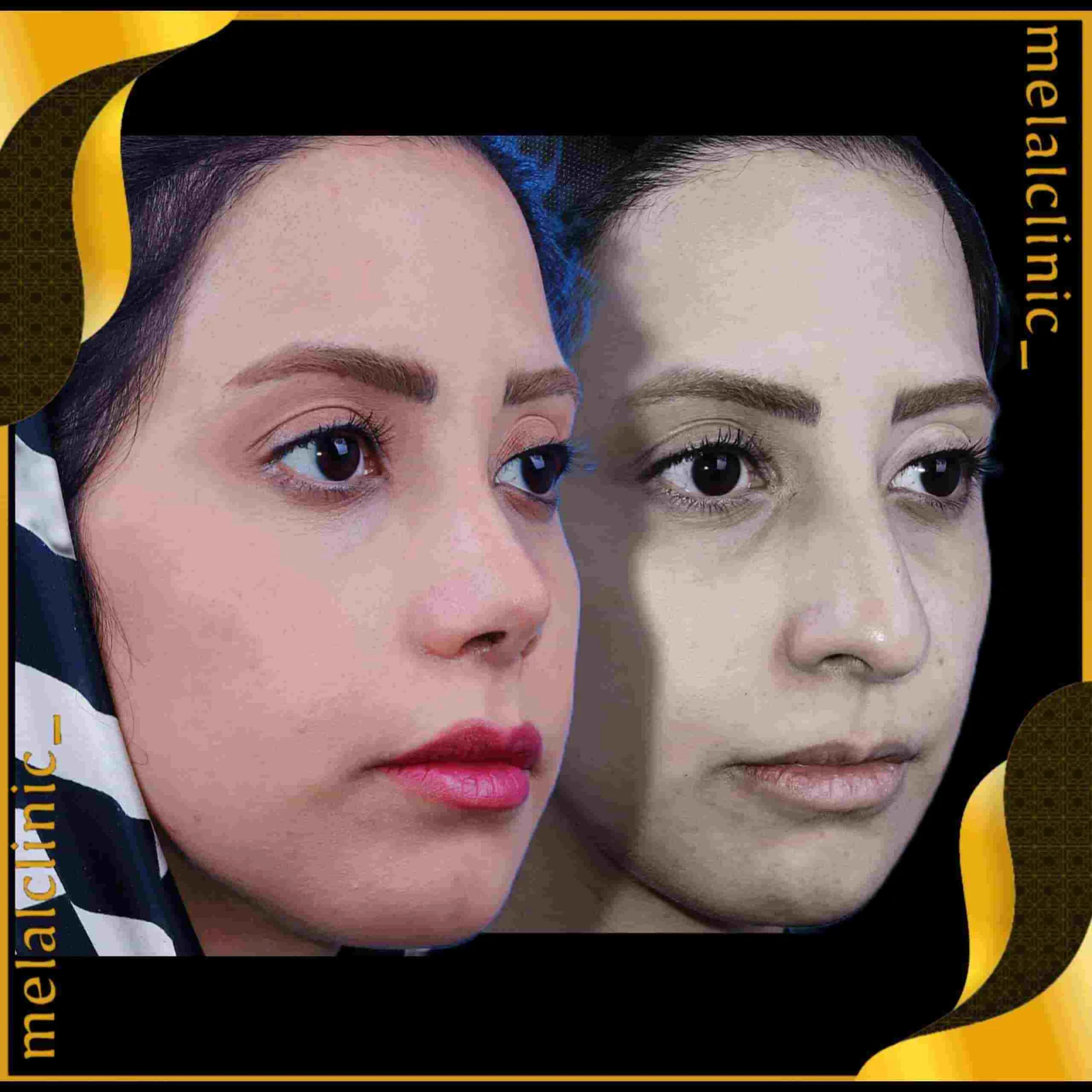
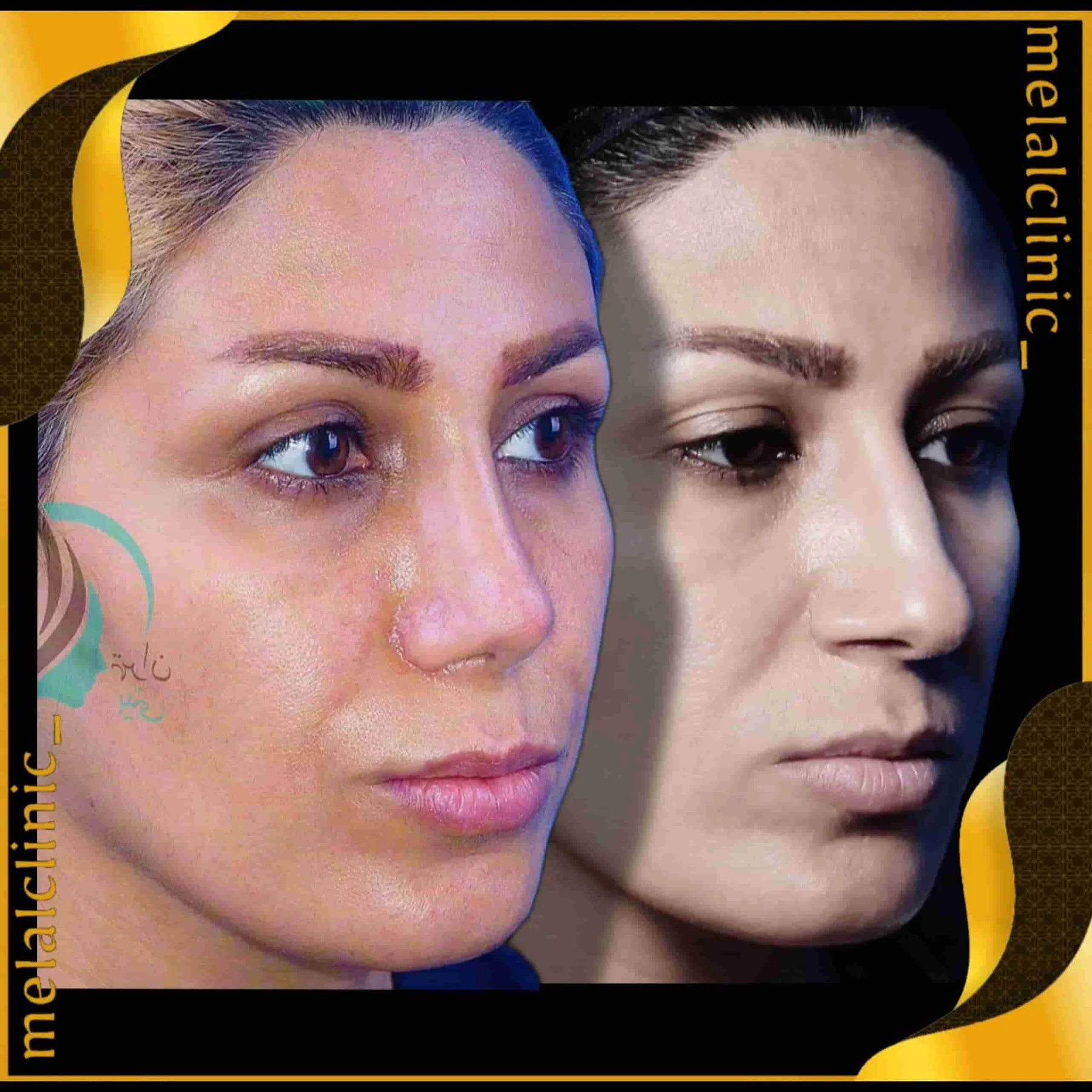
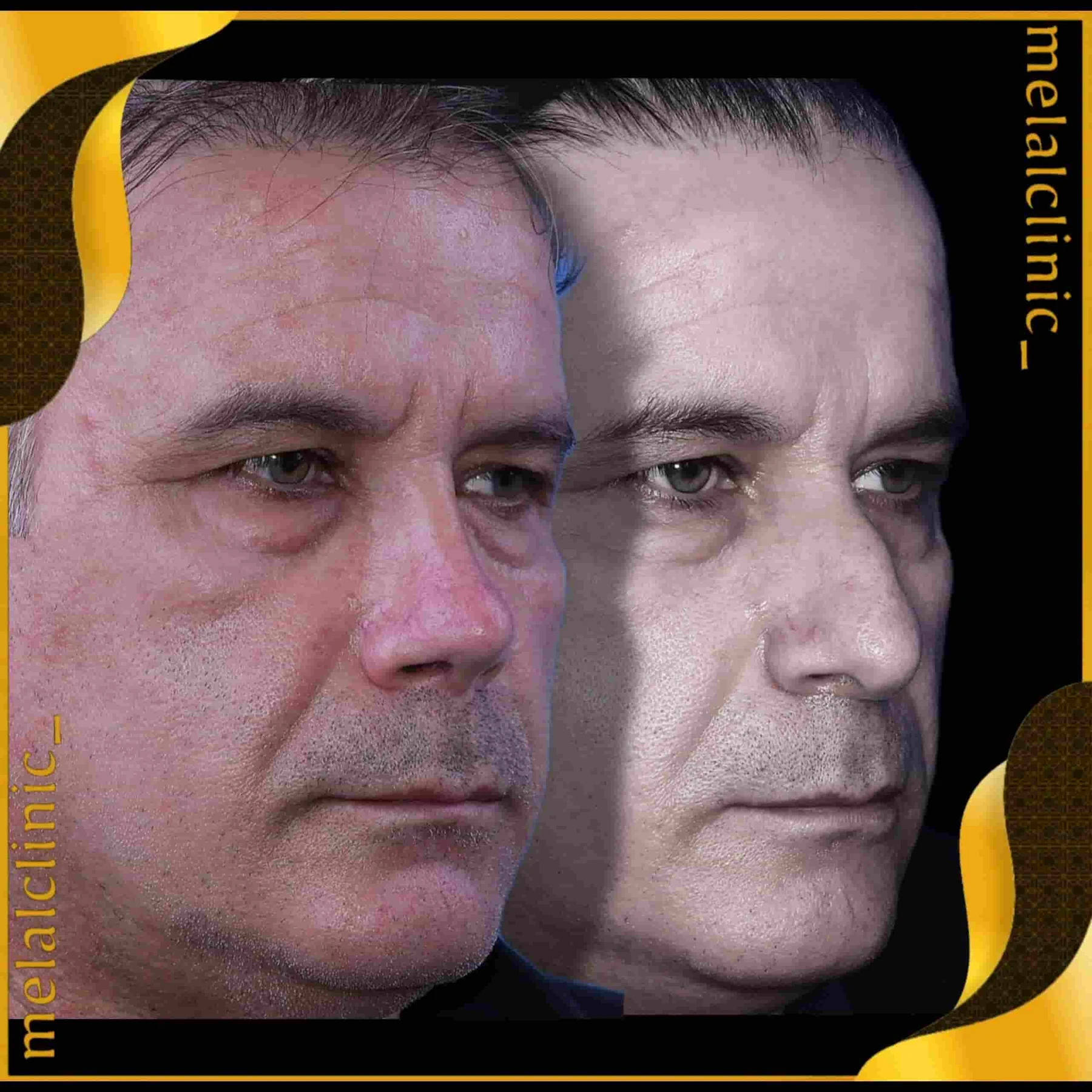
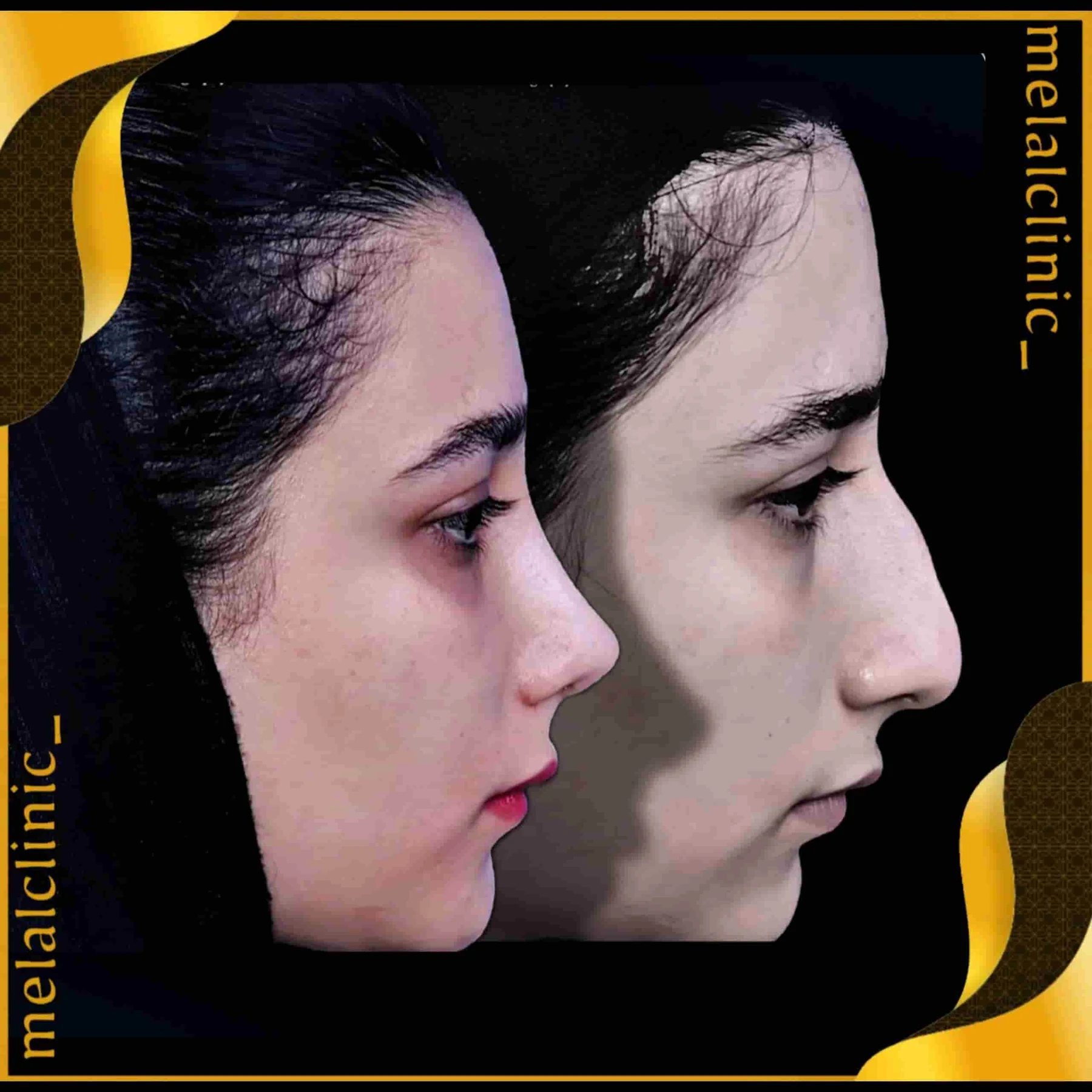
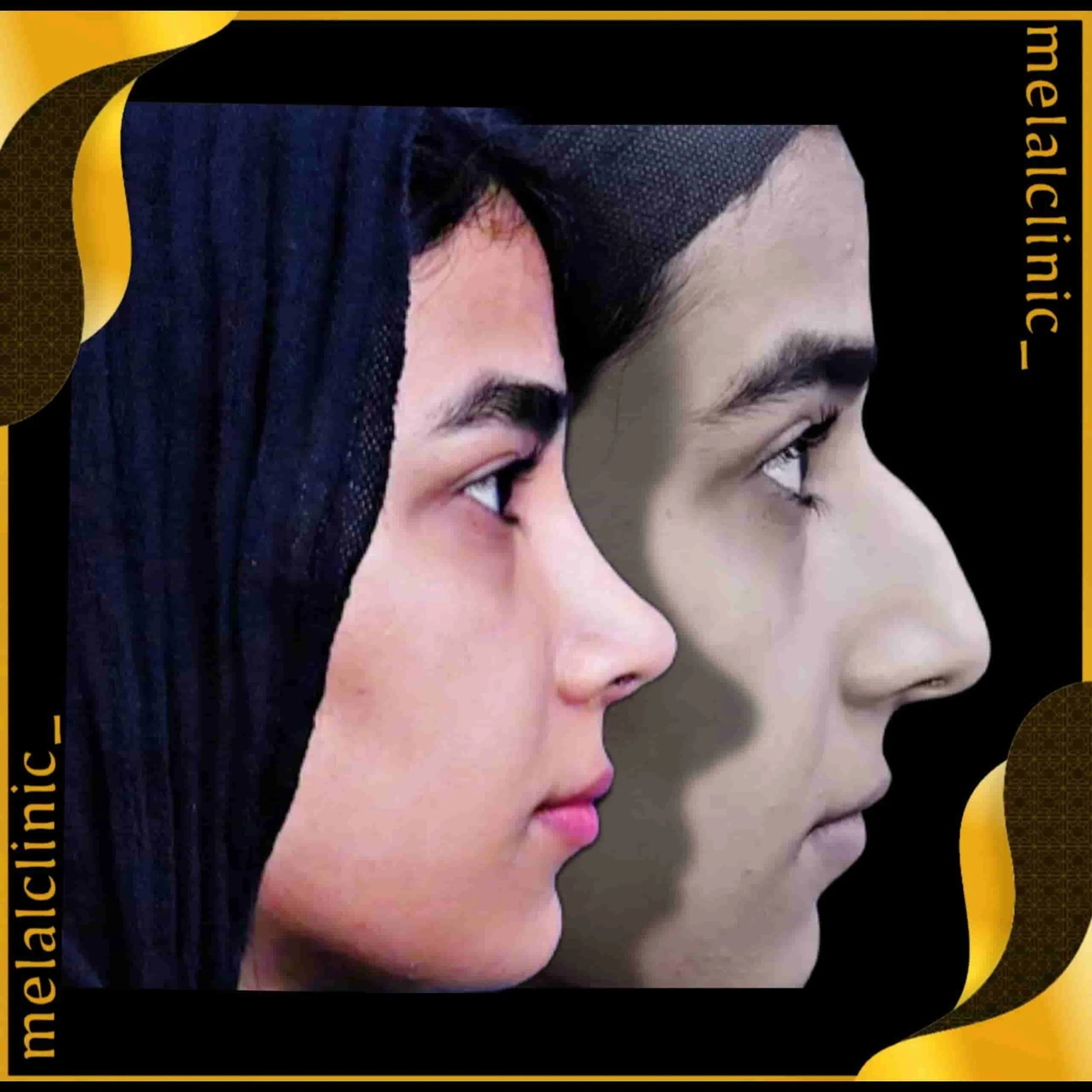
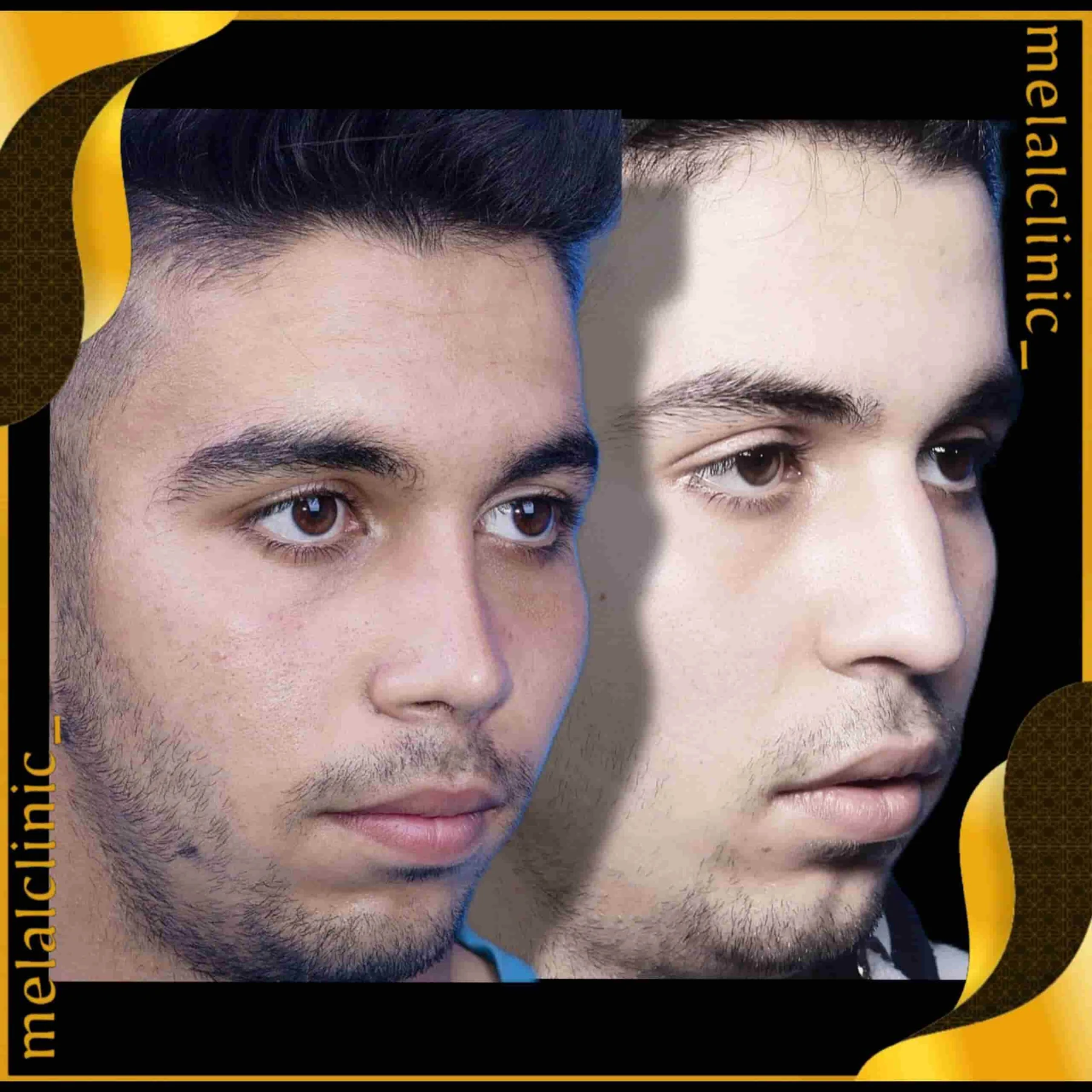
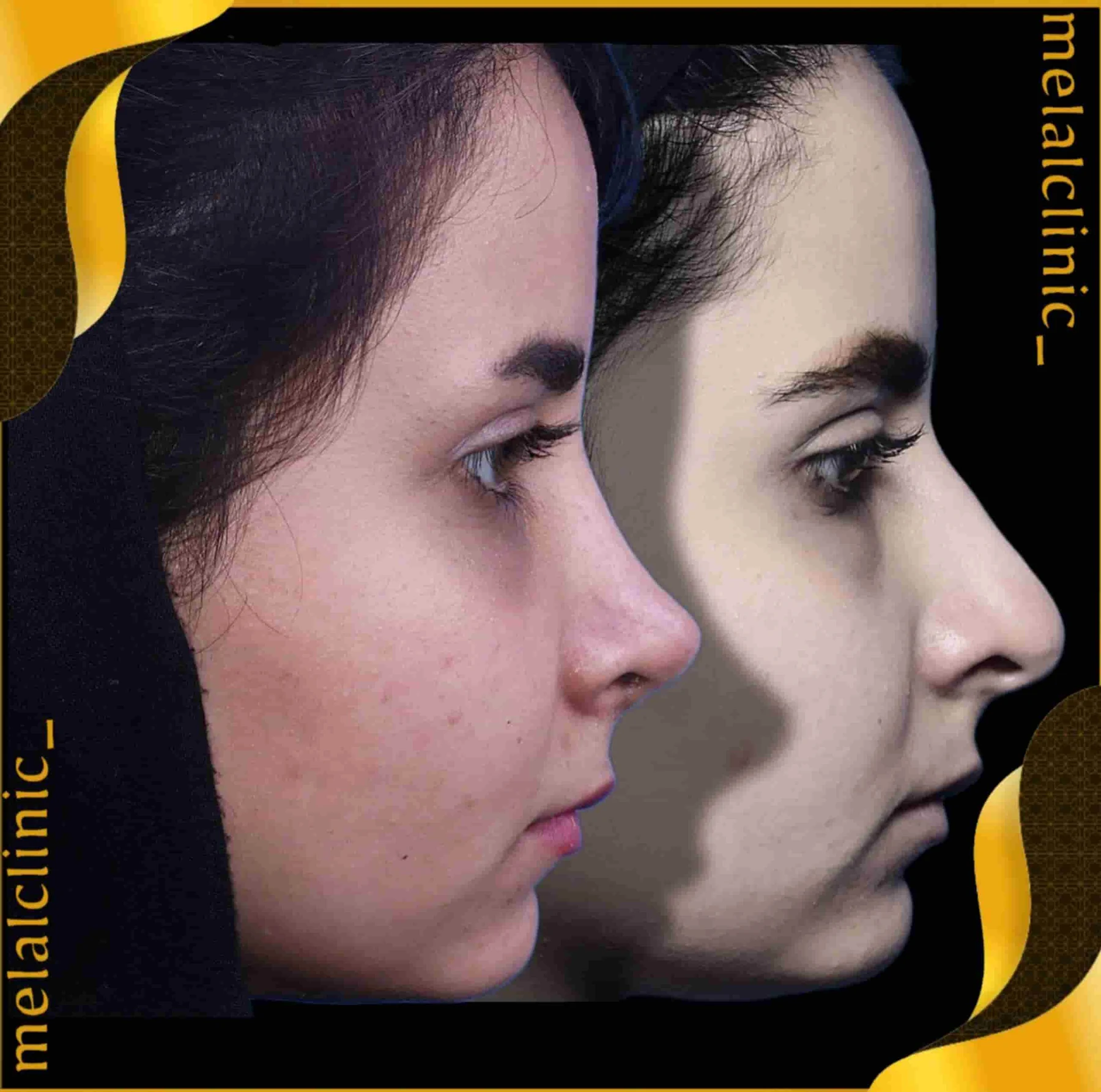
Rhinoplasty changes nasal shape; some patients also need evaluation of breathing or a previous injury. The discussion may cover the bridge, tip, nostrils, asymmetry and how the nose fits the rest of the face. An “open” or “closed” approach describes incision access, not a guaranteed result. Revision rhinoplasty after a previous operation is usually more complex because tissue has been altered and support may be limited. Patients concerned about breathing should ask whether a functional component, such as septal surgery, is proposed and who will perform it.
Gender, ancestry and personal identity matter in the consultation. A good plan should reflect the patient’s own goals rather than force a standard “female,” “male” or ethnic nose. Ask the surgeon to explain what can be preserved, what can realistically change and how they will protect or improve function. Swelling can obscure the final contour for a prolonged period. A comparison photograph taken soon after surgery should not be described as the settled result.
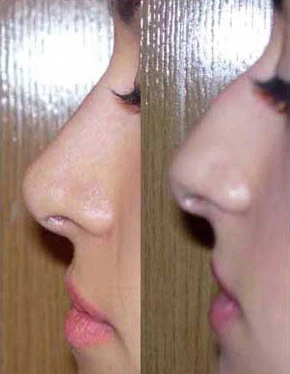
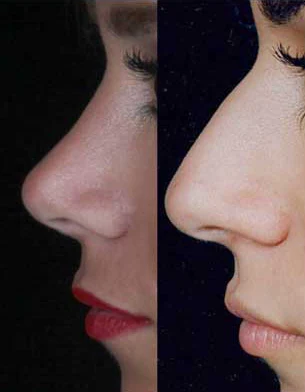
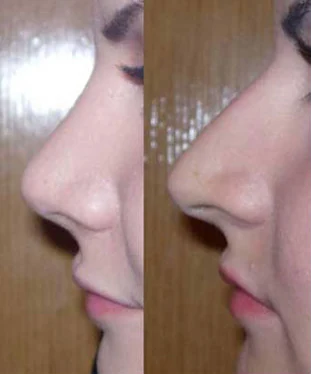
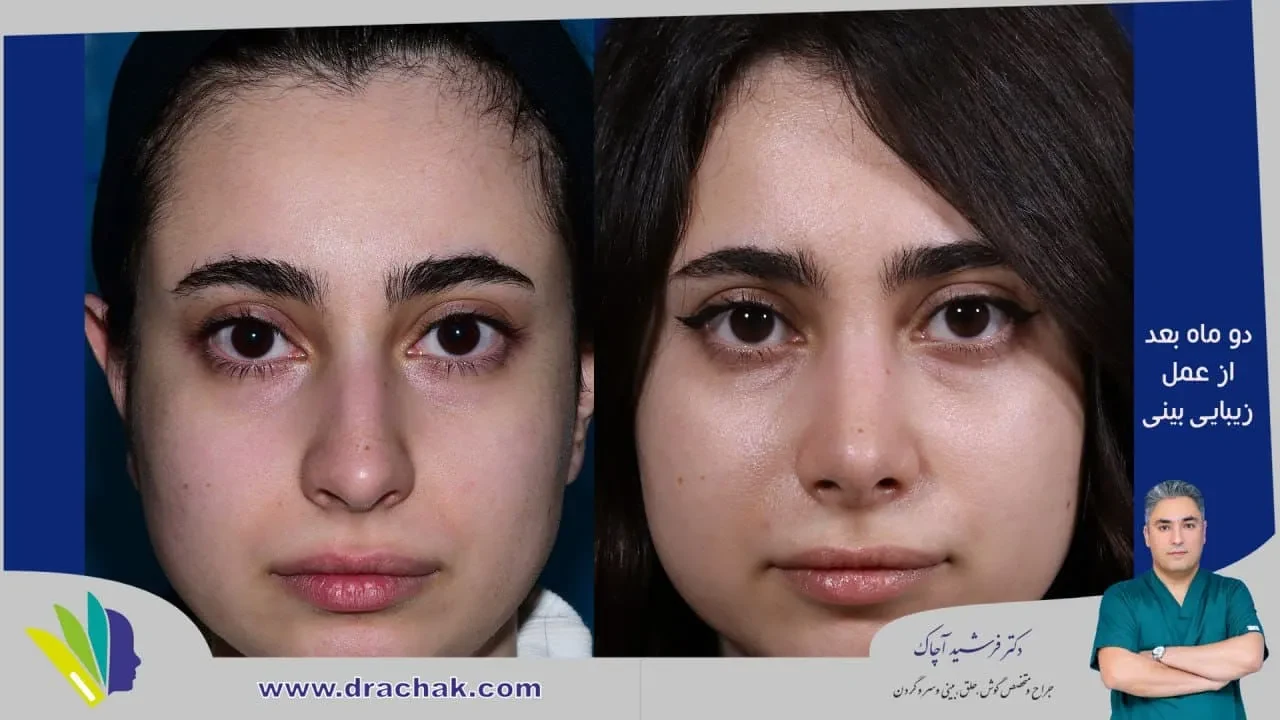
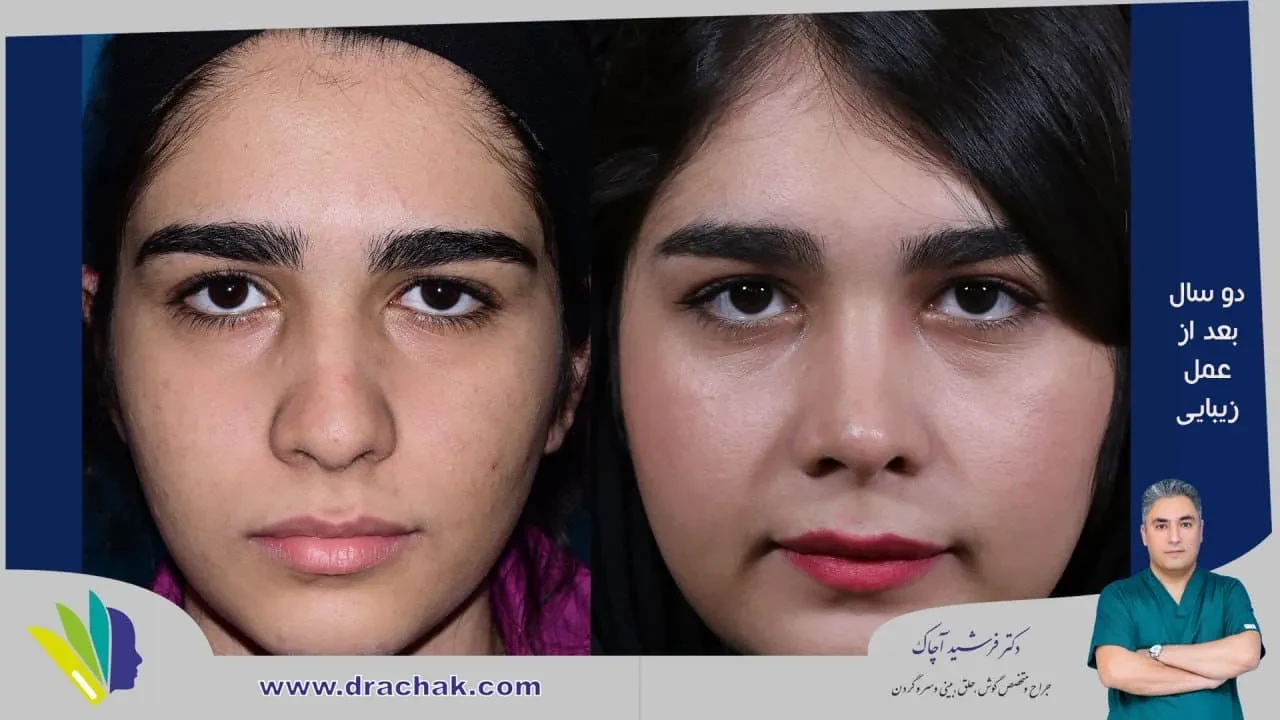
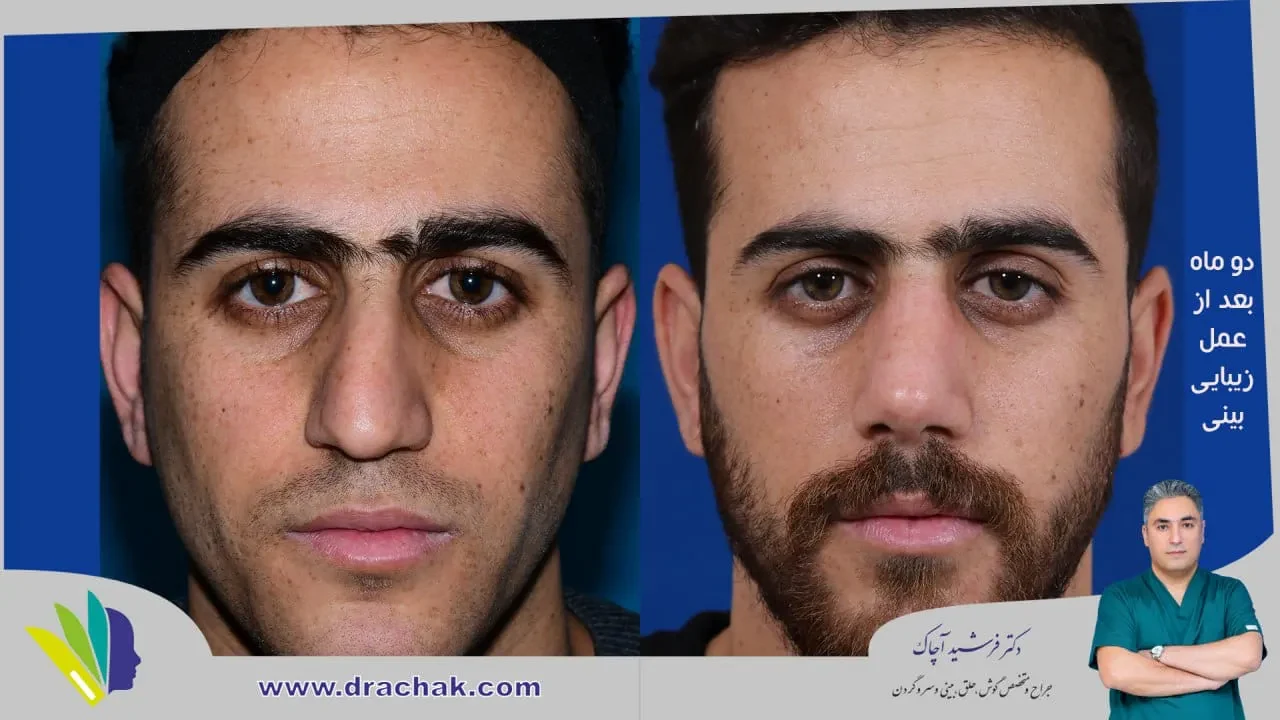
For a detailed planning guide, see rhinoplasty in Iran and the surgeon and clinic comparison. The nose-surgery gallery provides additional examples. Compare cases with similar starting anatomy and ask who performed each operation. Do not choose a surgeon solely from the shape of one celebrity-style photograph.














Tummy tuck, or abdominoplasty
Abdominoplasty removes excess abdominal skin and fat and may repair separated abdominal muscles where appropriate. It can be particularly relevant after pregnancy or substantial weight loss. A mini and a full tummy tuck differ in the amount and location of tissue addressed; the position of the navel and incision length also vary. Liposuction may be added for contouring, but it is not a substitute for skin removal. The ASPS tummy-tuck guide lists complications such as fluid collection, poor healing, infection and blood clots.
This is major surgery. Ask about the plan for drains if any, wound care, mobility, pain control, clot prevention, accommodation and a companion during the early recovery period. If your weight is still changing substantially or you expect another pregnancy, ask whether delaying surgery would better fit your goals. A lower abdominal scar is part of the trade-off even when it can usually be placed under clothing. “Scarless tummy tuck” is not a realistic description of a traditional excisional procedure.
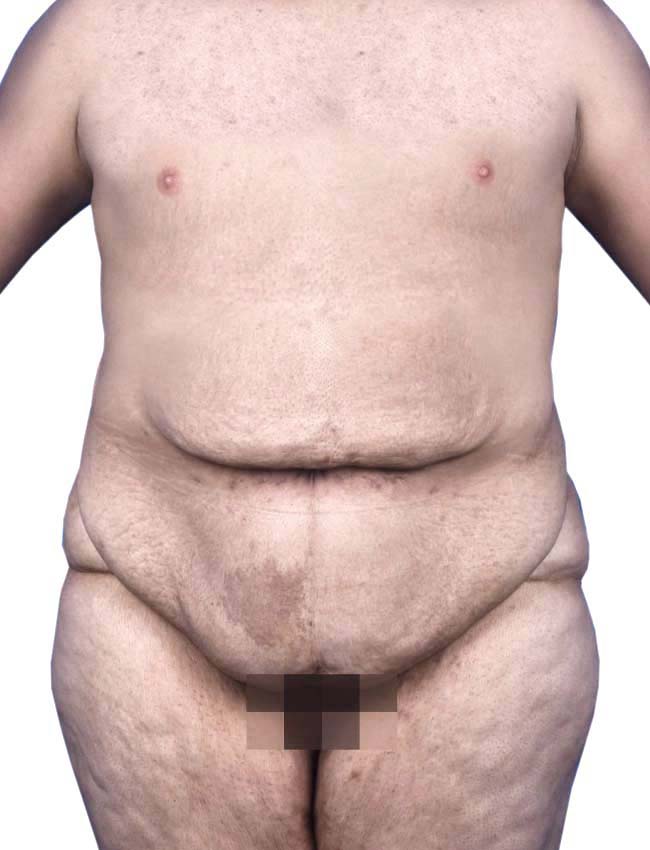
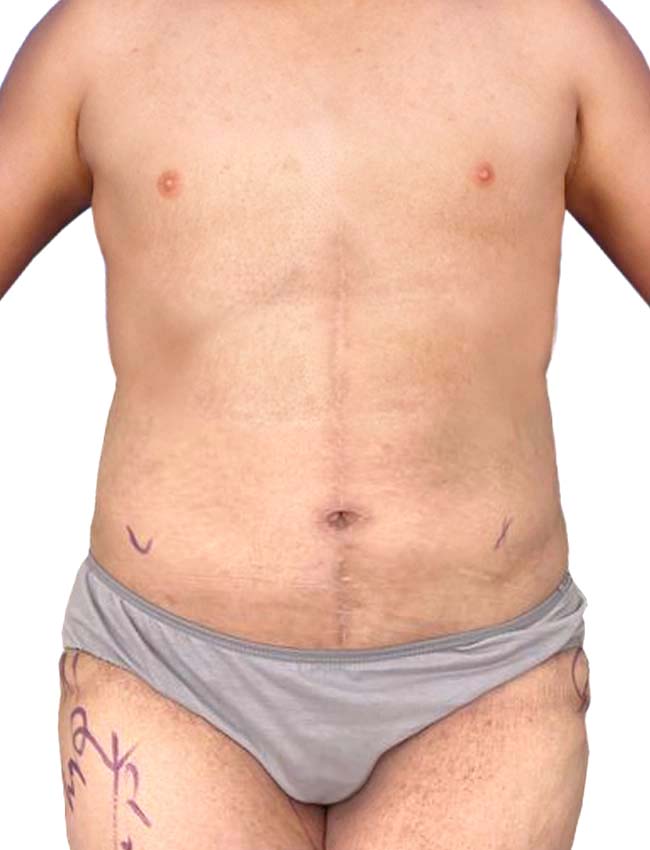
How to inspect examples: assess the front and side profile, waistline, navel position and visible scar. Check whether the patient also underwent liposuction or breast surgery. Ask for an example with a similar degree of loose skin and a similar stage after weight loss. View more tummy-tuck examples, and if major weight loss is part of your story, use the weight-loss treatment guide to understand that separate clinical pathway.
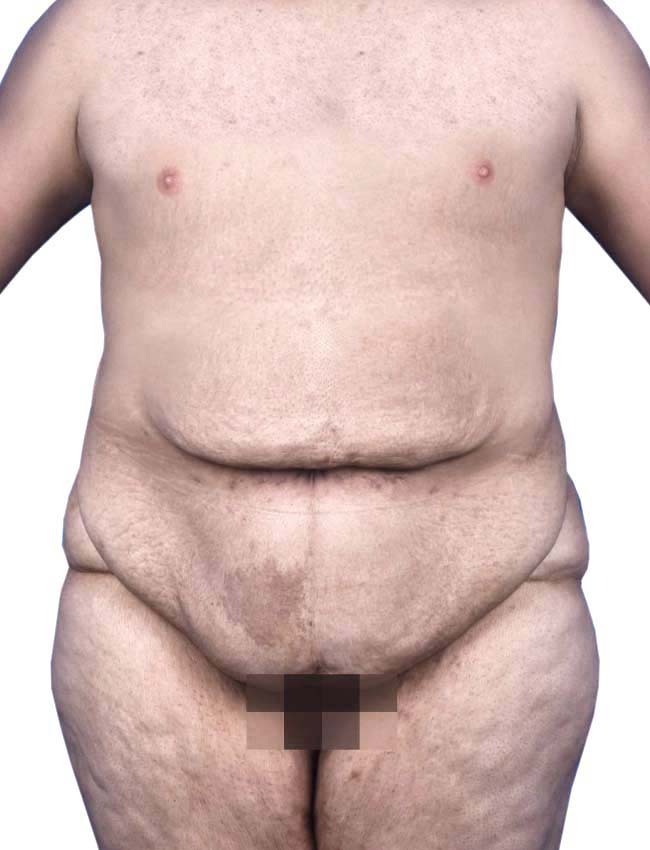
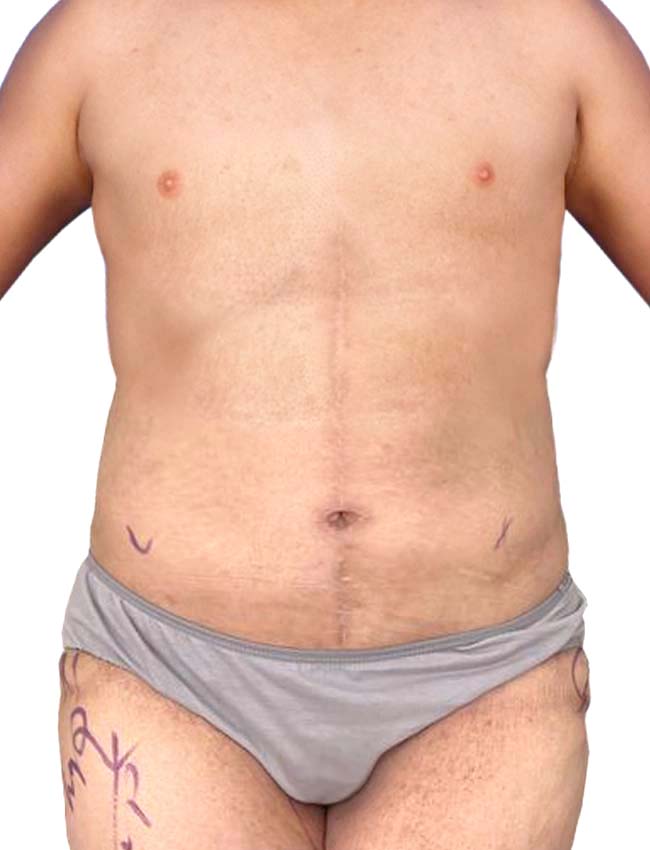
Brazilian butt lift: a decision that requires extra caution
In a Brazilian butt lift, fat is removed from one area and transferred to the buttocks. The result depends on the donor area, skin, body shape, the amount of fat that survives and the surgeon’s technique. It is not the same as a buttock implant. It also is not a procedure to choose from a package photograph alone. A joint safety statement from plastic-surgery organizations describes serious risks, including fatal fat embolism, and supports fat placement above the gluteal fascia with real-time ultrasound guidance.
Ask the surgeon exactly where fat will be placed, whether ultrasound is used during injection, who operates the ultrasound, what training and hospital privileges the surgeon has and what the emergency pathway is. Ask about the time under anesthesia when liposuction is combined with the transfer. A clinician may advise against the operation if your anatomy or health makes the risk unacceptable. Treat that as a meaningful safety decision, not a sales obstacle. An estimate that omits monitoring, anesthesia and post-operative support is not comparable with a complete quote.
How to inspect examples: check whether the photographs show a consistent stance, waist position and clothing. A change in the donor area can make the buttocks appear larger even without showing the transfer result clearly. Request the technique and follow-up interval from the named provider. See the BBL case collection for comparison prompts, while placing safety above aesthetic similarity.
No BBL photographs are displayed here without a verified provider source and enough detail to distinguish fat transfer from posing or another procedure. Request the named surgeon’s original case series and safety protocol during consultation.
Neck lift and jawline concerns
A neck lift can address selected combinations of loose skin, visible platysma bands and fullness beneath the chin. Sometimes the concern lies mainly in localized fat; sometimes skin and muscle changes mean liposuction alone would leave a disappointing contour. A facelift may be discussed if lower-face jowls are also prominent. “Neck lift” is therefore a broad term: ask what tissue the surgeon intends to change, where incisions will be placed and what the profile is expected to look like after swelling settles. The ASPS neck-lift resource explains its scope.
Discuss scars around the ears or beneath the chin, altered sensation, bleeding, swelling and the possibility of asymmetry. A tightly posed side view with the chin lifted is a poor substitute for standard photographs. Ask for front, oblique and side views in a neutral posture, plus disclosure of any simultaneous facelift, chin implant or submental liposuction. For a related concern, our jawline collection is useful for learning which procedure produced a given example. That distinction matters because a neck lift does not change the jaw bone itself.
A neck-lift image needs a clear procedure label; a submental liposuction or a general face-and-neck photograph is not proof of a neck lift. Ask for comparable neutral-position views from the operating surgeon.
Explore more published results
These galleries are a starting point for questions, not a substitute for a consultation. A gallery entry may show several views of one patient, and provider pages often omit the follow-up interval or details of combined surgery. Ask the named surgeon for original photographs, a matching case history and the complete procedure list.
Browse before-and-after cases and videosOther facial procedures: know which structure is changing
| Procedure | Question it may address | What to clarify with the surgeon |
|---|---|---|
| Brow or forehead lift | A low brow, heavy upper-face appearance or forehead descent | Is the brow, the eyelid or both responsible? Where will incisions and scars be? |
| Otoplasty | Prominent, asymmetric or misshapen ears | Which cartilage features will be changed and how will symmetry be assessed? |
| Chin surgery or genioplasty | Chin projection or shape | Is an implant, bone movement or another approach proposed, and how will the bite be assessed? |
| Orthognathic jaw surgery | Jaw position, bite or skeletal asymmetry | Is this a functional skeletal operation involving orthodontics, rather than a simple contouring procedure? |
| Buccal fat removal | Persistent lower-cheek fullness in a selected patient | Could removing permanent facial volume create a hollow appearance later? |
| Cheek implant or augmentation | Midface projection | What material or technique is proposed, and what are the risks of movement, infection or asymmetry? |
A brow lift raises the brow and can change forehead appearance; it is not interchangeable with upper eyelid surgery. The surgeon should examine both regions together. Otoplasty reshapes or repositions ear cartilage and may be considered for an adult who wants less prominence or better balance, but perfectly identical ears are not a realistic goal. For both operations, ask about incision placement, the durability of change and the risk of asymmetry. The brow-lift examples can help make the conversation specific.
Chin surgery deserves careful distinction. A chin implant adds projection, while sliding genioplasty moves the patient’s own chin bone; the risks, scars and recovery differ. Orthognathic surgery moves one or both jaws and often involves bite function, teeth and orthodontic planning. It is a larger operation led by an appropriate specialist team, not a quick jawline package. The ASPS orthognathic surgery overview is a starting point if your concern involves jaw position or chewing. Buccal fat removal removes some deep cheek fat and is difficult to reverse; a patient seeking a slimmer face should ask how aging may change the result. Cheek implants or other augmentation can add projection but carry their own device and symmetry risks. A consultation should identify whether a bone, soft-tissue or skin issue is actually being addressed.
Other body and hair procedures
Arm lift, thigh lift and body lift procedures remove excess skin, often after substantial weight loss. A body lift can address several contiguous areas, but it also involves long incisions and a demanding recovery. Compare the expected improvement with the location of permanent scars. Ask whether your weight has stabilized enough for the operation, whether nutritional or medical issues need attention and whether procedures should be staged. Liposuction may be paired with skin removal in selected cases, yet removing fat alone may worsen the look of already loose skin. A surgeon should explain the full plan rather than sell a device name.
Hair restoration and eyebrow transplantation sit alongside aesthetic surgery but follow a different workflow. Grafts are moved from a donor area to a recipient area; the donor supply, hair characteristics and cause of loss all influence what can be achieved. For women, diffuse thinning or an underlying medical condition can make a standard transplant inappropriate without further evaluation. Eyebrow design involves hair direction and the possibility of ongoing trimming. Beard transplantation also requires attention to graft angle and donor conservation. These topics are covered more fully in our hair transplantation guide, hair restoration examples and beard transplant examples.
If you are unsure whether surgery is needed for a facial concern, compare it with the non-surgical aesthetic treatment guide. Fillers, laser procedures and other non-surgical options have their own limitations and risks. A less invasive procedure is not automatically the safer choice for every person, and it cannot reproduce the structural effect of every operation. Ask a qualified clinician to set out the realistic options in your case.
Reconstructive plastic surgery is part of this field
Plastic surgery also restores tissue and function after a burn, trauma, cancer treatment or a congenital condition. Scar contracture release can make movement easier; grafts or local flaps may cover a wound; microsurgery can transfer tissue when simpler methods are insufficient. Cleft lip and palate repair involves a long-term multidisciplinary pathway. Hand surgery may address injury, nerve or tendon problems and requires careful rehabilitation. Breast reconstruction after cancer may use implants, tissue-based techniques or both, often coordinated with oncology care. These are not interchangeable with elective aesthetic packages, and outcome photographs alone give a poor account of function, healing or the number of stages involved.
For a reconstructive case, collect operative notes, imaging, pathology if relevant, photographs that you are comfortable sharing and the details of prior treatment. Ask which specialties must review the case before travel, how many operations may be needed, whether rehabilitation will continue at home and what the alternative is if the first plan is not possible. Some conditions are better managed locally because repeated assessments and urgent access to the original clinical team are essential. Read the ASPS reconstructive-procedures overview as a guide to the range of work, then obtain a case-specific medical opinion.
What does plastic surgery in Iran cost in US dollars?
There is no defensible single price for “plastic surgery in Iran.” An operation differs by complexity, surgeon, facility, anesthesia, implant or device, tests, admission and the care needed after discharge. Prices quoted to local residents in toman should not be converted into an international-patient offer without asking the facility. The figures below are public examples from a hospital’s international-patient page, not Hamintour quotations, market medians or guaranteed current prices. The hospital labels its comparison as historical, so treat these figures as reference points and request a current written offer. That hospital is in Mashhad, so they do not establish Tehran prices. Mehr Hospital’s public price page is the direct source.
| Procedure | Public USD example | What to verify before comparison |
|---|---|---|
| Rhinoplasty | Approximately $1,500 | Primary or revision surgery, functional work, admission and follow-up |
| Breast implants | Approximately $2,000 | Implant make and type, surgeon, anesthesia, imaging and device documents |
| Liposuction | Approximately $1,500 | Number of areas, volume, garment, facility and anesthesia |
Approximate public hospital examples in USD; source: Mehr Hospital. These are not individualized offers. Ask Hamintour Medical for an itemized, current quotation based on a surgeon’s review.
For blepharoplasty, facelift, scar revision, tummy tuck, BBL and neck lift, a comparable public hospital price for an international patient has not been verified for this page. That is a gap in available evidence, not a zero cost. We would rather show “request a written quote” than invent a range. A quote should identify whether costs cover only the operation or also the surgeon, anesthesia, facility, tests, medications, compression wear, implants, inpatient nights and routine reviews. Ask how extra procedures or a complication would be billed and whether cancellation or a change of surgeon affects the price.
Comparing countries requires even more care: one figure may be a surgeon’s fee while another is an entire package. Travel, accommodation, companion support and emergency care can change the total. A low advertised price should never override a concern about credentials or the facility. If you receive several offers, use the same checklist for each. The real comparison is the full scope of treatment and aftercare, not a percentage “saving.”
Ask for a case-specific plan and price
Tell us the procedure you are considering, your previous operations, the city you prefer and the questions you want the surgeon to answer. Hamintour can coordinate a review and request an itemized quotation. The treating clinician decides whether surgery is suitable.
Request Your Free Consultation
Get a personalized treatment plan from our elite medical experts.
Plan the trip around recovery, not the other way around
Before you make a reservation, speak with your regular clinician about your medical history and travel risks. The CDC Yellow Book guidance on medical tourism recommends pre-travel assessment, continuity of care, records and attention to infection and blood-clot risks. Elective surgery should leave room for cancellation if an assessment reveals a problem. Do not assume you will be fit for tourism, a long drive or a flight a few days after surgery. Recovery varies widely between eyelid surgery, an abdominoplasty and a combined operation.
Check passport-specific entry rules with the Iranian Ministry of Foreign Affairs e-visa portal and the Iranian mission serving your country. Ask whether your intended treatment requires supporting documents. Do not purchase a non-refundable flight until entry, treatment dates and contingency arrangements have been clarified. Review your government’s Iran travel advice, airline schedule, insurance exclusions and payment methods close to departure. Travel advice can change; a general statement that a major city is safe cannot replace current official guidance.
| Stage | Patient task | Clinical decision |
|---|---|---|
| Before travel | Share the relevant history securely; compare named surgeons, facility details and written quotes; arrange a local clinician for later follow-up. | A surgeon may give a preliminary opinion, but final suitability usually requires examination and current test results. |
| Arrival and consultation | Attend the consultation, ask about alternatives and confirm your consent in a language you understand. | The surgeon and anesthesia team assess whether and how to proceed. |
| Operation and early recovery | Follow the facility’s instructions; keep a companion and emergency number available if advised. | The clinical team manages anesthesia, surgery, observation and discharge. |
| Before departure | Collect records, prescriptions, implant details if applicable and a written follow-up plan. | The treating team decides when you are medically fit to travel. |
| After return | Attend planned reviews and seek prompt local care for urgent symptoms. | Your local clinician and operating surgeon manage their respective clinical responsibilities. |
Arrange practical support before surgery: a place that is easy to reach, transport that does not require excessive walking, a way to communicate with the facility and a plan for a delayed return. Ask who would pay for extra accommodation and treatment if you cannot fly as planned. For significant chest or body surgery, discuss clot prevention and flying with the treating team. The CDC notes that flying after surgery can increase blood-clot risk; a universal departure day would be misleading. Keep the airline and your insurer informed of any medical restriction.
Know the warning signs your surgeon wants you to watch for. Uncontrolled bleeding, chest pain, shortness of breath, sudden leg swelling, fever or rapidly worsening pain need urgent clinical assessment. Do not wait for a coordinator’s routine reply in an emergency. Ask the facility for its emergency contact and the local emergency pathway before discharge. If a result looks uneven early on, swelling may be part of healing, but only the treating team can decide whether a change is expected or needs review.
What Hamintour Medical can coordinate
Hamintour Medical helps an international patient organize the non-clinical parts of a treatment journey and connect with potential providers. We can help identify options to review, arrange communication with a surgeon or facility, send relevant medical records for the specialist’s initial assessment and coordinate appointments. Once a plan is agreed, we can assist with requested travel arrangements, accommodation suited to recovery, airport pickup, transport between the hotel and medical facilities, an interpreter or patient companion where available, and practical support during the stay. We can also help you reconnect with the treating team after you return home.
The exact services, provider and price should be set out in writing for your individual case. “Package” should mean a list of included items and exclusions, not a promise that every possible medical event is covered. Ask who books your flight, who is responsible for the hotel, whether interpreter support is present during consent and what happens when an appointment changes. Sightseeing can be discussed only if your treating team says it is compatible with recovery; for many operations, rest is a better plan.
Hamintour does not make the clinical decision, prescribe medicine, conduct surgery or guarantee a result. We can facilitate contact and organize follow-up communication, while the licensed surgeon and treatment facility remain responsible for diagnosis, treatment, consent, discharge and clinical advice. You should receive the provider’s name and a chance to ask them questions directly before paying for an operation. Explore our medical tourism home or the medical magazine for related guides.
About Hamintour Medical
Hamintour Medical is an Iran-based medical-travel coordination platform. Our role is to make it easier for international patients to investigate suitable care options and manage the practical stages from initial planning through travel, treatment appointments and contact after returning home. We are not a hospital, clinic, physician practice or medical team. A patient’s diagnosis, suitability, operation and recovery instructions come from the licensed treating professionals.
Good coordination begins with clear boundaries. We should be able to tell you which information comes from a surgeon, which comes from a hospital and which is a travel arrangement. We should also help you compare more than one option where practical, ask for missing details and pass on questions without turning an uncertain clinical judgment into a sales promise. If a provider advises against surgery, that advice takes priority over the travel plan.
To start, prepare a short account of what concerns you, what result you hope for, the medical conditions or previous operations that matter, and the questions you want answered. You can use the form above or message Hamintour Medical. Share sensitive records only through a channel you are comfortable using.
Frequently asked questions
How do I know whether I need liposuction or a tummy tuck?
Liposuction targets localized fat. A tummy tuck removes excess skin and may address separated abdominal muscles. If both fat and loose skin are present, a surgeon may discuss a combined plan, but that changes the recovery and risk profile. An examination is needed before anyone can say which option, if any, is suitable. Ask to compare the likely scar, the expected contour and the time required before travel.
Can I have several plastic surgery procedures during one trip?
Sometimes procedures are combined, but the decision depends on your health, the operations proposed, anesthetic time and the facility’s ability to manage complications. Combining treatments should not be assumed to save time safely. Ask the surgeon which procedures are essential to your goal, which could be staged and how the plan affects mobility, wound care and the flight home.
Will breast implants need to be replaced?
Breast implants are not lifetime devices, although there is no universal replacement date. Some people need further surgery because of rupture, capsular contracture, a change in preference or another complication. Ask for the device documents, monitoring advice and a realistic account of future costs. Review the FDA’s breast-implant information before deciding.
Are under-eye bags always treated with lower blepharoplasty?
No. The appearance may come from protruding fat, loose skin, hollowing, pigmentation, swelling or a combination. A clinician should examine the lower lid and eye health before recommending surgery. Removing tissue from the wrong patient can create a hollow appearance or a lid-position problem. Ask what part of the concern the proposed treatment will and will not change.
Can scar revision remove a scar completely?
Usually not. A scar is the result of healing after tissue injury, and a revision creates a new wound that must heal. The aim may be to make a scar less visible, release tightness or improve function. Results vary by scar type, location, skin characteristics and aftercare. Ask whether several treatments are likely and what would happen if a keloid or raised scar recurs.
How should I judge a before-and-after gallery?
Look for the name of the provider, a consistent camera angle, similar lighting and posture, and a stated time since treatment. Ask whether other procedures occurred at the same time. Several views of one patient are not several independent cases. Photographs show selected examples of published work; they do not verify licensing, complication rates or how your body will heal. Use them as questions for a consultation, not as a promise.
Is a Brazilian butt lift the same as an implant?
No. A BBL usually transfers a patient’s own fat after liposuction; a buttock implant places a manufactured device. Both have risks, but gluteal fat grafting has a particular safety concern related to fat embolism. Ask whether the surgeon uses real-time ultrasound and places fat only in the appropriate plane, and discuss alternatives including deciding against surgery.
How much should I budget beyond the surgery price?
Include tests, anesthesia and facility fees if excluded, medication, garments, implants where relevant, accommodation, a companion, local transport, flights and a reserve for extra nights or unplanned care. Ask for an itemized USD estimate and written cancellation terms. The public hospital examples above are reference points only; Hamintour can help request a current, case-specific quote after a clinical review.
When can I travel home?
There is no safe universal answer. The operation, anesthesia, mobility, wound condition and your medical history all matter. Flying soon after surgery can add to blood-clot risk, and complications can delay travel. Agree a flexible booking and ask the surgeon for explicit travel clearance after a postoperative examination. Do not let a hotel or flight reservation determine a medical decision.
What if I have a problem after returning home?
Before surgery, identify a clinician or service in your home country willing to assess you, and obtain a written follow-up and emergency plan from the operating team. Keep copies of your operative report, discharge summary, medications and implant records. For urgent symptoms, seek local emergency care immediately. Hamintour can help reopen communication with the treating provider, but it cannot provide emergency medical treatment or replace a local clinician.
Does Hamintour Medical choose the operation for me?
No. We can help you compare providers, organize appointments and request a written plan. Only the licensed surgeon and treatment facility can decide whether an operation is appropriate and how it should be performed. You should have time to speak with them directly, ask about alternatives and decline treatment if you are not comfortable with the recommendation.

Liposculpture in Iran: Techniques, Costs & Recovery
Hamintour Medical · body contouring guide Liposculpture in Iran A careful guide to high-definition body contouring, Tehran provider research, realistic USD budgeting and recovery for

Liposuction in Iran: Costs, Safety & Recovery
Hamintour Medical · treatment guide Liposuction in Iran Considering body contouring in Tehran? Start with what liposuction can change, what it cannot, and how to

Forehead Reduction in Iran: Hairline Lowering Guide
A practical guide for international patients Forehead Reduction Surgery in Iran Hairline lowering can change the frame of a face, but the decision starts with

Buccal Fat Removal in Iran: Suitability & Costs
A practical guide for international patients Buccal Fat Removal in Iran A slimmer lower cheek can be an appealing idea. The useful question is whether

Forehead Contouring in Iran: Surgery & Planning
A measured guide to facial bone contouring Forehead Contouring Surgery in Iran Forehead contouring, brow-bone reduction and hairline lowering are different operations that are sometimes
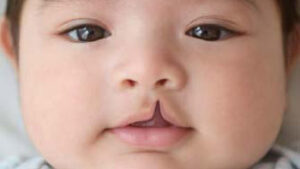
Cleft Lip and Palate Repair in Iran: Care Planning
A careful guide for international families Cleft Lip and Palate Repair in Iran Cleft repair is reconstructive care, not a single cosmetic appointment. Children and

Brow Lift Surgery in Iran: Techniques & Costs
An international patient’s guide Brow Lift Surgery in Iran A low brow can make the upper face look tired or heavy. The difficult part is

Eyelid Surgery in Iran: Options, Risks & Recovery
A patient guide to blepharoplasty Eyelid Surgery in Iran A heavy upper lid or a persistent under-eye bag may seem like a small change, but

Breast Implant Revision in Iran: Options & Costs
A careful guide for international patients Breast Implant Revision in Iran Perhaps an implant feels hard, has changed position, may have ruptured, or no longer

Breast Reduction in Iran: Surgery, Costs & Aftercare
A clear guide for international patients Breast Reduction Surgery in Iran When breast size causes discomfort, the question is not simply how many cup sizes

Breast Augmentation in Iran: Options, Costs & Recovery
Hamintour Medical · Breast surgery guide Breast Augmentation in Iran What changes can an implant or fat transfer make? Which surgeon and operating facility should

Is Iran the Right Choice for Your Rhinoplasty?
Deciding where to undergo rhinoplasty is as crucial as deciding to have the procedure itself. Iran, often dubbed the “nose job capital of the world,”

Revision Rhinoplasty in Iran: Planning a Second Surgery
A clear guide to second nose surgery Revision Rhinoplasty in Iran When your first nose surgery has left you with a breathing problem, an appearance

Why Iran is the Ideal Destination for Your Septoplasty
Septoplasty, a surgical procedure to correct a deviated nasal septum, can significantly improve breathing, reduce sinus infections, and enhance quality of life. Iran, globally recognized

Why Iran is the Perfect Destination for Lip Augmentation
Full, well-defined lips are a hallmark of facial beauty, and lip augmentation offers a safe, effective way to enhance your smile and boost confidence. Iran,

Why Choose Iran for Eyelash Transplant?
Eyelash transplant surgery offers a permanent solution for fuller, longer eyelashes, enhancing the aesthetic appeal of your eyes—a vital focal point of facial expression, especially

Why Choose Iran for Cheek Augmentation?
Cheek augmentation, or augmentation malarplasty, is a transformative cosmetic procedure that enhances cheek volume and contour, creating defined cheekbones for a youthful, vibrant appearance. Iran,

Why Choose Iran for Cheekbone Reduction Surgery?
Cheekbone reduction surgery, also known as zygoma reduction, is a cosmetic procedure that reduces prominent or wide cheekbones to create a softer, oval-shaped face, enhancing

Why Choose Iran for Facial Bone Contouring Surgery?
Facial bone contouring surgery reshapes the facial skeleton to enhance features, create softer contours, and boost self-confidence by addressing concerns like wide jaws, prominent cheekbones,
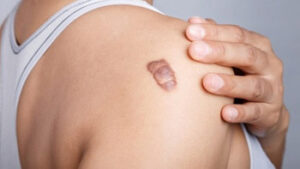
Why Choose Iran for Scar Revision Surgery?
Scar revision surgery and non-surgical treatments aim to minimize the appearance of scars from injuries, surgeries, burns, or acne, enhancing skin aesthetics and boosting self-confidence.

Transform Your Look with Brow Bone Reduction in Iran
Dreaming of a refined, harmonious facial appearance? Brow bone reduction surgery in Iran offers an affordable, high-quality solution to achieve a softer, more balanced look,

Achieve Your Dream Look with Facial Feminization Surgery in Iran
Transform your appearance and embrace your true self with facial feminization surgery (FFS) in Iran, a global leader in cosmetic procedures. Renowned for its skilled

Breast Lift Surgery in Iran: A Patient’s Guide
A practical guide for international patients Breast Lift Surgery in Iran A breast lift can change breast position and shape, but deciding whether to have

Regain Confidence with Gynecomastia Surgery in Iran
Struggling with enlarged male breasts that affect your confidence? Gynecomastia surgery in Iran offers an effective, affordable solution to restore a masculine chest contour. As

Transform Your Body with Lipomatic Surgery in Iran
Struggling with stubborn fat that won’t budge despite diet and exercise? Lipomatic surgery in Iran offers a cutting-edge, minimally invasive solution to sculpt a toned

Restore Your Pre-Pregnancy Body with a Mommy Makeover in Iran
Pregnancy can transform your body, often leaving sagging skin, stubborn fat, or altered breast shape that impacts your confidence. A mommy makeover in Iran offers

Enhance Your Midriff with Belly Button Surgery in Iran
Unhappy with the appearance of your navel due to pregnancy, weight changes, or scarring? Belly button surgery, or umbilicoplasty, in Iran offers a quick, effective

Achieve a Flatter Abdomen with Tummy Tuck in Iran
Struggling with loose skin and excess fat on your abdomen after pregnancy, significant weight loss, or aging? A tummy tuck in Iran provides a reliable,

Sculpted Abs Await: Abdominal Etching in Iran۸
Imagine transforming your midsection into a defined, athletic masterpiece without endless gym sessions or restrictive diets. In Iran, cutting-edge abdominal etching procedures deliver precisely that—natural,

Curvy Silhouette: Brazilian Butt Lift in Iran
Dreaming of a fuller, more sculpted posterior that boosts your confidence and fits your active lifestyle? In Iran, the Brazilian butt lift—affectionately known as BBL—delivers

Revitalize Your Confidence: Labiaplasty in Iran
For many women, the journey to feeling fully at ease with their body includes addressing intimate concerns that impact both comfort and confidence. In Iran,

Sleek Arms Await: Arm Lift Excellence in Iran
Say goodbye to loose, sagging arm skin and hello to a confident, toned silhouette with an arm lift in Iran. Designed to banish those stubborn

Sculpted Thighs Unveiled: Thigh Lift Mastery in Iran
Reclaim sleek, toned thighs and bid farewell to bothersome sagging skin with a thigh lift in Iran, where top-tier surgeons craft refined contours at a

Sleek Legs, Bold Confidence: Calf Reduction Surgery in Iran
Transform your lower legs into slender, elegant contours with calf reduction surgery in Iran, where world-class surgeons deliver tailored results at unbeatable prices. Perfect for

Radiant Confidence: Inverted Nipple Correction in Iran
Achieve beautifully contoured breasts and newfound confidence with inverted nipple surgery in Iran, where skilled surgeons deliver exceptional results at budget-friendly prices. This minimally invasive

Refined Elegance: Nipple and Areola Reduction Surgery in Iran
Transform your breast aesthetics with nipple and areola reduction surgery in Iran, where expert surgeons deliver refined, proportionate results at a fraction of global costs.

Embrace Your True Self: Gender Reassignment Surgery in Iran
Embark on a transformative journey with gender reassignment surgery (SRS) in Iran, where world-class surgeons deliver life-changing results at unparalleled affordability. Whether transitioning from male

Restoring Confidence: Reconstructive Burn Surgery in Iran
Reclaim your appearance and functionality with reconstructive burn surgery in Iran, where highly skilled surgeons employ cutting-edge techniques to address scars and tissue damage from

Why Choose Iran for Eyebrow Transplant?
Eyebrow transplants offer a permanent solution for sparse, patchy, or lost eyebrows, enhancing facial aesthetics and confidence. Iran, a global leader in cosmetic surgery, is

Why Choose Iran for Canthoplasty?
Canthoplasty, also known as cat eye surgery or cat eye lift, is a specialized eyelid procedure that creates almond-shaped, upturned eyes, enhancing facial aesthetics with

Why Choose Iran for Facelift Surgery?
Facelift surgery, or rhytidectomy, is a transformative cosmetic procedure that rejuvenates the face by addressing wrinkles, sagging skin, and other signs of aging, restoring a

Why Choose Iran for Neck Lift Surgery?
Neck lift surgery, or lower rhytidectomy, is a transformative cosmetic procedure that rejuvenates the neck by addressing sagging skin, excess fat, and neck bands, resulting
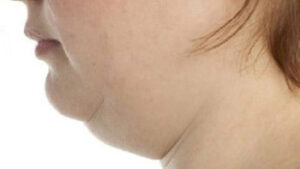
Why Choose Iran for Double Chin Surgery?
Double chin surgery, encompassing procedures like chin liposuction, facelifts, and neck lifts, offers an effective solution to eliminate submental fat, refine jawlines, and enhance facial
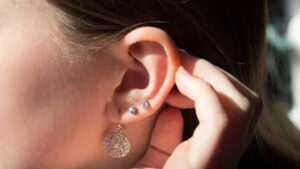
Why Choose Iran for Otoplasty Surgery?
Otoplasty, or cosmetic ear surgery, is a transformative procedure that corrects ear deformities such as protruding ears, Stahl’s ears, cup ears, ear tags, or microtia,

Why Choose Iran for Chin Surgery?
Chin surgery, or genioplasty, is a transformative cosmetic procedure that reshapes the chin to enhance facial harmony, correct deformities like recessed or prominent chins, and

Why Choose Iran for Jawline Enhancement?
Jawline enhancement, also known as jaw augmentation, is a transformative cosmetic procedure that creates a strong, defined jawline, enhancing facial aesthetics and boosting self-confidence. Iran,

Why Choose Iran for Dimple Creation Surgery?
Dimple creation surgery, or dimpleplasty, is a popular cosmetic procedure that adds charming dimples to the cheeks, chin, or lower back, enhancing facial or body