How to choose a dentist or dental clinic in Iran
Names on a “best clinics” list cannot tell you whether a provider is right for your treatment. Look for a match between the clinician’s documented specialty and the work you need. A clinic with a strong implant service may not be the best choice for complex endodontics; a skilled cosmetic dentist may refer advanced jaw surgery elsewhere. Our separate guide to dental clinics and dentists in Iran explains selection criteria and shows the underlying sources for each profile.
Begin by identifying the treating clinician, not just the clinic brand. Ask for their full name, professional registration, qualifications and role in each stage. Verify their details through the Iran Medical Council directory. Then ask the center which procedures it performs on site, how instruments are sterilized, who handles unexpected problems, and how treatment records are transferred to your home dentist. The CDC’s Iran travel health page advises travelers who receive dental care to make sure equipment is disinfected or sanitized.
For larger treatments, request a written treatment plan with diagnosis, alternatives, material specifications and enough time for discussion. Ask to see examples of the clinician’s own work, with patient permission and meaningful context such as the procedure performed. A before-and-after photograph alone does not show bite function, long-term durability, or whether a case resembled yours. If testimonials or pictures cannot be traced to a named treating provider and authorized patient use, do not treat them as proof of an outcome.
Communication is part of safety. Find out whether the dentist can discuss risks and consent in a language you understand, or whether a qualified interpreter will be present. You should be able to explain allergies, medicines, previous treatments and expectations without guessing. A coordinator can help keep the conversation organized, but should not answer clinical questions on the dentist’s behalf.
What a well-planned dental trip looks like
Before you commit to travel
Start with your main concern, recent dental records and a realistic budget. An existing panoramic X-ray or CBCT can sometimes help a clinician provide a preliminary opinion, though the treating dentist may request new images or different views. Send only the information needed for review through a channel whose privacy terms you understand. Ask your home dentist whether planned work abroad could affect ongoing treatment or insurance coverage.
A proposed provider should explain the likely number of appointments and what must be checked in person. For example, implant surgery and placement of a final crown are often separate stages. The NHS implant guide describes healing and long-term maintenance rather than an automatic single-visit solution. If you can make only one trip, discuss realistic alternatives and the clinical compromises, if any, before buying tickets.
Once you arrive
The in-person assessment should confirm or revise the preliminary plan. Expect a medical and dental history, examination of teeth and gums, a discussion of relevant imaging, and informed consent before irreversible work. A change in the plan is not necessarily a sign of poor planning; it may mean the clinician found an issue that could not be assessed remotely. Ask for any revised costs in writing before proceeding.
Before you leave Iran
Allow time for a final check of bite, comfort and fit. Obtain copies of the treatment plan, imaging, implant identifiers and restoration details when relevant, prescriptions, aftercare instructions, and a direct way to contact the clinic. Agree on what should be handled remotely and what requires an in-person visit at home. Book follow-up with a local dentist before traveling if extensive work is planned.
Ready for a case-specific answer?
Tell us what you need, share the records you already have, and ask for a provider-reviewed plan with a clear breakdown of treatment and travel costs. There is no obligation to proceed. Ask which parts of a proposed treatment remain uncertain until your in-person examination, so travel arrangements can accommodate a sensible change of plan.
Travel, safety and payment: the questions worth checking early
Your nationality and personal circumstances affect entry rules, travel insurance and consular support. Check the Iranian Ministry of Foreign Affairs visa portal and the advice issued by your own government before booking. Do not assume that a visa on arrival or an invitation letter is available for your passport. A planned dental appointment does not override entry requirements.
Travel advice can differ sharply by country and can change at short notice. For example, the UK government’s Iran travel advice contains a warning against travel and says non-Iranian debit and cash cards do not work in Iran. Other governments publish their own assessments. Read the advisory that applies to you, confirm your insurer’s coverage, and decide whether the trip remains appropriate for your situation. hamintour can help you understand practical arrangements, but cannot remove travel risk or make an entry decision for a government.
Plan how you will pay before departure. Ask the clinic and hamintour separately what each accepts, whether you need cash, and how payments and refunds will be documented. Avoid carrying more money than necessary and follow your government’s advice on currency and personal security. Arrange accommodation near the clinic if repeated appointments or recovery are expected. Discuss any planned sightseeing with the treating dentist; treatment should determine your activity level.
Dental treatment abroad also raises questions about infection prevention, complications and care at home. The CDC’s medical tourism chapter advises travelers to assess facility and provider quality and to consider the possibility of complications after returning home. Ask your insurer whether elective dental treatment, unexpected hospital care and medical evacuation are covered. Standard travel policies may not cover planned treatment or its complications.
Aftercare does not end at the airport
Good dental work needs maintenance. Implants still require cleaning and professional review; crowns, bridges and veneers can loosen, wear or need adjustment. The NHS implant guidance says patients are responsible for long-term implant care and that a local dentist may provide it at the patient’s expense. Ask the treating clinic for a practical follow-up schedule and share its records with your home dentist.
Before leaving, agree on a clear response plan if a temporary restoration breaks, your bite feels wrong, swelling increases or pain persists. The exact symptoms and urgency depend on the procedure. Contact the treating dentist promptly if a problem arises; for severe pain, spreading swelling, fever, heavy bleeding or breathing difficulty, seek urgent medical care where you are. Remote messages cannot substitute for an examination in a possible emergency.
Make a financial plan for aftercare too. If an overseas clinic offers a warranty, read the written exclusions and ask who pays for travel, replacement materials and work performed at home. A warranty does not guarantee a clinical outcome. For implants in particular, the implant system and component identifiers will help another dentist understand what was placed. Keep copies in a place you can access after your trip.
Real treatment examples and how to read them
Before-and-after pictures can help you prepare questions, but they cannot predict your result. Camera angle, lighting, the health of the starting teeth, the number of appointments and additional procedures all affect what you see. Ask the treating dentist to explain the full plan behind any case image, including what happened between the two photographs and whether the patient needed later adjustments.
For examples with a named clinic and a documented treatment path, see Iran Implant’s full-mouth restoration case and its implant and bone-reconstruction case. The clinic’s case archive has further examples. These are the clinic’s own records, not hamintour case studies or evidence that the same treatment will suit you. The clinic describes multiple stages and follow-up, which is useful context when comparing a short package promise with a realistic care plan.
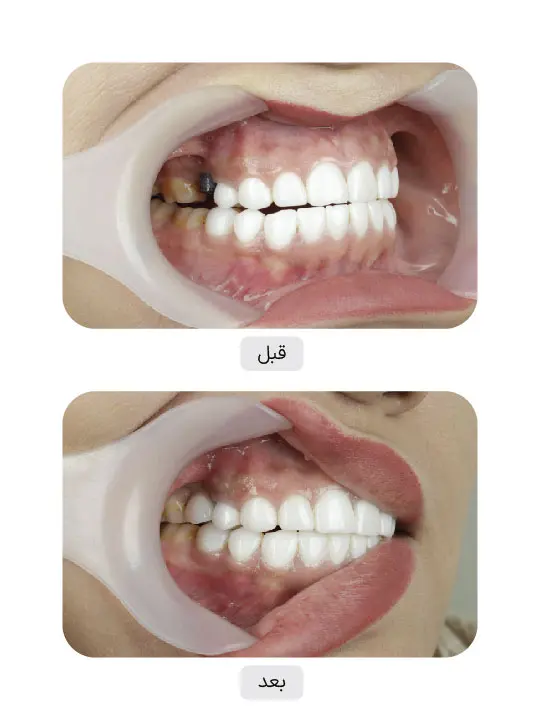
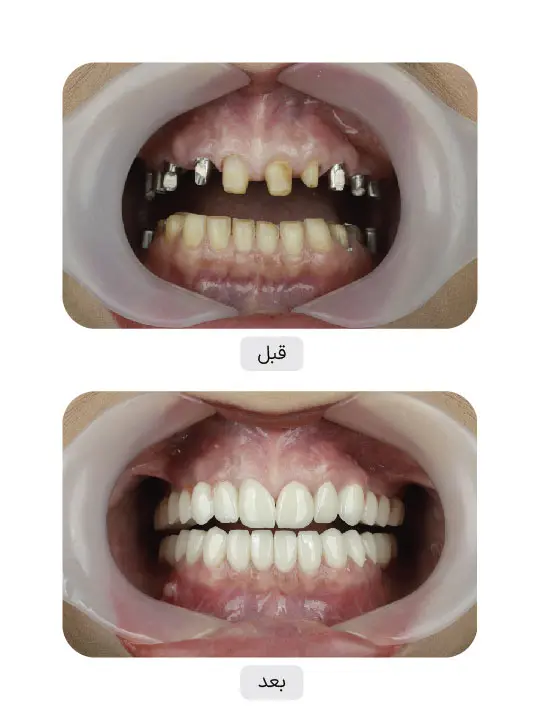
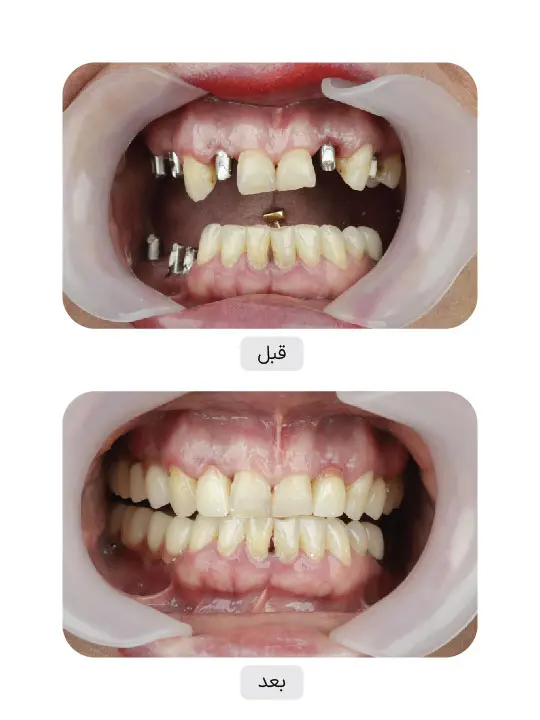
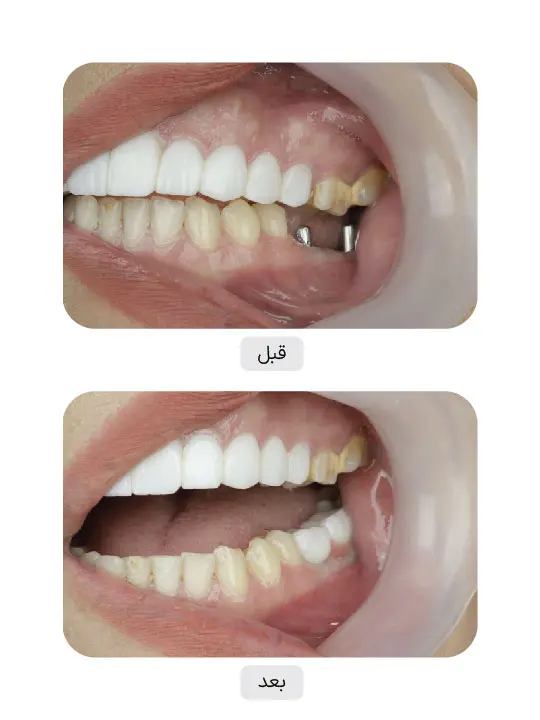
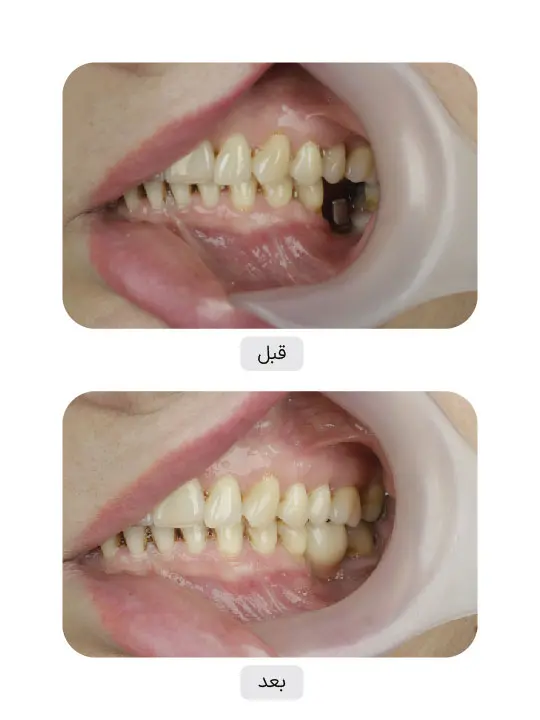
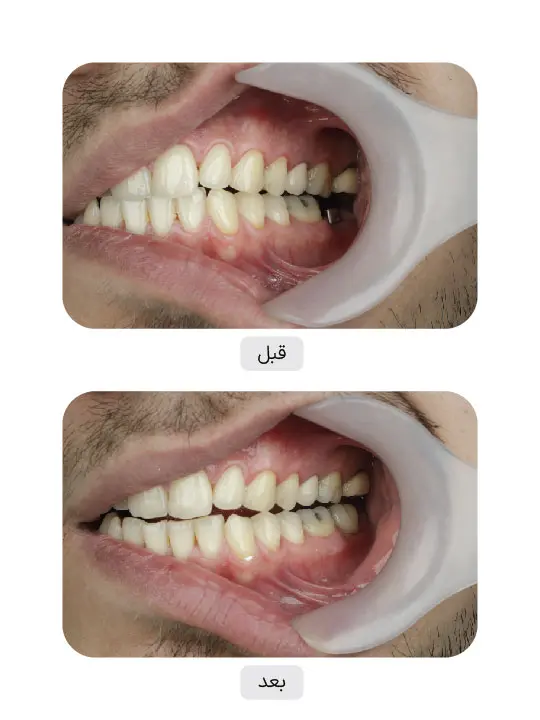
These photographs originate with Iran Implant, not hamintour. Each image links to the clinic's original case archive for attribution and context. When reviewing any example, ask whether images are from the same person, whether consent covers publication, who performed each stage and whether complications or revisions were recorded. Do not choose an irreversible procedure from a photograph alone.
Bring the right information to your first consultation
You do not need to know the name of a procedure to start a useful conversation. Describe what hurts, what does not work when you eat, and what you would like to change in your smile. Include when the problem began and whether a dentist at home has suggested treatment. Recent images are helpful when available, but do not order a new scan solely for an online quote without advice from a qualified professional. If you already have a report, send the report along with the image so the receiving clinician knows what was examined.
List major health conditions, allergies, medicines, past reactions to anesthesia, smoking or tobacco use, and any previous implant or crown work. The NHS implant patient guidance specifically asks patients to tell their dental team about health conditions and medicines because these can change the advice given. Keep the information factual; a coordinator can pass it on, but only the clinician can decide its medical significance.
It helps to write down your priorities. Perhaps you want to avoid altering healthy teeth, limit the number of trips, preserve your natural appearance, or keep costs below a certain ceiling. These priorities can lead to different reasonable treatment plans. Ask the dentist to explain the trade-offs in plain language. If a plan changes after examination, take time to understand why before consenting. You are allowed to ask for a second opinion, even if travel dates have already been booked.
Finally, ask who will receive questions after treatment. A direct clinic contact, written care instructions and a complete set of records are more useful than a general promise that “support is always available.” Your home dentist should know what work was done, especially if implants or major restorations are involved. Arranging that handover before you fly home makes any later adjustment or urgent visit easier to manage.
About hamintour Medical Tourism
hamintour Medical Tourism is a medical travel coordination platform in Iran. We help international patients explore treatment options and connect with dentists, clinics and other relevant providers. We are not a dental clinic, hospital or medical practice; we do not diagnose, prescribe medicine or perform treatment. The treating dentist and licensed center are responsible for examination, consent, treatment decisions and clinical care.
Our role is to make the process easier to understand and organize: bringing your questions to the right provider, helping you compare responses, coordinating appointments and practical travel arrangements, and helping you stay in contact after you return home. If a proposed treatment or price is unclear, ask us to obtain clarification from the clinician before you commit. We should never replace a clinician’s judgment with a sales promise.
hamintour Medical services for dental travelers
Before the trip
We can help identify suitable providers for the treatment you are considering, arrange an initial review of records by the relevant professional, coordinate a consultation, and request an itemized plan. On request, we can also help with flight and accommodation options and practical entry information. Any visa decision rests with the relevant authorities.
In Iran and after returning
Depending on the arrangements you choose, we can coordinate airport pickup, transport between your accommodation and the clinic, interpretation, appointments for clinician-ordered imaging or tests, and practical support during your stay. After the trip, we can help reconnect you with the treating clinic for follow-up questions. Your local dentist remains important for hands-on care at home.
The exact services, fees and availability should appear in your individual proposal. We will not describe a clinician or clinic as a partner unless that relationship is verified. If you would like to see the broader range of care coordinated through the platform, visit hamintour Medical Tourism; for further Iran-focused reading, see the medical magazine.
Questions international patients ask
Can I get an accurate dental quote before I fly?
You can request a preliminary estimate from a dentist who reviews your records, but the plan may change after an in-person examination and imaging. Ask for the assumptions and exclusions in writing.
Will I need more than one trip for dental implants?
Possibly. Implant placement, healing and the final restoration may be separate stages. The treating dentist should explain the schedule for your case before you book travel.
Are veneers reversible?
Often they are not, because enamel may be removed. Discuss alternatives and the effect on each tooth with a licensed dentist. See the ADA guidance.
Can whitening change the color of my crowns or veneers?
No. Whitening generally changes natural tooth color, not the color of existing restorations. Your dentist can help plan a consistent shade. See the ADA guidance.
How can I check an Iranian dentist’s credentials?
Ask for the treating clinician’s full name and registration details, then consult the Iran Medical Council public member search. Also confirm what role the clinician will have in your treatment.
Will my insurance cover dental treatment in Iran?
Do not assume so. Ask your insurer about planned treatment abroad, complications, follow-up at home and medical evacuation before departure.
Can I use my usual bank card in Iran?
Do not rely on it. The UK travel advice says non-Iranian debit and cash cards do not work. Confirm payment arrangements directly with each provider.
What if I develop a problem after going home?
Contact the treating clinic and your local dentist. Keep your treatment and material records. Seek urgent local care for severe or worsening symptoms rather than waiting for an online response.
Make the next step a clear one
Tell hamintour Medical Tourism what treatment you are considering and what matters most to you: clinical options, timing, budget, language support or travel logistics. We can help you ask the right questions and request a provider-reviewed plan. The final decision is yours, with your treating dentist.
Discuss your dental plan