Weight Loss Surgery in Iran
A candid guide to bariatric procedures, realistic US-dollar costs, surgeon and hospital checks, travel planning, long-term follow-up, and the questions that matter before you book.
For the right patient, weight loss surgery can support substantial and durable weight reduction and improvement in obesity-related disease. It is still major surgery. A low price or an impressive photograph is never enough. You need a procedure that fits your medical profile, a qualified team, a hospital prepared for bariatric patients, transparent costs, and a practical plan for care after you go home.
Hamintour Medical Tourism coordinates medical travel. It is not a hospital, clinic, medical practice, or diagnostic service. Hamintour can organize record review, provider communication, travel and accommodation, interpretation, local transport, and follow-up communication. Clinical recommendations and treatment are provided only by licensed professionals and healthcare facilities.
Contents
- What bariatric surgery does
- Who may be considered
- Compare procedures
- Preoperative assessment
- Hamintour-observed price data
- Hospitals and surgeons to verify
- Before-and-after cases
- Treatment journey
- Recovery and nutrition
- Risks and warning signs
- Visa, flights, safety, insurance
- Hamintour Medical services
- About Hamintour Medical
- Frequently asked questions
- Sources and verification
What weight loss surgery does
Weight loss surgery, also called metabolic or bariatric surgery, changes the stomach and sometimes the small intestine. Depending on the operation, it limits meal size, changes appetite and fullness signals, alters nutrient absorption, or combines these effects. It is used to treat obesity and related health problems; it is not cosmetic body contouring and should not be confused with liposuction.
The US National Institute of Diabetes and Digestive and Kidney Diseases explains the main operations, possible benefits, side effects, and need for follow-up. The ASMBS/IFSO clinical guidance provides modern criteria for considering metabolic and bariatric surgery. These sources are useful for general education; your own eligibility depends on a clinical assessment.
Potential benefits
Weight reduction may improve mobility, quality of life, type 2 diabetes, high blood pressure, sleep apnea, fatty liver disease, and other obesity-related conditions. Improvement is not guaranteed and medicines should change only under medical supervision.
Permanent responsibilities
Patients usually need smaller structured meals, protein and fluid goals, vitamin and mineral supplements, laboratory monitoring, physical activity, and continuing contact with medical and nutrition professionals.
What surgery cannot promise
No ethical provider can guarantee a precise number of kilograms, remission of a disease, absence of complications, or permanent weight maintenance. Results vary with the procedure, health, follow-up, eating pattern, activity, medicines, and biology.
Who may be considered for bariatric surgery?
The 2022 ASMBS/IFSO statement recommends metabolic and bariatric surgery for people with a BMI of 35 kg/m² or more regardless of the presence or severity of obesity-related conditions. It says surgery should be considered for people with BMI 30–34.9 kg/m² who have metabolic disease, and may be considered when nonsurgical methods have not produced substantial or durable improvement. These are professional recommendations, not an automatic approval rule.
Assessment commonly considers
- BMI, weight history, previous treatment attempts, and goals
- Diabetes, sleep apnea, reflux, blood pressure, liver and heart health
- Previous abdominal surgery and current medicines
- Smoking, alcohol, substance use, pregnancy plans, and eating patterns
- Ability to understand the operation and follow lifelong care
- Psychological wellbeing, support network, and travel suitability
Surgery may need to wait or may be unsuitable
- An unstable medical condition or unacceptably high anesthesia risk
- Untreated severe eating disorder, active substance misuse, or uncontrolled psychiatric illness
- Inability to maintain supplements, monitoring, or follow-up
- Pregnancy or a near-term pregnancy plan
- Active smoking when the team requires cessation
- A condition needing urgent care close to home
Compare common weight loss procedures in Iran
| Procedure | How it works | May be discussed when | Important trade-offs to ask about |
|---|---|---|---|
| Sleeve gastrectomy | A large portion of the stomach is removed, leaving a narrower sleeve-shaped stomach. | A widely used primary operation; the choice depends on the full medical profile. | Permanent stomach removal, leak or bleeding risk, reflux may appear or worsen, supplements and monitoring remain necessary. |
| Roux-en-Y gastric bypass | A small stomach pouch is connected to a lower section of small intestine. | May be considered for severe reflux, metabolic disease, or specific eating patterns and histories. | More complex anatomy, internal hernia and ulcer risks, dumping symptoms, medication considerations, and nutritional deficiencies. |
| One-anastomosis/mini gastric bypass | A long pouch is joined to the small intestine with one connection. | Selected patients after discussion of evidence, surgeon experience, reflux and nutrition. | Bile reflux, ulcer and deficiency risks; long-term surveillance and clear revision planning matter. |
| Gastric plication | The stomach is folded inward and sutured without removing stomach tissue. | Offered selectively; availability and evidence should be discussed carefully. | Nausea, vomiting, fold disruption and revision; it is less standard globally than sleeve or bypass. |
| Intragastric balloon | A temporary balloon occupies stomach volume and is later removed. | Some patients seeking a temporary endoscopic tool with lifestyle support. | Not surgery, usually less weight loss than operations, nausea is common early, removal is required, and regain can occur. |
| Revision surgery | Changes or repairs a previous bariatric operation. | Complications, severe reflux, inadequate response, regain, or nutritional problems after specialist review. | Usually more complex and riskier than a first operation; the original operative report and imaging are essential. |
Read Hamintour’s detailed internal guides to gastric sleeve in Iran, gastric bypass in Iran, sleeve versus bypass, gastric balloon, and gastric plication. The final operation should be chosen with the surgeon, not from a marketing package.
What a proper preoperative assessment should cover
A useful preliminary review starts with honest, complete records. Send your height, weight, age, medical history, previous weight treatments, symptoms, operation reports, medication and supplement list, allergies, smoking status, and relevant laboratory or imaging results. If you use insulin, blood thinners, psychiatric medicines, or drugs for weight management, identify them clearly. Never stop prescribed medicine based on general web content.
Common assessment components
- Surgeon and anesthesia review
- Blood count, kidney and liver tests, glucose control, and nutritional markers
- Electrocardiogram or cardiac review when indicated
- Sleep apnea assessment and CPAP planning
- Upper endoscopy or abdominal imaging when required
- Dietitian assessment and preoperative diet instructions
- Psychological or behavioral assessment where appropriate
- Pregnancy testing for patients who could be pregnant
Ask before buying a flight
- Which procedure is provisionally recommended, and why?
- Which findings could change or cancel the plan after arrival?
- Who is the named surgeon, anesthetist, hospital, and contact person?
- How many nights and days in Iran are medically advised?
- Who handles an early complication, and what is financially excluded?
- Which records will you receive in English at discharge?
- How will laboratory monitoring and prescriptions continue at home?
Hamintour-observed price data in US dollars
These planning ranges come from publicly advertised international-patient offers reviewed by Hamintour and from hospital pricing that was available publicly. Domestic Iranian tariffs in rials or tomans were excluded because they are not reliable prices for international medical travellers. Advertised offers are not the same as a case-specific hospital quotation.
| Procedure in Iran | Public offers reviewed | Observed midpoint | Typical public offer range | Confirm in writing |
|---|---|---|---|---|
| Gastric sleeve | 6 listings | About $4,000 | $3,000–$5,500 | Hospital and surgeon fees, stapling devices, anesthesia, tests, admission, medicines, hotel and transfers |
| Roux-en-Y or mini gastric bypass | 6 listings | About $4,250 | $3,500–$6,500 | Bypass type, devices, endoscopy, admission, supplements and complication coverage |
| Gastric plication | 3 listings | About $3,000 | $2,500–$4,000 | Technique, surgeon experience, hospital stay and revision policy |
| Intragastric balloon | Insufficient comparable offers | Case-specific quote | Ask for device-specific pricing | Balloon brand, placement, removal, sedation, medicines, dietitian support |
| Revision surgery | Not pooled | Case-specific quote | Depends on previous anatomy | Endoscopy, imaging, adhesions, procedure, ICU risk and longer admission |
Price note: Prices are approximate and may change with medical complexity, hospital, surgeon, devices, currency conditions, admission length, and what the package includes. Contact Hamintour Medical for an itemized estimate based on your records. Pricing reference names: AriaMedTour, MedPalTrip, Raadina Health, Iran Health Agency, Iranian Surgery, Mehr Hospital, and publicly available Hamintour enquiries. Competitor pages are not linked here.
What the final quote should separate
Request one written document showing the surgeon, assistant, anesthesia, hospital room and expected nights, operating room, stapling devices, endoscopy, routine tests, medicines, supplements, pathology if relevant, interpreter, airport and local transport, accommodation, coordinator charge, and follow-up. It should also state what happens financially if surgery is postponed, a test reveals a new condition, admission is extended, intensive care is required, or reoperation becomes necessary.
Request a case-specific preliminary assessment
Once your records are available, Hamintour Medical can coordinate review by a relevant provider and request a provisional procedure recommendation, expected stay, and itemized estimate. The plan can change after examination and testing in Iran.
Request Your Free Consultation
Get a personalized treatment plan from our elite medical experts.
Tehran hospitals and bariatric professionals to verify
This is a research shortlist, not a ranking or endorsement. Availability, team composition, licences, and international-patient arrangements can change. Hamintour should re-check the named surgeon, facility, procedure, and schedule for each patient before any payment.
| Facility | Location | Treatments/evidence found | Physicians published | Professional registration checked | Facility information checked | Public international price | Before/after gallery | Source |
|---|---|---|---|---|---|---|---|---|
| Ebnesina Hospital Obesity Clinic | Tehran | Gastric sleeve and gastric bypass | Yes | Verify named surgeon before booking | ✓ | No | Not identified on facility page | Provider website |
| Nikan Hospital | Tehran, Aghdasieh | Bariatric and laparoscopic surgery reported; established IPD | Yes | ✓ for named doctors shown in profiles | ✓ | No | Via individual surgeons | Hospital IPD |
| Mehrad Hospital | Tehran, Motahari/Mir Emad | Bariatric operating arrangements reported by surgeon provider | Yes | Verify current surgeon and licence | ✓ provider evidence | No | Via individual surgeons | Bariatric surgeon website |
| Farmanieh Hospital | Tehran, Farmanieh | Laparoscopic/bariatric operating arrangements reported by surgeon provider | Yes | Verify current surgeon and licence | ✓ provider evidence | No | Via individual surgeons | Bariatric surgeon website |
| Saadat Abad Surgery Center | Tehran, Saadat Abad | Bypass, sleeve, balloon and duodenal switch listed | Check named operating team | Required before booking | ✓ | No | Not identified | Provider website |
| Golestan Hospital | Tehran | Advanced laparoscopic, bariatric and metabolic surgery listed | Yes | Verify selected surgeon | ✓ | No | Not identified | Provider website |
Example professional records
Dr Peyman Alibeigi
Specialty: Advanced laparoscopy; bariatric and metabolic surgery
Location: Tehran
Medical Council registration: 74063
Source: public physician directory and Iran Medical Council lookup
Dr Seyed Sattar Darabi
Specialty: General surgery and laparoscopic surgery fellowship
Location: Tehran
Medical Council registration: 98630
Source: public profile and Medical Council lookup
Dr Saeed Shams Nosrati
Specialty: Laparoscopic surgery fellowship; bariatric/metabolic focus
Location: Tehran
Medical Council registration: 121872
Source: public profile and Medical Council lookup
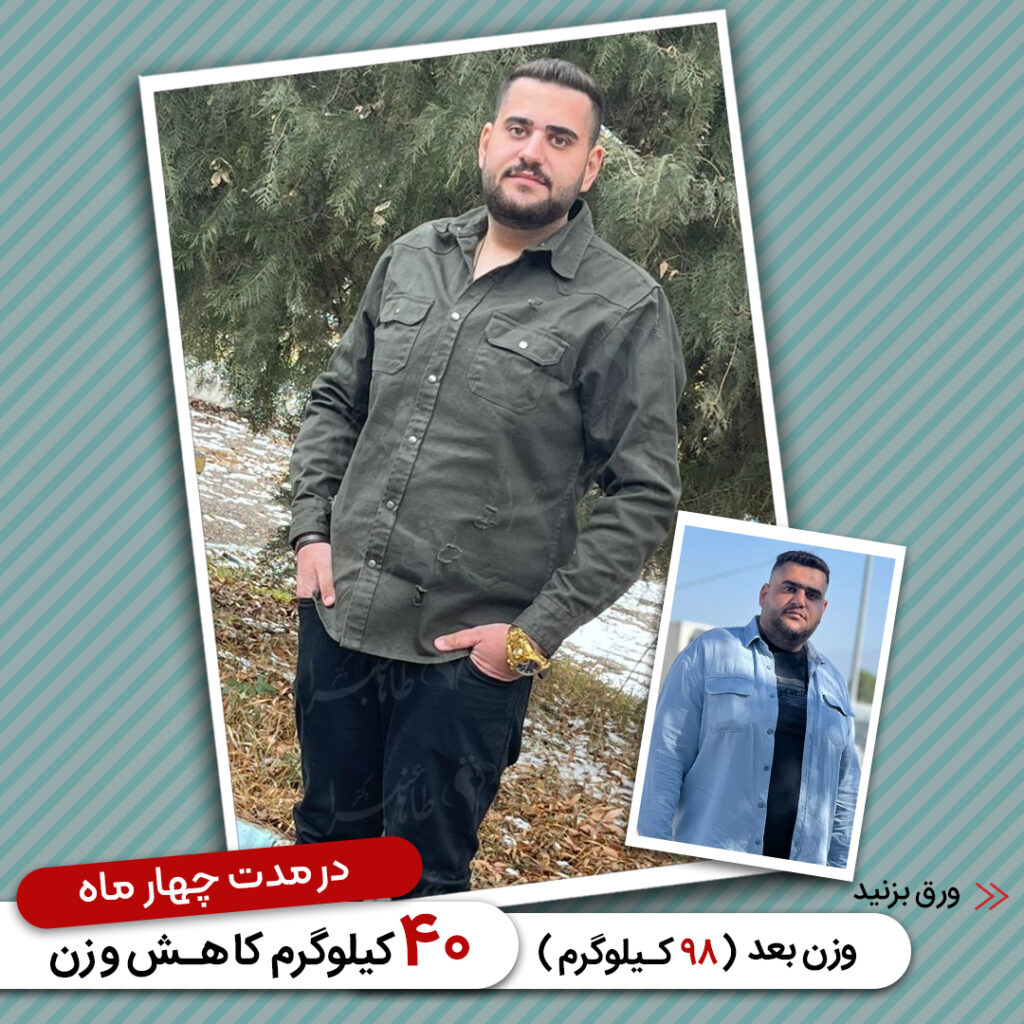
Weight loss surgery before-and-after cases
These photographs are published by the named surgeons and are shown for research, not as a promise. They reflect different people, procedures, starting weights, follow-up intervals, clothing, posture, and photography conditions. A photograph cannot show nutritional status, complications, metabolic outcome, quality of life, or later weight regain. Ask the surgeon which operation was performed, when the after photo was taken, and whether the patient consented to publication.























How the medical journey usually works
Send records securely
Provide the health information listed above, plus your passport nationality and preferred travel window. Remove unrelated sensitive information where possible and use the communication channel agreed with Hamintour.
Clinical review and questions
A suitable surgeon reviews the available information. A useful response explains the provisional procedure, alternative options, required tests, expected hospital and Iran stay, major patient-specific concerns, and why the recommendation may change after examination.
Verify provider and itemized price
Check the surgeon’s registration and specialty, hospital, procedure, inclusions, exclusions, cancellation terms, complication plan, and follow-up. Confirm whether your chosen surgeon will perform the key parts of the operation.
Plan visa, flight, companion, hotel, and payment
Wait for clinical and entry guidance before buying inflexible tickets. Choose accommodation with simple access, a lift, suitable food and enough space for a companion. Confirm how international payment will work.
Arrival assessment and informed consent
The hospital repeats or completes required tests. Meet the surgeon and anesthesia team, ask remaining questions, and read the consent and price documents. If important findings change, postponing or changing the plan may be safer.
Surgery, monitored recovery, and discharge
Hospital teams monitor pain, nausea, hydration, breathing, circulation, and early mobility. Discharge instructions should cover diet stages, medicines, supplements, wounds, activity, emergency symptoms, and contact details.
Review before flying and follow-up at home
Do not set the return date from an advertisement. Obtain surgeon clearance, a discharge summary, operative report, medication list, test results, device details, and an English follow-up plan. Arrange a local clinician and laboratory monitoring before travelling.
Recovery, eating, supplements, and long-term care
Recovery varies by operation and patient. Many laparoscopic patients walk on the day of surgery or soon after, but tiredness, abdominal discomfort, nausea, and difficulty meeting fluid goals can occur. Return to desk work and heavier activity differs; follow the operating team’s instructions rather than a universal calendar.
Hydration and food stages
Programs usually progress from clear or full liquids to puréed, soft, and then textured foods. Timing and portion size vary. Sip slowly, follow the team’s protein plan, avoid foods and drinks specifically restricted by your program, and report persistent vomiting or inability to drink.
Supplements and laboratory tests
Vitamin and mineral deficiencies can occur after all bariatric operations, with risk varying by procedure and adherence. Use the exact supplement plan prescribed for you. Long-term blood tests may include blood count, iron, vitamin B12, folate, vitamin D, calcium, parathyroid hormone, liver tests, and other markers based on the operation and symptoms.
Behavior and mental health
Surgery changes anatomy, but it does not remove stress, emotional eating, addiction risk, body-image concerns, or all appetite signals. Dietitian, psychological, peer, and medical support can be part of responsible long-term care.
Use Hamintour’s practical guides to the first month of eating, gastric sleeve recovery, weight-loss plateaus, hair loss after surgery, and pregnancy after bariatric surgery.
Risks, complications, and when to seek urgent care
Early risks can include bleeding, leak, infection, blood clots, breathing problems, dehydration, nausea, vomiting, and anesthesia complications. Later problems can include narrowing, ulcer, reflux, gallstones, internal hernia or bowel obstruction, nutritional deficiency, anemia, bone disease, low blood sugar, weight regain, or need for revision. The risk profile differs between sleeve, bypass, balloon, and revision procedures.
Before leaving Iran, ask who answers urgent calls, which hospital should receive you, whether the surgeon can admit you directly, and what financial arrangements apply. After returning home, carry your discharge and operative records and tell clinicians the exact operation and date. The NIDDK side-effects overview provides additional general information.
Travel, visa, insurance, payments, and current safety information
Entry and medical visa
Nationality, passport, purpose of visit, and current rules affect entry. Use the official Iranian Ministry of Foreign Affairs e-visa portal and confirm the correct process before making non-refundable bookings. Hamintour can help coordinate documents but cannot guarantee approval.
Travel safety
Security and entry conditions can change quickly. Check the official travel advice issued by your own government. The UK Foreign, Commonwealth & Development Office Iran advisory is one authoritative reference; travellers should also consult their nationality’s official authority and airline.
Flying after surgery
Long sitting can add blood-clot risk, and dehydration is a concern after bariatric surgery. Flight timing, compression, walking, and any anticoagulant plan must come from the treating team. The CDC travel and blood clot guidance explains general risk factors and precautions.
Insurance and complications
Many standard travel policies exclude planned treatment and related complications. Ask in writing whether cancellation, extended admission, intensive care, revision, medical evacuation, and post-return treatment are covered. Keep emergency funds even when a package appears comprehensive.
International bank cards may not work normally in Iran. Confirm acceptable payment method, currency, receipts, refund terms, and who receives each payment before travel. Avoid carrying an unexplained large amount of cash and follow customs and financial rules that apply to you.
Hamintour Medical services
Provider matching and communication
Identify potentially suitable surgeons and hospitals, send records for preliminary review, coordinate consultation times, obtain questions and responses, and request an itemized provisional plan.
Travel and stay coordination
Arrange flights on request, accommodation matched to recovery needs, airport reception, transport between hotel, hospital, clinic, laboratory and imaging, and interpreter or patient companion support where requested.
During-stay and post-return support
Coordinate scheduled tests and visits under the doctor’s direction, help with practical communication during the stay, collect available records, and assist communication with the provider after the patient returns home.
Optional tourism should occur only when the treating clinician considers it compatible with recovery. Medical appointments, hydration, walking, rest, diet and follow-up take priority.
About Hamintour Medical
Hamintour Medical Tourism is an Iran-based medical travel coordination platform for international patients. It helps patients explore treatment options and communicate with a network of Iranian physicians, surgeons, clinics and hospitals. Its role is introduction, coordination, practical support and facilitation from early planning through the stay and follow-up communication.
Hamintour is not a hospital, clinic, doctor’s office, medical provider or insurer. It has no separate medical team that diagnoses patients. It does not prescribe medicines or perform treatment. A hospital and licensed clinician are responsible for clinical evaluation, consent, treatment, discharge and medical decisions. Patients remain free to ask for alternatives, an independent second opinion, or to stop planning before treatment.
Start with records, questions, and a transparent estimate
Share your available medical information and tell us your priorities. Hamintour can coordinate an initial provider review and help you compare the proposed procedure, hospital, expected stay, price inclusions, and follow-up plan.
Frequently asked questions
How much does weight loss surgery cost in Iran?
Public international-patient offers commonly place gastric sleeve around $3,000–$5,500 and gastric bypass around $3,500–$6,500. These are approximate planning ranges. Your written quote should identify the procedure and separate or bundle hospital, surgeon, anesthesia, devices, tests, medicines, accommodation, transport, interpretation, and follow-up.
Is bariatric surgery in Iran safe?
No destination or operation can be described as risk-free. Safety depends on the patient, procedure, surgeon, hospital, anesthesia, infection prevention, devices, early recognition of complications, and follow-up. Verify the professional registration, hospital, experience in the exact operation, emergency plan, and your own fitness for travel.
Which operation is better: sleeve or gastric bypass?
There is no universal winner. Sleeve is anatomically simpler but can worsen reflux in some patients. Bypass may be considered for reflux or metabolic goals but creates intestinal rerouting and additional nutritional and internal-hernia considerations. The choice requires individual assessment.
How long should I stay in Iran?
The surgeon should set the minimum stay after assessing your operation and health. Do not use a package’s shortest advertised itinerary as medical clearance. Your plan needs enough time for preoperative tests, admission, early recovery, review, and safe travel clearance.
Can Hamintour guarantee weight loss or a complication-free result?
No. Hamintour is a coordinator and does not provide treatment. Ethical medical care cannot guarantee a precise weight result or absence of complications. The licensed surgeon and hospital explain expected outcomes and risks for your case.
Will I need vitamins for life?
Many bariatric patients require long-term or lifelong supplements, but the exact products and doses vary by procedure, diet, laboratory results, and clinician guidance. Regular laboratory monitoring is essential because deficiency can occur even when a person feels well.
Can I become pregnant after bariatric surgery?
Pregnancy planning should be discussed before surgery with the bariatric and obstetric teams. Patients are often advised to avoid pregnancy during rapid weight loss, but timing and contraception require personal medical advice. Nutritional monitoring is especially important.
What records should I take home?
Request an English discharge summary, operative report, exact procedure and date, medication and supplement plan, test results, imaging, device details where relevant, warning signs, emergency contacts, and a schedule for follow-up and laboratory monitoring.
Are before-and-after photos reliable evidence?
They show an individual appearance at two moments but cannot prove health outcome, safety, permanence, or what another patient will experience. Use them to form questions, then assess credentials, procedure data, consent, hospital support, and long-term follow-up.
How do I check current travel conditions?
Read the official travel advice published by your own government, confirm entry rules through Iran’s official e-visa service, and check with the airline. Re-check shortly before departure because security, routes and entry requirements can change.
Sources and verification
Core clinical sources: ASMBS/IFSO indications; NIDDK bariatric surgery overview; NHLBI obesity treatment. Provider information: linked hospital, surgeon and public registration pages in the provider table. Travel sources: official Iranian MFA e-visa portal, government travel advice, and CDC blood-clot guidance. Image sources: the linked publisher galleries beneath each photograph.
Clinical claims were written conservatively from the cited professional or government sources. Provider availability, registration, prices, visas, flights, safety advice, and treatment plans can change and should be checked again for the individual patient. Page content is general education and travel coordination information, not a diagnosis or personal treatment recommendation.

Ultimate Guide to Gastric Plication Surgery in Iran
Introduction to Gastric Plication Surgery Gastric plication, a cutting-edge bariatric procedure, offers a minimally invasive solution for individuals struggling with morbid obesity. Unlike other weight

Comprehensive Guide to Gastric Balloon Procedure in Iran
Overview of Gastric Balloon Procedure The gastric balloon, also known as an intragastric balloon, is a non-surgical, minimally invasive weight loss solution designed for individuals

LAP BAND PROCEDURE IN IRAN
Introduction to Lap Band Surgery Laparoscopic Adjustable Gastric Band (LAGB), commonly known as Lap Band surgery, is a minimally invasive bariatric procedure designed to combat

Ultimate Guide to Gastric Bypass Surgery in Iran
Introduction to Gastric Bypass Surgery Gastric bypass surgery, a highly effective bariatric procedure, offers a transformative solution for individuals seeking significant weight loss. Performed laparoscopically

Comprehensive Guide to Gastric Sleeve Surgery in Iran
Overview of Gastric Sleeve Surgery Gastric sleeve surgery, also referred to as sleeve gastrectomy, is a leading weight loss procedure offered in Iran. This minimally