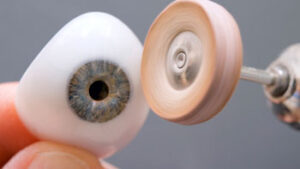
Restore Your Appearance with Prosthetic Eye Surgery in Iran
Facing the loss of an eye due to severe disease or injury can be daunting, but advanced prosthetic eye surgery offers a way to regain a natural appearance and confidence. Iran has established itself as a global leader in ophthalmology, providing state-of-the-art artificial eye procedures at remarkably affordable prices. With highly skilled specialists, modern clinics, and comprehensive support from Hamintour, patients can achieve a seamless experience that blends top-quality care with cultural exploration. This guide details everything you need to know about prosthetic eye surgery in Iran, from the procedure to recovery. Why Choose Iran for Prosthetic Eye Surgery? Iran’s ophthalmology sector is renowned for its innovation and expertise, particularly in complex procedures like prosthetic eye surgery. The country’s eye clinics, located in cities like Tehran, Isfahan, and Mashhad, are equipped with cutting-edge technology, including advanced imaging and precision surgical tools. Iranian ophthalmologists and ocularists, many trained at prestigious global institutions, deliver results that meet international standards, earning accolades such as awards from the American Academy of Ophthalmology. Affordability is a major advantage. Prosthetic eye surgery in Iran costs between $1,000 and $2,000, compared to $3,000–$8,300 in the United States, excluding eye removal costs. This savings is driven by Iran’s efficient healthcare system and competitive pricing, without compromising quality. Hamintour enhances this value with all-inclusive packages covering surgery, accommodations, transfers, and personalized care, ensuring a hassle-free journey for international patients. Beyond medical excellence, Iran offers a unique opportunity to combine treatment with tourism. Patients can recover while exploring ancient landmarks, bustling markets, or serene gardens, transforming a medical trip into a culturally enriching experience. Hamintour crafts recovery-friendly itineraries to ensure patients enjoy Iran’s hospitality while healing. Understanding Prosthetic Eyes A prosthetic eye, also known as an ocular prosthesis or artificial eye, is a custom-made device designed to restore facial appearance after eye removal surgery. While it cannot restore vision, it mimics the look and movement of a natural eye, allowing for normal eyelid function and a balanced appearance. The prosthesis consists of: Implant: A porous orb inserted into the eye socket during surgery to maintain its shape. Acrylic Disk: A glossy, painted hemisphere fitted 2–3 months later, designed to match the patient’s natural eye. For less severe cases, a flush-fitting scleral shell can be used without eye removal, covering a disfigured or non-functioning eye to restore its appearance. These shells are non-invasive and require only 2–3 sessions to fit. When is a Prosthetic Eye Needed? Prosthetic eyes are recommended for conditions requiring eye removal or cosmetic restoration, including: Blind, Painful Eye: Severe pain from ocular diseases, unrelieved by other treatments, may necessitate eye removal. Ocular Trauma: Injuries like globe rupture or orbital fractures can lead to irreversible damage, requiring a prosthesis. Eye Cancer: Conditions like ocular melanoma may require surgical removal to prevent cancer spread. End-Stage Diseases: Advanced diabetes or glaucoma can cause vision loss and pain, making eye removal necessary. Scleral shells are suitable for patients with disfigured but intact eyes, while full prostheses require prior eye removal surgery.
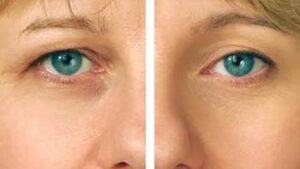
Transform Your Appearance with Oculoplastic Surgery in Iran
Oculoplastic surgery offers a powerful solution to enhance the appearance and function of the eyes and surrounding structures, addressing issues like droopy eyelids, tear duct problems, or orbital conditions. Iran has emerged as a global leader in oculoplastic procedures, combining cutting-edge technology, expert surgeons, and affordable prices. With Hamintour’s comprehensive support, patients can enjoy a seamless medical journey while exploring Iran’s rich cultural heritage. This guide provides everything you need to know about oculoplastic surgery in Iran, from procedures to recovery. Why Choose Iran for Oculoplastic Surgery? Iran’s medical sector excels in oculoplastic surgery, supported by advanced clinics in cities like Tehran, Shiraz, Mashhad, Isfahan, Tabriz, and Kish Island. These facilities are equipped with state-of-the-art technology, ensuring precision and safety. Iranian oculoplastic surgeons, many with international training and fellowships from top Western institutions, perform thousands of procedures annually, delivering results that rival global standards. The country’s prominence in cosmetic and reconstructive eye surgeries is further highlighted by its ranking among the top ten plastic surgery destinations worldwide. Affordability is a major advantage. Oculoplastic surgery in Iran costs between $1,500 and $4,000, compared to significantly higher prices in Western countries, where similar procedures can range from $5,000 to $10,000 or more. This cost-effectiveness stems from Iran’s efficient healthcare system and competitive pricing, without compromising quality. Hamintour enhances this value with all-inclusive packages covering surgery, consultations, accommodations, transfers, and personalized care, ensuring a hassle-free experience for international patients. Beyond medical excellence, Iran offers a unique opportunity to combine treatment with cultural exploration. Patients can recover while visiting historic landmarks, vibrant bazaars, or tranquil gardens, transforming a medical trip into a memorable journey. Hamintour crafts recovery-friendly itineraries, ensuring patients enjoy Iran’s hospitality while healing. Understanding Oculoplastic Surgery Oculoplastic surgery encompasses a range of cosmetic and reconstructive procedures targeting the eyelids, tear ducts, orbit, and surrounding facial structures. Unlike surgeries addressing the eyeball itself, oculoplastics focuses on enhancing appearance, function, or both. These procedures can be medically necessary (e.g., to improve vision or treat orbital diseases) or cosmetic (e.g., to rejuvenate the face). Common Oculoplastic Procedures Eyelid Surgery (Blepharoplasty): Removes excess skin, fat, or muscle from the upper or lower eyelids to address droopiness or puffiness. Tear Duct Surgery (Dacryocystorhinostomy): Restores tear drainage by creating a new pathway for blocked tear ducts. Orbital Surgery: Manages tumors, trauma, or disorders affecting the eye socket, often preserving vision. Entropion/Ectropion Repair: Corrects eyelids that turn inward (entropion) or outward (ectropion), improving comfort and function. Eyebrow/Forehead Lift: Lifts sagging brows to enhance facial aesthetics. Facelift and Implants: Rejuvenates the face or restores volume with implants. Pediatric Oculoplastic Surgery: Addresses congenital deformities in children, such as eyelid or orbital issues. When is Oculoplastic Surgery Needed? Oculoplastic surgery is recommended for: Droopy or puffy eyelids impairing vision or appearance. Tear duct blockages causing excessive tearing or infections. Orbital conditions, such as tumors, fractures, or thyroid eye disease. Eyelids turning inward (entropion) or outward (ectropion), causing irritation or vision issues. Cosmetic concerns, like wrinkles or sagging skin around the eyes. Congenital

Restore Your Vision with Retinal Detachment Surgery in Iran
Retinal detachment is a serious condition that can lead to vision loss if untreated, but advanced surgical techniques can effectively reattach the retina and preserve or restore sight. Iran has established itself as a premier destination for retinal detachment surgery, offering world-class medical care at affordable prices. With highly skilled ophthalmologists, state-of-the-art facilities, and comprehensive support from Hamintour, patients can undergo treatment while enjoying a culturally enriching experience. This guide covers everything you need to know about retinal detachment surgery in Iran, from procedures to recovery. Why Choose Iran for Retinal Detachment Surgery? Iran’s ophthalmology sector is globally recognized for its excellence, particularly in complex procedures like retinal detachment surgery. Clinics in cities such as Tehran, Shiraz, and Mashhad are equipped with advanced diagnostic and surgical technologies, ensuring precise and effective treatment. Iranian eye surgeons, many with international training and extensive experience, perform thousands of successful eye surgeries annually, achieving outcomes that rival those in Western countries. Affordability is a key advantage. Retinal detachment surgery in Iran costs between $2,400 and $3,500, compared to $3,000–$6,000 or more in the United States. This cost-effectiveness stems from Iran’s efficient healthcare system and competitive pricing, without compromising quality. Hamintour enhances this value with all-inclusive packages that cover surgery, consultations, accommodations, transfers, and personalized care, ensuring a seamless experience for international patients. Beyond medical expertise, Iran offers a unique opportunity to combine treatment with tourism. Patients can recover while exploring ancient landmarks, vibrant markets, or serene landscapes, turning a medical trip into a memorable journey. Hamintour tailors recovery-friendly itineraries to ensure patients enjoy Iran’s rich cultural heritage while healing. Understanding Retinal Detachment The retina, a thin layer of tissue at the back of the eye, is responsible for converting light into neural signals for vision. Retinal detachment occurs when the retina separates from the underlying tissue, often due to tears, holes, or fluid buildup. This can lead to symptoms like floaters, flashes of light, or a curtain-like shadow over the visual field. If untreated, it may cause partial or complete vision loss. Causes and Risk Factors Tears or Holes: Often caused by aging, trauma, or vitreoretinal traction. Fluid Buildup: Fluid seeping behind the retina can cause detachment. Risk Factors: Nearsightedness, glaucoma, previous eye surgeries (e.g., cataract surgery), or family history increase susceptibility. What is Retinal Detachment Surgery? Retinal detachment surgery aims to reattach the retina to the eye’s wall, restoring or preserving vision. The procedure is tailored to the patient’s condition, with the surgeon selecting the most appropriate technique or combination of methods. Common approaches include: Pneumatic Retinopexy: Injects a gas bubble to push the retina back into place, often combined with cryotherapy or laser to seal tears. Scleral Buckling: Attaches a silicone band to the eye’s outer layer to relieve traction and repair tears. Vitrectomy: Removes the vitreous gel and scar tissue, replacing it with gas or silicone oil to flatten the retina (oil is later removed surgically). The surgery, typically outpatient, lasts 30 minutes to 2 hours and is performed under local

Clear Your Vision with Tear Duct Surgery in Iran
Blocked tear ducts can cause excessive tearing, blurred vision, and discomfort, but advanced tear duct surgery offers a reliable solution to restore normal tear drainage. Iran has emerged as a top destination for this procedure, combining world-class ophthalmology expertise with affordable prices. With modern clinics, skilled surgeons, and comprehensive support from Hamintour, patients can undergo treatment while enjoying a culturally enriching experience. This guide provides everything you need to know about tear duct surgery in Iran, from procedures to recovery. Why Choose Iran for Tear Duct Surgery? Iran’s ophthalmology sector is renowned for its excellence, particularly in procedures like tear duct surgery (dacryocystorhinostomy). Clinics in cities such as Tehran, Shiraz, Mashhad, and Isfahan are equipped with cutting-edge technology, including advanced imaging and endoscopic tools, ensuring precise and effective treatment. Iranian ophthalmologists, many with international training and extensive experience, perform thousands of successful eye surgeries annually, delivering outcomes that meet global standards. Affordability is a key advantage. Tear duct surgery in Iran costs between $1,500 and $3,000, including all expenses like consultations, imaging, and anesthesia. In contrast, the same procedure costs around $6,000 in the United States and $4,800 in Europe. This cost-effectiveness stems from Iran’s efficient healthcare system and competitive pricing, without compromising quality. Hamintour enhances this value with all-inclusive packages covering surgery, accommodations, transfers, and personalized care, ensuring a seamless experience for international patients. Beyond medical expertise, Iran offers a unique opportunity to combine treatment with tourism. Patients can recover while exploring ancient landmarks, vibrant bazaars, or serene landscapes, transforming a medical trip into a memorable journey. Hamintour crafts recovery-friendly itineraries to ensure patients enjoy Iran’s rich cultural heritage while healing. Understanding Tear Duct Obstruction The tear duct system drains tears from the eyes to the nasal cavity, keeping the eyes moist and clean. It consists of small openings (puncta) in the upper and lower eyelids, canals leading to the lacrimal sac, and a nasolacrimal duct connecting to the nose. A blockage in this system can cause excessive tearing, infections, or vision issues. Symptoms of a Blocked Tear Duct Excessive tearing, with tears spilling onto the face. Blurred vision due to tear buildup. Swelling near the inner corner of the eye. Redness in the white of the eye. Excessive mucus or discharge on the eye’s surface. Causes and Risk Factors Infections or Inflammation: Can narrow or block the tear ducts. Congenital Blockages: Common in infants, often resolving naturally. Trauma or Injury: Damage to the nose or face can obstruct ducts. Aging: Tissue changes can lead to blockages. Tumors or Growths: Rare but can compress the duct system. What is Tear Duct Surgery? Tear duct surgery, also known as dacryocystorhinostomy (DCR), restores normal tear drainage by creating a new pathway between the lacrimal sac and the nasal cavity or clearing existing blockages. It is typically an outpatient procedure performed under local or general anesthesia, depending on the patient’s age and condition. Surgical Techniques External Dacryocystorhinostomy: An incision is made near the nose to access the lacrimal sac. A small portion

Refractive Eye Surgery in Iran
Refractive eye surgery in Iran represents a remarkable fusion of advanced medical expertise, affordability, and the chance to explore a culturally rich destination. As a global leader in medical tourism, Iran offers cutting-edge vision correction procedures that attract patients seeking high-quality care at a fraction of the cost found elsewhere. From LASIK to PRK and beyond, the country’s ophthalmology sector combines state-of-the-art technology with skilled surgeons, delivering life-changing results. Companies like hamintour elevate this experience by providing seamless, tailored packages that blend medical excellence with the opportunity to discover Iran’s historical and natural wonders, ensuring a holistic journey of health and exploration. Why Choose Iran for Refractive Eye Surgery? Iran’s rise as a hub for refractive eye surgery stems from its ability to offer world-class treatments at significantly lower costs. Procedures like LASIK, PRK, and SMILE, which can cost upwards of $5,000 per eye in Western countries, are available in Iran for 20-50% of that price without compromising quality. This affordability is driven by lower operational costs and a competitive healthcare market, allowing patients to access premium services at budget-friendly rates. Hamintour plays a pivotal role by connecting patients with accredited clinics equipped with the latest laser technologies, such as femtosecond lasers and wavefront-guided systems, ensuring precision and safety. Beyond cost, Iran’s medical infrastructure is designed for efficiency. Patients often face long wait times for elective procedures in other countries, but in Iran, appointments are scheduled promptly, minimizing delays. This is particularly critical for vision correction, where timely intervention can dramatically improve quality of life. Hamintour streamlines the process, handling everything from visa arrangements to post-operative care, allowing patients to focus on recovery. Their all-inclusive packages often cover consultations, surgery, accommodations, and even guided tours, making the experience both convenient and enriching. The expertise of Iranian ophthalmologists further enhances the appeal. Many have trained internationally and are adept at performing complex procedures with high success rates. Hospitals adhere to global standards, with certifications from bodies like the Joint Commission International, ensuring patient safety and satisfaction. Hamintour’s partnerships with top-tier eye clinics mean patients receive personalized care, from initial diagnostics to follow-up checkups, all supported by English-speaking staff and interpreters for seamless communication. Popular Refractive Surgery Options in Iran Iran offers a range of refractive surgeries tailored to individual needs, addressing conditions like nearsightedness (myopia), farsightedness (hyperopia), and astigmatism. The most sought-after procedures include: LASIK (Laser-Assisted In Situ Keratomileusis): The gold standard for vision correction, LASIK reshapes the cornea using an excimer laser to improve focus. Iran’s clinics use advanced flap-creation techniques, such as bladeless LASIK, for enhanced precision and faster recovery. Patients typically resume normal activities within 24-48 hours, making it ideal for those with busy schedules. PRK (Photorefractive Keratectomy): Ideal for patients with thinner corneas, PRK removes the outer corneal layer before reshaping, offering similar outcomes to LASIK but with a slightly longer recovery. Iran’s expertise in PRK ensures minimal discomfort and excellent results. SMILE (Small Incision Lenticule Extraction): A minimally invasive option, SMILE uses a single laser to

Eyelid Deformity Surgery in Iran
Why Iran Excels in Eyelid Deformity Surgery Iran has solidified its position as a global leader in specialized surgeries like eyelid deformity correction due to its highly trained surgeons and state-of-the-art medical facilities. Surgeons in Iran often perform thousands of procedures annually, gaining expertise in addressing complex cases such as ptosis (drooping eyelids), ectropion (outward-turning eyelids), entropion (inward-turning eyelids), and congenital malformations. This high volume of surgeries translates to refined techniques and predictable outcomes, making Iran a preferred choice for patients worldwide. hamintour enhances this experience by connecting individuals with top-tier specialists in cities like Tehran, Shiraz, and Isfahan, ensuring access to world-class care at a fraction of the cost compared to Western countries. The affordability of eyelid deformity surgery in Iran does not compromise quality. Clinics adhere to international standards, utilizing advanced diagnostic tools like 3D imaging and intraoperative monitoring to ensure precision. hamintour’s comprehensive services include arranging consultations, coordinating travel logistics, and providing post-operative support, allowing patients to focus solely on their recovery and results. Iran’s medical tourism sector also benefits from the country’s rich cultural heritage, offering patients an opportunity to explore historic landmarks while undergoing treatment. Types of Eyelid Deformities Addressed in Iran Eyelid deformities can significantly impact both vision and appearance, and Iran’s surgeons are adept at addressing a wide range of conditions. Common issues include: Ptosis: A condition where the upper eyelid droops, potentially obstructing vision. Surgeons in Iran use techniques like levator muscle repair to restore proper eyelid positioning. Ectropion: When the lower eyelid turns outward, exposing the inner surface, it can lead to irritation and dryness. Corrective surgery repositions the lid for better function and aesthetics. Entropion: The inward turning of the eyelid causes lashes to rub against the cornea, leading to discomfort. Iranian surgeons employ precise methods to realign the eyelid. Congenital Deformities: Conditions present at birth, such as malformed eyelids or abnormal lid positioning, are corrected with customized surgical approaches. Trauma-Related Deformities: Injuries from accidents or burns may require reconstructive techniques to restore eyelid functionality and appearance. Age-Related Changes: Sagging or excess skin due to aging can be addressed through blepharoplasty combined with deformity correction. Iranian surgeons tailor each procedure to the patient’s unique anatomy, considering factors like facial symmetry and ethnic features. hamintour ensures patients are matched with specialists who understand these nuances, delivering results that are both functional and aesthetically pleasing. The Surgical Process in Iran The journey to eyelid deformity surgery in Iran begins with a thorough consultation, often facilitated by hamintour. Patients undergo detailed assessments, including medical history reviews and imaging studies, to determine the best surgical approach. Surgeons use advanced techniques, such as minimally invasive methods or laser-assisted procedures, to minimize scarring and promote faster recovery. Anesthesia options, including local or general, are chosen based on the complexity of the case and patient comfort. During surgery, precision is paramount. For instance, in ptosis correction, the surgeon may shorten the levator muscle or use a sling technique to lift the eyelid. For ectropion or entropion, tissue
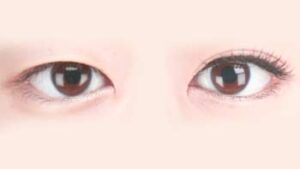
Oriental Eyelid Surgery in Iran
Why Iran is a Top Destination for Oriental Eyelid Surgery Iran has earned a stellar reputation in cosmetic and reconstructive surgeries, particularly for procedures like Oriental eyelid surgery, which requires a delicate balance of artistry and technical precision. Surgeons in Iran are globally recognized for their extensive experience, often performing thousands of eyelid surgeries each year. This expertise allows them to create natural, harmonious results tailored to the unique facial anatomy of each patient. hamintour enhances this experience by connecting patients with elite surgeons in cities like Tehran, Mashhad, and Shiraz, ensuring access to world-class care at a fraction of the cost compared to other countries. The affordability of Oriental eyelid surgery in Iran is a significant draw, with procedures costing significantly less than in Western nations or other Asian hubs, without compromising quality. Clinics in Iran are equipped with cutting-edge technology, including 3D imaging for precise surgical planning and intraoperative monitoring to ensure safety. hamintour’s comprehensive services include arranging visas, accommodations, and multilingual support, making the process seamless for international patients. Beyond medical excellence, Iran’s rich cultural heritage offers patients a chance to explore historic sites and vibrant traditions, enriching their medical journey. Understanding Oriental Eyelid Surgery Oriental eyelid surgery focuses on creating or enhancing an upper eyelid crease, a feature that is naturally absent in some individuals of East Asian descent. The procedure enhances the eyes’ appearance, making them appear larger, brighter, and more defined while maintaining cultural and ethnic authenticity. Surgeons in Iran are skilled in two primary techniques: Incisional Method: Involves making small incisions to create a permanent crease, ideal for patients with excess skin or fat in the eyelid area. Non-Incisional (Suture) Method: Uses sutures to form a crease without incisions, offering a less invasive option with minimal scarring and faster recovery. Both techniques are customized to the patient’s facial features, ensuring results that complement their natural beauty. hamintour connects patients with specialists who excel in these methods, delivering outcomes that align with individual aesthetic goals. The Surgical Process in Iran The journey for Oriental eyelid surgery in Iran begins with a comprehensive consultation, facilitated by hamintour. During this phase, surgeons assess the patient’s eyelid structure, facial symmetry, and aesthetic preferences using advanced diagnostic tools like high-resolution imaging. This ensures a tailored surgical plan that respects the patient’s unique anatomy. Patients can choose between local or general anesthesia, depending on the complexity of the procedure and their comfort level. The surgery itself typically takes one to two hours. For the incisional method, the surgeon removes excess tissue and creates a crease that blends seamlessly with the patient’s natural features. The non-incisional method involves placing sutures strategically to form the desired crease. Iran’s clinics adhere to strict international standards, using state-of-the-art equipment to minimize risks and enhance precision. Post-operative care, coordinated by hamintour, includes detailed instructions on managing swelling, protecting the surgical site, and scheduling follow-up visits to monitor healing. Benefits of Choosing Iran for Oriental Eyelid Surgery Opting for Oriental eyelid surgery in Iran offers
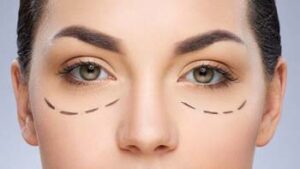
Puffy Eyelids Surgery in Iran
Why Choose Iran for Puffy Eyelids Surgery Iran’s reputation as a hub for cosmetic surgery, particularly puffy eyelids surgery, stems from its combination of highly skilled surgeons and advanced medical infrastructure. Iranian specialists, often trained internationally, perform thousands of eyelid procedures annually, honing their expertise in delivering natural, harmonious results. Cities like Tehran, Mashhad, and Tabriz boast clinics equipped with cutting-edge technology, such as high-resolution imaging and laser-assisted tools, ensuring precision and safety. hamintour elevates the experience by connecting patients with top surgeons, arranging travel logistics, and providing multilingual support, making Iran an accessible and appealing choice for international patients. The cost of puffy eyelids surgery in Iran is remarkably lower than in Western countries or other medical tourism destinations, without sacrificing quality. This affordability, paired with Iran’s adherence to international medical standards, attracts patients seeking high-value care. hamintour’s comprehensive services ensure a stress-free experience, handling everything from visa processing to post-operative care. Additionally, Iran’s rich cultural tapestry, from the ancient palaces of Shiraz to the bustling bazaars of Isfahan, offers patients a unique opportunity to combine their medical journey with an enriching cultural experience. What is Puffy Eyelids Surgery? Puffy eyelids surgery, often a specialized type of blepharoplasty, targets excess fat, skin, or fluid that causes a swollen or heavy appearance in the upper or lower eyelids. The procedure aims to restore a smooth, youthful contour to the eyes while maintaining natural facial harmony. Common concerns addressed include: Upper Eyelid Puffiness: Excess fat or sagging skin creating a hooded or tired look. Lower Eyelid Puffiness: Under-eye bags caused by fat protrusion or fluid retention. Combined Procedures: Addressing both upper and lower eyelids for a balanced, rejuvenated appearance. Surgeons in Iran customize each procedure to the patient’s unique facial structure, ensuring results that enhance natural beauty. hamintour ensures patients are paired with specialists who prioritize both aesthetic and functional outcomes, delivering personalized care tailored to individual needs. The Surgical Process in Iran The journey begins with a detailed consultation, coordinated by hamintour, where surgeons assess the patient’s eyelid anatomy, skin condition, and aesthetic goals. Advanced diagnostic tools, such as 3D imaging, are used to create a precise surgical plan. Patients can opt for local anesthesia with sedation or general anesthesia, depending on the procedure’s scope and personal preference. The surgery typically takes one to two hours. For upper eyelids, surgeons make incisions along the natural crease to remove or reposition excess tissue, ensuring minimal visible scarring. For lower eyelids, incisions may be placed below the lash line or inside the eyelid (transconjunctival approach) to conceal scars. Iran’s clinics adhere to rigorous safety protocols, using state-of-the-art equipment to enhance accuracy and reduce complications. Post-operative care, managed by hamintour, includes clear instructions on managing swelling, protecting the eyes, and attending follow-up appointments to ensure optimal healing. Benefits of Puffy Eyelids Surgery in Iran Choosing Iran for puffy eyelids surgery offers several distinct advantages: Expert Surgeons: Iranian specialists are globally renowned for their expertise in eyelid surgeries, with extensive experience in cosmetic and
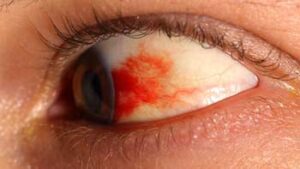
Preserve Your Vision with Diabetic Retinopathy Treatment in Iran
Diabetic retinopathy, a serious complication of diabetes, can threaten your vision if left untreated, but advanced treatments can halt its progression and even restore sight. Iran is a global leader in ophthalmology, offering cutting-edge diabetic retinopathy treatments at affordable prices. With world-class surgeons, state-of-the-art clinics, and comprehensive support from Hamintour, patients can receive top-quality care while exploring Iran’s rich cultural heritage. This guide covers everything you need to know about diabetic retinopathy treatment in Iran, from causes to recovery. Why Choose Iran for Diabetic Retinopathy Treatment? Iran’s ophthalmology sector is renowned for its expertise in treating complex eye conditions, including diabetic retinopathy. Clinics in cities like Tehran, Shiraz, Mashhad, and Isfahan are equipped with advanced diagnostic tools and surgical technology, ensuring precise and effective care. Iranian ophthalmologists, many with international training and extensive experience, perform thousands of eye procedures annually, delivering outcomes that rival those in Western countries. Affordability is a major advantage. Diabetic retinopathy treatment in Iran ranges from $150–$400 per eye injection to $3,000 for surgical procedures, compared to $8,000 in the USA, $6,700 in Europe, $6,500 in Thailand, and $4,000 in Turkey. This cost-effectiveness stems from Iran’s efficient healthcare system and competitive pricing, without compromising quality. Hamintour enhances this value with all-inclusive packages covering consultations, treatments, accommodations, transfers, and personalized care, ensuring a seamless experience for international patients. Beyond medical excellence, Iran offers a unique opportunity to combine treatment with tourism. Patients can recover while exploring historic landmarks, vibrant bazaars, or serene landscapes, transforming a medical trip into a culturally enriching journey. Hamintour crafts recovery-friendly itineraries to ensure patients enjoy Iran’s hospitality while healing. Understanding Diabetic Retinopathy Diabetic retinopathy is a complication of type 1 or type 2 diabetes that damages the retina’s blood vessels, potentially leading to vision loss. High blood sugar levels block or weaken these vessels, causing leakage or abnormal vessel growth, which can impair vision or cause blindness if untreated. Types of Diabetic Retinopathy Early Diabetic Retinopathy (Non-Proliferative): More common, characterized by weakened blood vessel walls. Blood or fluid leaks into the retina, causing swelling (macular edema) that may require treatment. Severity ranges from mild to severe as more vessels become blocked. Advanced Diabetic Retinopathy (Proliferative): Severe stage where damaged vessels close, triggering abnormal vessel growth. These vessels may leak into the vitreous (jelly-like substance in the eye), cause scar tissue, or lead to retinal detachment or glaucoma. Symptoms Early stages: Often asymptomatic, detectable only through screening. Advanced stages: Gradual or sudden vision loss, floaters, blurred or patchy vision, eye pain, redness, impaired color vision, or dark/empty areas in vision. Risk Factors Long duration of diabetes. Poorly controlled blood sugar, blood pressure, or cholesterol. Pregnancy. Tobacco use. Afro-Caribbean or Asian background. Complications if Untreated Vitreous Hemorrhage: Blood leaks into the vitreous, causing floaters or vision blockage. Glaucoma: New vessels disrupt fluid drainage, increasing eye pressure and damaging the optic nerve. Retinal Detachment: Scar tissue pulls the retina away, causing severe vision loss. Blindness: Progressive damage can lead to permanent vision loss. Preventing Diabetic

Effective Exophthalmos Treatment in Iran
Protruding eyes, medically termed exophthalmos or proptosis, can impact both eye function and self-esteem, often stemming from underlying conditions like thyroid disorders. Iran stands out as a premier hub for treating exophthalmos, delivering advanced surgical and non-surgical solutions through expert ophthalmologists in cutting-edge facilities. With costs up to 70% lower than in Western nations and seamless coordination via Hamintour, international patients can address bulging eyes while immersing in Iran’s vibrant history and landscapes. This comprehensive overview explores exophthalmos, its management, and why Iran is an ideal choice for restoration. Why Iran Excels in Exophthalmos Care Iran’s ophthalmology landscape thrives with specialized centers in Tehran, Shiraz, and Isfahan, boasting modern equipment like MRI and CT scanners for precise diagnostics. Surgeons, often fellowship-trained abroad, handle complex cases with outcomes matching global benchmarks, including orbital decompression that reduces protrusion by 3-5 mm on average. The nation’s self-sufficiency in surgical tools and high volume of procedures—over 40,000 eye surgeries monthly—ensure efficiency and expertise. Financially, exophthalmos surgery in Iran ranges from $1,500 to $3,000, covering consultations, imaging, anesthesia, and follow-ups—far below the $5,000-$10,000 in the US or €4,000-€7,000 in Europe. This affordability arises from subsidized healthcare and competitive markets, without skimping on quality. Hamintour amplifies accessibility through all-inclusive plans: visa support, luxury stays near clinics, airport shuttles, and English-speaking guides, freeing patients to prioritize healing. Moreover, Iran’s cultural tapestry enhances recovery. Post-treatment, explore Persepolis’ ancient wonders or Isfahan’s azure-domed mosques—Hamintour designs gentle itineraries blending rest with discovery, fostering holistic wellness amid Persian warmth. Unpacking Exophthalmos: A Deeper Look Exophthalmos arises when orbital contents—muscles, fat, or vessels—expand, pushing the eyeball forward beyond its socket. This isn’t merely cosmetic; untreated, it risks corneal exposure and optic nerve strain. Unilateral cases affect one eye, often from localized issues like infections; bilateral impacts both, typically systemic like thyroid imbalances. Root Causes Thyroid Disorders: Graves’ ophthalmopathy tops the list, affecting 25-50% of hyperthyroidism patients via autoimmune inflammation swelling eye muscles. It impacts 1 in 3 hyperthyroid cases, with symptoms lagging thyroid issues by months or years. Inflammatory Infections: Orbital cellulitis, common in children, triggers acute swelling; adults may face IgG4-related disease. Tumors and Growths: Benign or malignant masses behind the eye displace tissues. Trauma or Vascular Issues: Injuries, bleeding, or abnormal vessels (e.g., carotid-cavernous fistula) cause sudden protrusion. Rare Factors: Leukemia, neuroblastoma in kids; hypothyroidism or smoking in adults heightens vulnerability. Early intervention is key, as progression can compress the optic nerve, leading to irreversible vision loss. Recognizing Symptoms Beyond visible bulging—measured via exophthalmometer as >20 mm protrusion—watch for: Eye irritation, dryness, or light sensitivity (photophobia). Double vision (diplopia) from muscle imbalance. Pressure or pain behind the eyes, worsened by fatigue. Blurred vision, floaters, or color distortion. Lid lag: Difficulty closing eyes, causing exposure keratopathy. Systemic signs: Insomnia, anxiety, or weight changes if thyroid-linked. These escalate over time, potentially disrupting sleep and daily life. Diagnostic Approaches Diagnosis blends clinical insight with tech: Physical Exam: Ophthalmologists assess protrusion, eye movement, and lid closure. Blood Tests: Thyroid panels (TSH, T4) and autoantibodies
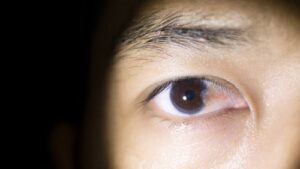
Restore Your Vision and Confidence with Pterygium Surgery in Iran
Pterygium, a noncancerous growth on the eye’s conjunctiva, can cause discomfort and affect appearance, sometimes impairing vision if untreated. Iran stands out as a premier destination for pterygium surgery, offering advanced techniques, skilled ophthalmologists, and affordable prices. With state-of-the-art clinics and comprehensive support from Hamintour, patients can achieve clear vision and a rejuvenated look while exploring Iran’s rich cultural heritage. This guide provides everything you need to know about pterygium surgery in Iran, from causes to recovery. Why Choose Iran for Pterygium Surgery? Iran’s ophthalmology sector is globally recognized for its expertise in procedures like pterygium surgery. Clinics in cities such as Tehran, Shiraz, Mashhad, and Isfahan are equipped with advanced surgical tools and diagnostic technologies, ensuring precision and safety. Iranian ophthalmologists, many with international training, perform thousands of eye surgeries annually with success rates exceeding 95%, delivering outcomes that rival Western standards. Affordability is a key advantage. Pterygium surgery in Iran costs between $800 and $1,500, including consultations, imaging, and follow-ups, compared to $3,000–$5,000 in the United States or €2,500–€4,000 in Europe. This cost-effectiveness stems from Iran’s efficient healthcare system and economic factors, without compromising quality. Hamintour enhances this value with all-inclusive packages covering surgery, accommodations, transfers, and personalized care, ensuring a seamless experience for international patients. Beyond medical excellence, Iran offers a unique opportunity to combine treatment with cultural exploration. Patients can recover while visiting historic sites like Persepolis or the vibrant bazaars of Isfahan, transforming a medical trip into a memorable journey. Hamintour tailors recovery-friendly itineraries to ensure patients enjoy Iran’s hospitality while healing. Understanding Pterygium Pterygium is a benign growth of conjunctival tissue that extends from the corner of the eye (usually the nasal side) toward the cornea, forming a triangular shape. Often called “surfer’s eye,” it’s linked to environmental exposure and can affect one or both eyes. While small pterygia may be asymptomatic, larger ones can impair vision or cause cosmetic concerns. Causes and Risk Factors Ultraviolet (UV) Radiation: The primary cause, with higher prevalence in sunny, dry regions or areas with depleted ozone layers. Environmental Irritants: Exposure to wind, dust, sand, smoke, or pollution increases risk. Occupational Exposure: Common in outdoor workers like farmers, fishermen, construction workers, or water/snow-sport athletes. Demographics: More prevalent in men (twice as likely as women), those over 40, or with a family history of pterygium. Genetics: Certain predispositions may increase susceptibility. Wearing UV-protective sunglasses or hats reduces risk by up to 80%. Symptoms Visible growth at the eye’s corner, often triangular. Mild symptoms: Redness, irritation, dryness, itchiness, or a foreign body sensation. Severe cases (when pterygium reaches the pupil): Chronic irritation, burning, astigmatism, blurred vision, or obscured vision. When is Pterygium Surgery Necessary? Surgery is recommended when: Non-surgical treatments (e.g., eye drops, ointments, or NSAIDs) fail to relieve symptoms. Symptoms like chronic irritation, blurred vision, or vision loss become unmanageable. The pterygium affects appearance, prompting cosmetic removal. For mild cases, lubricating drops or topical NSAIDs can reduce redness and inflammation, but surgery is often needed for larger or symptomatic

Revitalize Your Eyes with Eyelid Surgery in Iran
Droopy or puffy eyelids can make you look tired, older, or even impair your vision, but eyelid surgery offers a transformative solution. Iran has become a top destination for blepharoplasty, combining world-class surgical expertise with affordable prices. With advanced clinics, skilled surgeons, and seamless support from Hamintour, patients can achieve a refreshed, youthful appearance while enjoying Iran’s rich cultural heritage. This guide covers everything you need to know about eyelid surgery in Iran, from procedures to recovery. Why Choose Iran for Eyelid Surgery? Iran’s medical landscape excels in cosmetic procedures, particularly blepharoplasty, ranking it among the top countries for eye-related surgeries. Clinics in cities like Tehran, Shiraz, and Isfahan are equipped with cutting-edge technology, ensuring precision and safety. Iranian plastic surgeons, many with international training and fellowships from prestigious institutions, perform thousands of eyelid surgeries annually, delivering results that rival those in Western nations. Affordability is a key draw. Eyelid surgery in Iran costs between $1,000 and $2,500, compared to $3,000–$5,000 in the US or $2,500–$6,500 in the UK. This cost advantage stems from Iran’s efficient healthcare system and competitive pricing, without compromising quality. Hamintour enhances this value with all-inclusive packages covering surgery, consultations, accommodations, and transfers, ensuring a hassle-free experience for international patients. Beyond medical excellence, Iran offers a unique blend of treatment and tourism. Patients can recover while exploring historic landmarks, vibrant bazaars, or serene gardens, turning a medical trip into a memorable journey. Hamintour crafts recovery-friendly itineraries, allowing patients to enjoy Iran’s hospitality while healing. Understanding Eyelid Surgery Blepharoplasty, commonly known as eyelid surgery or eye lift, is a cosmetic procedure that removes excess skin, fat, or muscle from the upper or lower eyelids to create a refreshed, youthful appearance. It addresses issues like droopy eyelids, under-eye bags, or wrinkles, which can result from aging, genetics, or trauma. While it doesn’t alter the eye’s shape, it tightens loose skin and improves vision in cases where sagging lids obstruct sight. Types of Eyelid Surgery Upper Eyelid Surgery: Targets sagging skin or fat in the upper lid, often caused by aging or genetics, to restore contour and improve vision. Lower Eyelid Surgery: Addresses puffiness, bags, or wrinkles under the eyes, creating a smoother, more youthful look. Cat Eye Surgery (Canthoplasty): Lifts and tightens the outer corner of the eyes for an almond-shaped, lifted effect. Epicanthoplasty: Removes the inner corner fold, popular among East Asian patients to create larger, more alert eyes. Double Eyelid Surgery: Creates an artificial crease in monolid eyes, enhancing their appearance. Ptosis Surgery: Corrects drooping upper eyelids caused by muscle weakness, focusing on muscle tightening rather than skin removal. When is Eyelid Surgery Needed? You may consider blepharoplasty if you experience: Puffy bags or excess skin under the eyes. Droopy upper eyelids impairing vision or causing a tired look. Wrinkles or sagging skin in the lower eyelids. A desire for a more youthful, alert appearance. Hooded eyes due to genetic factors, as addressed by epicanthoplasty or double eyelid surgery. How is Eyelid Surgery Performed? Eyelid surgery
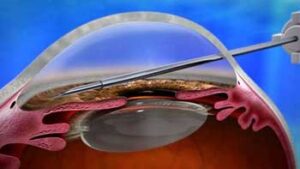
Premier Glaucoma Treatment in Iran
For those facing the challenges of glaucoma, seeking timely and effective treatment is critical to preserving vision. Iran has emerged as a top destination for advanced eye care, offering cutting-edge glaucoma surgeries performed by highly skilled ophthalmologists in state-of-the-art facilities. With a focus on affordability and quality, Iran provides a compelling option for international patients looking to address this serious eye condition while experiencing the country’s rich cultural heritage. Partnering with Hamintour, a trusted leader in medical tourism, ensures a seamless and stress-free journey from consultation to recovery. Why Iran Excels in Glaucoma Care Iran’s healthcare system is renowned for its expertise in ophthalmology, particularly in treating complex conditions like glaucoma. The country boasts modern eye clinics equipped with the latest diagnostic and surgical technologies, rivaling those in Western nations. Procedures such as trabeculectomy, laser trabeculoplasty, and cyclophotocoagulation are performed with precision, tailored to each patient’s specific needs. These treatments aim to reduce intraocular pressure (IOP), the primary cause of optic nerve damage in glaucoma, helping to prevent further vision loss. The affordability of glaucoma treatment in Iran is a major advantage. Costs for surgeries, consultations, and aftercare are significantly lower—often 60-80% less—than in Europe, North America, or even neighboring countries. This is driven by Iran’s efficient healthcare infrastructure and competitive pricing, without compromising on quality. Patients receive care from board-certified specialists, many of whom have trained globally and bring extensive experience to their practice. Hamintour enhances this experience by coordinating every detail, from selecting the best hospitals to arranging comfortable accommodations near treatment centers. Understanding Glaucoma and Its Impact Glaucoma is a progressive eye disease that damages the optic nerve, often due to elevated pressure from fluid buildup in the eye. If left untreated, it can lead to irreversible vision loss, making it the second leading cause of blindness worldwide, especially among older adults. Early detection through regular eye exams is vital, as many types of glaucoma develop without noticeable symptoms until significant damage has occurred. Iran’s clinics use advanced diagnostic tools, such as optical coherence tomography (OCT) and tonometry, to detect and monitor the condition effectively. Types of Glaucoma Open-Angle Glaucoma: The most common form, caused by partial blockages in the eye’s drainage system, leading to gradual pressure buildup and optic nerve damage. Angle-Closure Glaucoma: Occurs when the iris blocks the drainage angle, causing sudden or chronic pressure increases; acute cases require immediate attention. Normal-Tension Glaucoma: Optic nerve damage occurs despite normal eye pressure, possibly due to reduced blood flow or sensitive nerves. Pigmentary Glaucoma: Pigment granules from the iris clog drainage channels, causing intermittent pressure spikes. Congenital Glaucoma: Affects infants and young children due to developmental issues in the eye’s drainage system. Non-Surgical and Surgical Treatment Options In early stages, glaucoma can often be managed with non-surgical methods. Eye drops and oral medications help reduce intraocular pressure by improving fluid drainage or decreasing fluid production. However, these treatments require strict adherence, as they are preventive and cannot reverse existing damage. Patients must communicate any side effects, such

Advanced Corneal Transplant Solutions in Iran
For those struggling with vision loss due to a damaged cornea, seeking timely and high-quality treatment is essential. Iran has become a leading destination for corneal transplant surgery, offering world-class care at remarkably affordable prices. With cutting-edge technology, highly skilled ophthalmologists, and seamless support from Hamintour, patients can restore their vision while enjoying a culturally enriching experience. This guide explores why Iran stands out for corneal transplants, the procedure itself, and how Hamintour ensures a smooth journey from consultation to recovery. Why Choose Iran for Corneal Transplants? Iran’s healthcare system excels in ophthalmology, particularly in complex procedures like corneal transplantation. The country is home to advanced eye clinics and specialized transplant centers equipped with state-of-the-art tools, such as femtosecond lasers and high-resolution imaging systems. These facilities adhere to international standards, ensuring precision and safety. Iranian eye surgeons, many trained at prestigious global institutions, bring extensive expertise to procedures like keratoplasty, delivering outcomes that rival those in Western nations. Affordability is a key factor driving medical tourism to Iran. Corneal transplant costs in Iran range from $2,000 to $3,500 per eye, a fraction of the $13,000 to $27,000 charged in countries like the United States. This cost advantage stems from Iran’s efficient medical infrastructure and competitive pricing, without sacrificing quality. Hamintour enhances this value by offering all-inclusive packages that cover surgery, accommodations, transfers, and personalized care, making the process hassle-free for international patients. Beyond medical excellence, Iran offers a unique opportunity to combine treatment with cultural exploration. Patients can recover while visiting historic sites, vibrant markets, or serene landscapes, transforming a medical trip into a memorable journey. Hamintour tailors itineraries to include light sightseeing, ensuring a fulfilling experience that complements recovery. Understanding the Cornea and Its Importance The cornea, the clear, dome-shaped layer at the front of the eye, plays a vital role in focusing light to enable clear vision. It also shields the eye from environmental irritants like dust and pollution. A healthy cornea is smooth and properly curved, but damage from injury, disease, or infection can impair its function, leading to blurred, distorted, or hazy vision. When non-surgical treatments like contact lenses or medications fail, a corneal transplant becomes necessary to restore clarity and protect eye health. Common Causes of Corneal Damage Keratoconus: A condition where the cornea thins and bulges into a cone shape, distorting vision. Infections or Injuries: Scarring from infections, burns, or trauma can cloud the cornea. Endothelial Dysfunction: Failure of the cornea’s inner layer (endothelium) to pump out excess fluid, causing swelling and vision loss. Previous Surgeries: Complications from past eye procedures may damage the cornea. Genetic or Degenerative Conditions: Disorders like Fuchs’ dystrophy can degrade corneal health over time. What is a Corneal Transplant? A corneal transplant, or keratoplasty, involves replacing a damaged or diseased cornea with healthy donor tissue to restore clear vision. Depending on the extent of damage, surgeons may replace the entire cornea (full-thickness transplant) or specific layers (partial transplant). Iran’s eye clinics offer a range of advanced techniques, including: Penetrating

Effective Chalazion Treatment in Iran
Dealing with a persistent eyelid bump that affects your appearance or vision? A chalazion, a painless lump caused by a clogged oil gland, can be both bothersome and concerning if left untreated. Iran has emerged as a premier destination for chalazion treatment, offering advanced medical care at affordable prices. With expert ophthalmologists, modern clinics, and comprehensive support from Hamintour, patients can achieve quick relief and a smooth recovery while exploring Iran’s rich cultural heritage. This guide covers everything you need to know about chalazion treatment in Iran, from procedures to aftercare. Why Iran for Chalazion Treatment? Iran’s healthcare system is renowned for its excellence in ophthalmology, providing high-quality care for conditions like chalazion at a fraction of the cost found elsewhere. Clinics in cities like Tehran and Shiraz are equipped with cutting-edge technology, ensuring precise diagnosis and treatment. Procedures such as steroid injections and surgical removal are performed by experienced specialists who adhere to international standards, delivering results that rival those in Western countries. The affordability of chalazion treatment in Iran is a major draw. While the procedure can cost around $3,800 in the United States (even with insurance), prices in Iran range from $200 to $400, with no compromise on quality. This cost-effectiveness is due to Iran’s efficient medical infrastructure and competitive pricing. Hamintour enhances this value by offering all-inclusive packages that cover consultations, treatment, accommodations, and transportation, ensuring a seamless experience for international patients. Beyond medical care, Iran offers a unique opportunity to blend treatment with cultural exploration. Patients can recover while visiting historic landmarks, vibrant bazaars, or tranquil gardens, turning a medical trip into a memorable journey. Hamintour customizes itineraries to include light activities that complement recovery, making the experience both healing and enriching. Understanding Chalazion A chalazion is a red, firm, non-painful lump that typically forms on the upper eyelid when an oil gland becomes blocked. Unlike a stye (hordeolum), which is a painful, infected bump near the eyelash, a chalazion is non-infectious but can cause discomfort, droopy eyelids, or vision issues if untreated. Here’s a quick comparison: Feature Chalazion Stye (Hordeolum) Symptoms Large, red, painless, swollen Small, painful, tender, inflamed Location Upper eyelid, above eyelash line Near eyelash follicle Treatment Warm compress, steroid injection, surgery Warm compress, drainage Complications May cause ptosis or vision issues Risk of abscess if untreated If a chalazion persists for over two months or causes significant discomfort, professional treatment is recommended to prevent complications like infection or vision interference. Treatment Options for Chalazion Most chalazia resolve naturally with home remedies like warm compresses, which encourage drainage. However, when these fail, professional interventions are highly effective: Steroid Injections: A quick, non-surgical option that reduces inflammation and shrinks the chalazion, often used for smaller or less persistent lumps. Surgical Removal: A brief outpatient procedure to drain the chalazion’s contents, recommended for larger or stubborn cases. In Iran, both methods are performed by skilled ophthalmologists using advanced techniques, ensuring minimal discomfort and high success rates. Hamintour connects patients with top specialists and clinics,

Correct Your Vision with Strabismus Surgery in Iran
Struggling with misaligned eyes that affect your appearance or vision? Strabismus, commonly known as crossed eyes or squint, can be effectively corrected with advanced surgical techniques. Iran has become a global leader in ophthalmology, offering top-tier strabismus surgery at affordable prices. With highly skilled surgeons, state-of-the-art clinics, and comprehensive support from Hamintour, patients can achieve perfect eye alignment while enjoying a culturally enriching experience. This guide provides all you need to know about strabismus surgery in Iran, from the procedure to recovery. Why Choose Iran for Strabismus Surgery? Iran’s ophthalmology sector is renowned for its excellence, competing with top medical hubs like the United States and Europe. The country’s eye clinics, particularly in cities like Tehran, Mashhad, and Shiraz, are equipped with cutting-edge technology, including high-precision surgical tools and advanced diagnostic systems. Iranian ophthalmologists, many trained internationally, perform thousands of successful eye surgeries annually, including complex procedures like strabismus correction, with outcomes that meet global standards. Affordability is a key advantage. Strabismus surgery in Iran costs between $1,400 and $2,200, compared to $7,000–$9,000 or more in Western countries. This significant savings is due to Iran’s efficient healthcare system and competitive pricing, without compromising quality. Hamintour enhances this value by offering all-inclusive packages that cover surgery, consultations, accommodations, and transfers, ensuring a seamless experience for international patients. Beyond medical expertise, Iran offers a unique blend of treatment and tourism. Patients can recover while exploring historic sites, vibrant markets, or serene landscapes, turning a medical trip into a memorable journey. Hamintour tailors recovery-friendly itineraries, allowing patients to enjoy Iran’s rich cultural heritage while healing. Understanding Strabismus Strabismus is a condition where one or both eyes are misaligned, failing to point in the same direction. This occurs when the six muscles controlling eye movement malfunction, often due to nerve issues, injuries, or congenital factors. The result can be cosmetic concerns, double vision, or reduced depth perception. While non-surgical options like glasses, vision therapy, or prism lenses may help in mild cases, surgery is often the most effective solution for lasting correction. Causes of Strabismus Muscle Dysfunction: Weak or overactive eye muscles disrupt alignment. Nerve Issues: Impaired nerve signals to the eye muscles can cause misalignment. Injuries or Trauma: Accidents affecting the eye or brain may lead to strabismus. Congenital Factors: Some individuals are born with misaligned eyes. Other Conditions: Thyroid disorders or neurological issues can contribute. What is Strabismus Surgery? Strabismus surgery, also known as squint surgery or eye muscle repair, corrects eye misalignment by adjusting the position, strength, or tension of the eye muscles. The procedure is tailored to the patient’s specific condition, targeting one, two, or three muscles as needed. It is typically performed as an outpatient procedure, allowing patients to return to their accommodations the same day. Types of Strabismus Surgery Unilateral Rectus Muscle Surgery: Adjusts a single muscle for mild misalignment. Bilateral Rectus Muscle Surgery: Targets two muscles for moderate cases. Three-Muscle Surgery: Addresses complex misalignments involving multiple muscles. How is Strabismus Surgery Performed? Strabismus surgery in Iran takes

Achieve Clear Vision with PRK Eye Surgery in Iran
Free yourself from glasses and contact lenses with PRK (Photorefractive Keratectomy) surgery in Iran, a proven laser eye procedure to correct nearsightedness, farsightedness, and astigmatism. As a global hub for affordable, high-quality eye care, Iran offers advanced technology, expert ophthalmologists, and competitive prices. With hamintour’s all-inclusive medical tourism services, your journey—from consultation to recovery—is seamless, enriched by Iran’s cultural treasures. Discover why Iran is the ideal destination for PRK and how hamintour ensures a stress-free experience. Why Choose Iran for PRK Surgery? Iran is a top destination for eye surgery due to its unique advantages: World-Class Ophthalmologists Iran boasts renowned eye surgeons, such as Dr. Ali Asghar Khodadoust, known for the “Khodadoust Line” in corneal transplants, and Dr. Hamid Ahmadieh, a leader in retina surgery. These experts, often trained at prestigious global institutions, contribute to Iran’s >90% success rate in eye surgeries. Advanced Eye Clinics Clinics in Tehran, Mashhad, Shiraz, Tabriz, and Isfahan are equipped with state-of-the-art excimer lasers and adhere to international safety standards, ensuring precision and comfort. Affordable Pricing PRK in Iran costs $900-$1,600 for both eyes, including all medical fees, compared to $2,000-$4,000 in the USA, £2,500-$4,000 ($3,250-$5,200) in the UK, or $1,500-$2,500 in Turkey. This offers 60-70% savings. High Volume of Surgeries Iran performs thousands of successful eye surgeries annually, earning media recognition for record-breaking numbers. This experience ensures consistent, high-quality outcomes. Cultural and Touristic Appeal Recover while exploring Iran’s rich heritage, from Persepolis to vibrant bazaars. hamintour curates recovery-friendly cultural tours, blending healing with discovery. hamintour’s Comprehensive Support hamintour simplifies your PRK journey with all-inclusive services: Medical Services: Pre-surgery consultations, eye measurements, PRK surgery, and follow-ups. Visa Assistance: Obtain a treatment visa (T-Visa) authorization code (visa fees separate). Transportation: Airport pick-up, private transfers between hotel and clinic, and airport drop-off. Accommodations: Stay in 3- to 5-star hotels near clinics, with details provided in advance. Additional Support: 24/7 on-call assistance, interpreter services in English or your native language, SIM card, and internet access. Tourism Options: Guided tours to cultural sites, tailored to your recovery needs. Cancellation Policy: A non-refundable deposit secures your booking. Post-arrival cancellations deduct 15% before consultation, 40% after consultation but before surgery, and no refund after surgery begins. No refunds apply for undisclosed medical conditions. Understanding PRK Surgery PRK (Photorefractive Keratectomy) is an outpatient laser eye surgery that reshapes the cornea to correct refractive errors, reducing dependence on glasses or contact lenses. It’s ideal for patients with thin corneas or active lifestyles, offering permanent results with a slightly longer recovery than LASIK. PRK vs. LASIK PRK: Removes the corneal epithelium (outer layer) and reshapes the underlying cornea with an excimer laser. No flap is created, making it suitable for thin corneas or athletes. LASIK: Creates a corneal flap with a blade or femtosecond laser, then reshapes the cornea. It offers faster recovery but carries a small risk of flap complications. Similarities: Both treat nearsightedness (myopia: 1-8 diopters), farsightedness (hyperopia: ~6 diopters), and astigmatism (~4 diopters). Both use excimer lasers for corneal reshaping. Both
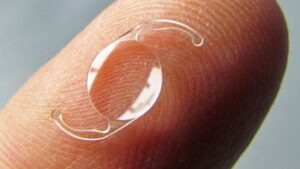
Restore Your Vision with Intraocular Lens (IOL) Surgery in Iran
Regain clear vision with Intraocular Lens (IOL) surgery in Iran, an effective procedure for those ineligible for LASIK or PRK, correcting refractive errors like myopia, hyperopia, astigmatism, presbyopia, or cataracts. Iran is a trusted destination for eye care, offering top-rated ophthalmologists, advanced clinics, and affordable prices. With hamintour’s all-inclusive medical tourism services, your journey—from consultation to recovery—is seamless, enriched by Iran’s cultural treasures. Discover why Iran is ideal for IOL surgery and how hamintour ensures a stress-free experience. Why Choose Iran for IOL Surgery? Iran is a premier destination for eye surgery due to its unique advantages: World-Class Ophthalmologists Iranian eye surgeons, such as Dr. Ali Asghar Khodadoust, known for the “Khodadoust Line” in corneal transplants, and Dr. Hamid Ahmadieh, a retina surgery expert, are globally recognized. Their extensive training and dedication contribute to Iran’s >90% success rate in eye surgeries. Advanced Eye Clinics Clinics in Tehran, Mashhad, Shiraz, Tabriz, and Isfahan are equipped with cutting-edge technology for precise IOL implantation, adhering to strict international safety standards. Affordable Pricing IOL surgery in Iran costs $800-$1,500 per eye, including all medical fees, compared to $3,000-$5,000 in the USA, £2,500-$4,500 ($3,250-$5,850) in the UK, or $2,000-$3,500 in Turkey. This offers 60-75% savings. High Volume of Surgeries Iran performs thousands of successful eye surgeries annually, earning media recognition for its expertise, ensuring consistent, high-quality outcomes. Cultural and Touristic Appeal Recover while exploring Iran’s rich heritage, from Persepolis to vibrant bazaars. hamintour curates recovery-friendly cultural tours, blending healing with discovery. hamintour’s Comprehensive Support hamintour simplifies your IOL surgery journey with all-inclusive services: Medical Services: Pre-surgery consultations, eye measurements, IOL surgery (RLE or PIOL), and follow-ups. Visa Assistance: Obtain a treatment visa (T-Visa) authorization code (visa fees separate). Transportation: Airport pick-up, private transfers between hotel and clinic, and airport drop-off. Accommodations: Stay in 3- to 5-star hotels near clinics, with details provided in advance. Additional Support: 24/7 on-call assistance, interpreter services in English or your native language, SIM card, and internet access. Tourism Options: Guided tours to cultural sites, tailored to your recovery needs. Cancellation Policy: A non-refundable deposit secures your booking. Post-arrival cancellations deduct 15% before consultation, 40% after consultation but before surgery, and no refund after surgery begins. No refunds apply for undisclosed medical conditions. Understanding IOL Surgery Intraocular Lens (IOL) surgery involves implanting or replacing the eye’s natural lens with an artificial lens to correct vision issues or treat cataracts. It’s ideal for patients unsuitable for LASIK or PRK, offering long-lasting results. The two main types are: Refractive Lens Exchange (RLE): Replaces the natural lens with an IOL to correct myopia, hyperopia, astigmatism, presbyopia, or cataracts. It eliminates future cataract risk and is FDA-approved for presbyopia and high hyperopia. Phakic Intraocular Lens Implantation (PIOL): Implants an IOL without removing the natural lens, correcting high myopia, hyperopia, or astigmatism. It’s reversible and suitable for younger patients but doesn’t treat presbyopia or cataracts. Types of IOLs Monofocal IOL: Corrects vision at one distance (near or far); may require glasses for other distances. Multifocal IOL:

Restore Clear Vision with Cataract Surgery in Iran
Regain sharp, clear vision with cataract surgery in Iran, a safe and effective procedure to remove cloudy lenses and replace them with artificial intraocular lenses (IOLs). Iran is a leading destination for eye care, offering world-class ophthalmologists, modern facilities, and affordable prices. With hamintour’s all-inclusive medical tourism services, your journey—from consultation to recovery—is seamless, enriched by Iran’s cultural treasures. Discover why Iran is ideal for cataract surgery and how hamintour ensures a stress-free experience. Why Choose Iran for Cataract Surgery? Iran is a top destination for eye surgery due to its unique advantages: World-Class Ophthalmologists Iranian eye surgeons, such as Dr. Ali Asghar Khodadoust, renowned for the “Khodadoust Line” in corneal transplants, and Dr. Hamid Ahmadieh, a retina surgery expert, are globally recognized. Their expertise contributes to Iran’s >90% success rate in eye surgeries, with a decreasing trend in complications. Advanced Eye Clinics Clinics in Tehran, Shiraz, Mashhad, Tabriz, and Isfahan are equipped with state-of-the-art technology, including femtosecond lasers and ultrasound devices for phacoemulsification, adhering to international safety standards. Affordable Pricing Cataract surgery in Iran costs $1,000-$1,500 per eye, including all medical fees, compared to $3,500-$5,000 in the USA, £2,500-$4,000 ($3,250-$5,200) in the UK, or $2,000-$3,000 in Turkey. This offers 60-70% savings. High Volume of Surgeries Iran performs thousands of successful cataract surgeries annually, earning media recognition for its expertise, ensuring consistent, high-quality outcomes. Cultural and Touristic Appeal Recover while exploring Iran’s rich heritage, from Persepolis to vibrant bazaars. hamintour curates recovery-friendly cultural tours, blending healing with discovery. hamintour’s Comprehensive Support hamintour simplifies your cataract surgery journey with all-inclusive services: Medical Services: Pre-surgery consultations, eye measurements, cataract surgery, and follow-ups. Visa Assistance: Obtain a treatment visa (T-Visa) authorization code (visa fees separate). Transportation: Airport pick-up, private transfers between hotel and clinic, and airport drop-off. Accommodations: Stay in 3- to 5-star hotels near clinics, with details provided in advance. Additional Support: 24/7 on-call assistance, interpreter services in English or your native language, SIM card, and internet access. Tourism Options: Guided tours to cultural sites, tailored to your recovery needs. Cancellation Policy: A non-refundable deposit secures your booking. Post-arrival cancellations deduct 15% before consultation, 40% after consultation but before surgery, and no refund after surgery begins. No refunds apply for undisclosed medical conditions. Understanding Cataract Surgery Cataract surgery is a minor outpatient procedure that removes the eye’s cloudy natural lens and replaces it with an artificial intraocular lens (IOL) to restore clear vision. It addresses blurred, foggy vision caused by cataracts, a common age-related condition. The surgery takes 15-30 minutes per eye and offers permanent results with minimal side effects. Types of Cataract Surgery Phacoemulsification (Phaco): The most common technique, using a small incision (~3 mm) and ultrasound to break up and remove the cloudy lens. An IOL is implanted, and the incision self-seals without stitches. Extracapsular Surgery: Uses a larger incision (10-12 mm) to remove the lens in one piece, suitable for very hard cataracts. Stitches may be required. FemtoPhaco (Laser-Assisted): Uses a femtosecond laser for precise incisions, capsulorhexis, and lens

Achieve Clear Vision with LASIK Surgery in Iran
Say goodbye to glasses and contact lenses with LASIK surgery in Iran, a quick and effective procedure to correct nearsightedness, farsightedness, and astigmatism. As a global leader in affordable, high-quality eye care, Iran offers advanced technology, skilled ophthalmologists, and competitive prices. With hamintour’s all-inclusive medical tourism services, your journey—from consultation to recovery—is seamless, enriched by Iran’s cultural treasures. Discover why Iran is the ideal destination for LASIK and how hamintour ensures a stress-free experience. Why Choose Iran for LASIK Surgery? Iran stands out as a top destination for eye surgery due to its unique advantages: World-Class Ophthalmologists Iran is home to renowned eye surgeons, such as Dr. Ali Asghar Khodadoust, celebrated for the “Khodadoust Line” in corneal transplants, and Dr. Hamid Ahmadieh, a leader in retina surgery. These experts, trained at prestigious global institutions, contribute to Iran’s >90% success rate in eye surgeries. Advanced Eye Clinics Clinics in cities like Tehran, Shiraz, Mashhad, and Isfahan are equipped with cutting-edge technology, including femtosecond lasers for Femto-LASIK. These facilities adhere to international standards, ensuring safety and precision. Affordable Pricing LASIK in Iran costs $700-$1,400 per eye, including all medical fees, compared to $2,100-$3,000 in the USA, £3,000 ($3,900) in the UK, or $1,500-$2,500 in Turkey. This represents 60-70% savings. High Volume of Surgeries Iran performs thousands of successful eye surgeries annually, earning media recognition for record-breaking numbers. This experience ensures consistent, high-quality outcomes. Cultural and Touristic Appeal Recover while exploring Iran’s rich heritage, from Persepolis to vibrant bazaars. hamintour curates recovery-friendly cultural tours, blending healing with discovery. hamintour’s Comprehensive Support hamintour simplifies your LASIK journey with all-inclusive services: Medical Services: Pre-surgery consultations, eye measurements, LASIK or Femto-LASIK surgery, and follow-ups. Visa Assistance: Obtain a treatment visa (T-Visa) authorization code (visa fees separate). Transportation: Airport pick-up, private transfers between hotel and clinic, and airport drop-off. Accommodations: Stay in 3- to 5-star hotels near clinics, with details provided in advance. Additional Support: 24/7 on-call assistance, interpreter services in English or your native language, SIM card, and internet access. Tourism Options: Guided tours to cultural sites, tailored to your recovery needs. Cancellation Policy: A non-refundable deposit secures your booking. Post-arrival cancellations deduct 15% before consultation, 40% after consultation but before surgery, and no refund after surgery begins. No refunds apply for undisclosed medical conditions. Understanding LASIK Surgery LASIK (Laser-Assisted in Situ Keratomileusis) is an outpatient procedure that reshapes the cornea to correct refractive errors, improving vision for nearsightedness (myopia), farsightedness (hyperopia), and astigmatism. It typically takes 15 minutes per eye, offering permanent results with minimal recovery time. LASIK vs. Femto-LASIK Traditional LASIK: Uses a microkeratome blade to create a corneal flap, followed by an excimer laser to reshape the cornea. Effective but less precise for thin corneas. Femto-LASIK: Uses a femtosecond laser for a bladeless, more precise corneal flap; ideal for patients with thin corneas or those seeking higher accuracy. Both procedures follow the same laser reshaping process post-flap creation. Benefits of LASIK Eliminates or reduces dependence on glasses/contact lenses. Improves vision for daily activities