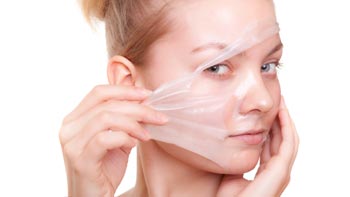


Struggling with acne scars, uneven skin tone, or wrinkles? A chemical peel in Iran offers a non-invasive, effective solution to rejuvenate your skin and achieve a brighter, smoother complexion. As a leading destination for cosmetic procedures, Iran combines skilled dermatologists, modern clinics, and affordable prices. With hamintour’s all-inclusive support, your journey—from consultation to recovery—is seamless, enriched by Iran’s cultural treasures. Discover why Iran is ideal for chemical peels and how hamintour ensures a stress-free experience.
Why Choose Iran for Chemical Peels?
Iran is a top destination for cosmetic skin treatments due to its unique advantages:
-
Advanced Dermatological Expertise
Iran performs thousands of cosmetic procedures annually, with chemical peels being a popular choice for skin rejuvenation. Dermatologists deliver precise treatments tailored to diverse skin concerns, ensuring high patient satisfaction. -
Highly Skilled Specialists
Iranian dermatologists are often board-certified, with many trained at prestigious global institutions. They use advanced techniques and high-quality chemical solutions for optimal results.Table of Contents -
Affordable Pricing
Chemical peels in Iran cost $150-$500 per session, compared to $2,000-$5,000 in the UK or $500-$2,000 in the USA. This includes consultations, treatment, and follow-ups, offering 70-90% savings. -
Modern Clinics
Clinics in cities like Tehran, Mashhad, Shiraz, and Isfahan are equipped with state-of-the-art technology and adhere to international safety standards, ensuring a comfortable and sterile environment. -
Cultural and Touristic Appeal
Recover while exploring Iran’s rich heritage, from ancient Persepolis to vibrant bazaars. hamintour curates recovery-friendly tours, blending healing with cultural discovery.
hamintour’s Comprehensive Support
hamintour simplifies your chemical peel journey with all-inclusive services:
-
Medical Services: Clinic visits, consultations, chemical peel application, medications, and follow-ups.
-
Visa Assistance: Obtain a treatment visa (T-Visa) authorization code (visa fees separate).
-
Transportation: Airport pick-up, private transfers between hotel and clinic, and airport drop-off.
-
Accommodations: Stay in 3- to 5-star hotels near clinics, with details provided in advance.
-
Additional Support: 24/7 on-call assistance, interpreter services in English or your native language, SIM card, and internet access.
Cancellation Policy: A non-refundable deposit secures your booking. Post-arrival cancellations deduct 15% before consultation, 40% after consultation but before treatment, and no refund after treatment begins. No refunds apply for undisclosed medical conditions.
Understanding Chemical Peels
A chemical peel is a non-invasive cosmetic procedure that applies a chemical solution to the skin to exfoliate damaged outer layers, revealing smoother, brighter skin underneath. It treats various skin concerns on the face, neck, hands, or chest, improving texture and appearance. Peels are categorized by depth: superficial, medium, or deep, depending on the skin condition and desired results.
What Chemical Peels Treat
-
Acne and acne scars.
-
Fine lines and wrinkles.
-
Sun damage and age spots.
-
Uneven skin tone or discoloration.
-
Melasma (dark patches).
-
Smoker’s lines (vertical lines around the mouth).
-
Freckles and shallow scars.
Types of Chemical Peels
-
Superficial Peel
-
Solution: Alpha-hydroxy acid (AHA) or mild acids.
-
Purpose: Gently exfoliates the outer skin layer for a fresher, brighter appearance.
-
Treats: Mild discoloration, rough texture, or dull skin.
-
Downtime: Minimal; slight redness for 1-2 days.
-
-
Medium Peel
-
Solution: Glycolic or trichloroacetic acid (TCA) at higher concentrations.
-
Purpose: Removes damaged skin cells in the outer and middle layers.
-
Treats: Moderate discoloration, freckles, fine lines, and wrinkles.
-
Downtime: 7-14 days; may cause redness, swelling, or blisters.
-
-
Deep Peel
-
Solution: Trichloroacetic acid or phenol.
-
Purpose: Penetrates middle skin layers to address deeper damage.
-
Treats: Deep wrinkles, sun damage, uneven tone, or shallow scars.
-
Downtime: 14-21 days; significant swelling and peeling; performed once due to intensity.
-
The Chemical Peel Process
The procedure takes 30-60 minutes in an outpatient clinic, with no anesthesia for superficial peels and local anesthesia or sedation for medium/deep peels. A 5-7 day stay in Iran is recommended for treatment and follow-up. Steps include:
-
Consultation: The dermatologist assesses your skin, discusses goals, and selects the appropriate peel type.
-
Preparation: The skin is cleaned to ensure a sterile surface.
-
Application: The chemical solution (e.g., AHA, TCA, or phenol) is applied using a brush or gauze. You may feel a mild stinging or burning sensation.
-
Neutralization/Removal: The solution is left on for a set time, then neutralized or removed with water or saline.
-
Post-Treatment: A soothing cream or lotion is applied, and aftercare instructions are provided.
Who is a Candidate?
You’re a good candidate if:
-
You have acne scars, wrinkles, sun damage, or uneven skin tone.
-
You’re in good health, with no active skin infections or open wounds.
-
You have realistic expectations about results and recovery.
-
You’re not pregnant or breastfeeding (especially for deep peels).
-
You haven’t had recent facial radiation or certain medications (e.g., isotretinoin).
Patients with a history of cold sores or scarring should inform their doctor, as antiviral medications may be needed.
Preparation for Chemical Peel
-
Choose a Specialist: Select a skilled dermatologist with experience in chemical peels. hamintour connects you with vetted, board-certified professionals.
-
Pre-Treatment Instructions:
-
Stop retinoids, exfoliants, or certain medications (e.g., isotretinoin) 1-2 weeks prior.
-
Inform your doctor of scarring, cold sores, or recent facial X-rays.
-
Start antiviral medications if prescribed (for medium/deep peels).
-
Avoid sun exposure and use sunscreen daily for 2 weeks prior.
-
-
Consultation: Discuss your skin concerns and medical history to determine the peel type.
Recovery Timeline
Recovery varies by peel type:
-
Superficial Peel: Minimal redness for 1-2 days; no significant peeling. Resume normal activities immediately.
-
Medium Peel: Redness, swelling, or blisters for 7-14 days; peeling occurs within 3-7 days. Avoid sun exposure for 2-4 weeks.
-
Deep Peel: Significant swelling, redness, and peeling for 14-21 days. Full healing takes 1-2 months; avoid sun exposure for 6-8 weeks.
Aftercare Tips:
-
Use gentle cleansers and moisturizers as recommended.
-
Apply sunscreen (SPF 30+) daily to protect new skin.
-
Avoid direct sunlight, makeup, or exfoliants during healing.
-
Change bandages if applied and follow dressing instructions.
-
Take prescribed antiviral or antibiotic medications if needed.
-
Expect temporary sensitivity; avoid scratching or picking at peeling skin.
hamintour provides a detailed aftercare guide and virtual follow-ups to ensure optimal results.
Potential Risks and Side Effects
Chemical peels are safe when performed by experienced dermatologists, with complications in less than 2% of cases. Possible side effects include:
-
Temporary redness, burning, or stinging.
-
Swelling or blisters (medium/deep peels), resolving in 7-14 days.
-
Hyperpigmentation or hypopigmentation (rare, more common in darker skin tones).
-
Scarring or infection (rare with proper aftercare).
Deep peels carry higher risks due to their intensity, but hamintour’s specialists minimize complications through precise application and strict protocols.
Your Journey with hamintour
-
Consultation: Contact hamintour via their website or WhatsApp for a free assessment, sharing your skin concerns and medical history.
-
Planning: Receive a tailored plan with transparent pricing ($150-$500 per session) and dermatologist recommendations.
-
Travel and Visa: hamintour secures visa approvals and books 3- to 5-star hotels near clinics.
-
Arrival: A representative provides airport transfers and settles you into your hotel.
-
Treatment Day: Meet your dermatologist, undergo the chemical peel, and receive aftercare instructions in a modern clinic.
-
Recovery: Enjoy light activities and curated cultural tours during your stay, avoiding sun exposure.
-
Follow-Up: Get aftercare instructions and virtual check-ins post-trip.
Benefits of Chemical Peels in Iran
-
Cost Savings: Save 70-90% compared to global prices, with no compromise on quality.
-
Expert Care: Access board-certified dermatologists with expertise in skin rejuvenation.
-
Comprehensive Support: hamintour handles medical, travel, and tourism needs.
-
Cultural Experience: Recover while exploring Iran’s historical sites and vibrant culture.
Frequently Asked Questions
-
What is a chemical peel?
A non-invasive treatment that uses chemical solutions to exfoliate damaged skin, improving texture and appearance. -
Why choose Iran for chemical peels?
Iran offers low costs ($150-$500), skilled dermatologists, modern clinics, and cultural attractions. -
How long does the procedure take?
It takes 30-60 minutes, with no clinic stay required. -
What is the recovery period?
Superficial peels recover in 1-2 days; medium peels in 7-14 days; deep peels in 14-21 days. -
What are the risks?
Risks include temporary redness, swelling, or rare pigmentation changes, minimized by hamintour’s expert care. -
How often can I get a chemical peel?
Superficial peels can be repeated every 1-4 weeks; medium peels every 6-12 months; deep peels are done once. -
Can it be combined with other treatments?
Yes, often paired with Botox, fillers, or other skin treatments for enhanced results. -
How does hamintour support patients?
hamintour manages consultations, travel, treatment, and aftercare for a seamless experience. -
Can I explore Iran during recovery?
Yes, hamintour offers recovery-friendly tours to cultural sites, ensuring sun protection. -
How do I start my journey?
Contact hamintour for a free consultation to plan your personalized chemical peel experience.