

Overview
Nasal packing, or nose tampons, is a common post-rhinoplasty practice that sparks concern among patients due to potential discomfort. While not always necessary, nasal packing plays a critical role in specific cases to ensure a safe and effective recovery. This SEO-optimized guide, approved by Dr. Shokrzadeh and provided by hamintour, covers everything you need to know about nasal packing after rhinoplasty or septoplasty, including its purpose, application, removal, advantages, disadvantages, and care tips. Whether you’re preparing for a nose job or curious about the recovery process, this guide will help you understand nasal packing and alleviate your concerns.
What Is Nasal Packing or Nose Tampon?
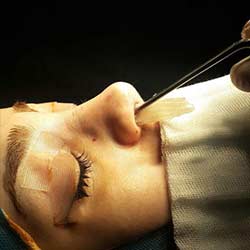
Nasal packing involves placing sterile cotton, gauze, or specialized tampons into the nostrils after rhinoplasty or septoplasty. These materials, known as nose tampons, absorb blood or fluids draining from the nose, stabilize tissues, and support healing.
Hamintour Insight: Nasal packing is designed to minimize complications and promote recovery, but its use is now more selective due to modern surgical advancements.
When Is a Nose Tampon Needed?
The decision to use nasal packing is made by the surgeon based on their expertise and the patient’s condition. Historically, nasal packing was routine, but current guidelines from organizations like the American Academy of Otolaryngology–Head and Neck Surgery recommend its use only in specific cases, such as:
-
Epistaxis: Severe or recurrent nosebleeds.
-
Complex Nasal Fractures: Unstable fractures requiring additional support.
-
Persistent Bleeding: When bleeding continues at the end of the procedure.
-
Medical Conditions: Conditions that increase bleeding risk (e.g., clotting disorders).
Hamintour Note: Advances in surgical techniques have reduced the need for routine nasal packing, making it less common today.
Nasal Packing After Rhinoplasty vs. Septoplasty
-
Rhinoplasty: A cosmetic procedure to enhance the nose’s appearance.
-
Septoplasty: A functional surgery to correct a deviated septum, improving breathing.
-
Packing Use: Nasal packing serves the same purposes in both procedures (e.g., controlling bleeding, supporting tissues). The decision to use it depends on the patient’s needs, not the procedure type.
-
Guidelines: Packing is not routinely recommended for either surgery unless specific conditions (e.g., excessive bleeding) are present.
Hamintour Tip: Discuss with your surgeon whether nasal packing is necessary for your case, as modern techniques often allow for tampon-less procedures.
When Is the Nasal Tampon Removed?
-
Timing: Removal varies based on the surgeon’s preference and patient condition:
-
Modern Practice: Most surgeons remove nasal packing within 4–24 hours post-surgery to enhance comfort.
-
Historical Practice: Some left tampons in for 7–14 days, but this is less common due to complications.
-
-
Process:
-
The surgeon removes the tampons during a hospital visit or post-op appointment.
-
Pain relief is provided 15–20 minutes prior to minimize discomfort.
-
After removal, the surgeon checks for bleeding by applying light pressure to the nasal mucous membrane.
-
A bolster dressing is applied, and the patient rests for 30–60 minutes to ensure no bleeding occurs before discharge.
-
Is Nasal Tampon Removal Painful?
-
Answer: Yes, removal can cause discomfort, but pain levels vary by tampon type:
-
Dissolvable Tampons: Rarely used in rhinoplasty; dissolve naturally, avoiding removal pain (common for epistaxis cases).
-
Undissolvable Tampons: Standard in rhinoplasty; require manual removal, causing mild to moderate discomfort.
-
Pain Comparison: Studies suggest some tampons (e.g., Rapid Rhino) cause less pain than others (e.g., Rhino Rocket).
-
-
Comfort Tips:
-
Take prescribed pain relief before removal.
-
Relax during the procedure to reduce tension.
-
Trust your surgeon to use gentle techniques.
-
Hamintour Advice: Early removal (within 24 hours) and proper pain management make the process more tolerable.
Why Is a Nose Tampon Applied?
Nasal packing serves several critical functions to support recovery:
-
Hemostasis: Stops bleeding by absorbing blood/fluids and applying pressure to blood vessels.
-
Structural Support: Stabilizes nasal soft tissues, conchae, cartilage, and bones, promoting proper healing.
-
Prevents Stenosis/Adhesions: Reduces the risk of tissue sticking together or narrowing of nasal passages.
-
Promotes Wound Healing: Creates a moist environment, enhancing the body’s defense mechanisms and reducing infection risk compared to open wounds.
Hamintour Insight: When used appropriately, nasal packing enhances recovery by minimizing complications and supporting the nasal structure.
What Are the Nasal Packing Disadvantages?
While nasal packing can be beneficial, it carries potential risks and discomforts. Surgeons weigh these against the benefits before deciding to use it. Common disadvantages include:
-
Discomfort:
-
Pain during placement and removal.
-
Reduced nasal airflow, causing breathing difficulty.
-
Increased nasal secretions and impaired smell.
-
-
Tissue Damage:
-
Pressure from packing may cause superficial tissue damage or granulations (e.g., pyogenic granuloma), increasing bleeding risk.
-
Prolonged or improper use can lead to necrosis of nasal tissues or bones.
-
-
Foreign Body Reactions:
-
May cause fibrosis or loss of nasal epithelium, affecting tissue health.
-
-
Posterior Dislocation:
-
Improperly secured tampons may shift backward, risking larynx or trachea obstruction (a rare but serious complication).
-
Patients should be informed on how to respond if this occurs.
-
-
Sleep Apnea Worsening:
-
Packing may exacerbate obstructive sleep apnea symptoms, especially in elderly or obese patients.
-
-
Eustachian Tube Dysfunction:
-
Temporary symptoms like hearing changes, ear fullness, or tinnitus.
-
-
Allergic Reactions:
-
Latex-based tampons may trigger allergies; latex-free options are available.
-
-
Infections:
-
Rare but serious, including toxic shock syndrome (TSS), a life-threatening condition caused by staphylococcal infection.
-
TSS Symptoms: High fever, muscle pain, erythema, vomiting, diarrhea, tachycardia, tachypnea.
-
Hamintour Warning: Be vigilant for signs of complications like high fever or severe discomfort, and contact your surgeon immediately.
How to Take Care of Your Nose Tampon?
If nasal packing is used, follow these care tips to ensure safety and comfort:
-
Avoid Extreme Movements: Refrain from heavy lifting or sports to prevent tampon dislocation.
-
Don’t Remove Clogged Tampons: If tampons clog with blood or secretions, breathe through your mouth and consult your surgeon.
-
Avoid Blowing Your Nose: For 1 week post-surgery to prevent dislodging tampons and increasing bleeding.
-
Sneeze Through Your Mouth: Avoid sneezing if possible; if unavoidable, do so with your mouth open.
-
Avoid Blood Thinners: Skip antiplatelet or anticoagulant drugs (e.g., aspirin, warfarin) unless approved by your surgeon, as they increase bleeding risk.
-
Monitor for TSS Symptoms: Contact your surgeon immediately for high fever, muscle pain, or other signs of toxic shock syndrome.
-
No Special Diet Required: Unlike other recovery aspects, nasal packing doesn’t require dietary changes.
Hamintour Tip: Follow your surgeon’s instructions closely and report any issues promptly to ensure a smooth recovery.
Why Choose hamintour for Your Rhinoplasty?
At hamintour, we partner with experienced surgeons like Dr. Shokrzadeh to provide comprehensive rhinoplasty packages, including pre-op preparation, surgery, and personalized aftercare. Our team ensures minimal use of nasal packing through advanced techniques and offers 24/7 support to address concerns like tampon care. Contact us for a free consultation, before-and-after photos, or to learn more about our services, including travel and accommodation arrangements.
Frequently Asked Questions (FAQs)
1. What is nasal packing in rhinoplasty?
Nasal packing involves placing sterile cotton, gauze, or tampons in the nostrils to absorb blood, support tissues, and promote healing.
2. Is nasal packing always used after rhinoplasty?
No, it’s not routine. It’s used only for specific cases like severe bleeding, unstable fractures, or certain medical conditions, as decided by the surgeon.
3. How long are nose tampons left in after rhinoplasty?
Typically 4–24 hours, though some surgeons may remove them sooner or later based on the patient’s condition.
4. Is nasal tampon removal painful?
Yes, it can cause mild to moderate discomfort, but pain relief and gentle techniques minimize this. Dissolvable tampons, rarely used, avoid removal pain.
5. How can I care for nasal packing post-surgery?
Avoid extreme movements, nose blowing, or sneezing; breathe through your mouth if clogged; and contact your surgeon for complications like fever or severe pain.
Disclaimer
This article is intended for general informational purposes only and is not a substitute for professional medical advice. Always consult a qualified surgeon for diagnosis and treatment of rhinoplasty-related concerns or before undergoing surgery.
This content has been reviewed by medical experts at hamintour, including Dr. Shokrzadeh. For more details, visit our physician review page.