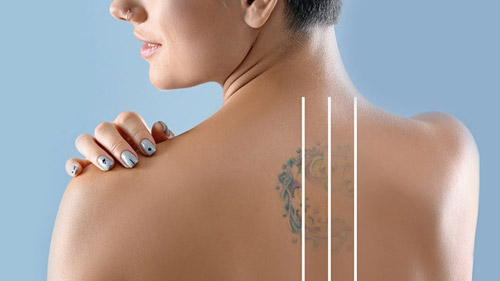


Regretting a tattoo? Laser tattoo removal in Iran offers a safe, effective solution to fully or partially remove unwanted ink using advanced technology. As a leading destination for cosmetic procedures, Iran combines skilled dermatologists, state-of-the-art clinics, and affordable prices. With hamintour’s all-inclusive support, your journey—from consultation to recovery—is seamless, enriched by Iran’s cultural treasures. Discover why Iran is ideal for tattoo removal and how hamintour ensures a stress-free experience.
Why Choose Iran for Tattoo Removal?
Iran is a top destination for cosmetic and medical procedures due to its unique advantages:
-
Advanced Laser Expertise
Iran performs thousands of laser procedures annually, with tattoo removal being a highly sought-after treatment. Specialists use cutting-edge laser systems to ensure precise and effective results. -
Highly Skilled Specialists
Iranian dermatologists are often board-certified, with many trained at prestigious global institutions. Their expertise in laser technologies, such as Q-switched Nd:YAG and Alexandrite lasers, ensures safe outcomes for all skin types.Table of Contents -
Affordable Pricing
Laser tattoo removal in Iran costs $200 per session, compared to $300-$2,000 in Turkey, $100-$600 in India, or $500-$1,500 in the USA. Multiple sessions (3-8) remain cost-effective, offering 60-80% savings. -
Modern Clinics
Clinics in cities like Tehran, Mashhad, Shiraz, and Isfahan are equipped with advanced laser devices (e.g., Q-switched lasers) and adhere to international safety standards, ensuring a sterile and comfortable environment. -
Cultural and Touristic Appeal
Recover while exploring Iran’s rich heritage, from ancient Persepolis to vibrant bazaars. hamintour curates recovery-friendly tours, blending healing with cultural discovery.
hamintour’s Comprehensive Support
hamintour simplifies your tattoo removal journey with all-inclusive services:
-
Medical Services: Clinic visits, consultations, laser tattoo removal, and follow-ups.
-
Visa Assistance: Obtain a treatment visa (T-Visa) authorization code (visa fees separate).
-
Transportation: Airport pick-up, private transfers between hotel and clinic, and airport drop-off.
-
Accommodations: Stay in 3- to 5-star hotels near clinics, with details provided in advance.
-
Additional Support: 24/7 on-call assistance, interpreter services in English or your native language, SIM card, and internet access.
Cancellation Policy: A non-refundable deposit secures your booking. Post-arrival cancellations deduct 15% before consultation, 40% after consultation but before treatment, and no refund after treatment begins. No refunds apply for undisclosed medical conditions.
Understanding Tattoo Removal
Tattoo removal involves breaking down ink particles in the dermis to allow the body to clear them, primarily using laser technology. While tattoos are designed to be permanent, modern lasers can effectively fade or remove them with minimal damage to surrounding skin. Alternative methods like surgery or creams are less effective and riskier.
Tattoo Removal Methods
-
Laser Tattoo Removal
-
How It Works: Q-switched Nd:YAG, Alexandrite, or Ruby lasers deliver high-energy light pulses to fragment ink particles photo-mechanically, preserving the outer skin layer. The body’s immune system clears the fragmented ink over time.
-
Effectiveness: Safest and most effective; suitable for all skin types and tattoo colors (e.g., black, blue, red).
-
Sessions: 3-8 sessions, spaced 6-8 weeks apart, depending on tattoo size, color, and depth.
-
Side Effects: Temporary redness, swelling, itching, or blistering.
-
-
Surgical Tattoo Removal
-
How It Works: Surgically excises tattooed skin under local anesthesia; suitable for small tattoos.
-
Drawbacks: Requires skin grafts for larger tattoos, causes scarring, pain, and longer recovery (2-4 weeks).
-
-
Tattoo Removal Creams
-
How It Works: Applied to fade tattoos by bleaching the epidermis; ineffective for dermal ink.
-
Drawbacks: Minimal results, risks of scarring, discoloration, rashes, or allergic reactions.
-
-
Microdermabrasion/Salabrasion
-
How It Works: Abrades skin to remove surface layers; salabrasion uses salt for deeper abrasion.
-
Drawbacks: Painful, causes open wounds, scarring, and infection risk; not recommended.
-
-
Rejuvi (Injectable Method)
-
How It Works: Injects a chemical to bind and push out ink particles.
-
Drawbacks: High risk of severe scarring and inconsistent results.
-
-
Cryotherapy
-
How It Works: Freezes tattooed skin to remove ink layers.
-
Drawbacks: Painful, damages healthy skin, and risks scarring or infection.
-
-
Tattoo Removal Pen
-
How It Works: Uses laser technology similar to professional lasers but is less powerful.
-
Drawbacks: Requires 6-8 sessions; less effective for deep or complex tattoos.
-
Recommended Method: Laser tattoo removal is the gold standard due to its safety, efficacy, and minimal damage to surrounding skin.
The Laser Tattoo Removal Procedure
The procedure takes 10-30 minutes per session in an outpatient clinic, with a 3-5 day stay in Iran recommended per session. Multiple sessions (3-8) are typically needed. Steps include:
-
Consultation: The dermatologist assesses the tattoo (size, color, depth) and skin type, selecting the appropriate laser (e.g., Q-switched Nd:YAG for dark ink, Alexandrite for colors).
-
Preparation: The skin is cleansed; protective eyewear is provided. Local anesthesia or numbing cream may be applied for comfort.
-
Treatment: The laser delivers short pulses to break down ink particles, causing a mild stinging sensation. Cooling devices minimize discomfort.
-
Post-Treatment: An antibacterial ointment and bandage are applied; aftercare instructions emphasize sun protection and wound care.
Who is a Candidate?
You’re a good candidate if:
-
You want to fully or partially remove a tattoo (professional, amateur, or cosmetic).
-
You’re in good health, with no active skin infections or photosensitivity disorders.
-
You have realistic expectations about multiple sessions and gradual fading.
-
You’re not pregnant or breastfeeding (due to limited safety data).
Special Considerations for Dark Skin:
-
Laser tattoo removal is safe for darker skin tones with modern Q-switched lasers, but risks include:
-
Keloid Scars: Rare, treatable raised scars; more common in darker skin.
-
Hyperpigmentation: Temporary darkening, fading over months.
-
Hypopigmentation: Light patches, which may take months to normalize.
-
-
Experienced dermatologists adjust laser settings to minimize these risks.
Preparation for Tattoo Removal
-
Choose a Specialist: Select a board-certified dermatologist with laser tattoo removal expertise. hamintour connects you with vetted professionals.
-
Pre-Treatment Instructions:
-
Avoid sun exposure or tanning for 4-6 weeks prior; use sunscreen (SPF 30+).
-
Stop blood-thinning medications (e.g., aspirin) for 1 week to reduce bruising.
-
Inform your doctor of medical conditions, allergies, or previous treatments.
-
Avoid applying lotions or cosmetics to the tattooed area on the day of treatment.
-
-
Consultation: Discuss tattoo details, skin type, and medical history; before-and-after photos may be taken to track progress.
Recovery Timeline
Recovery per session is quick, with full healing within 4 weeks:
-
Immediate Post-Treatment: Redness, swelling, itching, or blistering for 2-7 days; treated area may feel sunburned.
-
Week 1-2: Scabbing or peeling occurs; ink begins to fade.
-
Week 4: Skin heals fully; subsequent sessions can be scheduled (6-8 weeks apart).
-
Full Results: 80% or complete removal after 3-8 sessions (6-12 months), depending on tattoo size, color, and depth.
Aftercare Tips:
-
Apply prescribed antibacterial ointment and keep the area bandaged for 24-48 hours.
-
Keep the treated area clean and dry; use mild soap and pat dry.
-
Avoid sun exposure; apply sunscreen (SPF 30+) to prevent hyperpigmentation.
-
Do not pick or scratch scabs to avoid scarring or infection.
-
Avoid hot showers, saunas, or exercise for 24-48 hours.
-
Take paracetamol for pain; avoid aspirin to reduce bleeding risk.
-
Maintain a healthy diet to support immune system healing.
-
Avoid shaving the treated area until fully healed.
hamintour provides a detailed aftercare guide and virtual follow-ups to prevent infections and ensure optimal results.
Potential Risks and Side Effects
Laser tattoo removal is the safest method, with complications in less than 2% of cases. Possible side effects include:
-
Common: Temporary redness, swelling, itching, or blistering (2-7 days).
-
Rare: Infection, keloid scars, hyperpigmentation, or hypopigmentation (more likely in darker skin tones).
-
Infection Signs: Persistent redness, swelling, or itching beyond 1 week; pus or fever requires immediate medical attention.
hamintour’s specialists use advanced Q-switched lasers to minimize risks and ensure skin integrity.
Your Journey with hamintour
-
Consultation: Contact hamintour via their website, WhatsApp, or social media for a free assessment, sharing tattoo details and medical history.
-
Planning: Receive a tailored plan with transparent pricing ($200 per session) and dermatologist recommendations.
-
Travel and Visa: hamintour secures visa approvals and books 3- to 5-star hotels near clinics.
-
Arrival: A representative provides airport transfers and settles you into your hotel.
-
Treatment Day: Meet your dermatologist, undergo laser tattoo removal, and receive aftercare instructions in a modern clinic.
-
Recovery: Enjoy light activities and curated cultural tours during your stay, ensuring sun protection and wound care.
-
Follow-Up: Get aftercare instructions and virtual check-ins post-trip for ongoing support.
Benefits of Tattoo Removal in Iran
-
Cost Savings: Save 60-80% compared to global prices, with no compromise on quality.
-
Expert Care: Access board-certified dermatologists with advanced laser expertise.
-
Comprehensive Support: hamintour handles medical, travel, and tourism needs.
-
Cultural Experience: Recover while exploring Iran’s historical sites and vibrant culture.
Frequently Asked Questions
-
What is laser tattoo removal?
A non-invasive procedure using Q-switched lasers to break down tattoo ink for body clearance, preserving skin integrity. -
Why choose Iran for tattoo removal?
Iran offers low costs ($200 per session), skilled dermatologists, modern clinics, and cultural attractions. -
How long does each session take?
Sessions take 10-30 minutes, with no hospital stay required. -
How many sessions are needed?
3-8 sessions, spaced 6-8 weeks apart, for 80-100% removal, depending on tattoo characteristics. -
What are the risks?
Temporary redness, swelling, or rare pigmentation changes; infections are rare with proper aftercare. -
Is it safe for dark skin?
Yes, modern lasers are safe, but darker skin may risk temporary hyper/hypopigmentation, managed by experienced specialists. -
Can I get tattoo removal while pregnant or breastfeeding?
Not recommended due to limited safety data; wait until after pregnancy or breastfeeding. -
How does hamintour support patients?
hamintour manages consultations, travel, treatment, and aftercare for a seamless experience. -
Can I explore Iran during recovery?
Yes, hamintour offers recovery-friendly tours to cultural sites, ensuring sun protection and light activity. -
How do I start my journey?
Contact hamintour for a free consultation to plan your personalized tattoo removal experience.